Kraków, Poland: what to see and do
Kraków had about 804,000 inhabitants in 2023 (area about 327 square kilometres). UNESCO included the historic centre in its inaugural World Heritage List in 1978.
Things to do in Kraków
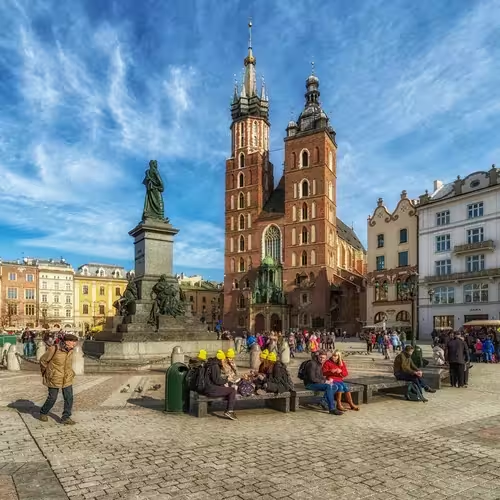
St Mary's Church has two towers of different heights, the taller about 82 metres. The Hejnał tune has sounded across the city for over 600 years. Nicolaus Copernicus attended the Jagiellonian University here between 1491 and 1495.
The guided bike tour through the historic Old Town lasts 2 hours and includes a rental bike, safety equipment, instructions before riding and live commentary from a local guide.
The guided e-scooter tour of the Old Town and Jewish Quarter lasts 2 hours, with scooter rental, a licensed Kraków city guide, initial riding training and commentary at the stops included.
The e-scooter rental in Kraków lasts 2 hours and comes with a fully charged scooter, a helmet and a city map.
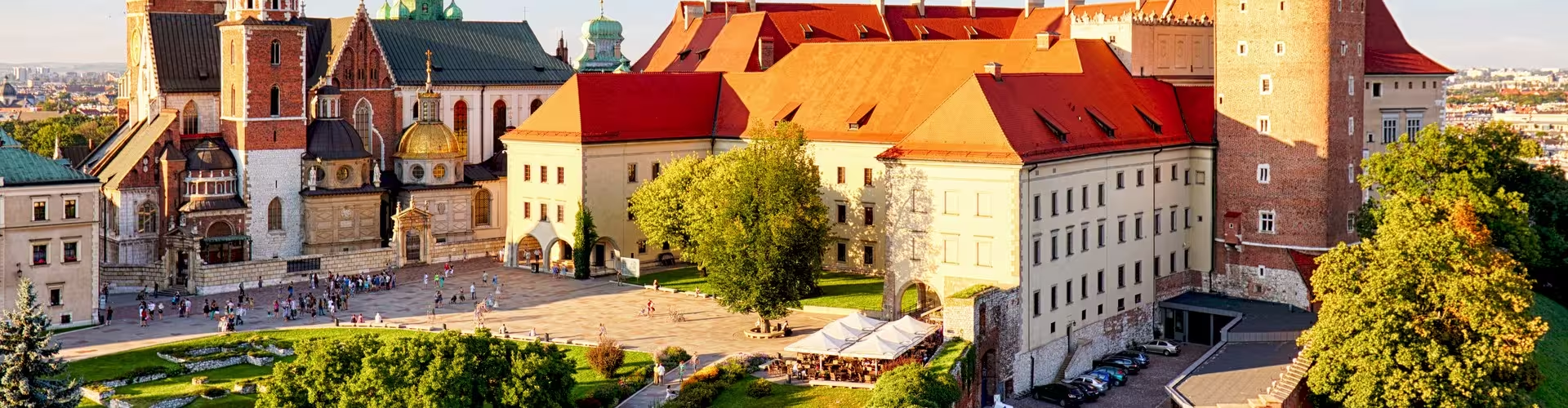
Wawel Castle and the hill
Its rock is predominantly Jurassic limestone. The Wawel Royal Castle houses a collection of some 136 Brussels tapestries made for Sigismund II Augustus.
Mieszko I, a Piast ruler whose reign ran from around 960 to 992, made Wawel Hill one of his residences. The bishopric of Kraków was founded there in 1000. Wawel kept its symbolic importance after the royal court moved to Warsaw in the 1590s. Founded in 1930, the Wawel museum has ten departments responsible for its collections.
Wawel Cathedral combines several architectural styles and has nearly 20 side chapels. Work on its Renaissance Sigismund Chapel was finished in 1533.
Kazimierz and its Jewish heritage
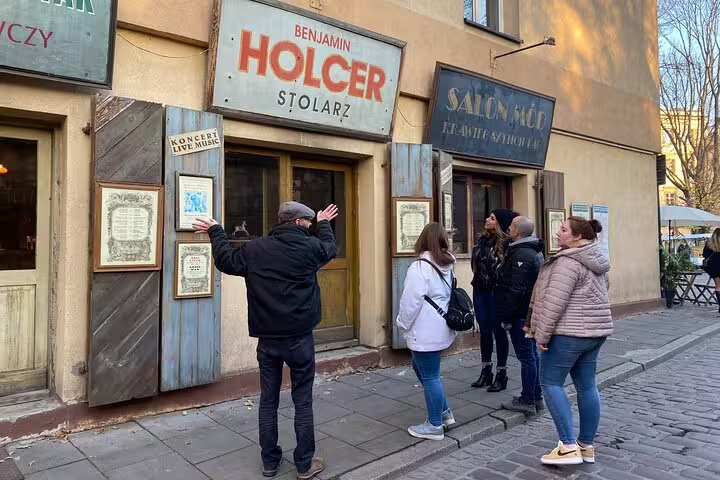
King Casimir the Great founded Kazimierz in 1335, giving the town his own name. Jewish people were relocated there in 1495 and formed a ghetto; the district has seven synagogues.
The Jewish Quarter walking tour takes 2 hours and includes a licensed Kraków city guide and commentary about synagogues, historic sites and local culture.
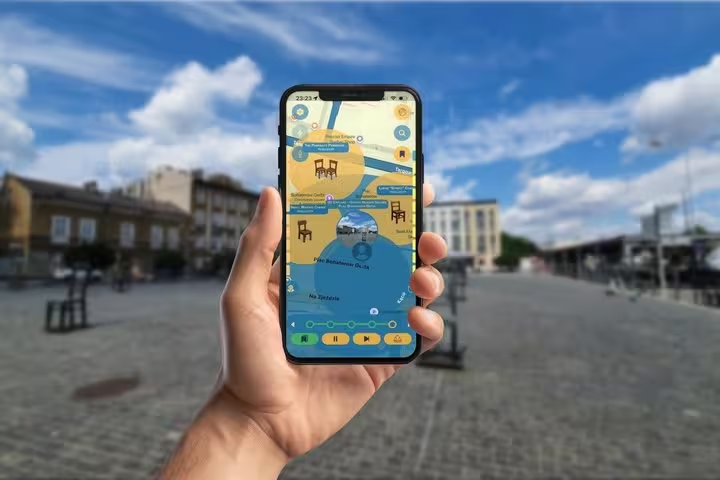
The self-guided Jewish Quarter game and walking tour lasts 1 hour and 30 minutes, with an app-based exploration game, challenges, puzzles and story content unlocked at each location.
Parks and mounds
Planty occupies 21 hectares around the Old Town, on land formerly occupied by defensive walls. The park was created after those walls were demolished in the early nineteenth century. More than 60 per cent of Kraków is green space, and Błonia covers 48 hectares. The botanical garden dates from 1783.
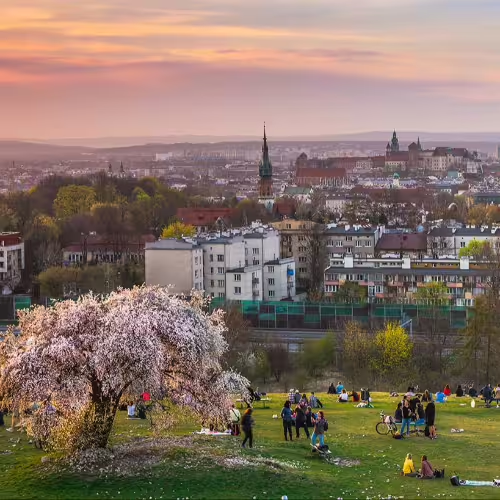
Poles from all three partitions took part in building Kościuszko Mound between 1820 and 1823. Krakus Mound measures 16 metres in height, and its construction may date to the eighth century.
Literature and traditions
In 2013, Kraków received UNESCO City of Literature status. The local szopka nativity scene tradition joined UNESCO's Representative List of the Intangible Cultural Heritage of Humanity in 2018.
Frequently asked questions
When did Kraków's historic centre receive World Heritage status?
The historic centre joined the inaugural UNESCO World Heritage List in 1978.
What does Wawel Royal Castle house?
Its collection includes some 136 Brussels tapestries made for Sigismund II Augustus.
When was Kazimierz founded?
King Casimir the Great established the town in 1335 and named it after himself.
What is Planty?
Planty is a park of 21 hectares surrounding the Old Town, created where defensive walls once stood.
Which UNESCO traditions and cultural designations are associated with Kraków?
Kraków became a UNESCO City of Literature in 2013. Its szopka nativity scene tradition was added to the Representative List of the Intangible Cultural Heritage of Humanity in 2018.