Bologna: what to see and do
The Roman settlement of Bononia, on the site of present-day Bologna, was established in 189 BC. The University of Bologna uses 1088 as its conventional founding year, marking the beginnings of the Studium. In 2006, UNESCO recognised Bologna as a Creative City of Music.
Things to do in Bologna
Piazza Maggiore dates from the early 13th century and has served as the city's heart since medieval times. Work on the Basilica of San Petronio started in 1390, overseen by Antonio di Vincenzo. Its unfinished facade has had only a partial marble covering since 1538. Giambologna and Tommaso Laureti created Bologna's Neptune statue between 1563 and 1567.
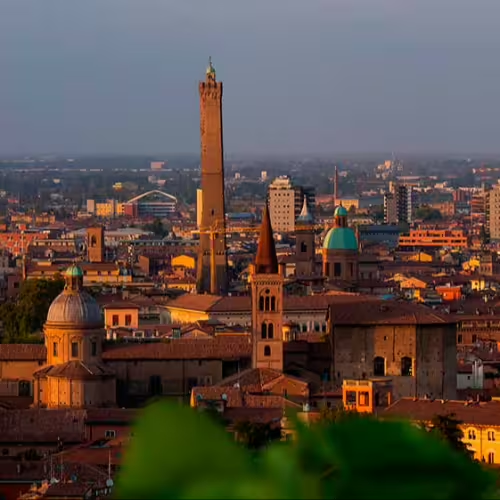
According to tradition, the Asinelli Tower was built between 1109 and 1119. The tower rises to 97.20 m, with 498 steps inside leading to its top. Garisenda's pronounced lean resulted from settling ground and foundations; concerns about collapse led to its height being reduced in the 14th century.
The self-guided Bologna walking tour with an audio guide lasts 3 hours and includes a route through the historic centre, commentary in seven languages, a digital itinerary and map, and six landmark stops covering churches, squares and civic monuments.
Bologna porticoes
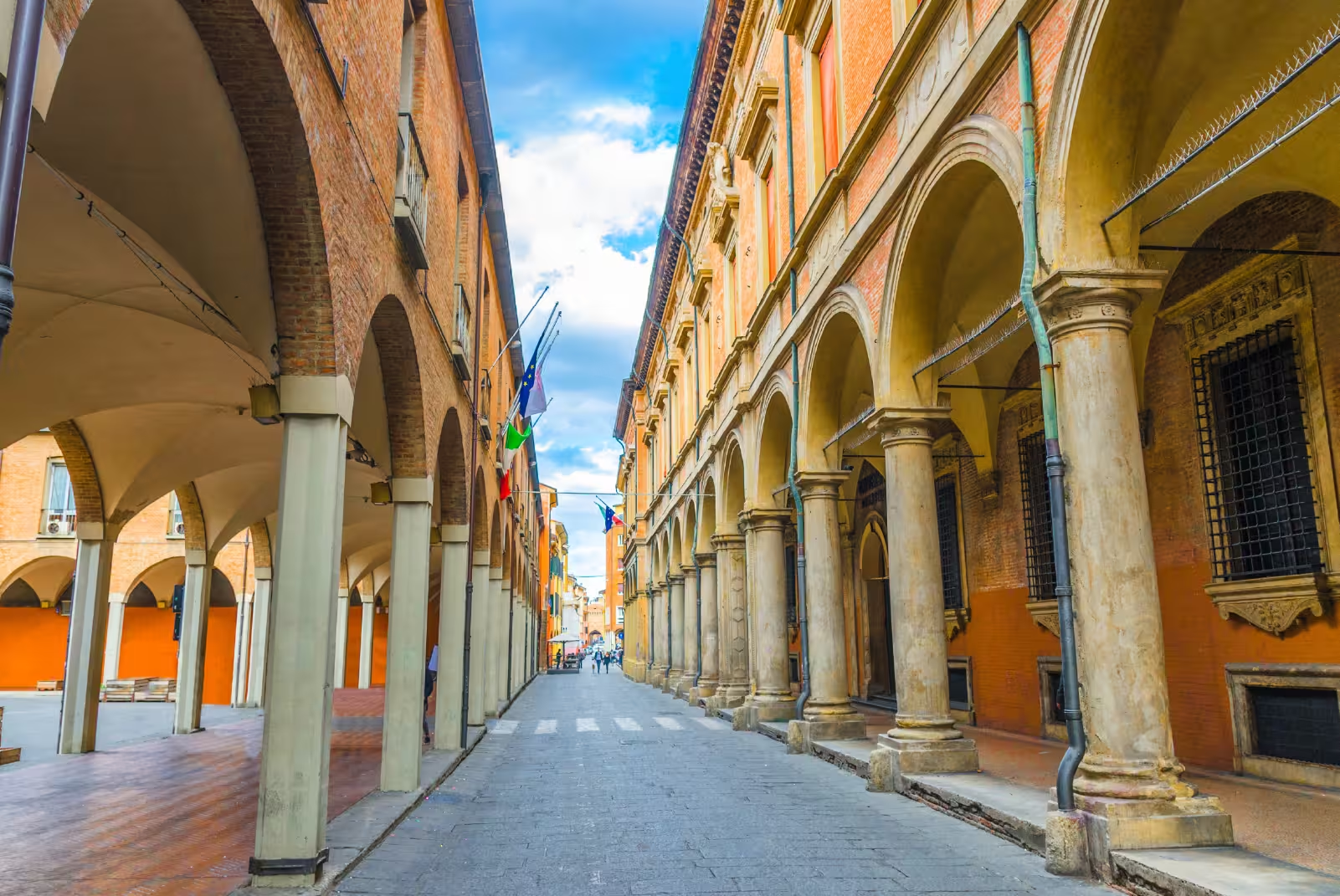
Bologna's porticoes extend for a total of 62 km. Their origins go back to the 11th century. Although privately owned, they are intended for public use. The legally required minimum height is 2.66 m.
UNESCO added the Porticoes of Bologna to its World Heritage List on 28 July 2021. The inscription brings together 12 groups of porticoes and the built areas around them as a serial site. During Ascension week, a procession follows the San Luca portico to the Cathedral with the Byzantine Madonna with Child, a tradition dating from 1433.
Learning and scientific history
Petrarch came to Bologna to study law at his father's direction. The Bolognese scientist Luigi Galvani worked in the 18th century and is known as the father of electrophysiology. Between 1790 and 1791, physicist Giovanni Battista Guglielmini dropped lead spheres from the Asinelli Tower to detect the Earth's rotation; the tower proved unsuitable, and he completed the experiment in the Specola tower of Palazzo Poggi, publishing the results in 1792.
Food and wine
Bolognese tortellini are fresh pasta with a filling of pork loin, eggs, mortadella, prosciutto, Parmigiano Reggiano and nutmeg. The city's ragù combines ground pork and veal and accompanies fresh egg tagliatelle. Green lasagne uses flour, eggs and spinach, with ragù as its filling. The classic mortadella sandwich contains Mortadella Bologna IGP, which has Protected Geographical Indication status. Pignoletto is Bologna's signature wine, made in the Colli Bolognesi from Grechetto Gentile grapes.
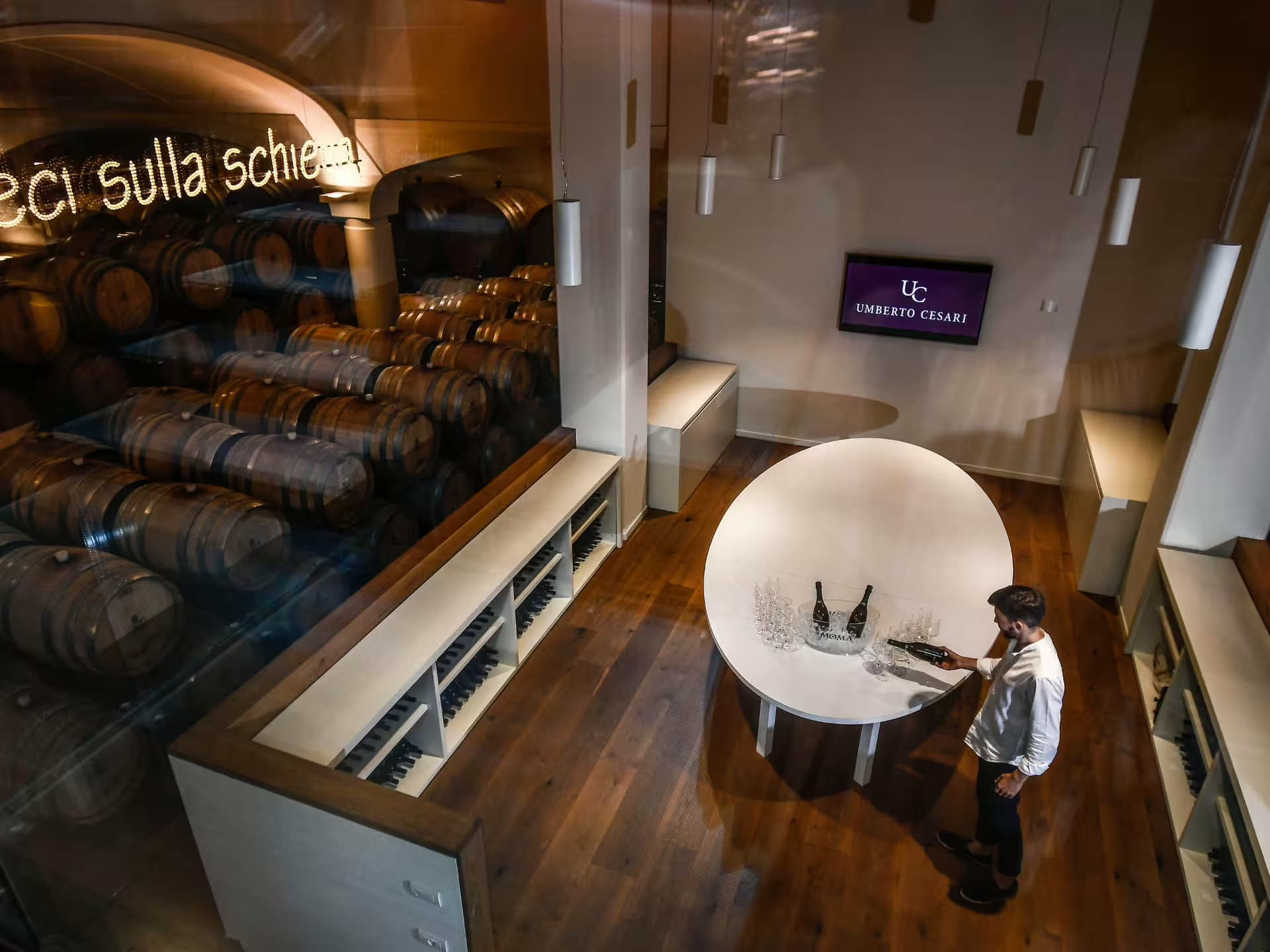
The wine tasting and food pairing experience near Bologna lasts 1 hour and 30 minutes and includes a guided barrel-room visit, three estate wines (Pignoletto, Rosé and Sangiovese Riserva), three regional artisan food pairings, a professional host guide, grissini, piada flatbread and seasonal fresh fruit.
The Bologna food and walking day trip from Florence lasts 9 hours and includes a tour leader, a guided historic-centre walk, tortellini tasting with cultural commentary, a traditional pasta workshop visit, tagliatelle alla Bolognese tasting, mortadella, Parmigiano Reggiano and balsamic vinegar tastings, and a glass of local wine.
Frequently asked questions
When did Bologna become a UNESCO Creative City of Music?
UNESCO recognised Bologna as a Creative City of Music in 2006.
When were the porticoes added to the World Heritage List?
The Porticoes of Bologna joined the UNESCO World Heritage List on 28 July 2021.
How extensive are Bologna's porticoes?
The porticoes have a combined length of 62 km.
What goes into Bolognese ragù?
Bolognese ragù uses ground pork and veal and is served with fresh egg tagliatelle.
Which grape is used for Pignoletto?
Pignoletto is made in the Colli Bolognesi from Grechetto Gentile grapes.