Elis: Olympia, the region and Katakolo
Elis belongs to the administrative region of Western Greece, with Pyrgos as its capital. Its regional unit extends over 2,618 square kilometres and contains seven municipalities. Within Elis, on the Peloponnese peninsula, is the small town of Olympia.
Olympia and its ancient sites
The Alfeios River valley is the setting for Olympia. UNESCO added its archaeological site to the World Heritage List in 1989. Elis administered the ancient Olympic Games, which took place from 776 BC until about 393 AD.
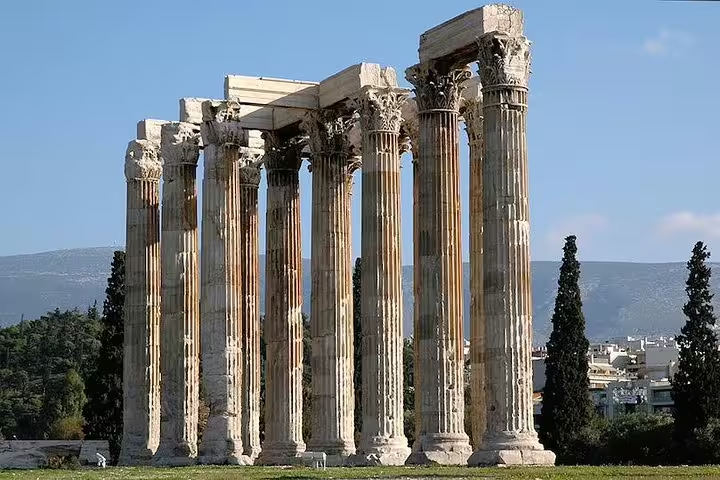
Construction of the Temple of Zeus dates to approximately 472 to 456 BC. The temple exemplifies the fully developed classical Doric style. Around 435 BC, Phidias created its statue of Zeus, which stood around 12 to 13 metres high. That statue belonged to the Seven Wonders of the Ancient World.
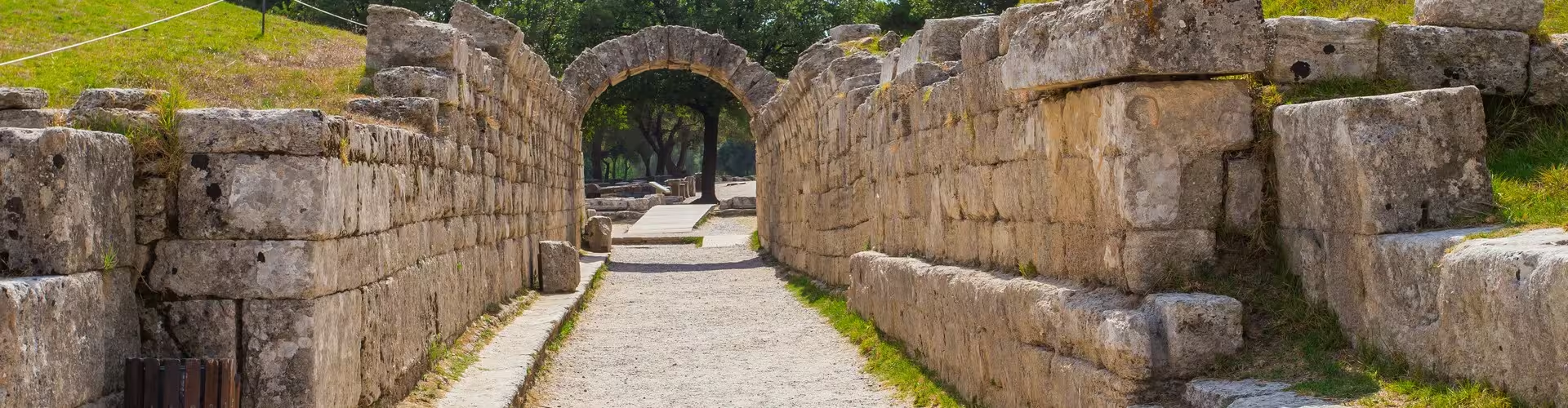
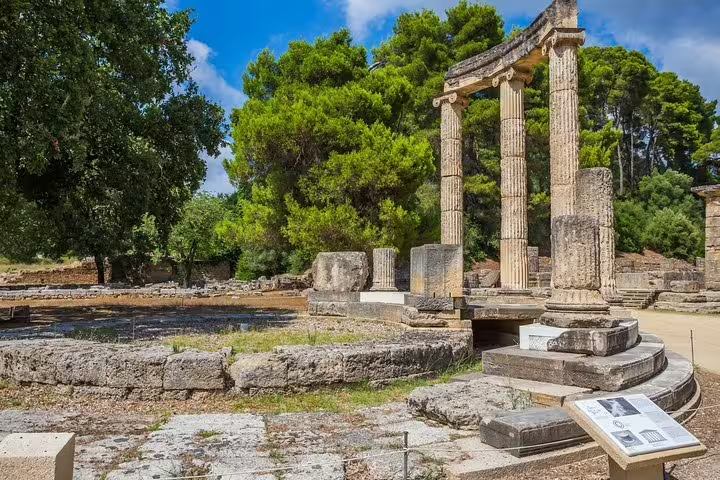
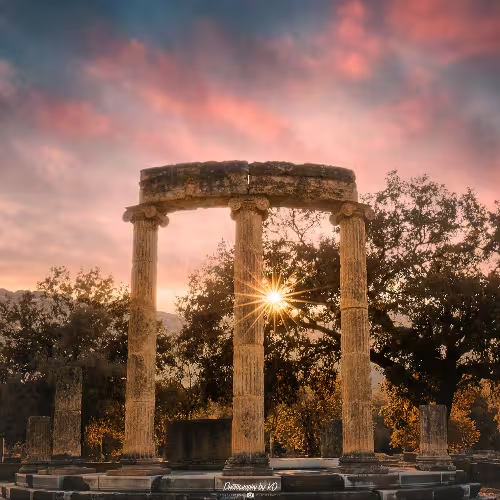
The Temple of Hera dates from about 600 BC. Its ruins are the setting for lighting the torch of the Olympic flame. At Olympia, a parabolic mirror focuses sunlight to light the flame. The ancient stadium hosted the shot put events of the 2004 Olympic Games.
Opened in 1982, the Archaeological Museum of Olympia holds finds from the surrounding area, including the ancient Olympic Games site.
Tours of Olympia and other ancient sites
The guided day tour of Ancient Olympia from Athens lasts 9 hours and includes a licensed guide for the day, a vehicle with air conditioning and a driver, a stop at the Corinth Canal, and guided visits to the archaeological site and Archaeological Museum of Olympia.
The private tour of Ancient Olympia and the Corinth Canal from Athens lasts 11 hours, with a private vehicle with air conditioning, a professional driver, a licensed private guide, a guided visit to the Olympia site, a museum visit, a Corinth Canal viewpoint stop and lunch at a traditional Greek taverna in Olympia village.
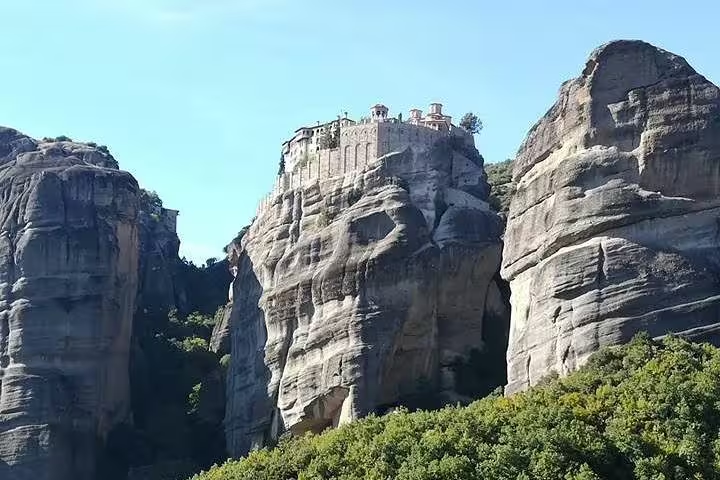
The guided tour of Olympia and Delphi takes 3 days, including minibus transport with air conditioning, a licensed professional guide throughout, dinner on days 1 and 2, and breakfast on days 2 and 3.
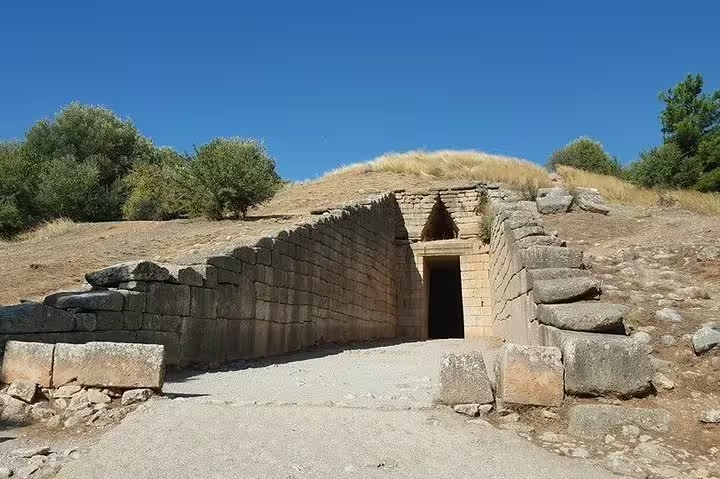
The day trip to Olympia, Mycenae and Sparta lasts 12 hours and includes transport, a licensed professional guide for all sites, a meal and an itinerary adjusted to the group's preferences.
The Elis region
In classical antiquity, the city of Elis was the centre of an independent state. Elis came under Roman rule in 146 BC and later formed part of Achaea, a Roman province created in 27 BC. Ancient remains at Elis and Epitalion, as well as Olympia, are within the regional unit.
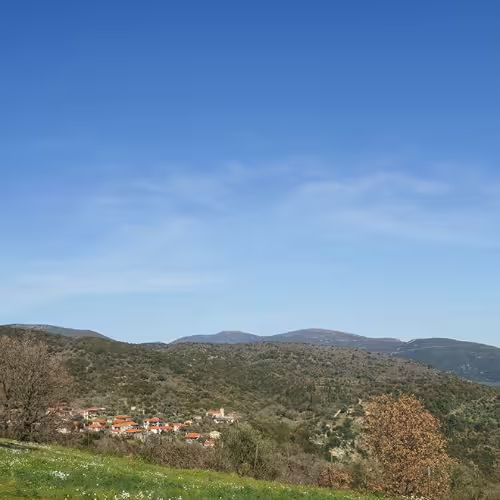
Roughly a third of the land is fertile, while mountains occupy the remainder. Forests cover the eastern part, with pines predominating in the south. Elis experiences a Mediterranean climate, with summer bringing heat and sunshine. The inland mountains have colder conditions and winter snow cover.
In the northwest stands the medieval castle of Chlemoutsi. The Crusader rulers of the Principality of Achaea had it built during the early 1220s.
Katakolo and rail connections
On the coast of western Elis, Katakolo is a village within Pyrgos municipality. Cruise ships call at its port. Rail connections link Katakolo with Pyrgos and Olympia. The railway station at Olympia marks the eastern end of the line from Pyrgos.
Frequently asked questions
Is Olympia a UNESCO World Heritage Site?
Its archaeological site joined the World Heritage List in 1989.
Where is the Olympic flame lit?
The torch is lit in the Temple of Hera ruins at Olympia, using sunlight focused by a parabolic mirror.
What is the capital of Elis?
Pyrgos is the regional capital.
What is Chlemoutsi?
It is a medieval castle in northwestern Elis, built in the early 1220s by the Crusader rulers of the Principality of Achaea.
Does Katakolo have a rail connection to Olympia?
Katakolo is linked by rail with Pyrgos and Olympia.