Last updated:


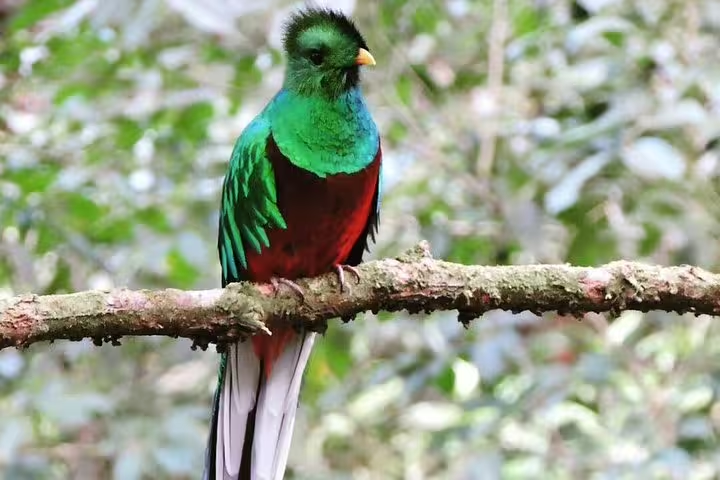
Monteverde suits a trip built around forest plants and birdlife, with conservation giving the visit its wider story. The Monteverde Cloud Forest Preserve protects over 4,100 hectares, while the birds living in Monteverde include the Resplendent Quetzal and the Three-wattled Bellbird.
One day is a reasonable plan for a visit focused on the cloud forest, combining a guided wildlife outing with time to look at plants. The Monteverde cloud forest day trip focused on wildlife and nature lasts 2 hours and 30 minutes. A certified naturalist guides the whole outing, with help identifying wildlife and birds included.
For that day, the guided outing can come first, followed by attention to the orchids and plants growing on other plants in the canopy. That gives the day a clear focus: recognising birds and wildlife, then looking at the forest that supports them.
The cloud forest rewards looking above the ground as well as ahead of you. Its canopy supports over 800 kinds of epiphytes, plants that use other plants as a place to grow. Monteverde has records of over 3,000 plant species, including more than 450 orchid species.
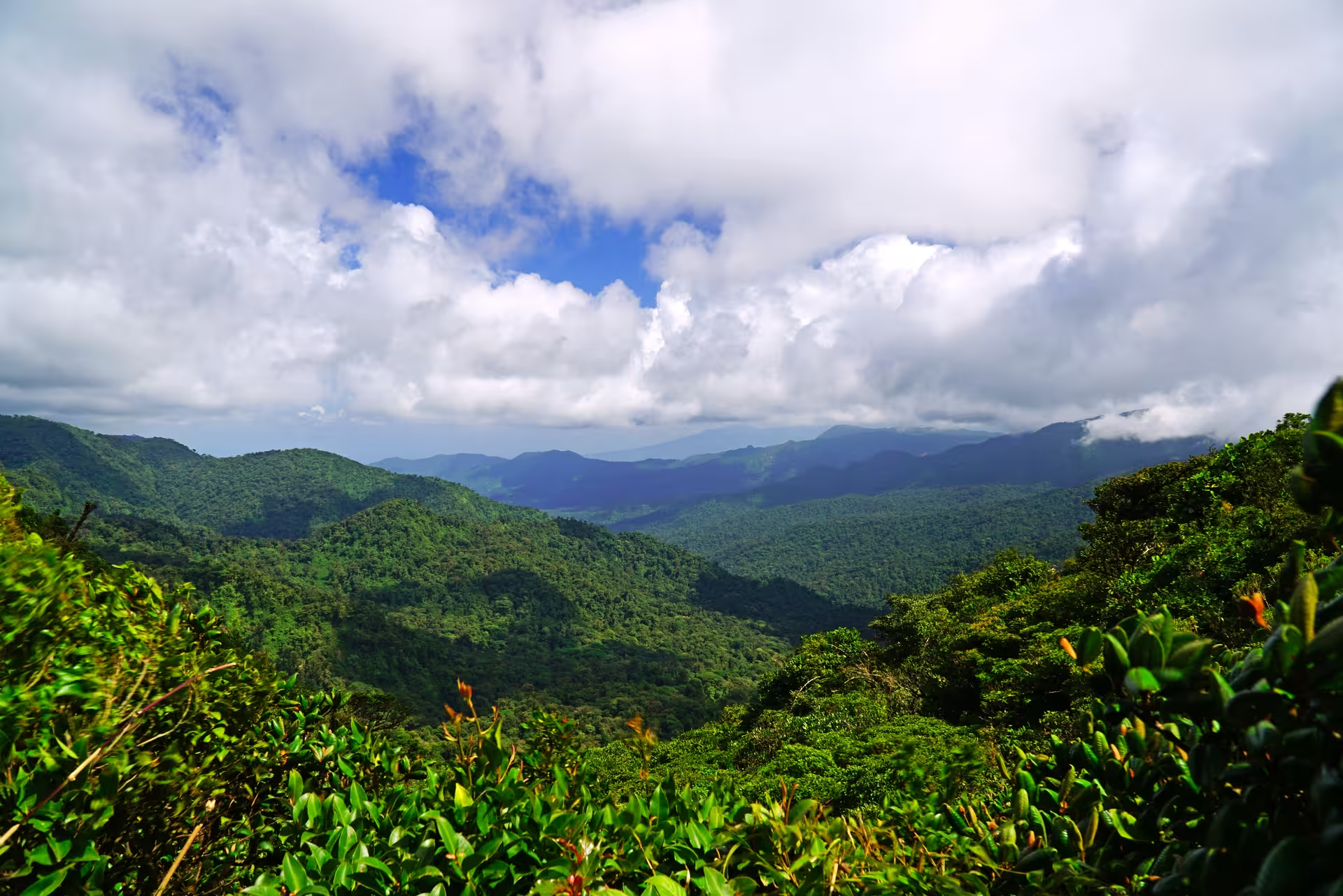
Water helps explain this forest setting: it collects as much as 3,000 mm annually, with mist supplying up to 40% of the total captured. That mist is also called horizontal rain. The preserve straddles the Continental Divide, so water falling on one side drains towards the Pacific and on the other towards the Caribbean.
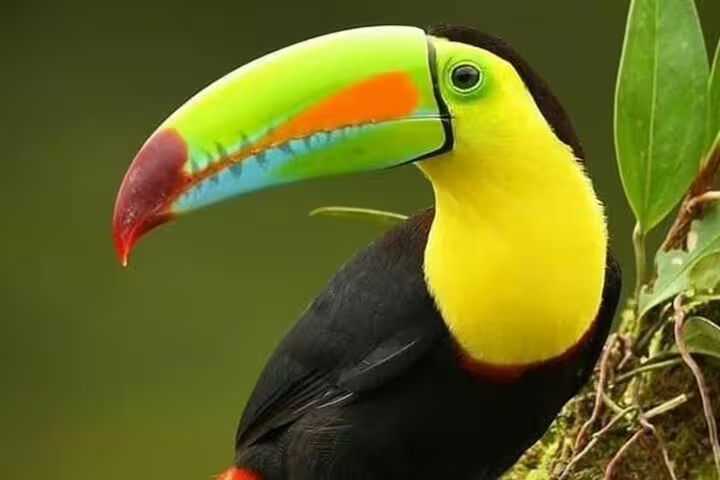
Birdlife is a useful focus for things to do in Monteverde, with over 400 species living here. The Resplendent Quetzal and the Three-wattled Bellbird are among them. For a visit built around birds, the included identification help on the guided outing fits that interest.
All six wildcat species found in Costa Rica also have a refuge in Monteverde. Their presence is a reason to value the habitat, rather than a promise of a sighting.
Layers and protection from moisture make sense for a forest visit: average temperatures fall between 14 and 22 °C, and mist contributes to the water the forest captures. The moisture is part of the forest experience, so a plan centred on walking should account for it.
The forest is worth visiting as a protected habitat with a human history, as well as a place to look for wildlife. In 1951, several dozen Quakers from Alabama settled in the Monteverde area of Costa Rica. They set aside about a third of their land to protect the watershed.
That protection continues alongside research: scientists have studied the forest continuously for more than 50 years. The preserve is included in the IUCN Green List of well-managed protected areas. Its environmental education programme works with 12 local schools and reaches more than 400 students each year.
Cloud forests develop at elevations of 1,200 to 2,500 metres above sea level.
Monteverde has records of 468 bird species out of the 852 recorded in Costa Rica, more than half of the national total.
The last recorded sighting of the golden toad in Monteverde was in 1989.