Santo Domingo: what to see and how to plan your visit
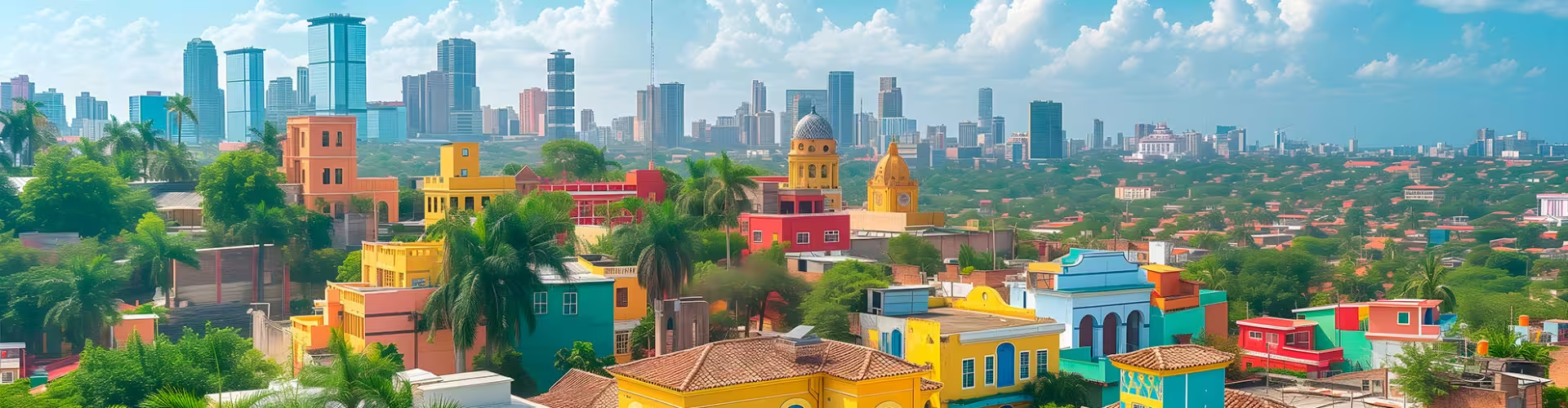
A visit to Santo Domingo can centre on colonial buildings and museums, with time beside the Caribbean Sea. The Dominican Republic's capital stands on the southern coast of Hispaniola, where the Ozama River reaches the sea.
What are the things to do in Santo Domingo?
The Zona Colonial is a practical focus for a visit built around history and museums. Its early 16th-century buildings and many museums occupy a district of about 1.06 square kilometres on the Ozama River's western bank. The Colonial City received UNESCO recognition in 1990.
Parque Colón makes a useful reference point, as the district's central public space. From there, a history-focused itinerary can include the Alcázar de Colón, built between 1511 and 1514 and now home to the Museo Alcázar de Diego Colón. The Ozama Fortress preserves part of the Walls of Santo Domingo, while the Panteón Nacional occupies a former Jesuit building containing the remains of celebrated Dominicans.
Calle Las Damas and Plaza de España belong together in a walking plan: the square is at the street's northern end. For a change of focus from colonial buildings, the Malecón follows the coast and provides the setting for the Santo Domingo Carnival parade. Plaza de la Cultura offers another cultural focus, with the National Theatre and several museums, and the Palace of Fine Arts stands nearby on Avenida Máximo Gómez.
How many days in Santo Domingo?
Two days are a reasonable plan for colonial history and a separate look at the waterfront and cultural buildings. Day one can focus on Parque Colón, the Alcázar de Colón, Calle Las Damas and Plaza de España. Day two can bring together the Malecón and Plaza de la Cultura, leaving the colonial sights for their own day. This divides the visit by interest rather than filling both days with museum stops.
The Dominican Republic cultural tour lasts 7 days and includes guided visits to Colonial Zone landmarks in Santo Domingo, ground transport throughout the itinerary and a local dinner with a cultural experience in the city.
When is the best time to visit Santo Domingo?
December to March suit a walking-focused visit because they are among the coolest and driest months of the year. Even then, the tropical climate means warmth and high humidity remain features of the city throughout the year. For an itinerary centred on the Zona Colonial and the Malecón, the lower humidity is a reason to favour those months.
May to November bring the rainy season, so a visit during that period should leave room to change outdoor plans. Museums in the Zona Colonial give that flexible plan a cultural focus alongside its outdoor sights. The Atlantic hurricane season runs from June to November and peaks from August to October, so travel insurance and flexible dates matter most in those months.
How do you get around Santo Domingo?
Walking can organise the Zona Colonial part of your visit, while the Metro is an option for travel across the city. The historic district covers about 1.06 square kilometres; the Metro's two lines cross the city over about 35 kilometres. Grouping the colonial sights together keeps that part of the plan focused on a single district.
Where should you stay in Santo Domingo?
The Zona Colonial is a sensible area to focus your accommodation search if museums and colonial buildings shape your visit. That recommendation follows the concentration of sights, rather than a particular hotel or accommodation package.
How many days do you need in Santo Domingo?
Two days allow a suggested split between Parque Colón, the Alcázar de Colón, Calle Las Damas and Plaza de España on one day, and the Malecón and Plaza de la Cultura on the other.
When is the best time to visit Santo Domingo for walking?
December to March suit walking because they are among the coolest and driest months; May to November are the rainy season.
How do you get around Santo Domingo?
Walking suits a visit focused on the Zona Colonial, while the Metro offers two lines covering about 35 kilometres across the city.
Where should you stay in Santo Domingo for sightseeing?
The Zona Colonial is a sensible focus for an accommodation search centred on museums and colonial buildings.
What can you see in Santo Domingo beyond the Zona Colonial?
The Malecón offers a coastal focus, while Plaza de la Cultura brings together the National Theatre and several museums.
Frequently asked questions