National District
National District is the Dominican Republic’s capital core, blending colonial streets, coastal Malecón views, culture, and standout food. Use this guide to plan smart logistics, top experiences, and easy itineraries.

National District is the Dominican Republic’s capital core, blending colonial streets, coastal Malecón views, culture, and standout food. Use this guide to plan smart logistics, top experiences, and easy itineraries.

National District is the pulse of the Dominican Republic, a compact capital zone where history, government, business, and everyday Caribbean life intersect. This guide helps you plan smarter, balancing iconic sights with practical logistics so your time in National District feels efficient, vivid, and personal. Expect a city rhythm that moves between colonial-era streets, seaside promenades, and modern neighborhoods built for dining, culture, and nightlife.
National District pairs old-world character with a modern, coastal capital energy, so you can do museums, markets, and oceanfront strolling in the same day. The signature vibe is lively and local, with a strong sense of place shaped by the Colonial Zone and the Malecón. Go now if you want a destination that works for short breaks and longer stays, with plenty to do without constant long-distance transfers.
National District sits on the southern coast of the Dominican Republic, centered on Santo Domingo. For most travelers, the main gateway is Las Américas International Airport, a common arrival point for reaching the capital area. Once you are in the city, the core areas most visitors focus on are the Colonial Zone, the waterfront Malecón corridor, and the modern districts that concentrate restaurants, shopping, and nightlife.
Planning your timing in National District is mostly about balancing heat, humidity, and how busy the city feels. Warmer months can make midday sightseeing feel intense, so earlier starts and late-afternoon walks tend to be more comfortable. Cooler, breezier periods are often better for long walking days in the Colonial Zone and for lingering along the waterfront.
Carry a mix of payment options for National District. Cards are widely useful in many hotels, restaurants, and larger businesses, while cash is helpful for small purchases, tips, and quick stops. Keep small bills accessible, and store the rest securely, especially when moving between neighborhoods.
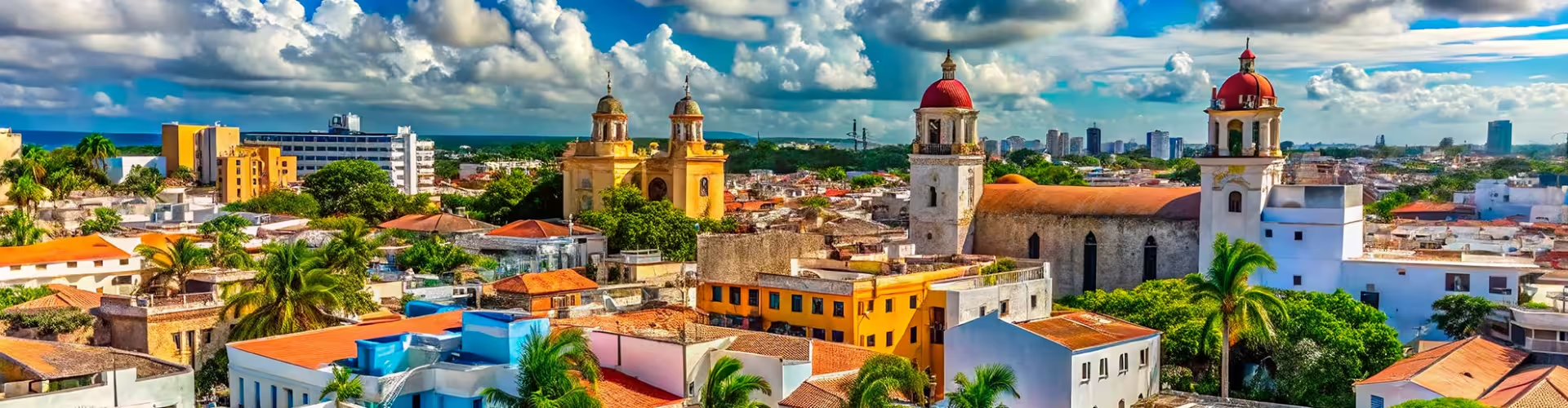
Colonial Zone Walk. This is the city’s most time-efficient way to understand its roots, with streets that reward slow wandering and frequent photo stops. The atmosphere shifts by time of day, from calm mornings to busier evenings. Practical tip, start early to enjoy cooler temperatures and quieter streets.
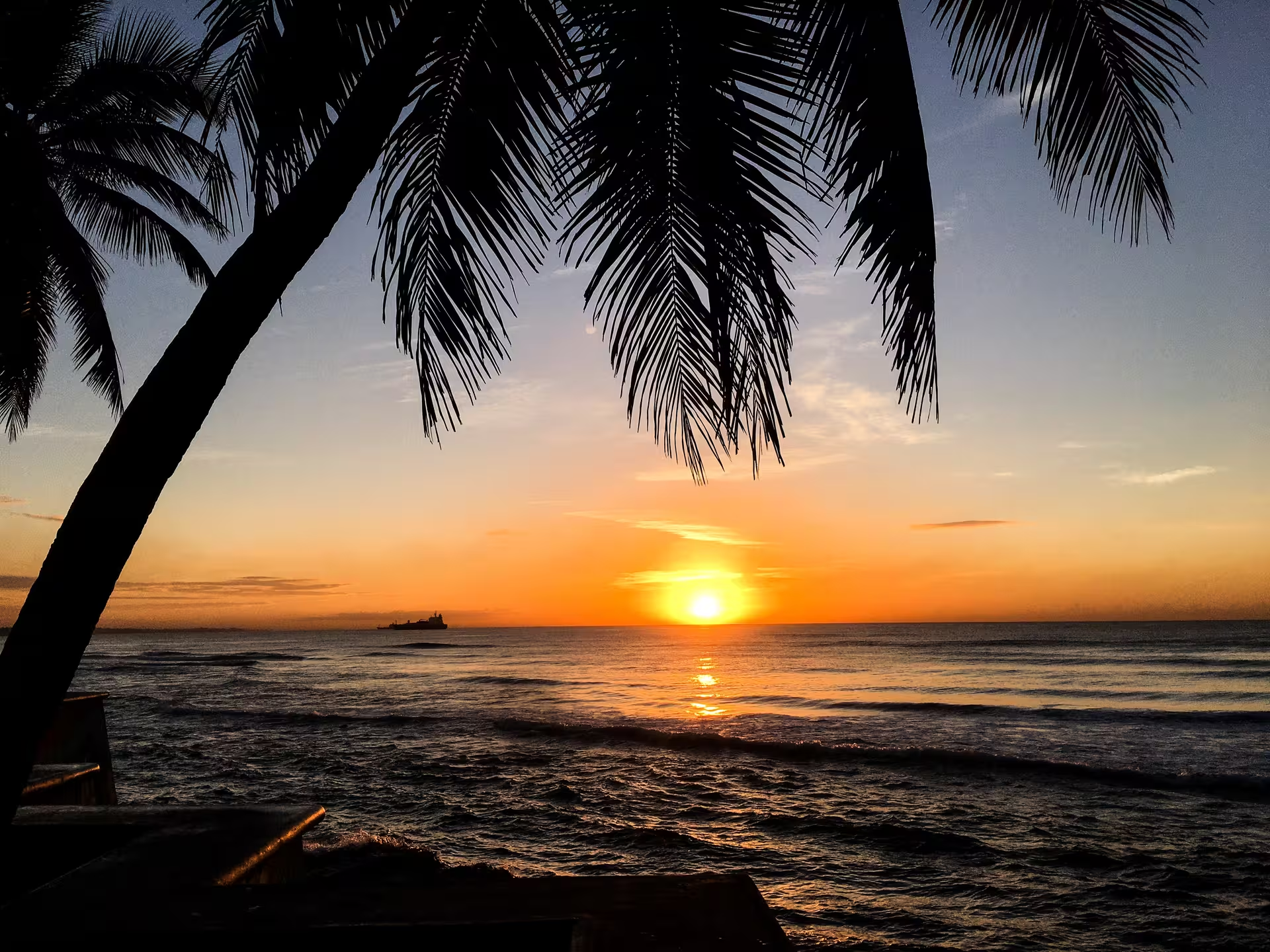
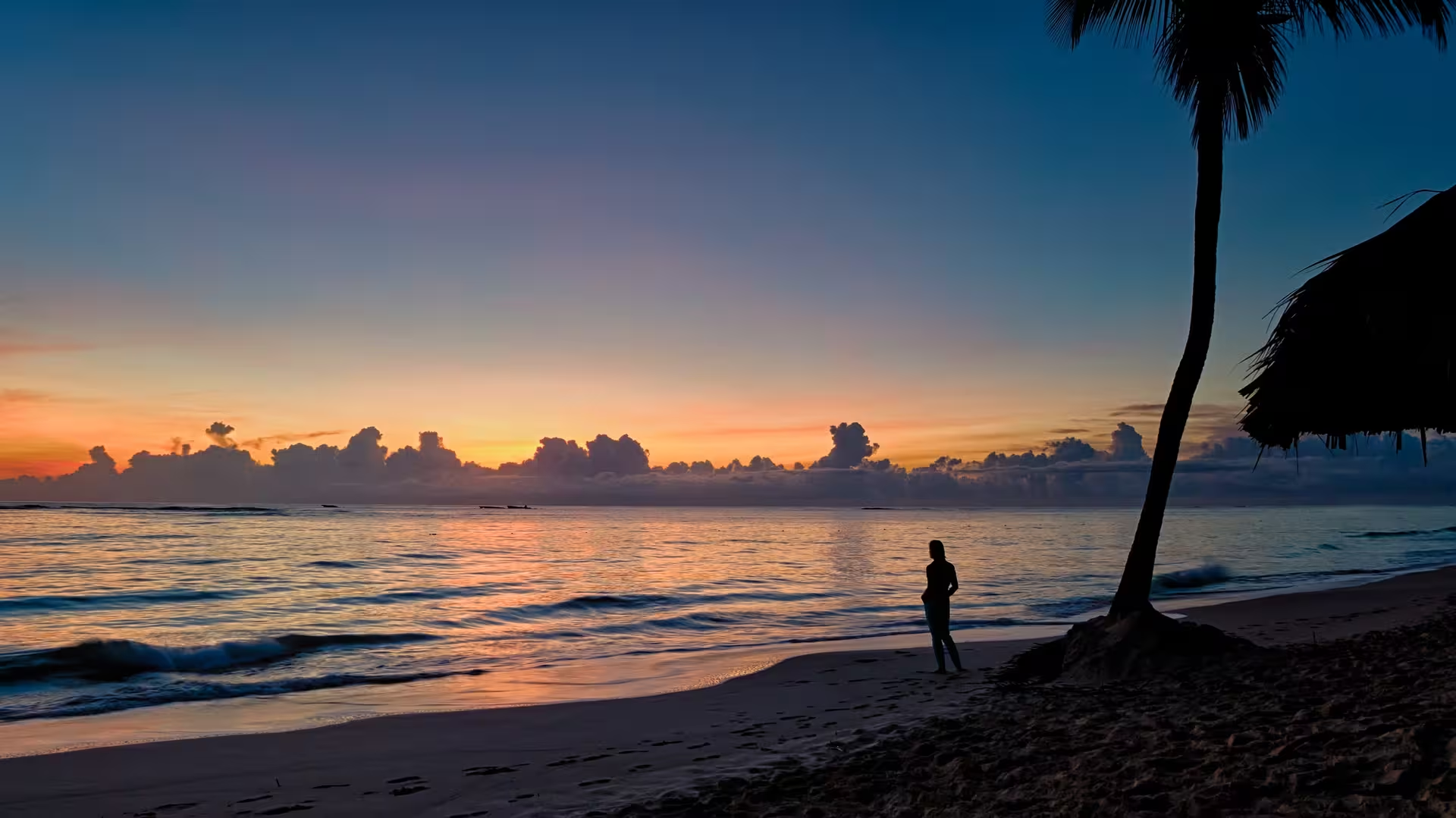
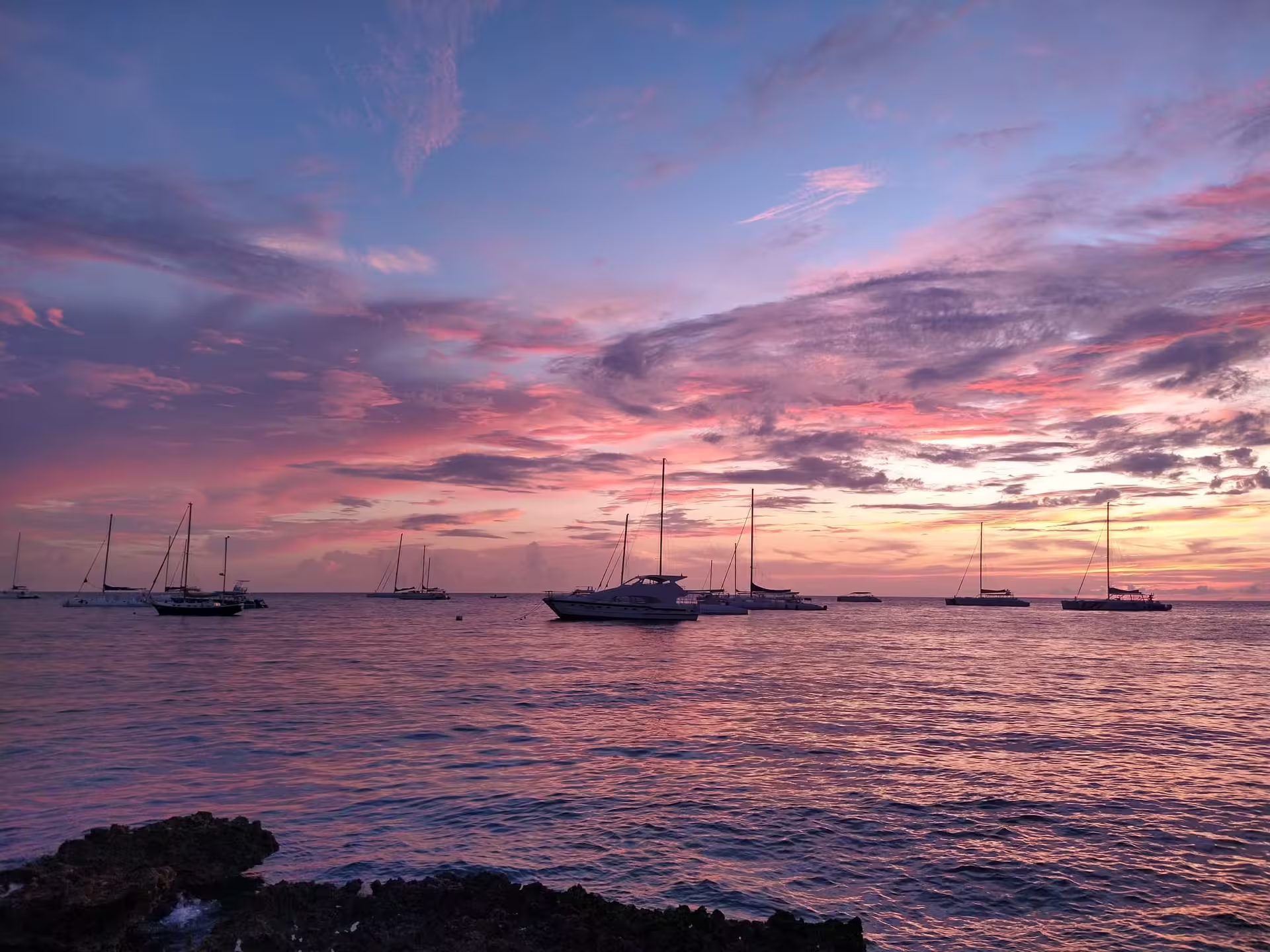
Malecón Waterfront Stroll. The seaside boulevard is where you feel the capital’s coastal identity, with open views and a social, after-work energy. It is ideal for a reset between museums and meals. Practical tip, go near sunset for softer light and a more relaxed pace.
Local Food Crawl. Eating across neighborhoods gives you a fast read on the city’s personality, from casual Dominican plates to modern dining rooms. It is also one of the easiest ways to support local businesses. Practical tip, choose one area per meal to reduce transit time and keep your schedule flexible.
City Museums and Cultural Stops. Museums and cultural venues help you add meaning to the architecture and street scenes, especially if you are visiting for the first time. They are also a good midday option when the sun feels strongest. Practical tip, pair one museum with a nearby café so you can cool down and regroup.
Neighborhood Café Time. A short café break can be the difference between rushing and savoring, especially in a city that rewards observation. Use it to people-watch, plan your next stop, and recharge. Practical tip, sit where you can see the street, and keep valuables close.
Shopping for Crafts and Souvenirs. Browsing local goods is a practical way to bring home something meaningful while learning what the Dominican Republic produces and values. It also helps you practice friendly bargaining where appropriate. Practical tip, compare a few stalls before buying, and ask about materials and origin.
Nightlife and Live Music. Even a low-key evening out can reveal the city’s social heartbeat, with music and conversation shaping the mood. This is where National District often feels most alive. Practical tip, plan your ride home in advance, especially if you are out late.
Urban Parks and Green Breaks. Parks offer a calmer counterpoint to traffic and sightseeing, and they are useful for families or anyone pacing a multi-day trip. They also make good morning stops before the city warms up. Practical tip, bring water and a light layer for shade-to-sun transitions.
Start with a focused walk through the Colonial Zone to capture the city’s historic core while the streets are still relatively calm. Break for a Dominican lunch, then shift to a cultural stop, such as a museum, to add context and slow the pace. In the late afternoon, head to the Malecón for ocean views, then finish with dinner in a neighborhood known for dining so you can end the day on a high note.
Day one, anchor your trip in the Colonial Zone and nearby cultural stops, then add an evening along the waterfront to understand the city’s coastal identity. Day two, explore modern districts at a slower tempo, mixing cafés, shopping, and a longer meal so you experience how locals spend a typical day. If you have a third day, keep it flexible for parks, additional museums, or a short escape beyond the center, then return for a final dinner and an easy night out.
La Bandera. A classic Dominican plate that feels like a complete meal, built around familiar comfort and everyday balance. Ordering tip, ask what the day’s version includes, since sides can vary by kitchen.
Mangu. A beloved staple with a soft, hearty texture that works well for breakfast or a casual meal. Ordering tip, pair it with a simple protein option if you want something filling for a long walking day.
Sancocho. A slow-cooked stew experience, rich and satisfying, especially when you want something grounding after lots of sightseeing. Ordering tip, consider sharing if you are sampling multiple dishes in one sitting.
Tostones. Crisp, savory bites that are easy to add to almost any meal and ideal for sharing. Ordering tip, request a dipping sauce if it is offered, it can change the flavor profile significantly.
Fresh Juices. A refreshing way to handle warm weather while trying local fruit flavors. Ordering tip, ask for less sugar if you prefer a brighter, fruit-forward taste.
Dominican Coffee. A small ritual that fits naturally into museum days, shopping afternoons, and early starts. Ordering tip, try it mid-morning when you want a boost without sacrificing lunch appetite.
Getting around National District is easiest when you plan by zones rather than trying to crisscross the city repeatedly. Walking works well in compact areas like the Colonial Zone, where the experience is as much about the streets as the sights. For longer distances, consider ride-sharing or taxis to reduce time and heat exposure, especially during midday. Keep basic safety habits in mind, stay aware of your surroundings, avoid flashing valuables, and choose well-lit routes at night.
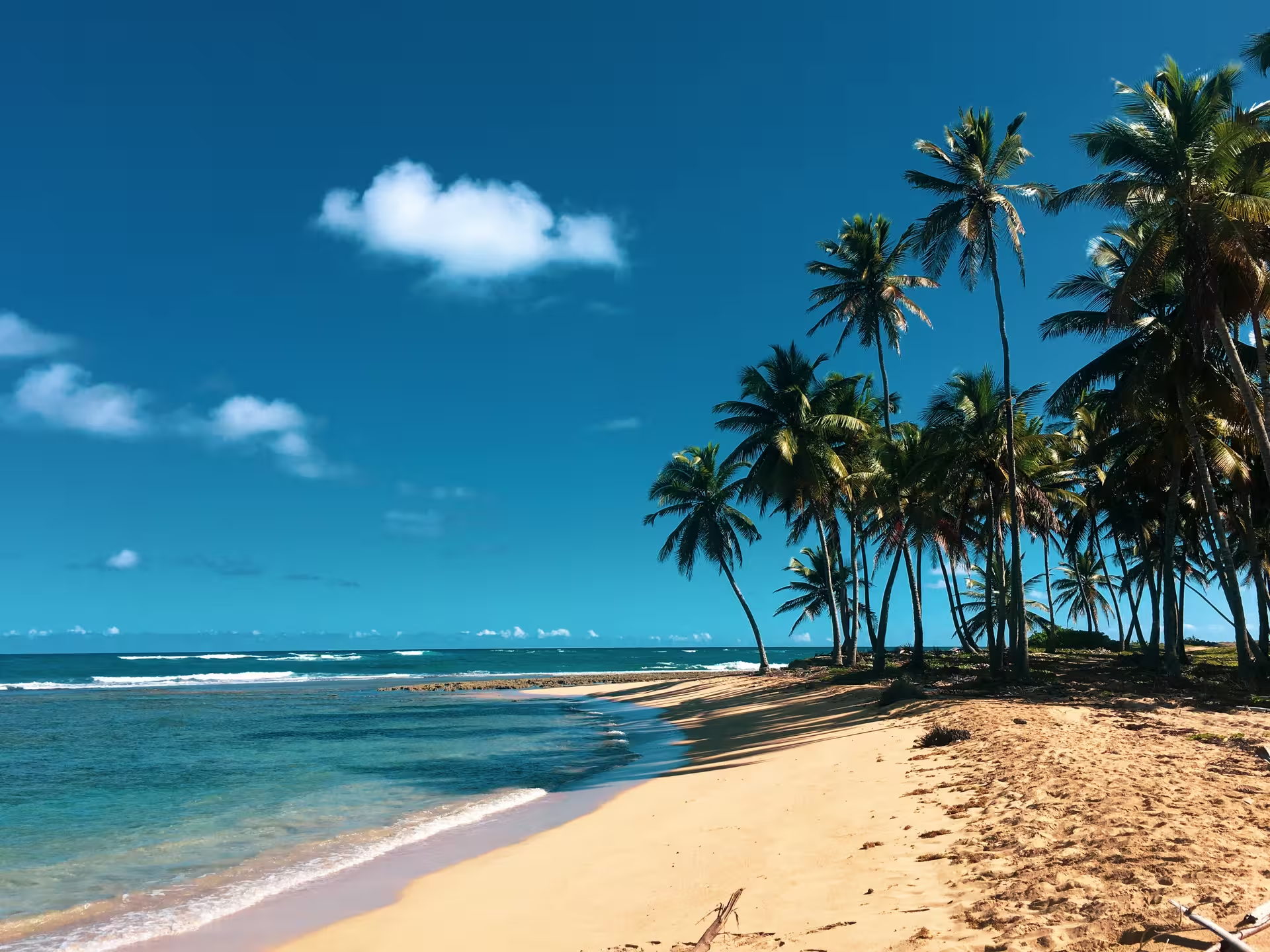
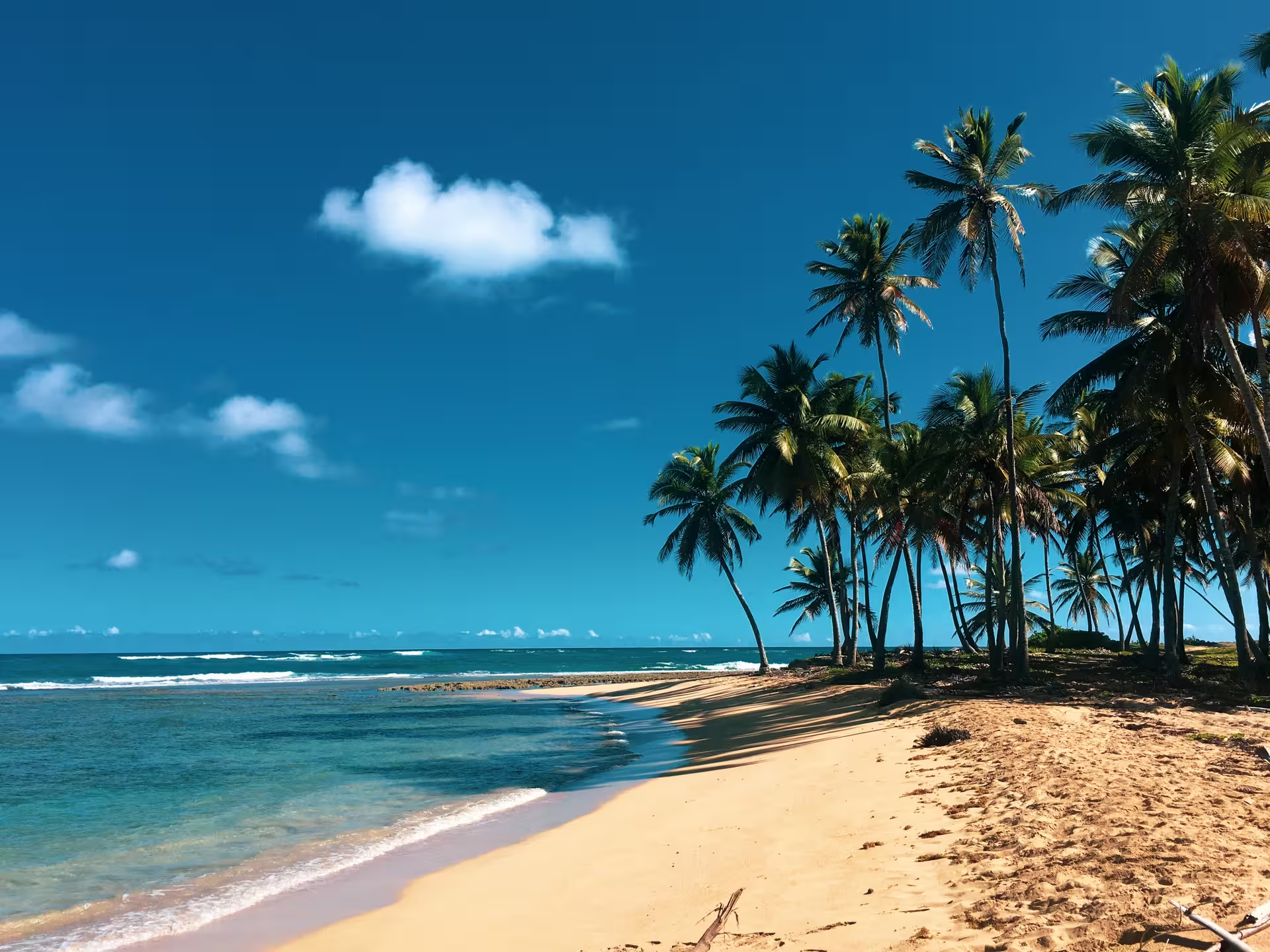
Beach Escape on the South Coast. A day by the water is the simplest contrast to city sightseeing, trading streets for sea air. Travel time depends on the specific beach you choose, so plan your departure early. Primary reason to visit, relaxed downtime and a change of scenery.
Mountain and Countryside Views. Heading inland can deliver cooler air and a different Dominican landscape than the capital coastline. Travel time varies by route and destination, so keep your schedule realistic. Primary reason to visit, nature-focused breaks and scenic drives.
Nearby Historic Towns. Smaller towns can add depth to your understanding of the Dominican Republic beyond the capital’s pace. Travel time depends on where you go, and road conditions can affect returns. Primary reason to visit, cultural context and a slower rhythm.
Rivers and Natural Swimming Spots. If you want an active day, nature areas can be a refreshing alternative to museums and shopping. Travel time varies, and conditions can change with weather. Primary reason to visit, outdoor relief and a more adventurous itinerary.
Is National District good for a short trip?
Yes, it is well-suited to a one to three day visit because many highlights cluster in a few key areas. Plan by neighborhood so you spend more time exploring and less time transferring.
What is the easiest way to get around National District?
Walking works best in compact areas like the Colonial Zone, while taxis or ride-sharing are practical for longer distances. Organize your day by zones to avoid unnecessary back-and-forth.
When is the best time of day for sightseeing?
Mornings and late afternoons are often more comfortable for outdoor walking and photography. Midday is a good window for museums, cafés, and longer lunches.
Should I carry cash or use a card?
A mix is best, cards are useful in many restaurants and hotels, while cash helps with small purchases and tips. Keep small bills handy and store the rest securely.
What area should first-time visitors prioritize in National District?
Start with the Colonial Zone to get a strong sense of history and atmosphere in a walkable setting. Then add the Malecón for a coastal perspective and an easy sunset stroll.