
Explore Tours

Build your dream
experience

More to know about Canakkale Province
Canakkale Province Travel Guide
Snapshot
Canakkale Province is one of Turkey's most historically significant and geographically diverse regions, straddling the narrow Dardanelles strait that separates Europe from Asia. This storied land is home to the ancient ruins of Troy, the solemn battlefields of Gallipoli, and the natural wonder of Bozcaada island. Few destinations in the world can claim such a layered blend of myth, war history, and Aegean beauty.
Geography and Logistics
Orientation
Canakkale Province sits at the northwestern tip of Anatolia, bordered by the Aegean Sea to the west and the Sea of Marmara to the north. The provincial capital, Canakkale city, serves as the main hub and sits directly on the Dardanelles. The province encompasses both the European shore (Gelibolu Peninsula) and the Asian shore, making it uniquely transcontinental.
When to Go
Spring (April to June) and autumn (September to October) are the best times to visit, offering mild temperatures and fewer crowds. April 25 (Anzac Day) draws large numbers of visitors to Gallipoli, so book accommodation months in advance if you plan to attend. Summers are hot and busy, especially on Bozcaada and Gokceada islands. Winters are quiet and cool, ideal for budget travellers seeking solitude.
Budget and Currency
Turkey uses the Turkish Lira (TRY). Canakkale is generally more affordable than Istanbul or the southern Aegean resorts. Budget travellers can manage comfortably on 500 to 800 TRY per day, while mid-range options sit between 1,500 and 3,000 TRY per day including accommodation, meals, and entry fees. ATMs are widely available in the city centre, and major hotels accept credit cards.
Essential Things to Do
Ancient City of Troy (Truva)
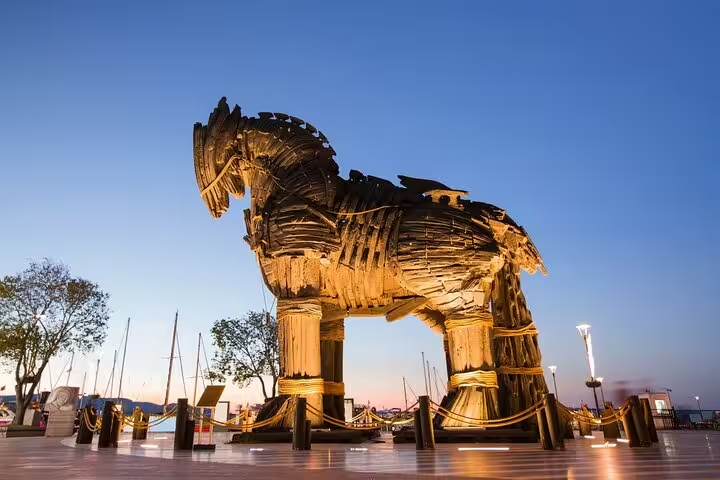
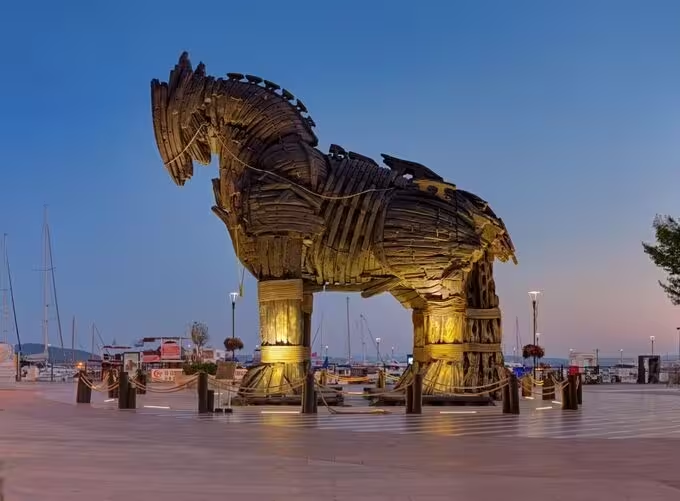
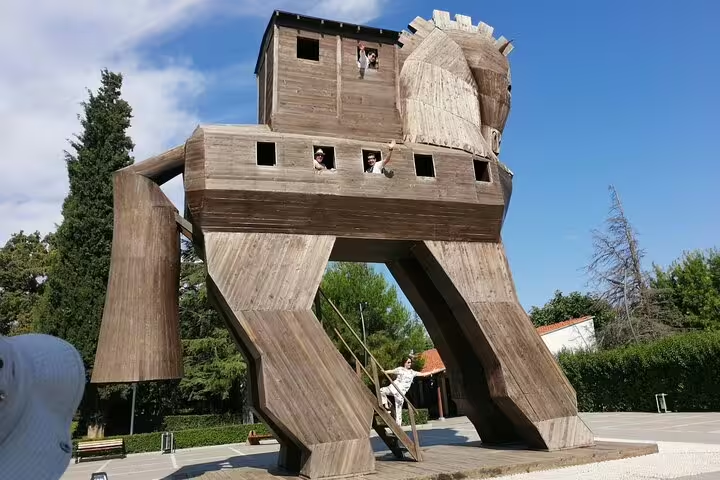
The legendary city of Troy is the province's most iconic archaeological site, with ruins spanning multiple civilisations dating back over 4,000 years. The UNESCO World Heritage Site features reconstructed walls, the famous wooden horse replica, and a modern museum that contextualises the layers of history. Walking through the excavation trenches gives a visceral sense of how civilisations literally built upon one another here. Practical Tip: Visit early morning to beat tour groups and enjoy the site in golden light.
Gallipoli Peninsula Historic Site
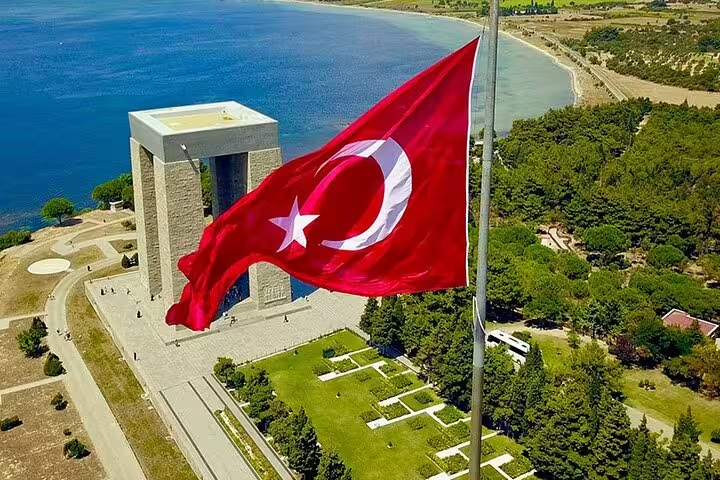
The Gallipoli battlefields are among the most moving war memorials in the world, commemorating the 1915 Dardanelles Campaign that claimed hundreds of thousands of lives from multiple nations. Key sites include Chunuk Bair, Lone Pine Cemetery, and the Kabatepe Museum. The landscape itself, with its forested ridges and quiet coves, adds to the profound atmosphere. Practical Tip: Hire a licensed guide; self-navigating the peninsula can be disorienting and you will miss crucial context.
Bozcaada (Tenedos) Island
Bozcaada is a small Aegean island off the province's western coast, famous for its Venetian-Ottoman castle, vineyard estates, and charming cobblestone village. The island produces some of Turkey's finest wines, particularly from the Karalahna and Cavus grape varieties. White-washed houses with colourful window frames line the Greek quarter, creating a picturesque scene that feels worlds away from the mainland. Practical Tip: Book ferries and accommodation well in advance during July and August, as the island fills quickly.
Gokceada (Imbros) Island
Turkey's largest island sits near the entrance of the Dardanelles and offers wild, largely undeveloped landscapes including volcanic beaches, olive groves, and traditional villages. Gokceada is a favourite among surfers, divers, and those seeking authentic Turkish island life without the tourist gloss. The old Greek village of Tepeköy is a hauntingly beautiful ghost town slowly being repopulated by artists and boutique hotel owners. Practical Tip: Rent a scooter or car on the island as public transport is very limited.
Canakkale City Waterfront
The provincial capital offers a lively harbour promenade lined with cafes, fish restaurants, and the iconic clock tower. The Cimenlik Castle, sitting directly on the strait, houses a naval museum with replica Ottoman cannons used during the Dardanelles battles. The city has a strong student population from its university, giving it a youthful, energetic atmosphere especially in the evenings. Practical Tip: The waterfront is best enjoyed at sunset when the Dardanelles shimmer with the colours of dusk.
Assos (Behramkale)
The ancient city of Assos, perched on a volcanic hilltop overlooking the Gulf of Edremit, was once home to Aristotle and attracts both history enthusiasts and landscape lovers. The Temple of Athena at the summit offers sweeping views across the Aegean to the Greek island of Lesbos. The harbour village below has excellent seafood restaurants and boutique stone hotels. Practical Tip: Combine Assos with a stop at the nearby olive oil village of Yesilkoy for a half-day excursion.
Troy Museum
Opened in 2018 adjacent to the archaeological site, the Troy Museum is one of Turkey's finest modern museums, displaying artefacts spanning all nine layers of Trojan civilisation. Interactive exhibits and thoughtfully curated galleries make the history accessible to all ages. Allow at least two hours to do it justice. Practical Tip: The museum cafe has surprisingly good food and a shaded terrace overlooking the surrounding plains.
Curated Itineraries
The Highlights (1 Day)
Start your morning at the Troy archaeological site and Troy Museum, spending two to three hours exploring the ruins and exhibits. After lunch in Canakkale city at a waterfront restaurant, visit Cimenlik Castle and stroll the harbour promenade. In the late afternoon, take a short ferry crossing over the Dardanelles for the unique experience of moving between continents. End the evening with fresh seafood and a glass of local wine.
Deep Dive (2 to 3 Days)
Day one follows the highlights itinerary above. On day two, take a guided tour of the Gallipoli Peninsula, visiting the major memorials, cemeteries, and the Kabatepe Museum. This will occupy the full day and is an emotionally significant experience. On day three, take the morning ferry to Bozcaada island, explore the castle and Greek quarter in the afternoon, and visit one of the island's wineries for a tasting before catching the evening ferry back. If time allows, add Assos as a half-day extension.
Flavors of Canakkale Province
Ezine Peyniri (Ezine Cheese): A Protected Designation of Origin white cheese produced in the Ezine district, made from a blend of sheep, goat, and cow milk. It has a creamy, slightly tangy flavour and is best enjoyed with fresh bread and olives at breakfast.
Kumru: A popular Turkish sandwich using a distinctive oval sesame roll, filled with sucuk (spiced sausage), kashar cheese, tomato, and pickles. Canakkale's waterfront cafes serve excellent versions as a casual lunch or snack.
Bozcaada Wine: The island's boutique wineries produce red and white wines from indigenous grape varieties. Try Corvus, Amadeus, or Talay wineries for tastings. The wines pair beautifully with local seafood and mezes.
Midye Dolma (Stuffed Mussels): A beloved street food sold from carts along the Canakkale waterfront, featuring mussels stuffed with seasoned rice, pine nuts, and currants. Squeeze lemon over each shell before eating.
Hamsi (Black Sea Anchovy): Though anchovy is more associated with the Black Sea, it appears frequently on Canakkale menus during autumn and winter. Pan-fried hamsi with cornmeal is a regional comfort food.
Olive Oil Dishes: The Assos and Ayvacik areas produce exceptional cold-pressed olive oil. Local mezehaneler (meze restaurants) serve a rotating selection of vegetable dishes cooked in olive oil, known as zeytinyagli, which are served at room temperature as starters.
Navigation and Transport
Canakkale city is reachable by bus from Istanbul in approximately five hours, with frequent departures from the Esenler bus terminal. There is no direct train service to Canakkale. Ferries cross the Dardanelles regularly between Canakkale city and Eceabat (for Gallipoli access) as well as between Gelibolu and Lapseki. Dolmus (shared minibuses) connect the city to Troy, Assos, and nearby villages. Car rental is highly recommended for flexible exploration of the peninsula and coastal villages. Island ferries to Bozcaada and Gokceada depart from Yukyeri Iskelesi and Kabatepe respectively.
Beyond the Center: Day Trips
Ayvacik and the Kaz Mountains (Mount Ida): The forested slopes of Kaz Daglari, known in antiquity as Mount Ida, sit to the south and offer excellent trekking, thermal springs, and mythological significance as the vantage point from which Zeus watched the Trojan War. The town of Ayvacik is also a centre for traditional hand-woven carpets.
Gelibolu (Gallipoli Town): The European-side town of Gelibolu is a charming fishing port with a Crusader-era castle and a strong cultural identity. It is less visited than the battlefields and offers a quieter, more local atmosphere.
Lapseki and Biga: The inland districts offer agricultural landscapes, Ottoman-era mosques, and authentic Turkish provincial life away from tourist circuits. Biga's weekly market is a vivid and authentic local experience.
Insider Tips for Travellers
- Book Gallipoli guided tours through reputable operators based in Canakkale city rather than through Istanbul agencies to support local businesses and get more personalised service.
- The Dardanelles ferry crossing is free for pedestrians and cyclists, making it an easy and inexpensive way to experience the strait.
- Ezine cheese and Bozcaada wine make excellent edible souvenirs and are available at the Canakkale city market.
- If visiting on Anzac Day, attend the Dawn Service at Anzac Cove for an extraordinarily moving experience, but arrange transport and accommodation far in advance.
- Many restaurants in smaller villages do not accept credit cards; carry sufficient cash, especially when visiting Gokceada or rural areas.
- English signage is good at Troy and Gallipoli sites but limited in smaller towns; learning a few basic Turkish phrases goes a long way.
- Sunscreen and water are essential for summer visits; the Gallipoli and Troy sites offer very little shade.
Frequently Asked Questions
- How do I get to Canakkale from Istanbul?
- The most common route is by bus, taking approximately five hours from Istanbul's Esenler bus terminal, with multiple daily departures. Alternatively, some travellers drive via the Osmangazi Bridge over the Gulf of Izmit, which reduces travel time slightly. There is no direct train connection.
- Is Gallipoli part of Canakkale Province?
- Yes, the Gallipoli Peninsula and its historic battlefields fall within Canakkale Province, on the European side of the Dardanelles. The town of Eceabat is the main gateway to the battlefield sites and is reached by a short ferry crossing from Canakkale city.
- What is the best time of year to visit Troy?
- Spring and early autumn are ideal for visiting Troy, with comfortable temperatures and manageable crowds. Summer can be very hot and exposed at the open-air site. April is particularly atmospheric given the regional significance of the Anzac commemorations nearby.
- Can I visit Bozcaada as a day trip?
- Yes, Bozcaada is accessible as a day trip from Canakkale city, though an overnight stay is highly recommended to fully experience the island's relaxed atmosphere, wineries, and evening ambiance. The ferry journey takes approximately 35 minutes from Yukyeri Iskelesi.
- What languages are spoken in Canakkale Province?
- Turkish is the primary language throughout Canakkale Province. English is spoken at major tourist sites such as Troy and Gallipoli, and in hotels and restaurants catering to international visitors. In smaller villages and on Gokceada island, Turkish is almost exclusively spoken.
Canakkale Province is located in northwestern Turkey, straddling the Dardanelles strait that separates Europe from Asia. It borders the Aegean Sea to the west, the Sea of Marmara to the north, and the provinces of Balikesir to the south and Tekirdag to the northeast. The province encompasses notable geographic features including the Gallipoli Peninsula, the Kaz Mountains (Mount Ida), and the Aegean islands of Bozcaada and Gokceada. It is a UNESCO World Heritage-listed region due to the ancient city of Troy. The provincial capital, Canakkale city, sits at a strategic point on the strait and serves as the main transport and cultural hub for the region.
Historical Region, Aegean Turkey, War Memorial Destination, Archaeological Site, Island Escape, UNESCO Heritage, Multi-Day Destination