Explore Tours

Build your dream
experience
More to know about Hakkari Province
Hakkari Province Travel Guide
Snapshot
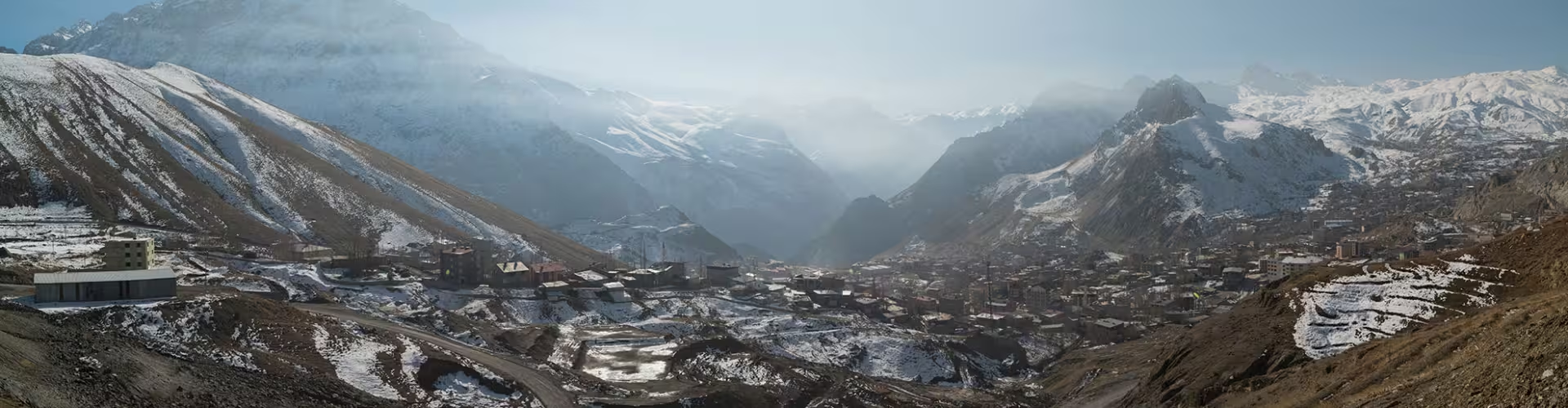
Hakkari Province is one of Turkey's most remote and breathtaking destinations, tucked into the far southeastern corner of the country along the borders of Iraq and Iran. Towering peaks, glacial valleys, and ancient Kurdish culture converge here in a landscape that feels entirely untouched by mass tourism. This is a destination for the adventurous traveler seeking raw natural beauty and genuine cultural immersion.
Geography and Logistics
Orientation
Hakkari sits at the convergence of the Zagros Mountain range, with elevations regularly exceeding 4,000 meters. The provincial capital, also called Hakkari, serves as the main hub for exploring the surrounding valleys, rivers, and highland villages. The region borders Iraq to the south and Iran to the east, giving it a unique cross-cultural atmosphere found nowhere else in Turkey.
When to Go
The best time to visit is between June and September, when mountain passes are accessible and the alpine meadows are in full bloom. Winters are severe, with heavy snowfall often cutting off remote villages entirely. Spring brings dramatic snowmelt and rushing rivers, which can be spectacular but also limits road access in certain areas.
Budget and Currency
Turkey uses the Turkish Lira (TRY). Hakkari is one of the more affordable provinces in Turkey, with modest guesthouses, local eateries, and transport options available at low cost. ATMs exist in the city center, but carrying cash is strongly recommended when venturing into rural areas, as card infrastructure outside the city is limited.
Essential Things to Do
Cilo-Sat Mountains: The Cilo-Sat range is the crown jewel of the region, home to Resko Peak which rises to approximately 4,135 meters. Trekking through these mountains offers glacier crossings, pristine alpine lakes, and panoramic views that rival anywhere in the Middle East. The area is a haven for serious mountaineers and wilderness hikers alike. Practical Tip: Hire a local guide from Hakkari city, as trails are unmarked and conditions can change rapidly.
Zap River: The Zap River carves dramatic gorges through the province and offers some of the most scenic river landscapes in eastern Turkey. Fishermen and nature lovers gather along its banks, and the surrounding cliffs are home to diverse bird species. The river valley also contains small villages where traditional life continues largely unchanged. Practical Tip: Visit in late spring for the most dramatic water levels, but exercise caution near the banks.
Sat Lakes: A cluster of high-altitude glacial lakes nestled within the Cilo-Sat massif, the Sat Lakes are a reward for those willing to make the multi-day trek. The water is a vivid turquoise color surrounded by snow-capped ridges, creating scenery of extraordinary beauty. Few tourists ever reach these lakes, making the experience feel entirely personal. Practical Tip: Only attempt this trek between July and August when snow coverage is minimal.
Hakkari City Bazaar: The bustling bazaar in the city center offers an authentic window into daily Kurdish life. Spices, textiles, handmade crafts, and fresh produce fill the narrow lanes, creating a vibrant sensory experience. It is one of the best places to interact with locals and observe the rhythms of a traditional market town. Practical Tip: Visit on weekday mornings for the freshest produce and most active trading.
Nehri Village and Surroundings: Located near the Iraqi border, Nehri and its surrounding villages preserve age-old architectural traditions, with stone houses blending seamlessly into the rocky hillsides. The village is associated with historical Kurdish tribal culture and offers insight into the social structure of the region. Walking between villages on ancient mule tracks is a memorable way to explore the landscape. Practical Tip: Always seek permission before photographing local residents out of respect for cultural norms.
Varegoz Plateau: This high-altitude plateau bursts into color during summer months, with wildflowers carpeting the meadows and nomadic families setting up seasonal camps. The plateau is used for transhumance, the practice of moving livestock to higher pastures in summer, a tradition that has persisted for centuries. Spending time here offers a rare glimpse into a pastoral way of life. Practical Tip: Bring layers even in summer, as temperatures at altitude can drop sharply after sunset.
Rock Inscriptions and Ancient Ruins: Scattered throughout the province are remnants of ancient civilizations including Urartian rock carvings and medieval fortifications. These sites are rarely visited and often located in dramatic natural settings, adding a layer of archaeological intrigue to the landscape. Local guides can direct visitors to lesser-known sites not found in standard travel guides. Practical Tip: Combine a ruins visit with a scenic drive for maximum efficiency.
Curated Itineraries
The Highlights (1 Day)
Begin the morning at the Hakkari city bazaar to pick up supplies and soak in local atmosphere. Head out to the Zap River valley for a midday riverside walk with stunning gorge views. In the afternoon, take a scenic drive toward the foothills of the Cilo-Sat range for panoramic mountain vistas. End the day with a traditional meal at a local restaurant in the city center.
Deep Dive (2 to 3 Days)
Day one focuses on the city and its immediate surroundings, including the bazaar, nearby villages, and the Zap River. Day two is dedicated to a guided trek into the Cilo-Sat foothills, ideally reaching a highland plateau for an overnight camp. Day three involves exploring more remote valleys, visiting ancient ruins, and descending through scenic terrain back to the city. This itinerary requires a local guide and proper trekking equipment.
Flavors of Hakkari Province
Meftune: A hearty stew made with lamb, bulgur wheat, and local herbs, meftune is considered a staple of the regional Kurdish kitchen. It is slow-cooked and deeply flavorful, ideal for warming up after a day in the mountains. Look for it in small family-run restaurants throughout the city.
Kavut: A simple dish of roasted flour mixed with butter and sometimes honey, kavut is a traditional Kurdish comfort food often eaten at breakfast or as a snack. It reflects the resourcefulness of mountain communities where ingredients are limited. Ask guesthouse hosts if they prepare it, as it is rarely found in formal restaurants.
Tandir Bread: Baked fresh in clay ovens, the flatbread produced in Hakkari is exceptional in its texture and smoky flavor. It is served with nearly every meal and pairs perfectly with local cheeses and olives. Visit a bakery in the early morning to buy bread straight from the oven.
Kuzu Tandiri: Slow-roasted lamb prepared in a traditional clay oven, this dish is reserved for special occasions and celebrations but can sometimes be found in larger local restaurants. The meat is tender, falling off the bone, and seasoned simply with salt and regional spices. It represents the importance of lamb in the pastoral culture of the region.
Herbal Teas: The mountains of the region produce an abundance of wild herbs including thyme, sage, and mountain mint. Locals brew these into warming teas that are offered as a sign of hospitality. Accepting a cup of tea is an important social gesture when visiting homes or guesthouses.
Ayran: This cold, salted yogurt drink is ubiquitous across Turkey and especially popular in the hot summer months. In Hakkari, it is made with local dairy and has a particularly fresh and creamy character. It is the ideal accompaniment to a spiced meat dish.
Navigation and Transport
Reaching Hakkari requires effort, which is part of what keeps it so unspoiled. The nearest major airport is in Van, approximately 200 kilometers to the north, from which buses and shared minibuses (dolmus) connect to the provincial capital. Roads through the mountains are winding and can be slow, so allocate ample travel time. Within the province, dolmus routes connect main villages, but for remote areas, hiring a local driver or guide with a 4x4 vehicle is the most practical option. Road conditions vary significantly by season, and some routes are impassable in winter.
Beyond the Center: Day Trips
Yuksekova District: Located about 90 kilometers from the city, Yuksekova sits on a high plateau near the Iranian border and offers a markedly different landscape of open grasslands and wetlands. The area is popular with birdwatchers and offers views of distant snow-capped peaks across the border. A day trip here combines scenic driving with exploration of a frontier town atmosphere.
Semdinli: This small district town near the Iraqi border has a reputation for its traditional crafts and a distinctive local character shaped by its geographic isolation. The surrounding valleys contain hidden waterfalls and ancient bridges that reward curious explorers. Semdinli can be reached by minibus from the city, though the journey takes several hours on winding mountain roads.
Uludere Valley: The Uludere Valley is characterized by deep gorges, terraced hillsides, and traditional stone villages perched on dramatic ridgelines. It offers excellent hiking opportunities and a chance to witness agricultural practices that have remained unchanged for generations. The valley is also notable for its diverse flora, with many endemic plant species found nowhere else in Turkey.
Insider Tips for Travellers
- Always carry a physical map or offline map application, as mobile signal is unreliable in mountain areas.
- Respect local customs by dressing modestly, particularly in villages and when visiting any religious sites.
- Inform your accommodation host of your planned routes each day so someone is aware of your movements in remote terrain.
- Start mountain treks early in the morning to avoid afternoon cloud buildup and potential lightning storms at altitude.
- Water from mountain streams is generally clean but carry purification tablets as a precaution.
- Photography of military installations, checkpoints, or border areas is strictly prohibited and can result in serious legal consequences.
- Learn a few basic Kurdish phrases, as they will be warmly received and can open doors to genuine local hospitality.
- Check current travel advisories from your government before planning a trip, as the security situation in the region can fluctuate.
Frequently Asked Questions
- Is it safe to travel to Hakkari Province?
- Safety conditions in Hakkari Province can vary, and travelers should consult up-to-date government travel advisories before visiting. The region has historically had periods of instability, and caution is advised particularly in rural and border areas. Traveling with a reputable local guide significantly improves both safety and the overall experience.
- What is the best time of year to visit?
- June through September is the optimal window for visiting, when mountain roads are open and weather conditions are most favorable for trekking and outdoor activities. Winters are harsh and isolating, making travel difficult and potentially dangerous.
- Do I need a special permit to visit border areas?
- Certain areas close to the Iraqi and Iranian borders may require special permissions from Turkish authorities. It is advisable to check with local officials or your guide before approaching any restricted zones. Permits, when required, are typically arranged through provincial government offices.
- What should I pack for a trip to Hakkari Province?
- Hakkari Province demands preparation for extreme conditions. Pack layered clothing for cold mountain nights, sturdy waterproof hiking boots, sun protection, a first aid kit, and sufficient cash. A reliable offline map and a portable power bank are also essential given the limited infrastructure.
- Are there accommodation options beyond the city?
- Accommodation outside the provincial capital is very limited. A few villages offer basic guesthouses or the possibility of staying with local families, but these arrangements are best made through a local guide. Camping is an option in summer months for those with proper equipment.
Hakkari Province is located in the far southeastern corner of Turkey, bordering Iraq to the south and Iran to the east. It is situated within the Zagros Mountain range, with elevations frequently exceeding 4,000 meters. The provincial capital shares the name Hakkari and serves as the primary logistical base for the region. The area is characterized by a rugged alpine climate, with harsh winters and accessible summers. It is home to a predominantly Kurdish population and represents one of the most culturally and geographically distinct regions in Turkey. The nearest major transport hub is Van, approximately 200 kilometers to the north.
Adventure Travel, Mountain Trekking, Kurdish Culture, Eastern Turkey, Remote Destinations, Nature and Wildlife, Border Region Travel