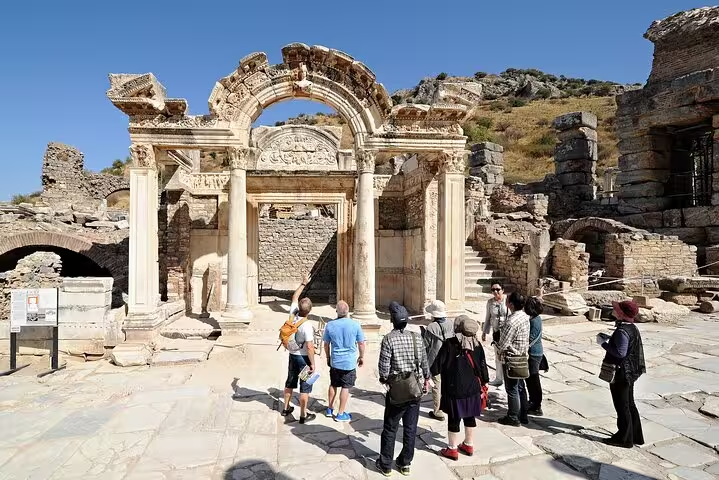
Konya Travel Guide
Konya is a destination defined by spiritual heritage, Seljuk era artistry, and a calm, big sky Central Anatolian rhythm that feels different from Türkiye’s coastal resort circuit. It rewards travelers who like meaningful museums, atmospheric old quarters, and food traditions that are proudly local. Use this guide to plan a smooth, decision-ready trip with clear logistics, standout experiences, and day trips that deepen the story beyond the city center.
Snapshot
Konya blends contemplative culture with a lived-in modern city, where religious history, poetry, and craftsmanship sit alongside busy boulevards and student energy. The signature vibe is reflective and grounded, with landmark museums and sacred spaces that invite slower travel. Go now if you want a less crowded, more authentic urban break in Central Anatolia, plus easy links to nearby landscapes and heritage towns.
🗺️ Geography and Logistics
📍 Orientation: Where is it within Konya Province and Türkiye?
Konya is the central city of Konya Province in Türkiye’s Central Anatolia Region. It works well as a hub for exploring the wider plateau, with straightforward intercity connections to other major Turkish cities. For arrivals, travelers commonly route via major hubs and then continue by domestic connections or overland transport, depending on itinerary and budget.
🕒 When to Go: Seasonal breakdown
Central Anatolia is known for clear seasonal contrasts. Warmer months tend to suit long walking days and outdoor day trips, while cooler months can feel quieter and more contemplative for museums and cultural sites. If you prefer fewer crowds, aim for shoulder seasons and plan your day around comfortable walking hours, with indoor stops during midday heat or winter chill.
💰 Budget & Currency: Practical money tips
Türkiye uses the Turkish Lira, and day-to-day spending in Konya can be good value compared with more tourism-heavy destinations. Carry some cash for small shops, local eateries, and quick purchases, while keeping a card for larger payments and accommodation. A practical approach is to withdraw modest amounts as needed and keep small denominations for taxis, snacks, and tips.
⭐ Essential Things to Do
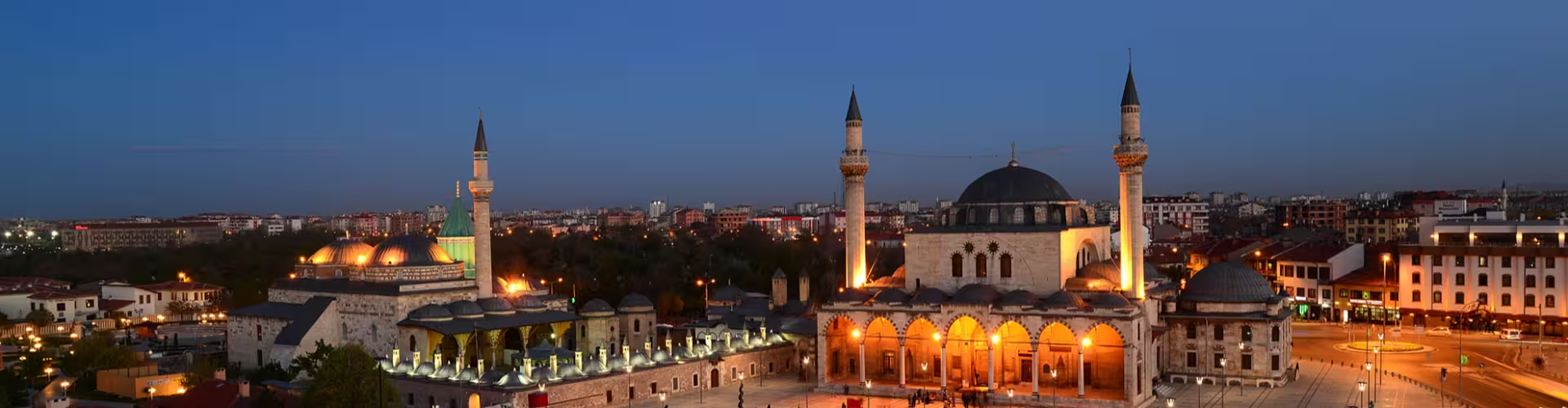
Mevlana Museum. This is the city’s most iconic cultural stop, tied to the legacy of Rumi and the Mevlevi tradition. It helps you understand why Konya holds such spiritual weight in Türkiye. Practical tip, go early for a calmer experience and more time to read exhibits without rushing.
Alaeddin Hill and Alaeddin Mosque. A key historic core area associated with the Seljuk period, it offers a strong sense of the city’s layered past. It is also a natural pause point between museums and central streets. Practical tip, pair it with a short walk to nearby cafés for a relaxed break.
Ince Minare Museum. Known for Seljuk era stonework and architectural detail, it is an essential stop for travelers interested in Anatolian art history. The building itself is part of the experience, not just the collection. Practical tip, bring a phone with storage for close-up photos of carvings and patterns.
Karatay Medrese Museum. This is a strong complement to other Seljuk sites, with an emphasis on craftsmanship and the educational institutions that shaped medieval city life. It adds depth to your understanding of how religion, learning, and art intersected here. Practical tip, visit after a main landmark to slow the pace and absorb details.
Konya Archaeological Museum. A useful context stop that broadens the timeline beyond the city’s better-known medieval and spiritual chapters. It helps connect Central Anatolia’s long settlement history to what you see on the streets today. Practical tip, use it as a midday indoor option if weather makes long walks uncomfortable.
Sille Village. A nearby historic settlement associated with traditional houses and a different, small-community atmosphere. It is ideal when you want a quieter half day that still feels culturally rich. Practical tip, plan a simple loop walk and keep time for tea breaks to enjoy the slower pace.
Konya Tropical Butterfly Garden. A modern, family-friendly stop that adds variety if your itinerary is museum-heavy. It works well for travelers who want a lighter experience or are traveling with kids. Practical tip, schedule it between major cultural sites to reset your energy.
Local bazaars and traditional craft shops. Browsing markets is one of the easiest ways to feel the everyday life of Konya, especially for spices, sweets, and locally made goods. Even without buying, it is a sensory experience. Practical tip, compare prices across a few stalls and keep cash for small purchases.
🚶 Curated Itineraries
⏰ The Highlights (1 Day)
Start with the Mevlana Museum while your energy is high and the galleries feel calmer. Continue to Alaeddin Hill and the surrounding historic core for a sense of the Seljuk city center, then choose one focused museum stop such as Ince Minare or Karatay Medrese to deepen the theme. End with a market stroll and a sit-down dinner built around local specialties, keeping the evening unhurried to match the city’s reflective tone.
⏰ Deep Dive (2-3 Days)
Day one, focus on the spiritual and Seljuk highlights, then add a second museum that complements what you saw rather than repeating the same story. Day two, slow down with neighborhood wandering, local bazaars, and a longer meal, then add Sille Village for a change of pace and architecture. If you have a third day, balance culture with something contemporary like the Konya Tropical Butterfly Garden, then plan a day trip beyond the center to see how the region’s landscapes and towns expand the context.
🍽️ Flavors of Konya
Etli ekmek. Often described as a long, thin flatbread topped with seasoned meat, it is a signature local favorite with a crisp edge and savory profile. Ordering tip, ask for it freshly made and consider sharing if you want room to sample more dishes.
Tirit. A comforting dish built around bread and meat with a rich, warming character that suits cooler days. It is a good choice when you want something filling after long walking. Ordering tip, ask what version the restaurant specializes in, since preparation can vary.
Bamya çorbası. A distinctive soup associated with local tradition, often chosen as a starter. It is a good way to try something you may not see as often elsewhere. Ordering tip, pair it with a simple main so the flavors stay balanced.
Fırın kebabı. A slow-cooked style that emphasizes tenderness and depth of flavor. It is a classic choice when you want a meal that feels rooted in place. Ordering tip, ask if it needs advance ordering, since some slow-cooked items can sell out.
Höşmerim. A sweet option that fits well with tea and a slower afternoon break. It adds a dessert note that feels traditional rather than overly elaborate. Ordering tip, share one portion if you are sampling multiple sweets.
Turkish tea and local café culture. Tea breaks help set the pace in Konya, especially between museum visits. They also offer a window into everyday social life. Ordering tip, choose a café near a historic area so your break doubles as people watching.
🚌 Navigation & Transport
The central areas are walkable for many travelers, especially if you group nearby museums and historic sites into a single route. For longer distances, use city public transport or taxis, depending on your comfort level and timing, and keep small cash for quick rides and small fares. As with any city, keep belongings secure in busy areas, and if accessibility is a priority, plan routes with fewer steep sections and add taxi hops between farther-apart stops.
🌄 Beyond the Center: Day Trips
Sille Village. A short trip from the city that offers a different architectural feel and a slower rhythm. It is ideal for a half day when you want history without a full travel day. Travel time varies by starting point and transport choice.
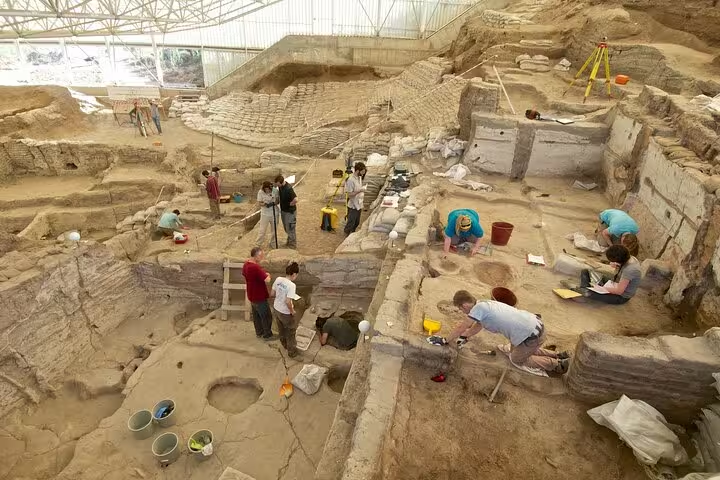
Çatalhöyük. A globally significant Neolithic archaeological site that adds deep-time perspective to the region’s human story. It is a strong choice if you want to complement museum context with a landmark site. Plan transport in advance since the experience is more rewarding when logistics are smooth.
Lake Beyşehir. A nature-focused escape that contrasts with the city’s museum circuit. It suits travelers who want open landscapes and a slower outdoor day. Check conditions and plan layers, as weather can shift across the plateau.
Meram. A green, local leisure area that works well for a lighter outing, especially if you want a break from indoor sites. It is good for relaxed strolling and a change of scenery. Time it for late afternoon when locals also head out.
✅ Insider Tips for Travelers
- Group nearby cultural sites into one walking block to save time and reduce taxi hops.
- Start your top priority museum early, then keep flexible time for slower browsing and tea breaks.
- Carry small cash for markets, quick snacks, and short taxi rides.
- Dress respectfully at religious and spiritual sites, and keep a light layer in your day bag.
- Choose one or two “deep” museums per day, then balance with an outdoor stroll to avoid fatigue.
- If you want a calmer market experience, go earlier in the day and avoid peak evening crowds.
❓ Frequently Asked Questions, FAQ
How many days do I need for Konya?
One day covers the major highlights if you keep a tight route and focus on a few key sites. Two to three days gives you time for museums, markets, and a slower-paced day trip.
What is the best time of year to visit?
Shoulder seasons are often a comfortable balance of manageable weather and lighter crowds. In summer, plan indoor stops during the hottest hours, and in winter, prioritize museums and warm local meals.
Is Konya walkable for sightseeing?
Many central attractions can be combined into a walkable route if you plan by neighborhood. For longer distances, use public transport or taxis to keep your day efficient.
What local food should I try first in Konya?
Start with etli ekmek for a true local signature and an easy introduction to regional flavors. Add a soup like bamya çorbası or a slow-cooked kebab dish if you want a fuller tasting tour.
Can I do day trips without renting a car?
Yes, but it depends on the destination and how much time you want on the ground. For places like Sille Village, simple transport planning is usually enough, while farther sites are easier with pre-arranged transport.