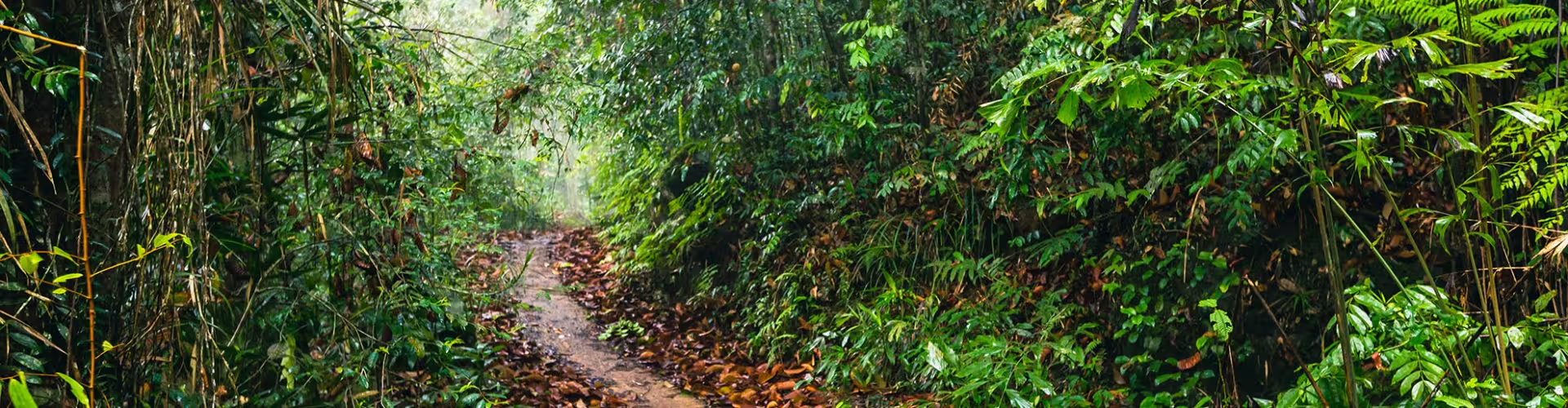
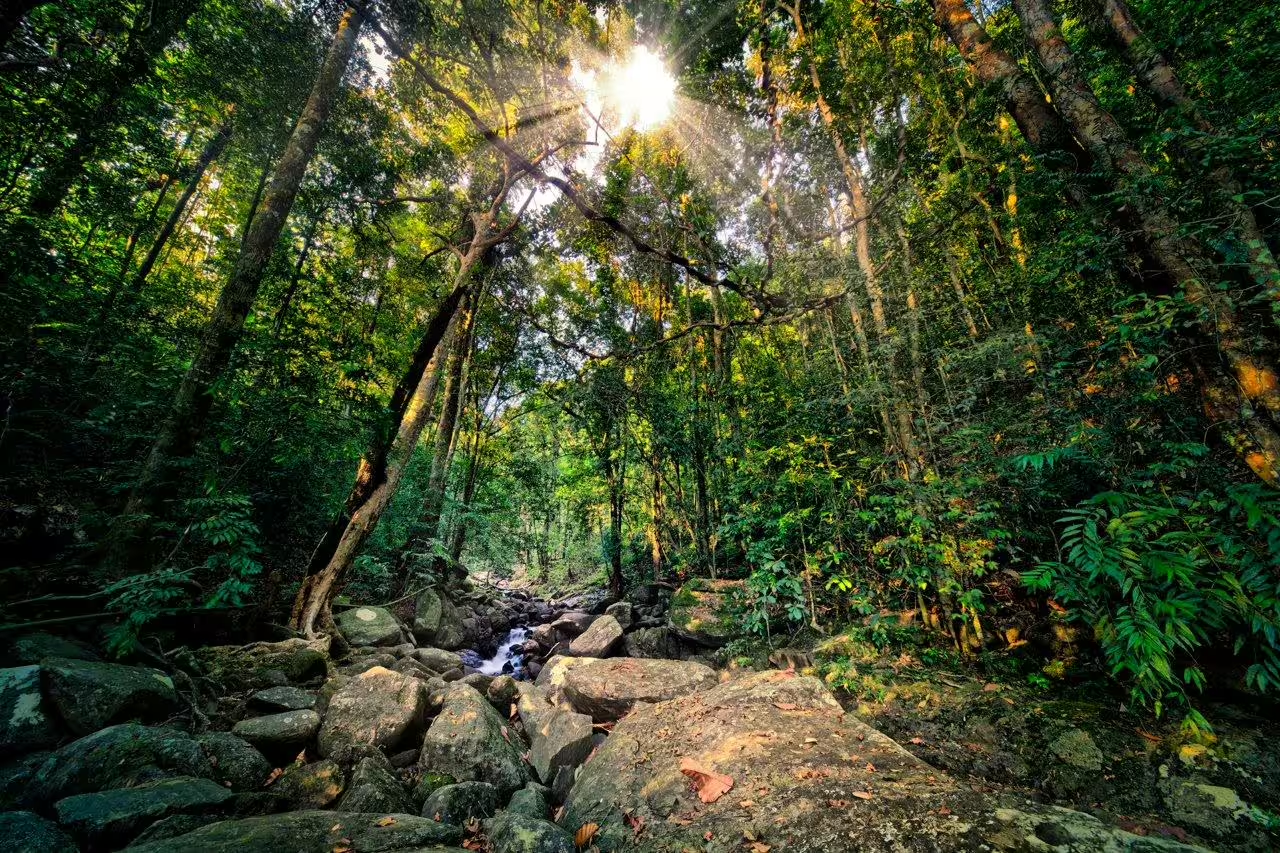
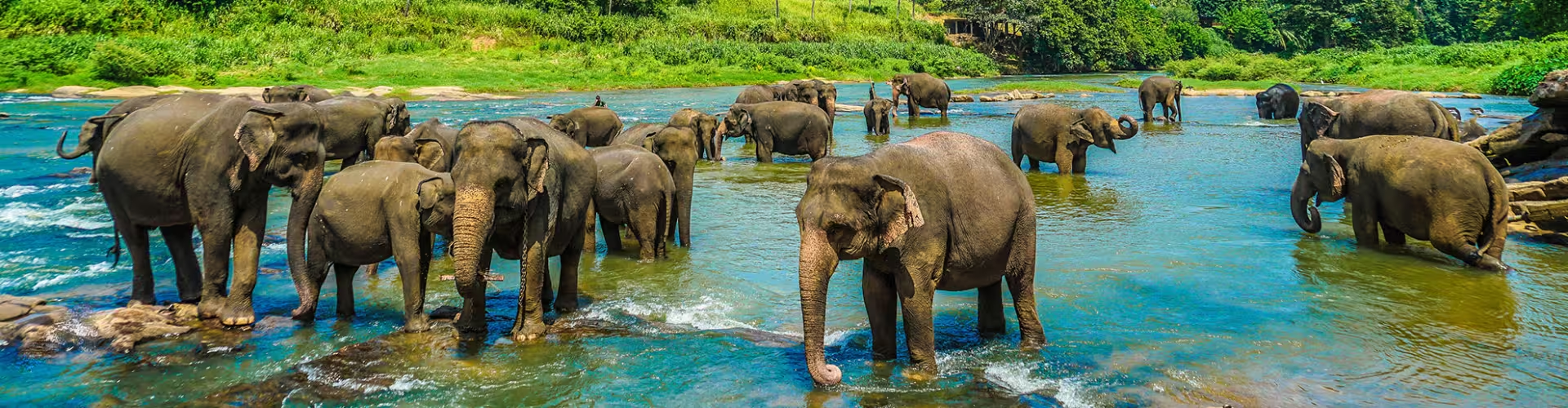
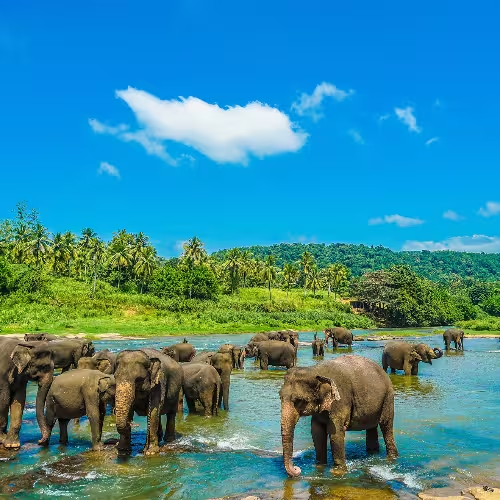
Sinharaja Forest Reserve is one of Sri Lanka's most pristine and biodiverse tropical rainforests, located in the southwestern highlands. This UNESCO World Heritage Site spans across lush valleys and rolling terrain, showcasing the island's rich natural heritage and endemic wildlife found nowhere else on Earth.
What to see in Sinharaja Forest Reserve
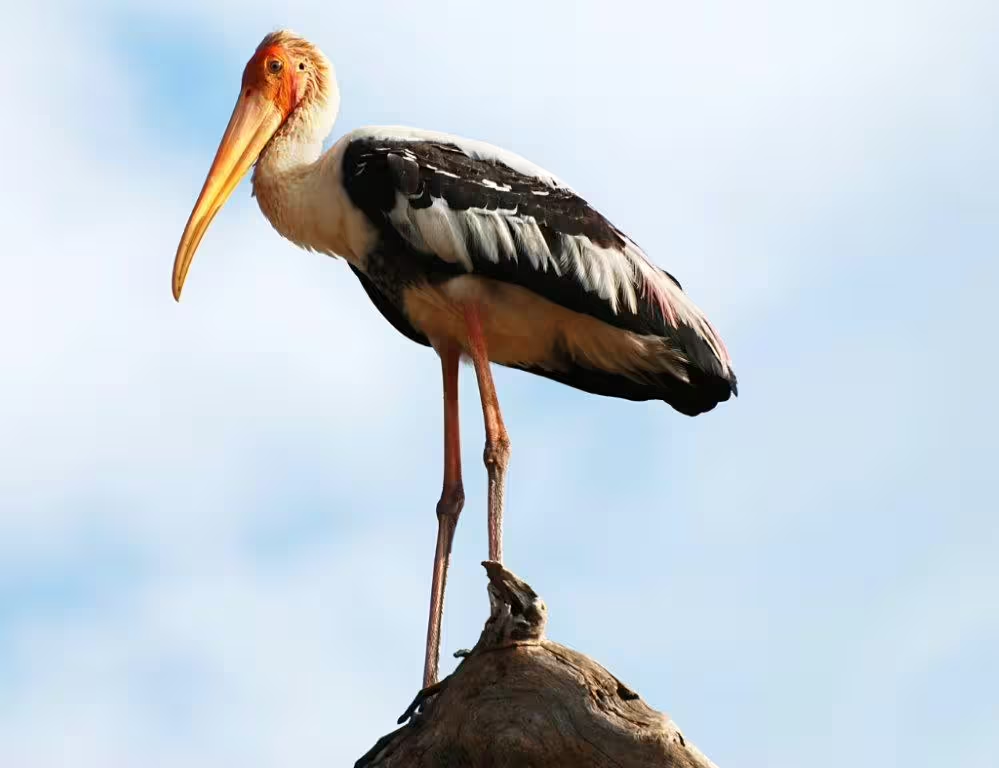
The reserve is home to an extraordinary array of endemic bird species, including the elusive Sri Lanka Blue Magpie and various hornbills. Visitors can observe rare reptiles, amphibians, and mammals while trekking through dense canopy and alongside pristine streams that cascade through the forest floor.
Things to do in Sinharaja Forest Reserve
Guided nature treks form the primary activity, with experienced local guides leading visitors through multiple trail routes suitable for varying fitness levels. Birdwatching expeditions, waterfall visits, and photography tours provide immersive experiences within this protected ecosystem.
Ecological Significance and Conservation
Sinharaja Forest Reserve maintains critical importance as a biodiversity hotspot, protecting over 50 percent of Sri Lanka's endemic species. The reserve's conservation efforts showcase the delicate balance between sustainable tourism and environmental preservation in one of the world's most remarkable rainforest ecosystems.
Sinharaja Forest Reserve is positioned in the southwestern highlands of Sri Lanka, approximately 65 kilometers south of Colombo. The reserve spans across the districts of Sabaragamuwa and Southern provinces, accessible primarily through the towns of Deniyaya and Kotapola. The nearest accommodation and facilities are located in nearby towns, with the forest best visited during the drier months from December to March and July to September.
Sinharaja Forest Reserve serves as a critical ecological research site and environmental education destination. The reserve has gained recognition for pioneering community-based forest management and sustainable ecotourism practices in South Asia, balancing scientific research with responsible visitor experiences and local economic development.