Last updated:


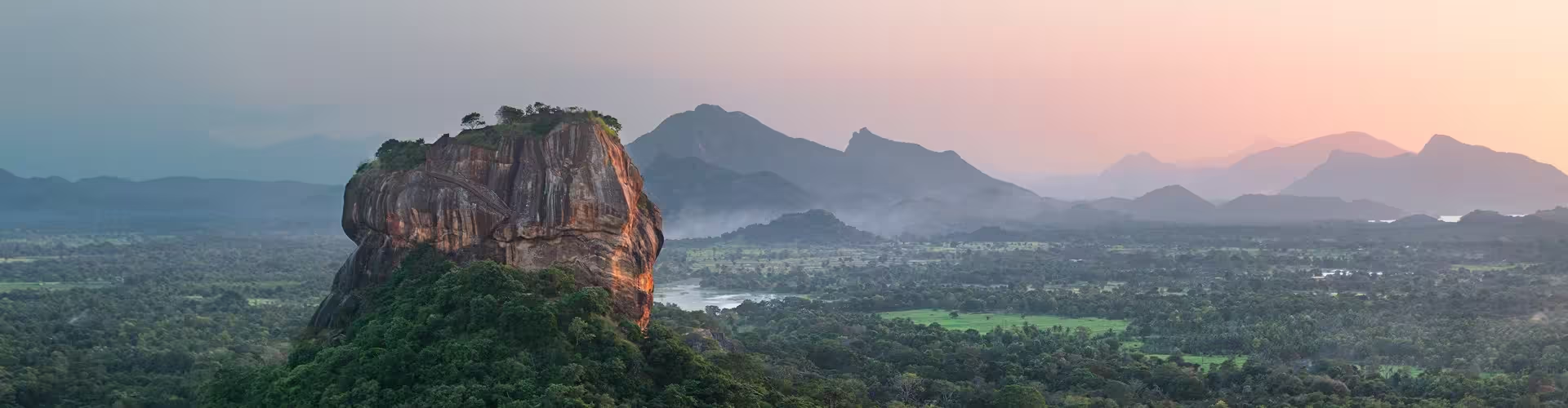
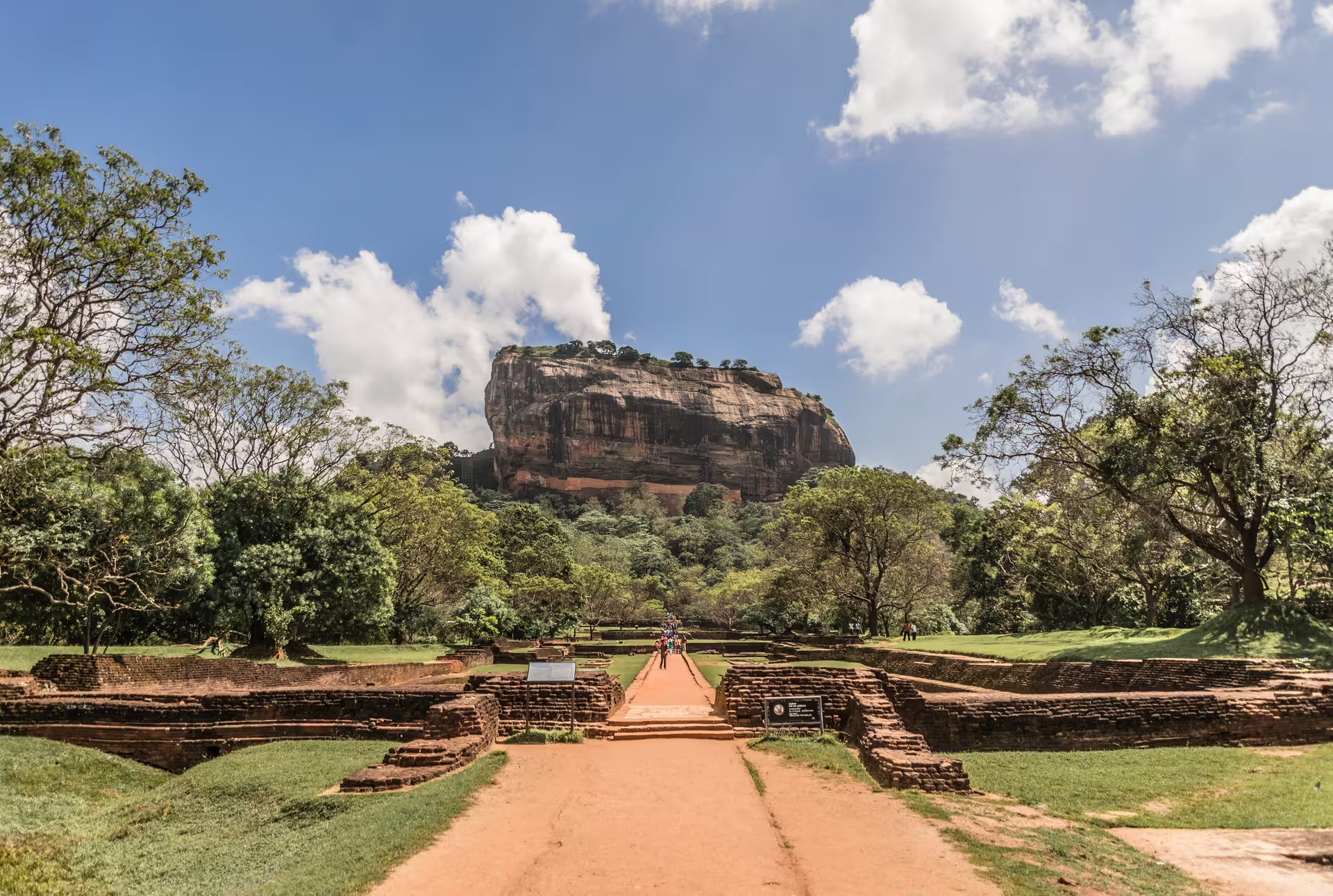
Sigiriya rewards a visit that takes in the gardens and paintings as well as the palace ruins. The palace remains stand on a granite rock about 180 metres high, while gardens, reservoirs and traces of other buildings spread around it. World Heritage recognition followed in 1982.
A visit to Sigiriya should include the palace, gardens and frescoes. The Lion Gate marks a terrace partway up the rock beneath the palace. Below, water gardens connect with cave and boulder gardens and terraces.
The frescoes add a different reason to linger: they resemble paintings at the Ajanta Caves in India, yet their style is generally recognised as distinctly Sri Lankan. The royal and religious histories also sit side by side. Sigiriya was developed into a city and fortress during King Kashyapa’s reign from 477 to 495 CE; Buddhist monastic use continued until about the 14th century.
Allow two days for a visit centred on Sigiriya and Dambulla: spend the first on the rock, gardens and frescoes, and the second at Dambulla Cave Temple. This suggested split gives the paintings and gardens their own attention alongside the palace, before moving to the cave temple.
The private four-day tour of Kandy, Sigiriya and Dambulla includes three nights of accommodation, two in Kandy and one in Sigiriya, plus entry to Sigiriya Rock Fortress, Dambulla Cave Temple and the Royal Botanical Gardens of Peradeniya. It also includes lunches in Kandy and Dambulla and visits to Giragama tea plantation and factory and Matale spice garden.
For a longer itinerary, the private ten-day guided tea trip through Sri Lanka from Colombo includes nine nights of accommodation with daily breakfast, a private air-conditioned vehicle with a driver-guide, and admission and a guided visit to Sigiriya Rock Fortress.
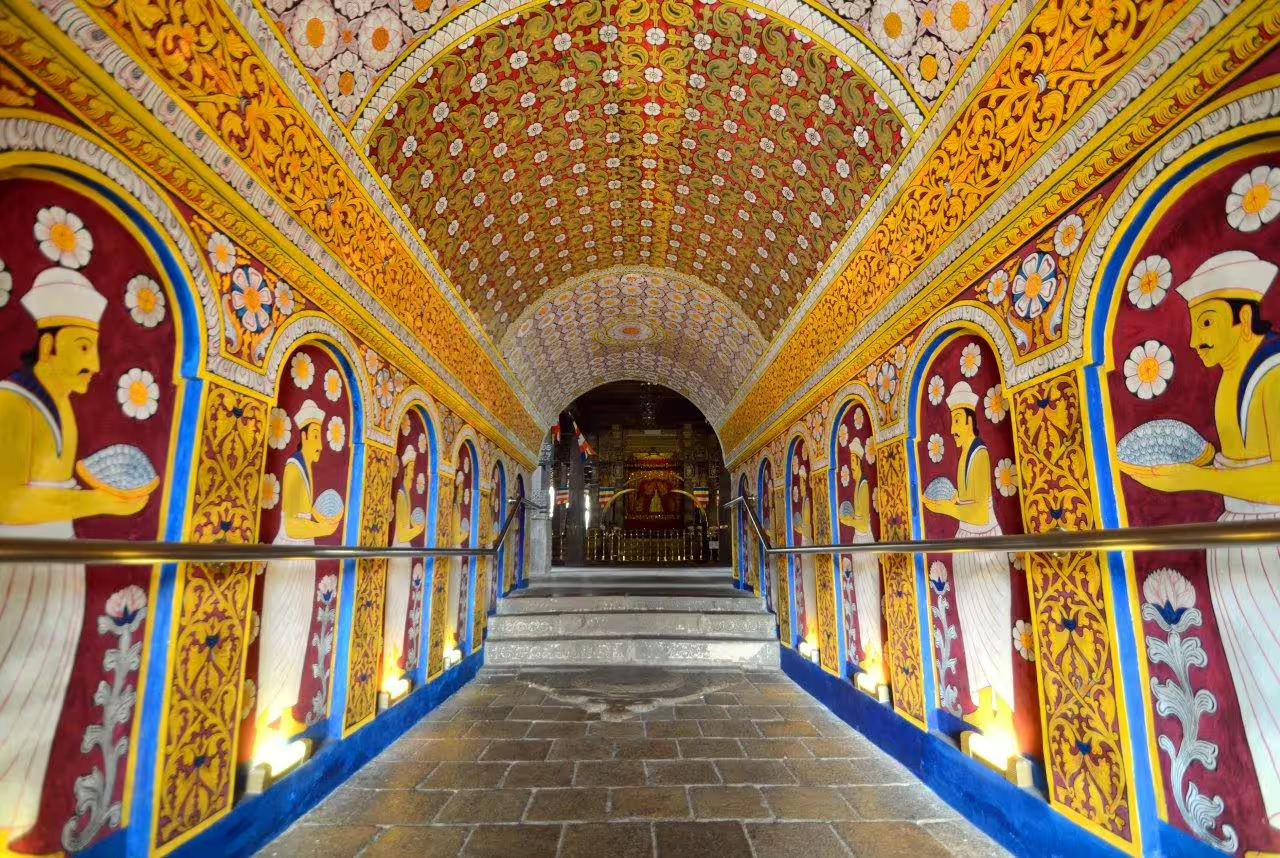
Dambulla fits a trip focused on religious art, while Pidurangala adds another place with an early history. At Dambulla, five differently sized caves contain 153 Buddha statues, three statues of Sri Lankan kings and four of gods and goddesses. Murals cover 2,100 square metres, giving the paintings a substantial role in the visit. Dambulla Golden Temple gained UNESCO World Heritage status in 1991.
Pidurangala Rock is about 1 km north of Sigiriya, and Pidurangala has a history reaching back to the first and second centuries BCE.
An early visit to the rock helps you avoid the heat. Drinks are not sold on the climb itself, so bring drinking water before entering.
July to October suits an itinerary that also focuses on the elephant gathering at Minneriya National Park, which usually peaks in August and September. During the dry season, elephants move from surrounding jungle to grassland beside the Minneriya reservoir.
The regular bus link makes Dambulla an option for reaching Sigiriya independently. The two are about 20 km apart, so the cave temple belongs in a separate part of your itinerary from the rock and gardens.
Two days suit Sigiriya and Dambulla: dedicate the first to the rock, gardens and frescoes, and the second to Dambulla Cave Temple.
Early in the day helps avoid the heat; July to October suits a trip that also focuses on the Minneriya elephant gathering.
A regular bus service links Dambulla and Sigiriya, which are about 20 km apart.
Dambulla Cave Temple adds religious art, while Pidurangala Rock lies about 1 km north of Sigiriya.
One night in Sigiriya and two nights in Kandy are included in the private four-day tour of Kandy, Sigiriya and Dambulla.