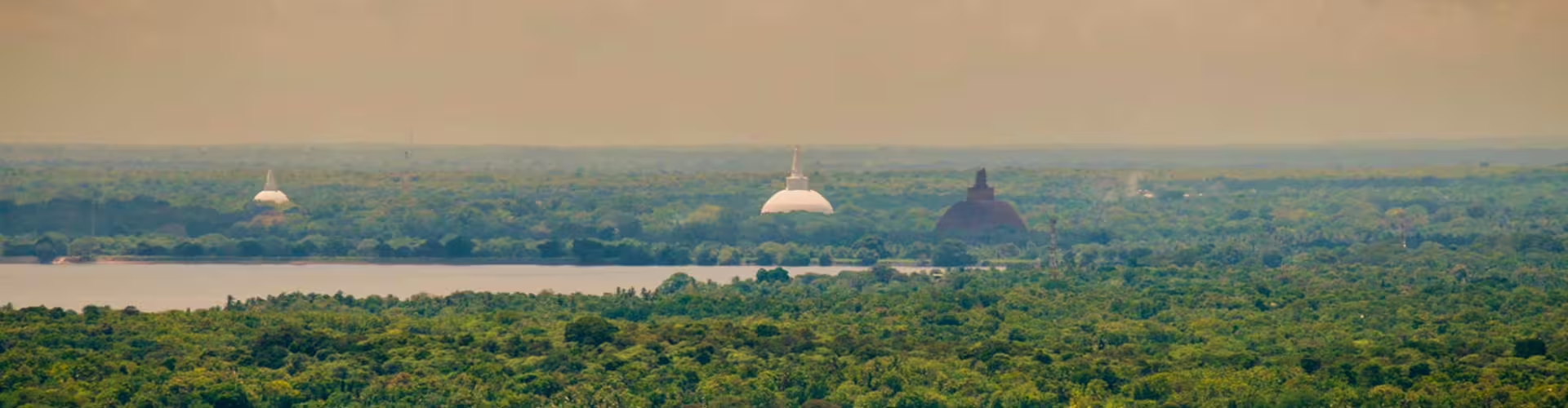
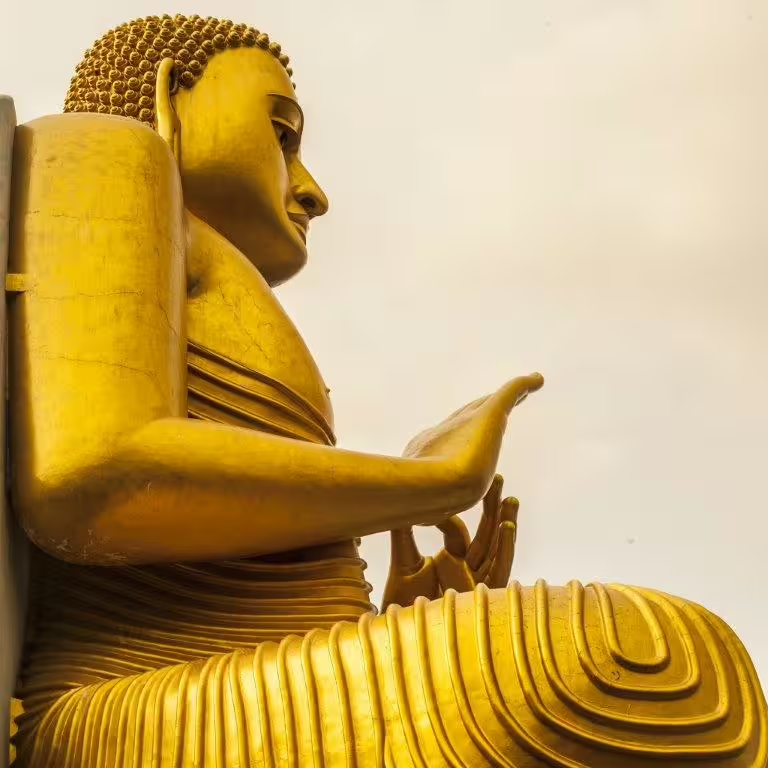
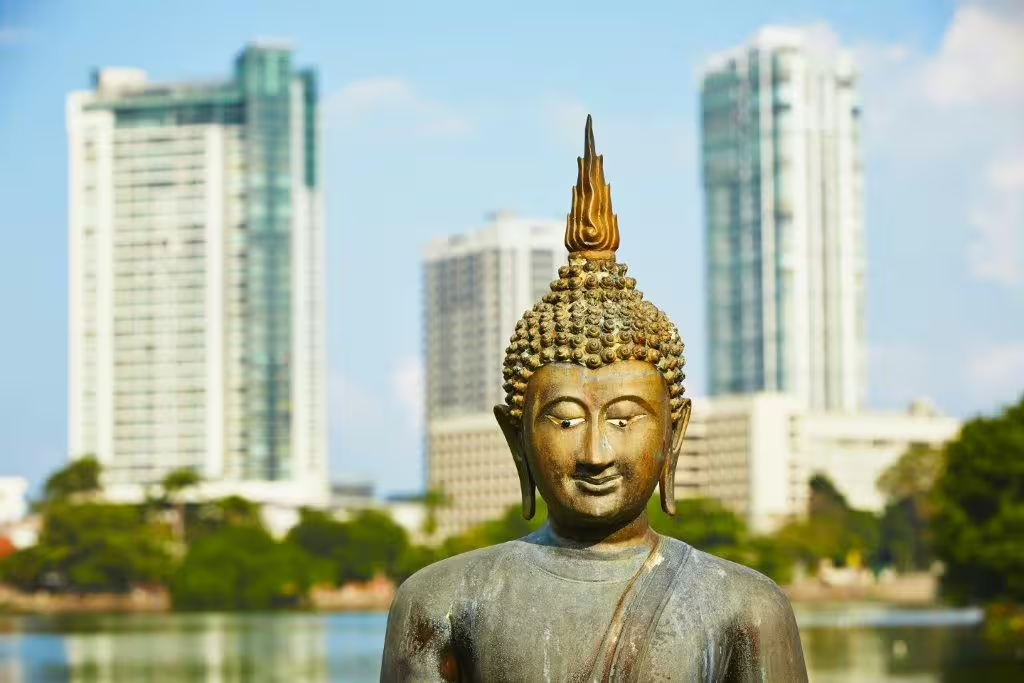
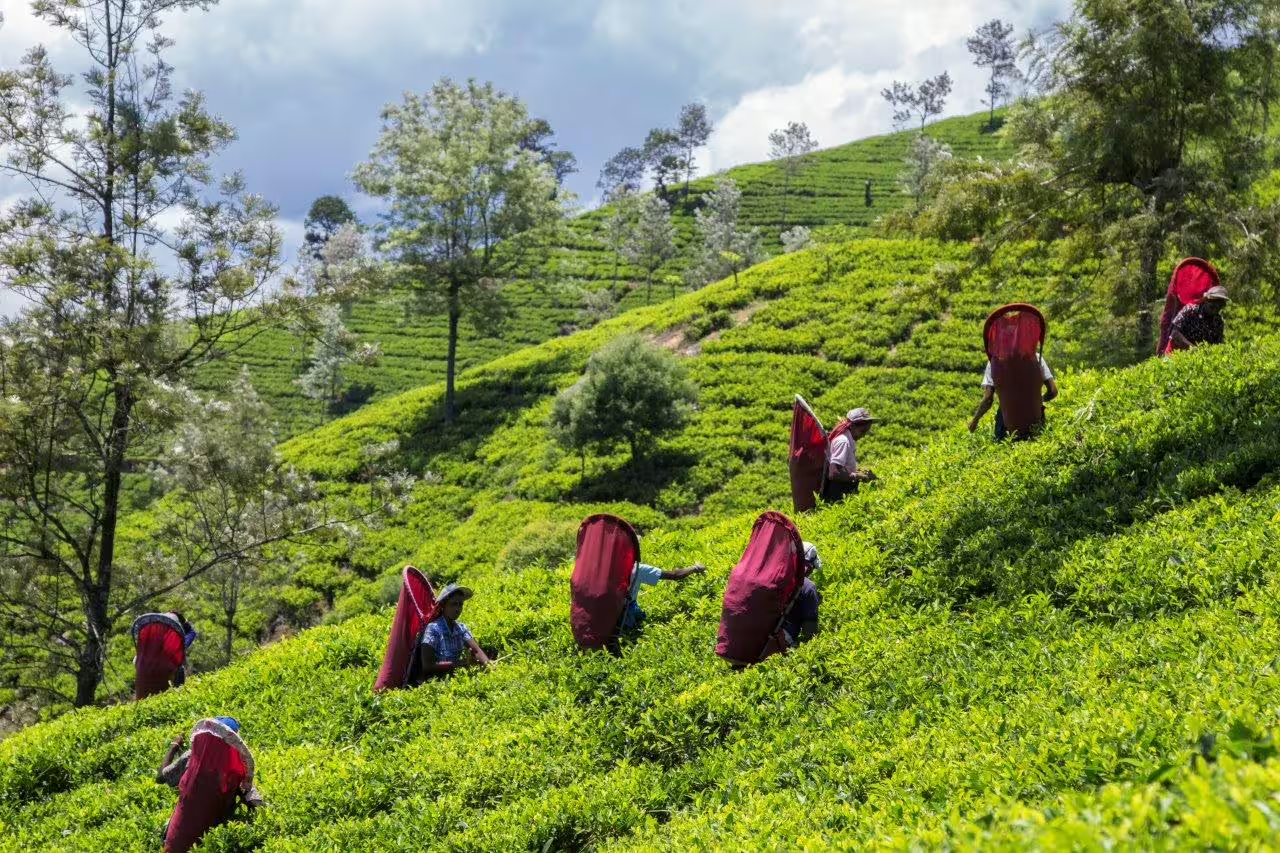
The Central Province of Sri Lanka is a mountainous region in the heart of the island, home to misty peaks, verdant tea plantations, and ancient Buddhist temples. This UNESCO-recognised area encompasses some of Asia's most breathtaking highland scenery, with Kandy as its cultural heart and Nuwara Eliya serving as a charming colonial town.
What to see in Central Province
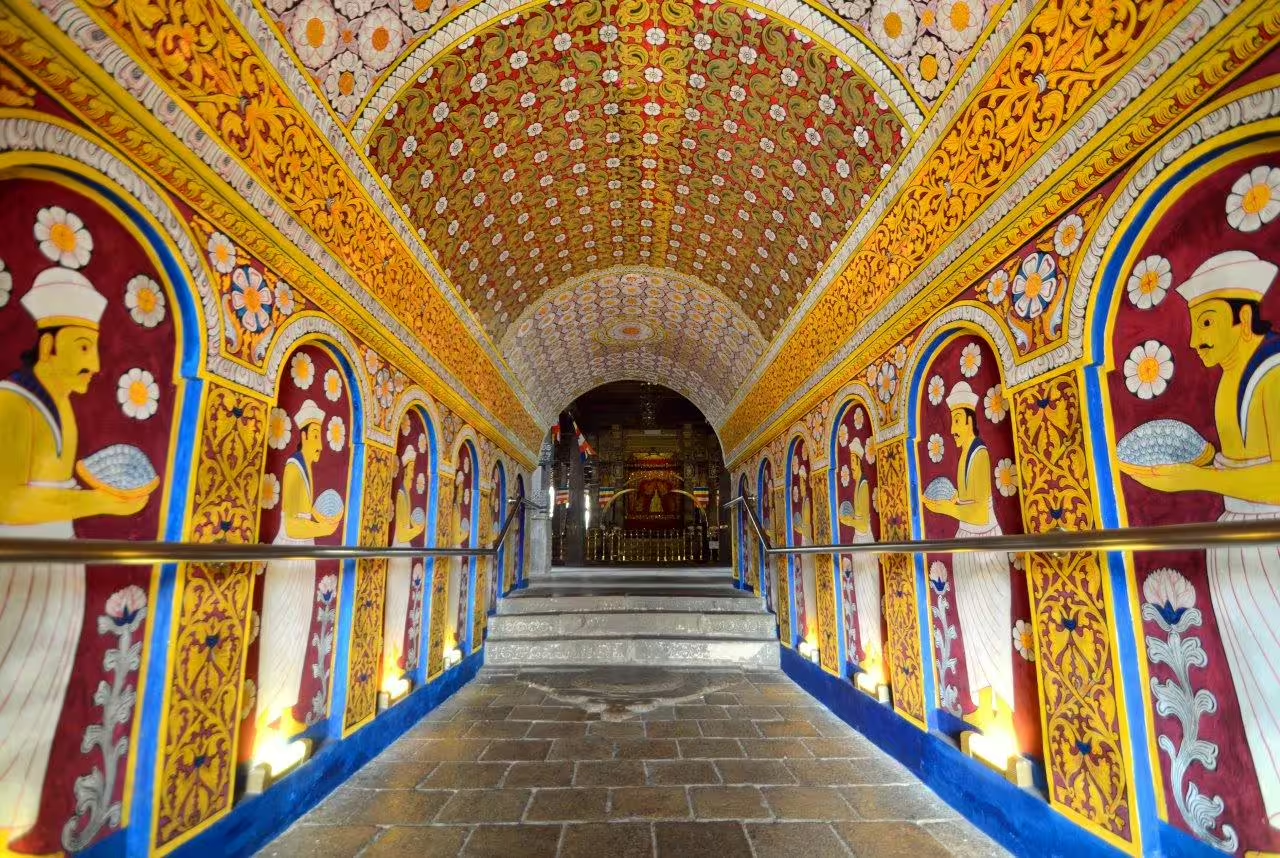
Visitors should not miss the sacred Temple of the Tooth in Kandy, one of Buddhism's most important pilgrimage sites. The Peradeniya Royal Botanical Garden showcases tropical plant collections, while the scenic railway journey through misty valleys offers glimpses of traditional villages and emerald tea gardens that blanket the hills.
Things to do in Central Province
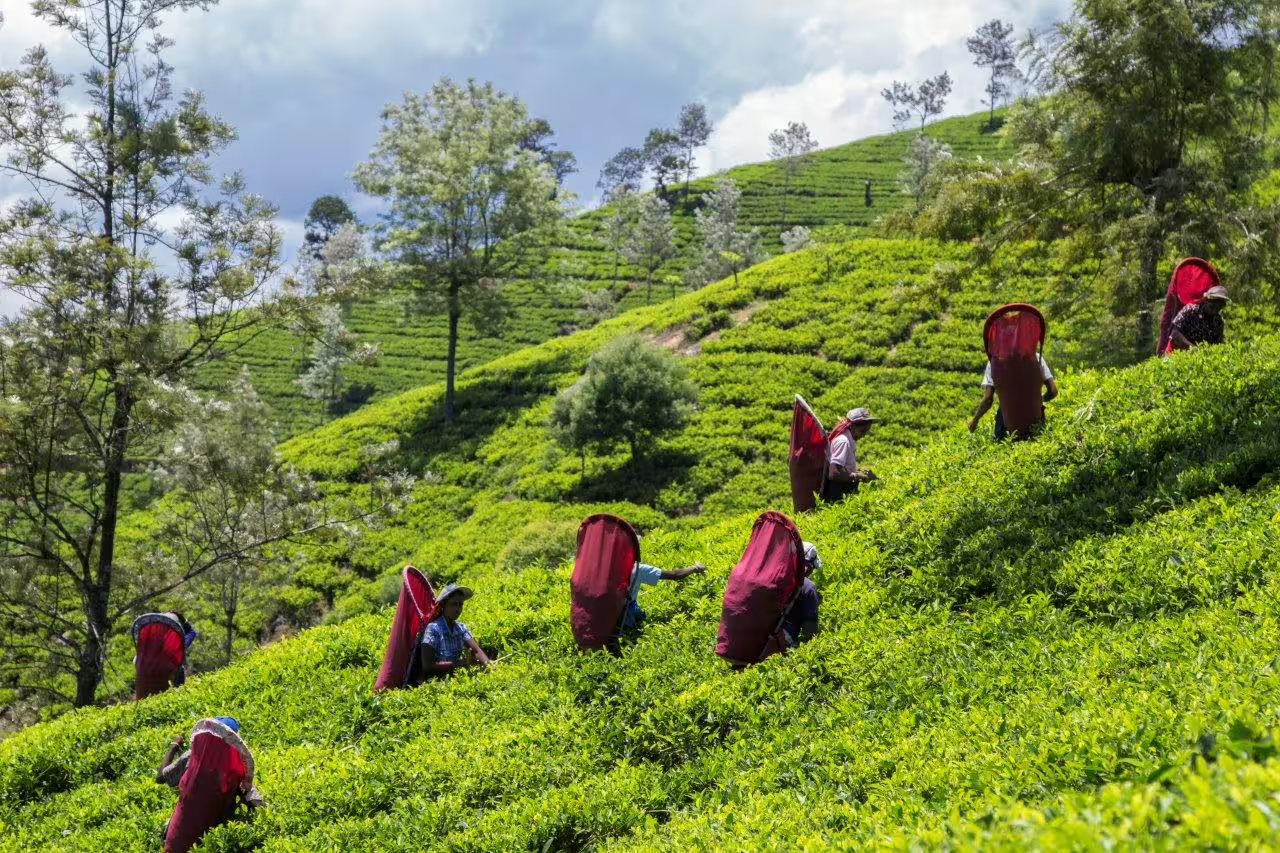
Hiking to Adam's Peak rewards trekkers with panoramic sunrise views and cultural significance respected across multiple faiths. Day trips to working tea estates provide hands-on experiences with Sri Lanka's famous tea production, while guided nature walks explore cloud forests and local wildlife in protected reserves.
Colonial Heritage and Tea Culture
The Central Province preserves Sri Lanka's colonial past through Victorian-era buildings and hill station towns like Nuwara Eliya. The region's tea industry, established during British rule, remains central to local life and offers visitors opportunities to sample world-renowned Ceylon tea at its source.
Central Province is the mountainous heartland of Sri Lanka, located in the south-central region of the island. It encompasses the major cities of Kandy and Nuwara Eliya, with elevations ranging from 500 to over 2,200 meters. The province experiences cooler temperatures and higher rainfall than lowland areas, creating ideal conditions for tea cultivation and diverse ecosystems.
Central Province is known for its role as the cultural and spiritual centre of Sri Lanka, housing significant Buddhist heritage sites and serving as the former capital of ancient kingdoms. The region is internationally recognized for Ceylon tea production, colonial-era architecture, and natural biodiversity.