Sigiriya: rock tours, history and Dambulla
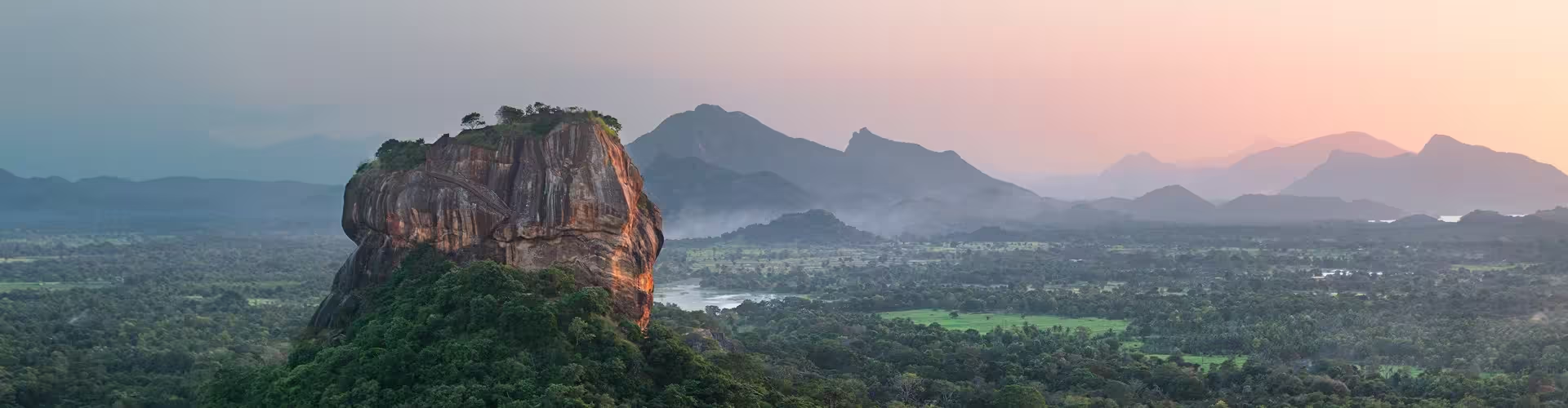
Sigiriya gained World Heritage Site status in 1982. Its palace survives as ruins at the summit of a rock that rises about 180 metres above the surrounding plain.
Sigiriya rock tours
Around the rock are surviving traces of gardens, reservoirs and other structures, forming an extensive network. The Lion Gate dominates a terrace partway up the rock beneath the palace. The gardens have three connected forms: gardens based around water, gardens with caves and boulders, and gardens arranged on terraces.
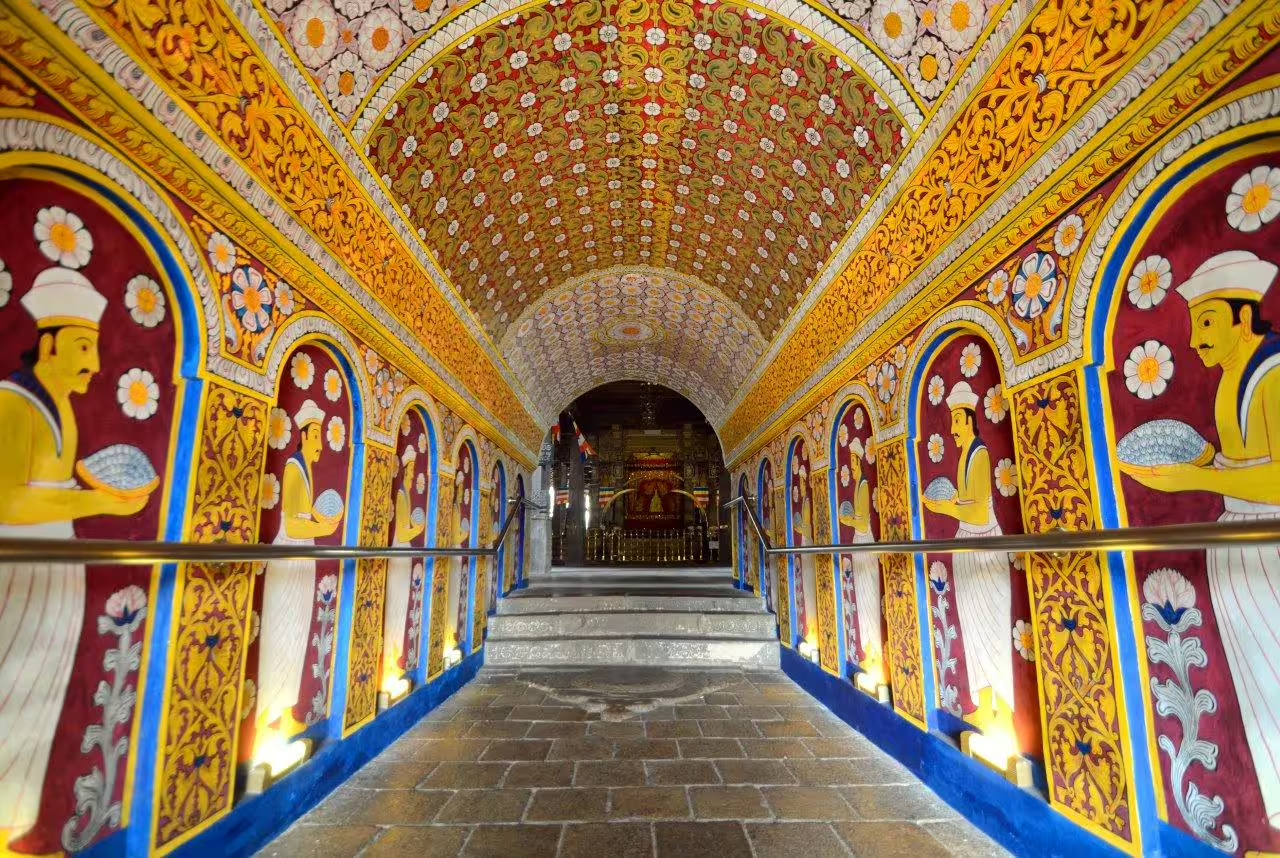
The private guided tea tour of Sri Lanka from Colombo lasts 10 days and includes nine nights of accommodation with daily breakfast, a private vehicle with air conditioning and a driver guide, a Negombo city tour, a visit to the Silver Temple, entry and a guided tour at Sigiriya Rock Fortress, and visits to Matale Spice Garden, Kandy Temple of the Tooth Relic and Peradeniya Botanical Gardens.
Sigiriya in Sri Lanka: history and frescoes
The name Sigiriya comes from Sinhagiri, meaning Lion Rock. The rock is a granite inselberg. From around the third century BC, Sigiriya's rock shelters were a Buddhist monastery; monastic use continued until the thirteenth or fourteenth century.
Under King Kashyapa, whose reign lasted from 477 to 495 CE, Sigiriya developed into an elaborate city and fortress. The ancient frescoes bear similarities to paintings in the Ajanta Caves in India. Their style is generally recognised as distinctively Sri Lankan.
Dambulla and its cave temple
Dambulla is a large town within the Matale District of Sri Lanka's Central Province. About 20 km separate Dambulla and Sigiriya, and a regular bus service links them. The Golden Temple at Dambulla received UNESCO World Heritage status in 1991.
The conversion of the Dambulla caves into a temple is attributed to King Valagamba in the first century BCE. Five caves of different sizes make up the cave temple. Inside are 153 statues of Buddha, alongside three statues depicting Sri Lankan kings and four representing gods and goddesses. The temple's murals extend across 2,100 square metres. More than eighty caves have been documented around the temple.
The private tour of Kandy, Sigiriya and Dambulla lasts four days and includes three nights of accommodation, with two in Kandy and one in Sigiriya, lunches in Kandy and Dambulla, entry to the Royal Botanical Gardens of Peradeniya, Sigiriya Rock Fortress and Dambulla Cave Temple, and visits to Giragama tea plantation and factory and Matale spice garden.
The guided tour of Sri Lanka from Colombo lasts seven days and includes ground transport between destinations, an English speaking guide, visits to Dambulla Cave Temple and the Temple of the Sacred Tooth Relic in Kandy, and a guided tour of Galle Fort.
Pidurangala
Pidurangala Rock lies about 1 to 2 km north of Sigiriya. Pidurangala Raja Maha Viharaya is in the Matale District near Sigiriya. Early Brahmi inscriptions in its caves show monastic use before the Christian era.
Frequently asked questions
When did Sigiriya become a World Heritage Site?
Sigiriya received World Heritage Site status in 1982.
How high is the rock at Sigiriya?
The rock with the palace ruins on its summit rises about 180 metres above the surrounding plain.
What kinds of gardens are at Sigiriya?
There are water gardens, gardens with caves and boulders, and terraced gardens.
How is Dambulla connected to Sigiriya?
A regular bus service connects the two places, which are about 20 km apart.
How many caves make up Dambulla Cave Temple?
The temple consists of five caves of different sizes.