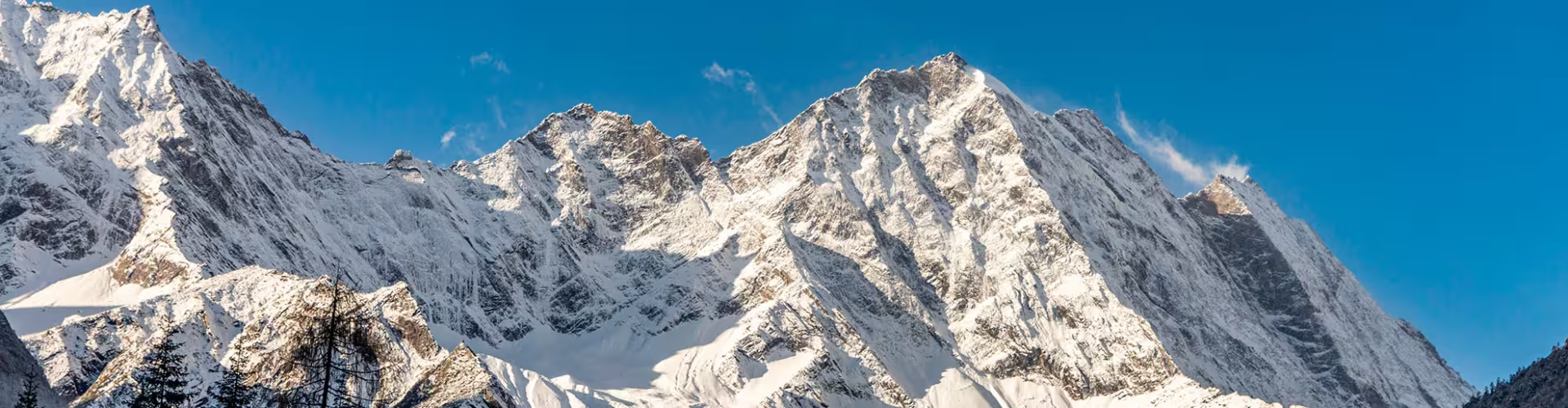


Nestled in the expansive landscapes of Sichuan, the Ngawa Tibetan and Qiang Autonomous Prefecture offers a unique blend of cultural richness and natural beauty. From majestic mountains to vibrant festivals, this region is a haven for those seeking an immersive cultural experience.
Located in the heart of Sichuan, China, Ngawa is accessible via major cities like Chengdu. The region's diverse topography includes mountains and valleys.
Spring and autumn are ideal for visiting, with mild weather and fewer crowds. The region comes alive during the Tibetan New Year and Horse Racing Festival.
Expect moderate prices for accommodation and food. Cash is preferred in rural areas, though cards are accepted in larger towns.
Jiuzhaigou Valley: A UNESCO World Heritage site, renowned for its stunning turquoise lakes and waterfalls. Allocate a full day to explore.
Songpan Ancient Town: Offers a glimpse into the region's history. Perfect for a half-day visit and trying local delicacies.
Huanglong National Park: Famous for its colorful pools and diverse wildlife. Ideal for nature lovers, with panoramic views.
Ruoergai Grassland: Known for its vast landscapes and vibrant Tibetan culture. Great for photography and cultural encounters.
Langmusi Monastery: A spiritual center with impressive architecture. Spend a morning exploring and attending prayer sessions.
Mount Siguniang: Offers trekking opportunities with breathtaking views. Best for adventure seekers and photography enthusiasts.
Start at Jiuzhaigou Valley, enjoy lunch in Songpan Ancient Town, and end your day at Langmusi Monastery.
Day one: Jiuzhaigou Valley and Songpan Ancient Town. Day two: Explore Huanglong National Park and Ruoergai Grassland.
Day one: Jiuzhaigou Valley. Day two: Huanglong National Park and Songpan. Day three: Mount Siguniang with optional trekking.
Yak Butter Tea: A staple drink, rich and creamy. Best enjoyed in local cafes.
Zanba: Roasted barley flour, a local favorite. Try it with butter tea for an authentic experience.
Tsampa: A versatile dish made with barley flour, perfect for breakfast.
Qiang-style Barbecue: A must-try for meat lovers, available in local markets.
Highland Barley Wine: A traditional alcoholic beverage, often served during festivals.
Buses and taxis are common in towns; renting a car is best for remote areas. Roads can be challenging, so plan accordingly for accessibility.
Chengdu: A gateway city with a vibrant culture, reachable in a few hours. Visit panda reserves.
Danba: Known for its ancient towers and Tibetan villages; a scenic drive away.
Kangding: Offers hot springs and cultural sites, perfect for a relaxing day.
Q: How many days do I need to explore Ngawa Tibetan and Qiang Autonomous Prefecture?
A: Three days are ideal to fully enjoy the region, explore its main attractions, and take a day trip.
Q: Are there any combo tickets available for attractions?
A: Yes, combo tickets for Jiuzhaigou Valley and Huanglong National Park are available, offering savings.
Q: What are the best neighborhoods to stay in Ngawa Tibetan and Qiang Autonomous Prefecture?
A: Songpan Ancient Town offers charm and proximity to attractions, while Jiuzhaigou area provides stunning views and easy access to nature.
Q: What is the weather like in Ngawa Tibetan and Qiang Autonomous Prefecture?
A: Summers are warm, ideal for outdoor activities; spring and autumn are mild, perfect for sightseeing.
Q: Is Ngawa Tibetan and Qiang Autonomous Prefecture accessible for travelers with mobility issues?
A: Some attractions have uneven terrain, but many areas are accessible with assistance. Plan ahead for specific needs.