Nestled in the heart of China, Sichuan is a vibrant region known for its spicy cuisine and breathtaking landscapes. From the towering peaks of the Himalayas to the lush valleys and rich cultural heritage, this region offers a diverse array of experiences for intrepid travelers. Discover the Best things to do in Sichuan and immerse yourself in its unique blend of nature and tradition.
Sichuan is located in southwestern China, bordered by Tibet to the west and Yunnan to the south. The capital city, Chengdu, serves as a major gateway with its international airport providing easy access to the region.
Spring (March-May) and autumn (September-November) are ideal for visiting Sichuan, offering mild weather and fewer crowds. Festivals like the Chengdu Lantern Festival in spring provide cultural richness.
Expect moderate prices for accommodation and food. Credit cards are widely accepted in urban areas, though cash is preferred in rural parts.
Chengdu Research Base of Giant Panda Breeding: Witness the adorable giant pandas in their natural habitat. Spend a morning here for the best viewing experience.
Jiuzhaigou Valley: Explore this UNESCO World Heritage site, known for its stunning turquoise lakes and colorful autumn foliage. Allocate a full day to enjoy its trails.
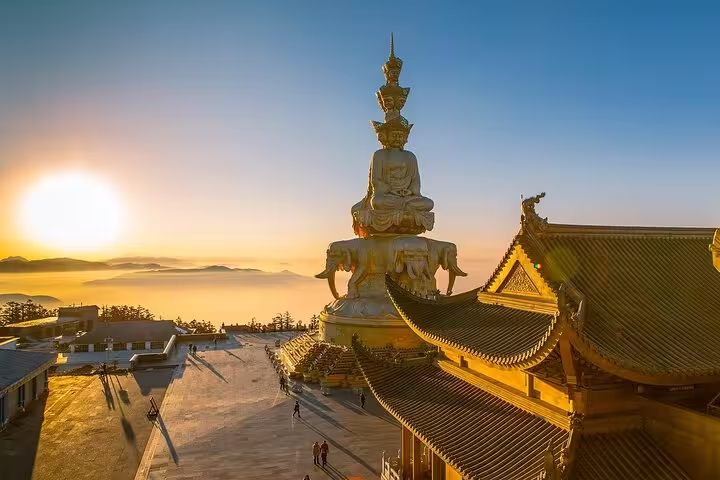
Mount Emei: One of China's Four Sacred Buddhist Mountains, offering panoramic views and spiritual serenity. A full day is recommended for a complete visit.
Dujiangyan Irrigation System: A marvel of ancient engineering still in use today, offering a glimpse into sophisticated water management. Plan for a half-day visit.
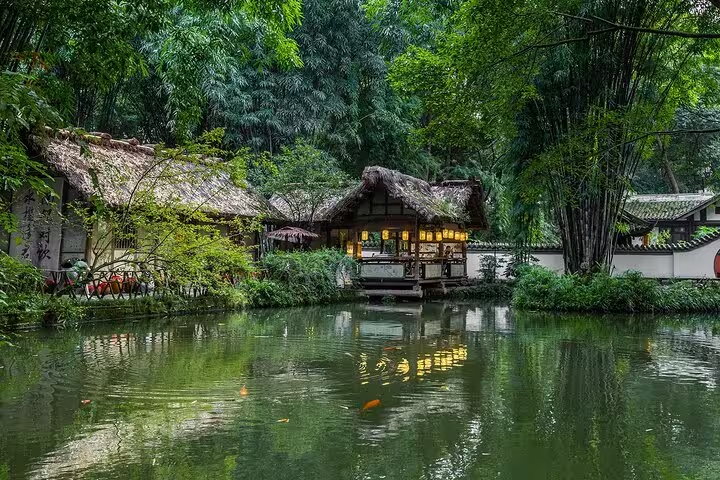
Wuhou Shrine: Delve into the history of the Three Kingdoms period at this temple complex. A two-hour visit will suffice to explore its halls and gardens.
Hotpot Dining Experience: Savor the spicy flavors that Sichuan is famous for. Try it in local restaurants in the evening for an authentic culinary adventure.
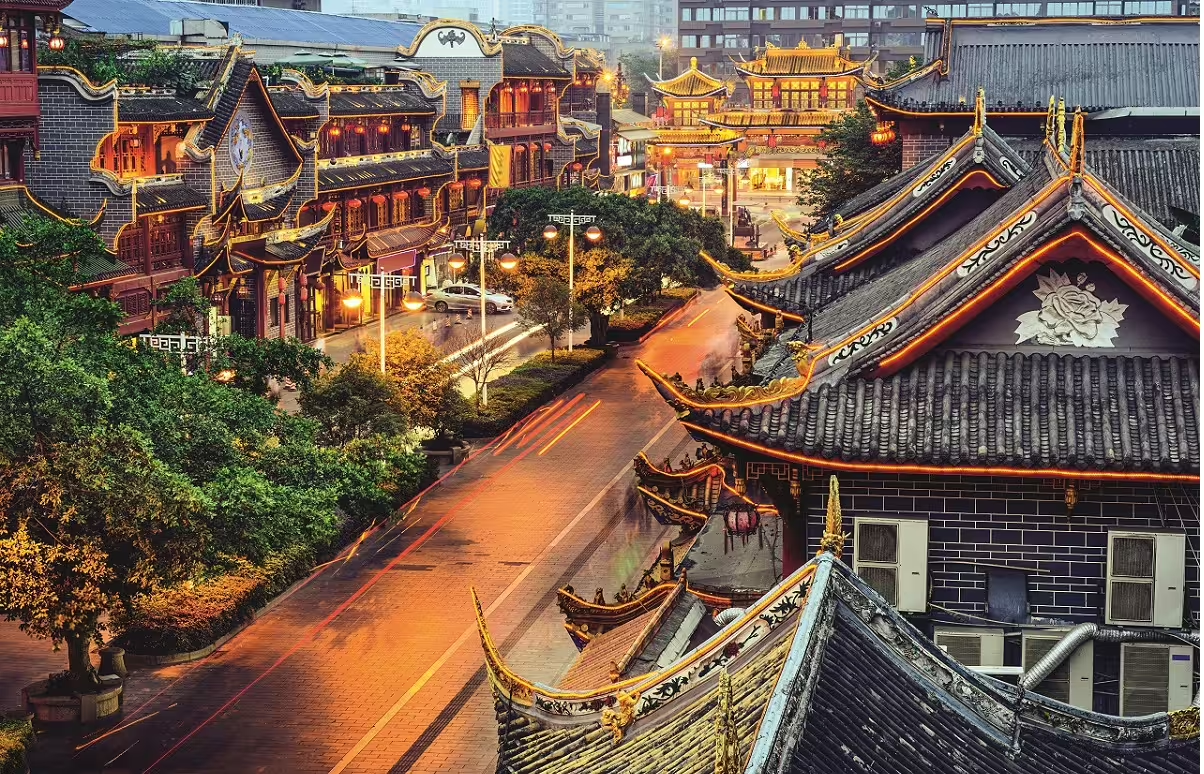
Begin your day at the Chengdu Research Base of Giant Panda Breeding, followed by lunch at a local hotpot restaurant. Spend the afternoon exploring the Wuhou Shrine and finish with a stroll in the Jinli Ancient Street.
Day one follows the one-day itinerary. On day two, visit the Dujiangyan Irrigation System in the morning and explore the vibrant streets of Chengdu in the afternoon.
Follow the two-day itinerary. On the third day, take a day trip to Jiuzhaigou Valley for a full immersion in nature's beauty.
Hotpot: A must-try dish with a spicy broth filled with meats and vegetables. Order it with varying levels of spice to suit your taste.
Mapo Tofu: A classic Sichuan dish featuring tofu in a spicy, numbing sauce. Best enjoyed with steamed rice.
Kung Pao Chicken: A stir-fried dish with chicken, peanuts, and vegetables, with a perfect balance of savory and spicy flavors.
Sichuan Dumplings: These are served in a spicy sauce and make for a delicious snack or starter.
Tea: Sample some of the region's famous teas, such as Jasmine or Green tea, in local teahouses.
Public transport is efficient with buses and subways in cities like Chengdu. Taxis are affordable, and bike-sharing programs offer an eco-friendly way to explore urban areas. For regional travel, trains and long-distance buses connect major destinations.
Leshan Giant Buddha: A massive stone statue overlooking the confluence of three rivers, just two hours from Chengdu. A must-see for its historical and spiritual significance.
Qingcheng Mountain: Revered as the birthplace of Taoism, this mountain offers scenic hiking trails and temples, about an hour from Chengdu.
Leshan Emei Mountain Scenic Area: In addition to the Giant Buddha, explore this area for its scenic beauty and religious importance.
Q: How many days do I need to explore Sichuan?
A: Three to five days is ideal to explore Sichuan, covering major attractions and taking a day trip to Jiuzhaigou Valley.
Q: Are there any combo tickets available for attractions?
A: Yes, combo tickets for the Dujiangyan Irrigation System and Mount Qingcheng are available, offering savings.
Q: What are the best neighborhoods to stay in Chengdu?
A: Jinjiang District offers luxury hotels and shopping, while Wuhou District is ideal for cultural and historical sites.
Q: What is the weather like in Sichuan?
A: Summers are warm and humid, while spring and autumn are mild and pleasant. Winter can be chilly, especially in mountainous areas.
Q: Is Sichuan accessible for travelers with mobility issues?
A: Many urban attractions are accessible, but rural and mountain areas may require assistance and planning.