Special Region of Yogyakarta

logoBlack

Build your dream
experience

dreamimg

More to know about Special Region of Yogyakarta

Special Region of Yogyakarta Travel Guide


Snapshot

Special Region of Yogyakarta is Java’s cultural heartbeat, where royal heritage, living traditions, and a youthful creative scene meet in a city that is easy to navigate and rewarding to explore slowly. Come for temple day trips, street food evenings, and artsy neighborhoods that keep the energy high long after the museums close. It is a destination that suits first timers to Indonesia and repeat travelers who want deeper context, craft, and culture in one place.


🗺️ Geography and Logistics

📍 Orientation: Where is it within Indonesia and Indonesia?

Special Region of Yogyakarta sits on the island of Java, south of Central Java, with the Indian Ocean coastline to the south and volcanic landscapes further inland. The main hub is Yogyakarta city, often used as a base for exploring nearby temple complexes, caves, and scenic highlands. Travelers typically arrive via Yogyakarta’s airport or by train and road connections from other major Java cities, then branch out to surrounding districts for day trips.

🕒 When to Go: Seasonal breakdown

Yogyakarta has a tropical climate, so plan around heat, humidity, and rainfall patterns rather than four distinct seasons. Drier periods generally feel easier for temple visits and sunrise outings, while wetter stretches can bring dramatic skies and fewer crowds, plus occasional downpours that affect outdoor plans. If you want a calmer experience, prioritize early mornings for popular sites and keep a flexible schedule so you can swap outdoor time for galleries, markets, and cafés when the weather shifts.

💰 Budget & Currency: Practical money tips

Indonesia uses the rupiah, and you will find a wide range of spending options in Special Region of Yogyakarta, from budget friendly street food to boutique stays and guided tours. Cash is useful for markets, small eateries, and local transport, while cards are more common in mid range hotels, modern cafés, and larger shops. A practical approach is to carry small notes for everyday purchases and keep a backup card, plus a second payment option, in case a terminal is offline.


⭐ Essential Things to Do

1) Explore the Kraton, the royal legacy
The palace culture shapes the identity of Yogyakarta, and it helps explain why the region is known as a special administrative area with strong living traditions. Even if you only spend a short time here, the Kraton context makes everything else, from dance to batik, feel more meaningful. Practical tip, go earlier in the day for a cooler walk and a calmer atmosphere.

2) Walk Malioboro for street life and souvenirs
Malioboro is the city’s classic promenade, full of movement, snacks, and shops that make it easy to browse without a strict plan. It is ideal for people watching and for picking up everyday crafts that connect to Javanese aesthetics. Practical tip, set a rough budget before you browse so you can shop confidently and avoid impulse fatigue.

3) Chase sunrise at Borobudur
Borobudur is one of Indonesia’s most iconic temple experiences, and it pairs naturally with Yogyakarta as a base. The atmosphere changes dramatically with early light, and the calm can make the site feel more contemplative. Practical tip, plan transport the night before and aim to arrive early to reduce heat and crowd pressure.

4) Visit Prambanan for dramatic temple architecture
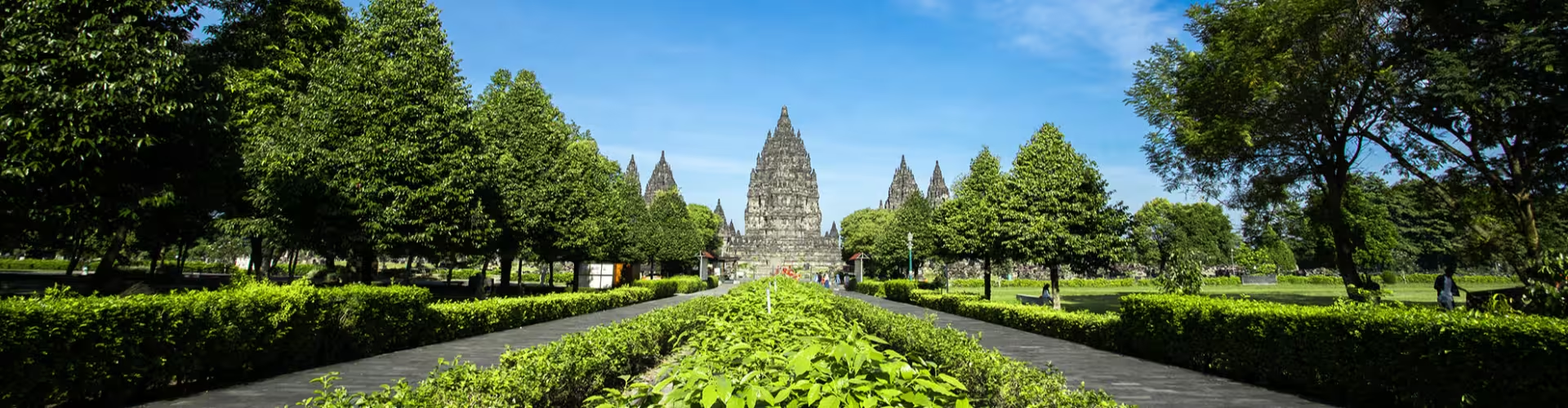
Prambanan’s soaring silhouettes and detailed stonework offer a different temple mood compared with Borobudur, and the contrast helps you understand the region’s layered history. It is also a strong choice for travelers who love photography and architectural detail. Practical tip, bring sun protection and water, then pace your walk so you can stop and look closely at carvings.

5) Join a batik and craft experience
Batik is not only a souvenir, it is a design language tied to identity and ceremony across Java. Seeing how patterns are made adds depth to what you notice in markets, galleries, and clothing. Practical tip, ask about the meaning of motifs, then choose a piece that reflects a story rather than only a color palette.

6) Discover the arts scene in creative neighborhoods
Yogyakarta is known for students, workshops, and contemporary art that sits alongside tradition. Small galleries, studios, and performance spaces show how the city keeps reinventing itself. Practical tip, keep one evening flexible for live music or a cultural performance so you can follow what looks interesting.

7) Eat your way through night markets and street stalls
Food is one of the fastest ways to understand Special Region of Yogyakarta, especially the balance of sweet, savory, and gentle spice that defines many local dishes. Nighttime is when the city feels most social, with families, students, and travelers sharing the same sidewalks. Practical tip, start with one or two small portions, then build your meal gradually as you find favorites.

8) Take a day trip to the coast or caves
Beyond the city, you can shift from cultural sites to nature, including beaches and cave areas that show another side of the region. These outings are a good reset after several temple heavy days. Practical tip, bring footwear with grip and pack a light rain layer, since conditions can change quickly.


🚶 Curated Itineraries

⏰ The Highlights (1 Day): A fast paced “Best Of” route

Start early with a heritage focused morning, begin at the Kraton area to get cultural context, then continue to nearby city landmarks and a relaxed lunch. Spend the afternoon on Malioboro for browsing, coffee breaks, and people watching, then transition into an evening street food crawl. If you have energy, end with a short cultural performance or a gallery stop to see the modern side of the city.

⏰ Deep Dive (2 to 3 Days): More culture, neighborhoods, and day trips

Day one, focus on the city, palace heritage, craft shopping, and a night market dinner. Day two, commit to a temple day, pairing Borobudur and Prambanan if your timing and energy allow, or choose one and spend longer absorbing the atmosphere and surrounding viewpoints. Day three, go beyond the center with a nature oriented outing, such as beaches or caves, then return for a slower final evening with cafés, studios, and a last round of local snacks.


🍽️ Flavors of Special Region of Yogyakarta

Gudeg, a signature local dish with a sweet leaning profile, often served with rice and side dishes that add savory balance. Ordering tip, ask for a mix of textures so the meal feels less one note.

Bakpia, a popular local pastry style snack that is easy to pack for train rides or flights. Ordering tip, buy a small box first, then return for a larger one if you find a favorite filling.

Sate, skewers grilled to order, often paired with sauces that can range from mild to richer and nutty. Ordering tip, tell the vendor your spice comfort level, then add chili gradually.

Nasi goreng, a familiar Indonesian staple that becomes a dependable option when you need something quick and filling between sights. Ordering tip, ask for a fried egg on top for extra comfort and value.

Jamu, a traditional herbal drink culture that many travelers try for a taste of daily wellness routines. Ordering tip, start with a small serving and note the flavor profile before committing to stronger varieties.

Es teh, sweet iced tea that pairs well with street food and the warm evenings. Ordering tip, ask for less sugar if you are sampling multiple sweet snacks.


🚌 Navigation & Transport

In the city center, walking works well for short hops, especially around Malioboro and nearby cultural areas, but heat and humidity can make midday walks feel longer than expected. For longer distances, ride hailing apps and taxis are common choices, and they are especially useful when you want to chain multiple stops without negotiating routes. For temple days and coastal outings, consider hiring a driver or joining a small group tour, since it reduces logistical friction and helps you keep an early start. Safety and accessibility tip, wear visible sun protection, keep water with you, and plan rest breaks, because sidewalks and crossings can vary in comfort depending on the neighborhood.


🌄 Beyond the Center: Day Trips

Borobudur, often done as a morning trip, for its world famous temple atmosphere and panoramic viewpoints. Travel time varies by route and traffic, so plan an early departure.

Prambanan, a classic half day or full day option, for its dramatic temple complex and photogenic silhouettes. Go earlier to reduce heat and allow time to walk slowly.

Beaches on the south coast, a change of pace from temples, with ocean views and a more outdoorsy feel. Travel time depends on which beach you choose, so confirm your route and conditions in advance.

Cave areas and karst landscapes, for travelers who want nature, geology, and a more adventurous day. Conditions can be slippery, so choose stable footwear and keep your schedule flexible.


✅ Insider Tips for Travelers

  • Start early for temples and outdoor sights to reduce heat, crowds, and travel delays.
  • Carry small cash notes for markets and street food, and keep a card for larger purchases.
  • Build in downtime, the city rewards slow browsing, coffee breaks, and spontaneous gallery stops.
  • Dress respectfully for cultural sites, and bring a light layer for sun protection rather than relying only on sunscreen.
  • Keep your itinerary flexible on wetter days, swap outdoor plans for crafts, museums, and cafés.
  • If you are sensitive to spice or sweetness, ask for adjustments, many vendors can tailor a dish.

❓ Frequently Asked Questions, FAQ

What is the best way to get around Yogyakarta city?

Walking works well in central areas, but heat can make short distances feel longer. Ride hailing and taxis are practical for linking multiple stops efficiently.

How many days should I plan for the main sights?

One day covers city highlights and food, but 2 to 3 days gives you room for temples and a nature outing. Extra time also helps you explore crafts and creative neighborhoods at a relaxed pace.

Can I visit Borobudur and Prambanan from Special Region of Yogyakarta?

Yes, many travelers base themselves in Special Region of Yogyakarta and do day trips to both temple areas. An early start helps with comfort and crowd levels.

Should I carry cash or use cards?

Carry cash for markets, small stalls, and everyday transport, then use cards for many hotels and modern cafés. Keeping both options makes your day smoother if a payment terminal is unavailable.

When is a good time of day to explore Special Region of Yogyakarta?

Early mornings are ideal for outdoor sightseeing and temples, since temperatures are lower and crowds are lighter. Evenings are excellent for street food and night market energy in Special Region of Yogyakarta.