Yogyakarta City

logoBlack

Build your dream
experience

dreamimg

More to know about Yogyakarta City

Yogyakarta City Travel Guide


Snapshot

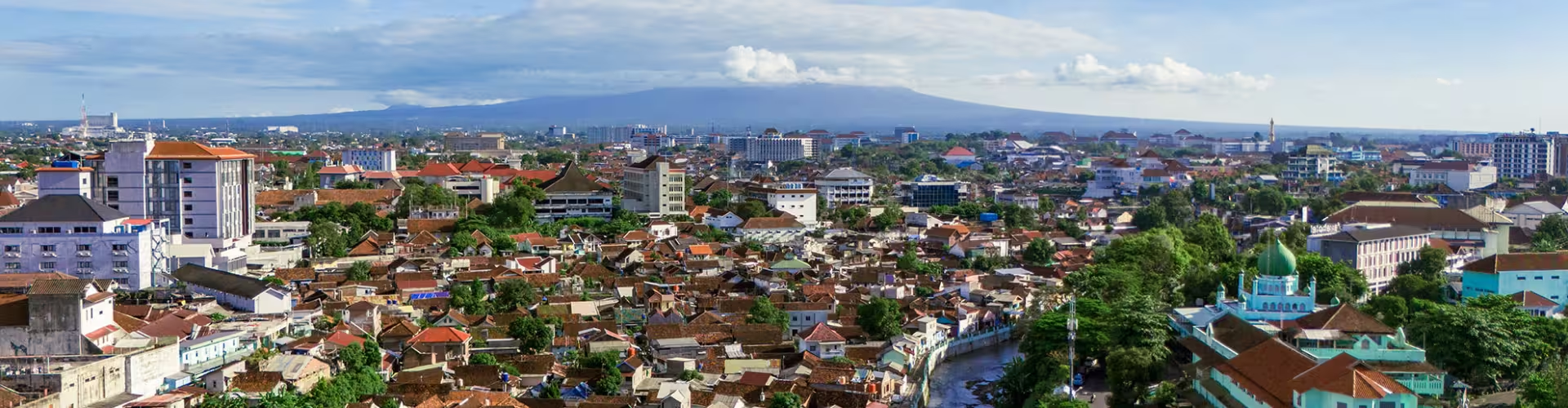
Yogyakarta City is Java’s cultural heartbeat, a place where royal heritage, street art, campus energy, and late-night food scenes all share the same streets. Come for the living traditions around the Sultan’s palace, stay for the craft villages, legendary temples nearby, and the easy rhythm of exploring on foot and by short rides. It is a strong choice right now for travelers who want a destination that feels both historic and creative, with plenty to do beyond a single checklist.


🗺️ Geography and Logistics

📍 Orientation: Where is it within Special Region of Yogyakarta and Indonesia? Name key gateway airports or hubs.

Yogyakarta City sits in the Special Region of Yogyakarta on the island of Java, Indonesia. It is a compact urban center that works well as a base for exploring surrounding heritage areas and iconic temple landscapes. For gateways and onward connections, most travelers plan around air links into Yogyakarta’s airport and rail or road connections across Java, especially if combining the city with other major hubs.

🕒 When to Go: Seasonal breakdown. Weather patterns vs. crowd levels.

Plan your timing around weather comfort and crowd intensity. Drier periods generally make it easier to pack full days of temple visits and walking-heavy sightseeing, while wetter stretches can still be rewarding if you build in flexible indoor time for museums, crafts, and food stops. Peak travel periods tend to increase competition for popular experiences, so booking ahead becomes more important when the city is busiest.

💰 Budget & Currency: Practical money tips, local price levels, and card vs. cash advice.

Budgeting in Yogyakarta City is usually manageable because you can mix low-cost street eats with paid cultural attractions and day tours. Carry some cash for markets, small eateries, and neighborhood vendors, and keep a card available for larger hotels or structured tours where electronic payment is more common. A practical approach is to set a daily baseline for transport and meals, then add a separate buffer for crafts, performances, and temple trips so you can say yes to the moments that make the destination memorable.


⭐ Essential Things to Do

Primary experiences in Yogyakarta City balance royal history, arts, and easy access to world-famous temple sites. Use this list as a decision tool, pick what matches your travel style, then build your days around timing and distance.

Kraton, Sultan’s Palace Complex
Why it matters: The palace area is the symbolic center of Javanese court culture, and it gives context to the city’s identity as a living cultural capital. Even if you are not a history specialist, the atmosphere helps you understand why etiquette, art, and tradition still shape daily life here. Practical tip: Go earlier in the day for a calmer feel, and pair it with nearby neighborhoods so you can continue on foot.

Taman Sari, the Water Castle Area
Why it matters: This historic site is tied to royal leisure and architecture, and it is one of the most photogenic heritage zones in the city. The surrounding lanes add another layer, because you can see how local life flows around historic structures. Practical tip: Wear comfortable shoes, and keep your route flexible so you can linger in the adjacent streets without rushing.

Malioboro Street, shopping and street life
Why it matters: Malioboro is the city’s most recognizable corridor for browsing, snacking, and people-watching, and it captures the buzz of Yogyakarta City in a single walk. It is also a practical place to pick up souvenirs and casual gifts without planning a special trip. Practical tip: Visit once in daylight for shopping, then return after dark for a different energy and more food options.

Traditional markets and craft shopping
Why it matters: Markets are where you see price levels, local tastes, and everyday routines in one place, and they are ideal for travelers who want a grounded experience. Shopping here also connects you to the region’s long craft traditions, from textiles to small handmade goods. Practical tip: Bring small cash, and ask before photographing vendors or displays.

Batik and artisan workshops
Why it matters: Batik is a key cultural art form in Java, and seeing the process helps you recognize quality and meaning beyond patterns. In Yogyakarta City, batik is not just a souvenir, it is a living craft economy. Practical tip: If you want a specific style, allow time to compare a few places, and prioritize workmanship over the lowest price.

Ramayana ballet and cultural performances
Why it matters: Performance traditions help translate epics and philosophy into something you can feel, even without understanding every reference. It is also a restful way to balance long sightseeing days with an evening activity. Practical tip: Aim to confirm seating and show details in advance during busier periods, and arrive early so you are not searching for your place at the last minute.

Borobudur Temple day trip
Why it matters: Borobudur Temple is one of Indonesia’s most significant heritage sites, and it is often a main reason travelers choose Yogyakarta City as a base. The scale and relief detail reward slow looking, and the surrounding landscape adds to the sense of place. Practical tip: Start early to reduce heat and crowds, and plan water and sun protection because the visit is exposed.

Prambanan Temple day trip
Why it matters: Prambanan Temple is a major Hindu temple complex with dramatic silhouettes and strong storytelling through stone carvings. It complements Borobudur by showing a different spiritual and artistic lineage in Central Java. Practical tip: Time your visit for softer light if photography matters to you, and keep some flexibility for traffic on the way back.

Street art and café culture near student areas
Why it matters: Beyond heritage, Yogyakarta City is known for a youthful creative scene, shaped by universities and local artists. This side of the city is ideal when you want a break from formal sightseeing but still want a sense of place. Practical tip: Choose a couple of stops close together, and use short ride-hails between neighborhoods to avoid wasting time.


🚶 Curated Itineraries

⏰ The Highlights (1 Day): A fast-paced “Best Of” route.

Start with the Kraton area to anchor your understanding of the city’s cultural identity, then continue to Taman Sari for architecture and photos. After lunch, head to Malioboro for shopping and street life, and use the late afternoon for a market or a batik stop. Finish with an evening performance or a focused food crawl so the day ends with flavor, not logistics.

⏰ Deep Dive (2-3 Days): Adding neighborhood exploration and local secrets.

Day one stays city-focused, Kraton, Taman Sari, neighborhood walks, and a performance night. Day two is for a major temple run, either Borobudur Temple or Prambanan Temple, plus a slower dinner back in town. If you have a third day, use it for crafts, café culture, and a second temple or countryside outing, keeping the schedule light so you can follow recommendations you hear on the ground.


🍽️ Flavors of Yogyakarta City

Food in Yogyakarta City is one of the easiest ways to understand local preferences, often balancing sweet, savory, and gentle spice. Build your meals around a few must-try classics, then repeat what you love because consistency is part of the joy here.

  • Gudeg, a signature local dish with a sweet-savory profile. Ordering tip: Ask for your preferred balance of sweet and spicy if options are offered.
  • Sate, grilled skewers with rich seasoning and sauce variations. Ordering tip: Order a mixed set if you want to compare textures and flavors.
  • Bakmi Jawa, Javanese-style noodles with comforting, aromatic depth. Ordering tip: Choose soup or fried based on the weather and how hungry you are.
  • Nasi kucing, small rice portions that are great for sampling multiple bites. Ordering tip: Pair several small plates rather than one large meal for variety.
  • Es teh and fresh iced drinks that help in the heat. Ordering tip: If you prefer less sweetness, request reduced sugar when possible.
  • Jamu, traditional herbal drinks that range from earthy to bright. Ordering tip: Try a small serving first, then commit to a full bottle if you like the flavor.

🚌 Navigation & Transport

Yogyakarta City is relatively compact, and many central sights work well on foot when the weather is comfortable. For longer hops, ride-hailing and taxis are practical, and they can save time when you are moving between heritage areas, shopping corridors, and food neighborhoods. For day trips to temple complexes, consider a dedicated driver or organized tour so you can focus on timing and energy rather than route planning, especially if you are combining multiple stops.

Use basic street-smarts in crowded areas, keep valuables secure, and plan for heat with water and breaks. If accessibility is a concern, note that older heritage sites often involve uneven paths and steps, so it helps to plan a lighter route with fewer transitions.


🌄 Beyond the Center: Day Trips

  • Borobudur Temple, a major heritage site reached as a day trip from Yogyakarta City. Reason to visit: monumental scale and iconic reliefs. Travel time: plan for a road journey with an early start.
  • Prambanan Temple, another essential complex outside the city. Reason to visit: dramatic architecture and carved narratives. Travel time: plan for a manageable road transfer.
  • Craft villages and artisan areas in the wider region. Reason to visit: see production traditions and shop more intentionally. Travel time: short to moderate drives depending on the village.
  • Countryside viewpoints and nature edges around the region. Reason to visit: a change of pace from the city’s busy corridors. Travel time: varies by route and traffic.

✅ Insider Tips for Travelers

  • Prioritize early starts for temple days, it reduces heat stress and often improves the overall atmosphere.
  • Keep a flexible evening plan, rain or traffic can shift your day, and food and performances are easier to adapt.
  • Carry small cash for markets and street food, and keep your card for hotels or structured services.
  • Dress respectfully around heritage and religious spaces, light layers help with heat while staying covered.
  • Do not try to see every highlight in one day, pairing one major attraction with a neighborhood experience feels more authentic.
  • If shopping for batik or crafts, compare quality across a few stops, and ask about care instructions before buying.

❓ Frequently Asked Questions, FAQ

What is the best way to structure a short trip?

Use one day for the city core, focusing on the Kraton area, Taman Sari, and Malioboro. If you add a second day, dedicate it to one major temple trip so you are not rushed.

Can I visit Borobudur and Prambanan in the same day?

It is possible, but it can feel fast and tiring because you will spend a lot of time in transit and walking. Many travelers prefer splitting them across two days for a better pace.

Is Yogyakarta City walkable for first-time visitors?

Yogyakarta City is walkable in central areas, especially around major heritage and shopping corridors. For longer distances, ride-hailing is a practical way to save time and energy.

Should I carry cash or rely on cards?

Carry cash for markets, small eateries, and informal shopping. Keep a card as a backup for hotels and larger transactions where electronic payment is more common.

How many days do I need in Yogyakarta City?

Two to three days is a strong baseline if you want both the city’s cultural core and at least one temple day trip. With more time, you can add crafts, café culture, and a slower neighborhood rhythm.