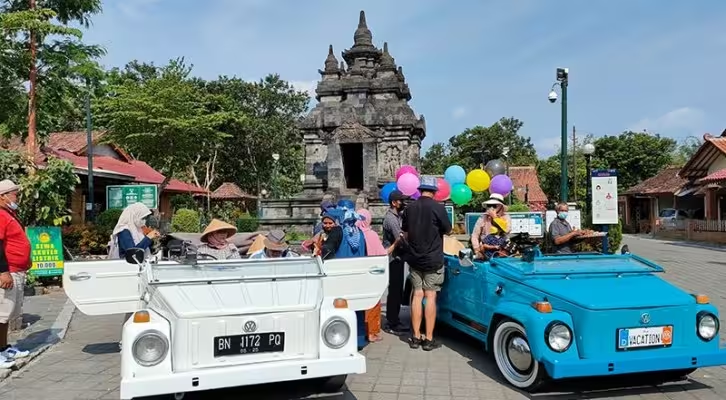
Magelang Regency is a scenic region in Central Java, Indonesia, nestled between volcanic mountains and lush valleys. This area is renowned for the magnificent Borobudur Temple, one of the world's greatest Buddhist monuments, and offers visitors a glimpse into Java's rich spiritual and cultural heritage.
What to see in Magelang Regency
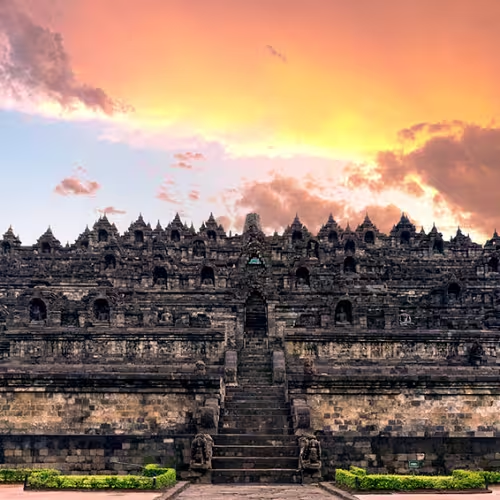
The main attraction is the iconic Borobudur Temple Complex, a UNESCO World Heritage Site featuring over 500 Buddha statues and intricate stone carvings spread across nine levels. Visitors should also explore the traditional villages surrounding the temple, where artisans continue centuries-old crafts, and experience the tranquil landscape of rice paddies and volcanic peaks that frame this historic site.
Things to do in Magelang Regency
Travelers can trek through scenic mountain trails, visit local markets and craft workshops, or take guided temple tours at sunrise for spectacular views. The region offers opportunities for cultural immersion through village homestays, traditional cooking classes, and interactions with local communities who maintain authentic Javanese customs and traditions.
Borobudur's Architectural Significance
Built in the 8th century during the Sailendra dynasty, Borobudur stands as an extraordinary example of ancient Buddhist engineering and artistry. The temple's design reflects Buddhist cosmology, with each level representing stages of enlightenment, making it not only an architectural marvel but also a profound spiritual pilgrimage destination.
Magelang Regency is a district located in Central Java Province, Indonesia, positioned strategically between Yogyakarta and Semarang. The regency covers an area of approximately 1,086 square kilometers and is home to over 1.2 million residents. The region is characterized by its elevation, volcanic soil fertility, and proximity to the Indian Ocean, making it a significant cultural and agricultural center in Java. The district serves as a gateway to some of Java's most important historical and spiritual landmarks.
Borobudur Temple UNESCO Heritage Site, Central Java Cultural Heritage, Buddhist Pilgrimage Destination, Traditional Javanese Villages, Volcanic Mountain Landscapes, Ancient Java History