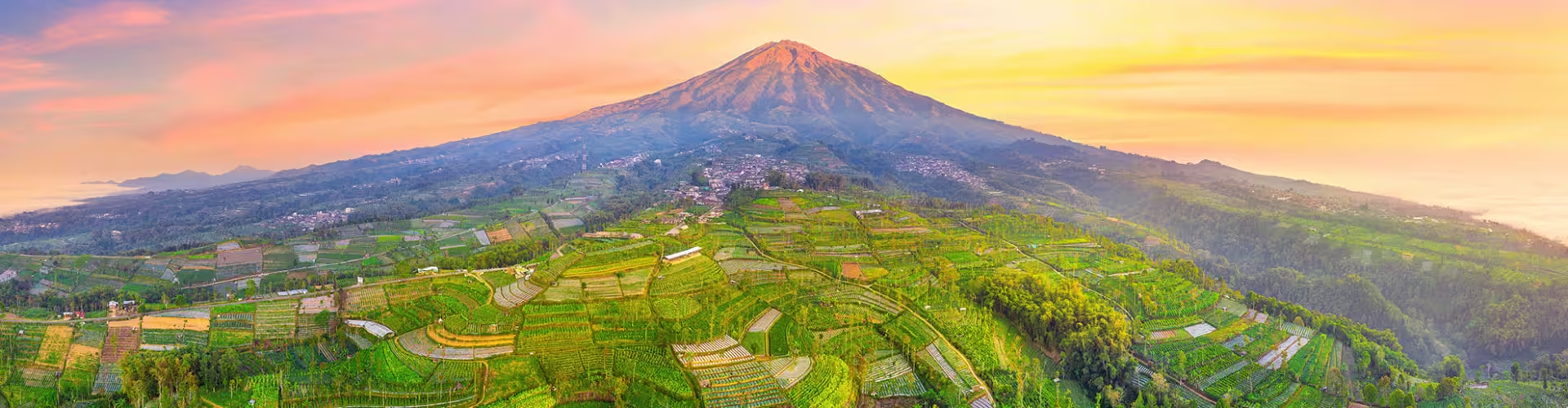


Central Java rewards travelers who want culture, craft, and calm landscapes in one region, with ancient temples, royal cities, and volcanic horizons shaping the mood. The signature vibe is quietly immersive, think batik workshops, heritage streets, and sunrise viewpoints that feel meaningful rather than rushed. Go now if you want a destination that supports both fast highlights and slow travel, with plenty of variety across cities, countryside, and highlands.
Central Java sits in the middle portion of Java, linking major overland routes between the island’s western and eastern regions. Key hubs are the cities of Semarang and Solo, which function as practical bases for exploring cultural sites and surrounding landscapes. Many travelers also pair the region with nearby Yogyakarta for a broader temple and heritage circuit.
Expect a classic tropical rhythm, with wetter months bringing heavier rain and greener scenery, and drier months generally offering more predictable outdoor conditions. If your priorities include sunrise views, volcano landscapes, and long walking days, aim for clearer weather and start early to avoid afternoon heat. For a calmer experience, travel outside peak holiday periods, and plan popular sites for early morning.
Indonesia uses the rupiah, and day to day spending in Central Java can be very manageable when you lean into local eateries, short rides, and simple guesthouses. Cash is useful for small purchases, street food, and local markets, while cards are more common in larger hotels and modern cafes in main cities. Keep small denominations handy, and consider carrying a backup payment method in case a card terminal is unavailable.
Note: This list focuses on widely recognized experiences and practical ways to enjoy them without relying on specific ticket prices or opening hours.
Borobudur Temple Visit
Borobudur is an icon of Indonesian heritage, with layered stone reliefs that reward patient exploration and a sense of scale that photos rarely capture. It matters because it connects you to the region’s deep spiritual and artistic history, and it is also one of the most atmospheric sunrise areas in Java. Practical tip, go early for softer light and a calmer experience, and bring water and sun protection.
Prambanan Temple Complex
Prambanan’s towering silhouettes and carved details offer a different temple mood, more vertical and dramatic. It matters for understanding Java’s cultural crossroads, where stories, dynasties, and craftsmanship intersect. Practical tip, wear comfortable shoes for long paths, and plan time to pause and read the narrative panels rather than rushing through.
Explore Semarang’s Heritage Streets
Semarang blends port city energy with colonial era architecture and modern food culture, making it an easy base for day trips and a destination in its own right. It matters because it shows Central Java as lived in and evolving, not just a checklist of monuments. Practical tip, explore in the morning or late afternoon for more comfortable walking and better photo light.
Royal City Atmosphere in Solo, Surakarta
Solo is known for refined court traditions, batik culture, and a slower pace that invites deeper connection. It matters because it offers context for Javanese etiquette, performance traditions, and everyday rituals that still shape local life. Practical tip, leave room in your schedule for unplanned stops, like small galleries, craft shops, and neighborhood food stalls.
Batik and Handicraft Shopping
Batik is more than a souvenir, it is a living art form tied to identity, symbolism, and technique. It matters because purchasing thoughtfully supports local makers and helps you recognize patterns and meanings you will see across the region. Practical tip, ask how the fabric was made, and consider buying one higher quality piece rather than several low quality prints.
Sunrise Viewpoints and Highland Scenery
The highlands and volcanic landscapes around Central Java create a cinematic backdrop, especially at dawn when mist sits in valleys. It matters because the region’s geography is part of the story, shaping agriculture, settlement patterns, and local cuisine. Practical tip, pack a light layer for early mornings, and confirm transport the night before if you are heading out before dawn.
Local Markets for Daily Life
Markets are where you see the region’s rhythms, from spices and snacks to textiles and household goods. It matters because it is a direct window into what people actually eat and use, and it is often the best place to practice basic Indonesian phrases. Practical tip, bring small cash, keep your bag close, and shop with curiosity rather than bargaining aggressively.
Temple and Heritage Photography Walk
A dedicated walk with a photography mindset helps you notice carvings, textures, and street scenes that are easy to miss. It matters because Central Java is rich in detail, and slowing down turns a visit into a memory you can describe, not just a photo you can post. Practical tip, shoot in the early morning for softer shadows, and be respectful when photographing people.
Start before sunrise for a temple focused morning, prioritizing the site you most want to experience in cooler air and gentler light. Continue with a simple local lunch, then shift into a city heritage walk in Semarang or Solo, choosing a compact area so you spend more time exploring than commuting. End with an early evening food crawl, focusing on one neighborhood so you can sample multiple dishes without rushing.
Day 1, anchor your trip with a major temple visit, then spend the afternoon on a slower cultural thread, like batik shopping and small craft stops. Day 2, choose a city base, Semarang for coastal heritage energy or Solo for royal city calm, and devote time to markets, backstreets, and local cafes. Day 3, add highland scenery or a sunrise viewpoint, then return for a relaxed final evening meal and last minute shopping.
Nasi Gudeg
A sweet, savory jackfruit based dish with comforting, slow cooked depth. Ordering tip, ask for your preferred spice level, and consider pairing it with a protein side if available.
Soto
A fragrant soup that can range from light and herbal to richer and more spiced, depending on the style. Ordering tip, look for a busy stall, and ask what the most popular version is that day.
Satay, Sate
Skewers grilled over charcoal, often served with sauce and rice or rice cakes. Ordering tip, order a mixed plate if possible so you can compare flavors, and eat it fresh off the grill.
Tempeh and Tofu Dishes
Everyday staples that can be fried, stewed, or served with chili and sweet soy notes. Ordering tip, ask for a combination plate to try multiple preparations in one meal.
Javanese Sweet Tea and Local Drinks
Sweet tea is common and pairs well with savory street food, while other local drinks vary by vendor. Ordering tip, if you prefer less sugar, request it with reduced sweetness.
Market Snacks
Small bites range from fried snacks to steamed sweets, often made for quick eating while you walk. Ordering tip, buy one or two at a time, and return for more of what you like.
In cities, walking works well for compact heritage areas, especially in the cooler parts of the day. For longer distances, ride hailing and taxis can simplify point to point travel, while trains and intercity buses connect major hubs like Semarang and Solo. If you are visiting temples, sunrise viewpoints, or highland areas, consider hiring a driver for flexibility, and confirm pickup points clearly to avoid delays.
Safety and comfort tips, keep valuables secure in crowded areas, wear helmets if using motorbike options, and carry water during long outdoor visits. For accessibility, sidewalks and site paths can be uneven, so plan extra time if you need a slower pace.
Yogyakarta
Travel time varies by your base, but it is commonly paired with Central Java for a broader heritage itinerary. Go for cultural depth, arts, and an easy extension to temple routes. Tip, start early to maximize time and reduce time spent in traffic.
Highland Viewpoints and Volcanic Landscapes
Travel time depends on the specific viewpoint and your departure city, and early departures are common. Go for sunrise light, cooler air, and panoramic scenery that adds contrast to city and temple days. Tip, pack a light jacket and plan a simple breakfast option for the road.
Semarang Coastal Areas
Short trips from central Semarang can add a different mood, with sea air and port city context. Go to understand how trade and movement shaped local food and architecture. Tip, combine it with a heritage walk for a balanced day.
Solo Surroundings
Easy trips from Solo can add craft villages and quieter landscapes. Go for a slower, more intimate look at daily life beyond the main streets. Tip, leave space for spontaneous stops when you see workshops or small markets.
What is the best base for exploring the region?
Semarang and Solo are both practical hubs, depending on whether you prefer a port city feel or a royal city atmosphere. Many travelers also connect the region with Yogyakarta for a wider temple and culture route.
How many days do I need?
One day is enough for a highlights style trip if you focus on one major temple and one city walk. Two to three days gives you time for markets, craft shopping, and a sunrise viewpoint without rushing.
Is it easy to get around without a driver?
In city centers, walking and ride hailing can cover most needs. For highland viewpoints and scattered heritage sites, a hired driver can save time and reduce logistics stress.
When should I visit Central Java for outdoor sightseeing?
For outdoor plans in Central Java, aim for periods with more predictable weather, and schedule big walks and viewpoints early in the day. This helps you avoid heat and improves visibility for scenery and photos.
What should I pack for temples and highland mornings?
Bring comfortable shoes, sun protection, and water for long site walks. If you plan a sunrise trip, add a light layer because mornings can feel cool in higher areas of Central Java.