Paro is a picturesque valley in northwestern Bhutan, home to the country's main international airport and some of its most revered cultural landmarks. This serene destination seamlessly blends natural beauty with spiritual heritage, making it an essential stop for visitors seeking authentic Himalayan experiences. The Paro Valley offers stunning views of terraced fields, traditional architecture, and sacred sites that define Bhutanese culture.
What to see in Paro
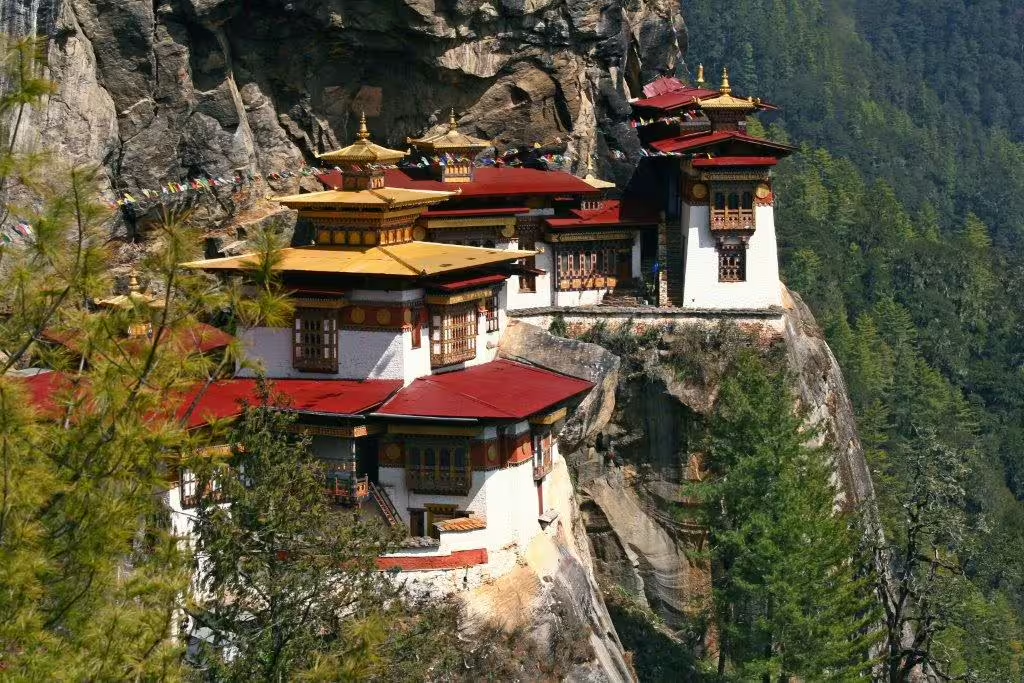
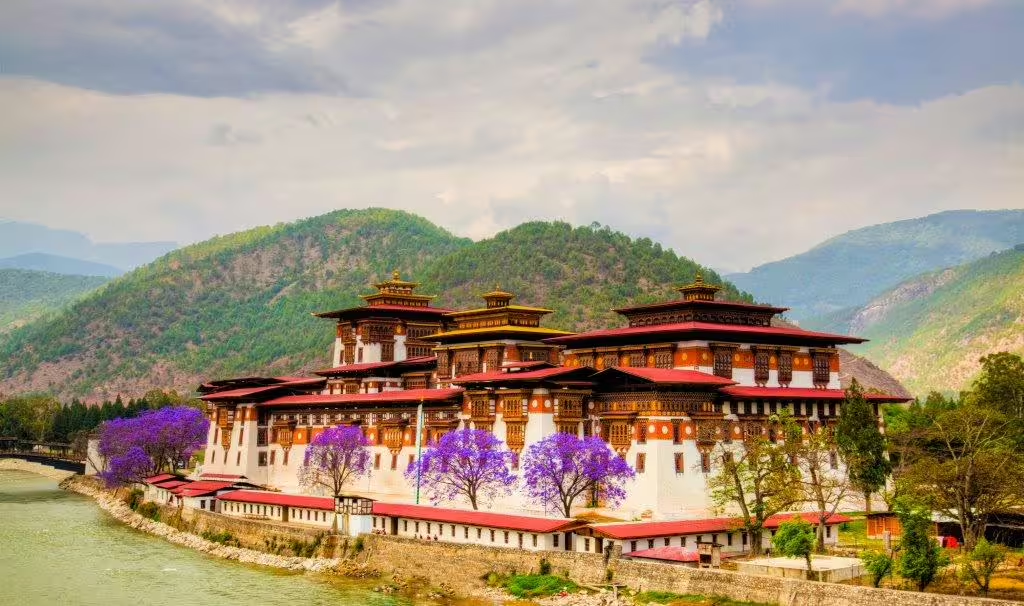
The iconic Tiger's Nest Monastery perches dramatically on a cliff face above the valley, accessible via a scenic hiking trail through pine forests. Visitors should also explore Rinpung Dzong, a 17th-century fortress overlooking Paro town, and the National Museum housed within Ta Dzong. The Drukgyel Dzong ruins provide glimpses into Bhutan's defensive architecture and mountain vistas.
Things to do in Paro
Hiking to Tiger's Nest is a popular half-day excursion offering spiritual reflection and panoramic views. The valley permits cultural tours of traditional farmhouses, visits to local temples, and exploration of the Druk Path Trek for multi-day adventures. Seasonal events and archery demonstrations showcase Bhutanese traditions.
Paro's Architectural Heritage
Rinpung Dzong exemplifies Bhutanese fortress design with intricate wooden carvings and painted details. Traditional wooden architecture throughout the valley reflects centuries-old building techniques passed through generations, creating a harmonious landscape where structures blend seamlessly with mountain surroundings.
Paro is located in northwestern Bhutan and serves as the primary entry point for international visitors through Paro International Airport. The valley sits at approximately 2,200 meters elevation and is surrounded by the Himalayan mountain range. The region experiences four distinct seasons, with spring and autumn offering optimal travel conditions. Paro is situated roughly 55 kilometers west of Thimphu, Bhutan's capital city.
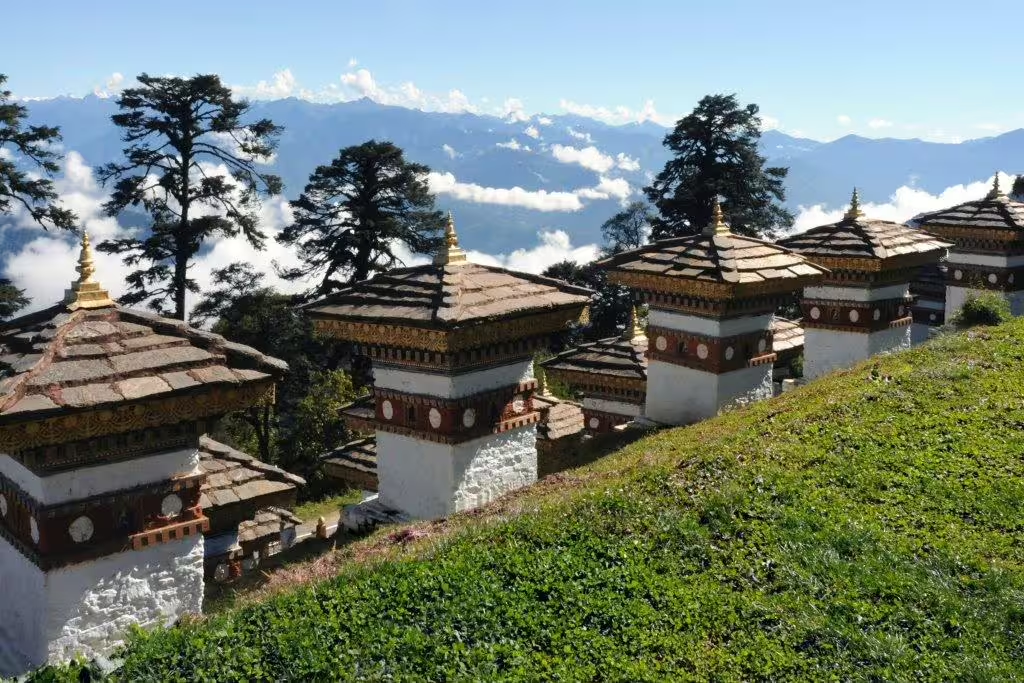
Paro is recognized as Bhutan's cultural and tourism gateway, famous for combining spiritual significance with architectural excellence. The region has maintained its traditional lifestyle while accommodating international tourism following Bhutan's selective tourism policy. Local communities continue ancient farming practices in the valley's terraced fields. Paro represents the intersection of Bhutanese conservation efforts and cultural preservation initiatives.