Bhutan

logoBlack

Build your dream
experience

dreamimg

More to know about Bhutan

“Bhutan Travel Guide” with one emoji

🧭 Snapshot

Discover the enchanting kingdom of Bhutan, nestled in the heart of the Himalayas. Known for its breathtaking landscapes and vibrant culture, Bhutan offers a unique travel experience. Whether you're seeking spiritual enlightenment or thrilling adventures, this guide to the best things to do in Bhutan will help you plan a memorable journey.


🗺️ Where It Sits

📍 Geography and Nearby Hubs

Located in South Asia, Bhutan is bordered by China to the north and India to the south. The main entry point is Paro International Airport, with connections from major cities like Bangkok and Delhi.

🕒 Best Time To Visit

Visit Bhutan in spring or autumn for pleasant weather and stunning views. Spring offers blooming flowers, while autumn hosts the vibrant Thimphu Tshechu festival.

💰 Typical Costs and Money Tips

Expect to spend $200-$300 per day. Credit cards are accepted in urban areas, but carry cash for remote regions. Consider purchasing a tourist package for convenience.


⭐ Essential Things To Do

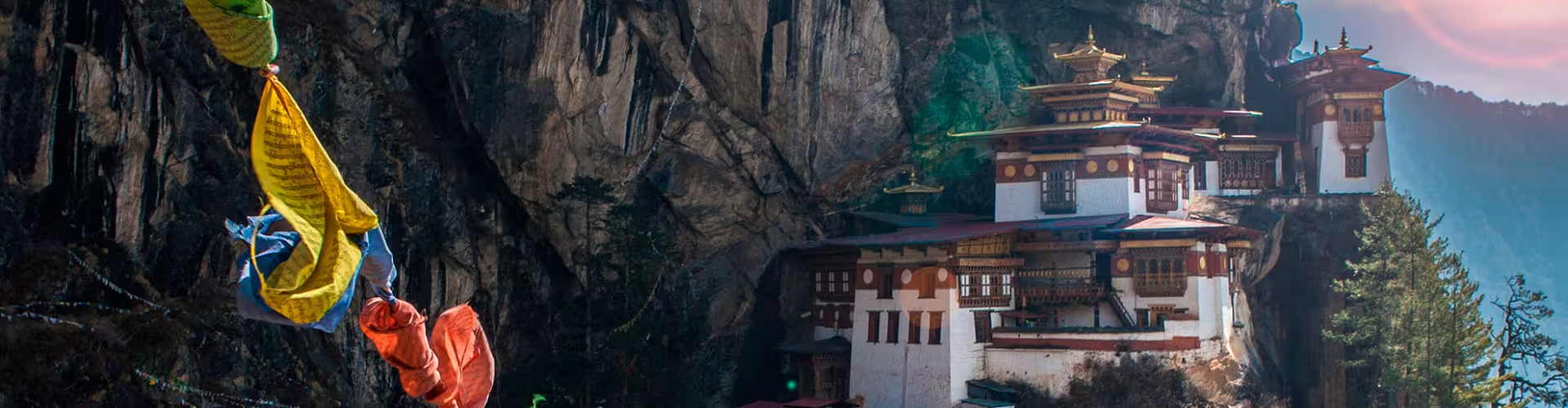
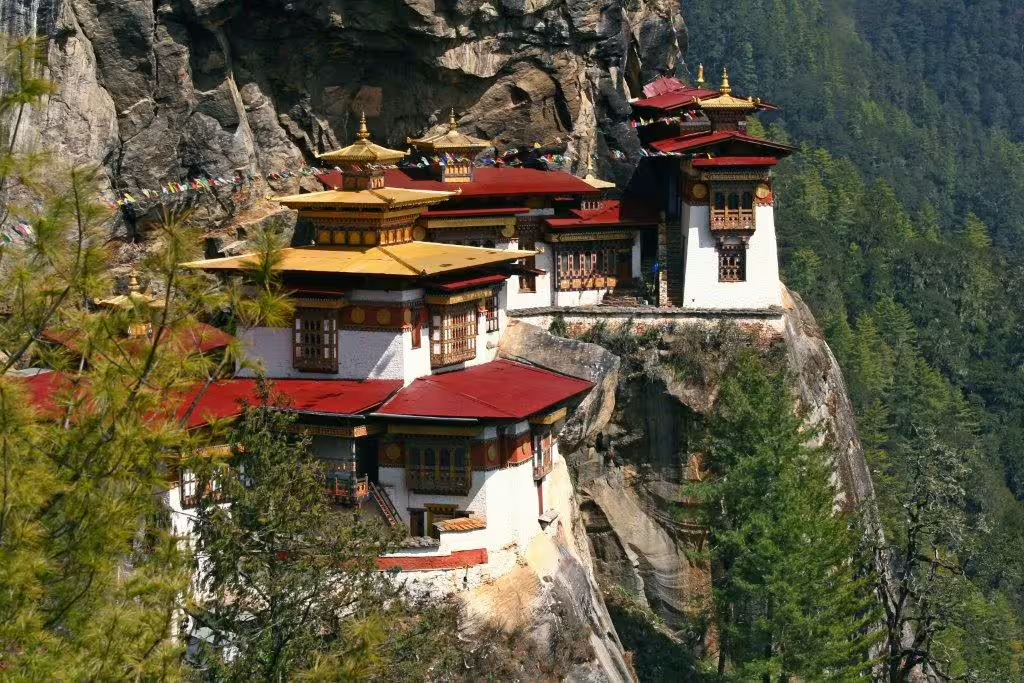
Tiger’s Nest Monastery: Perched on a cliff, this iconic site offers spirituality and breathtaking views. Allocate half a day for the hike.

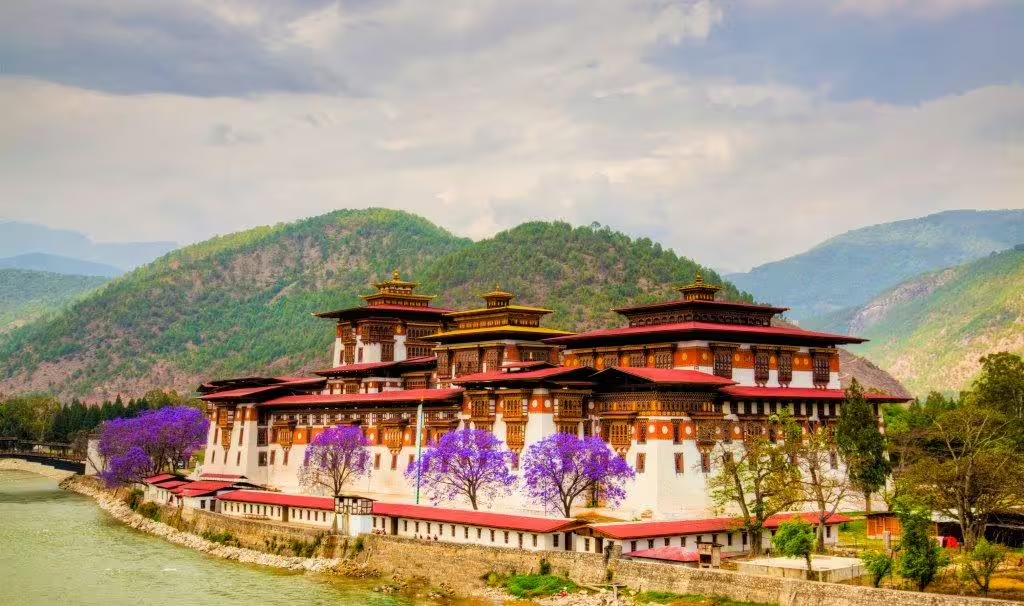
Punakha Dzong: Visit this majestic fortress, a prime example of Bhutanese architecture. Best seen in spring when the jacarandas bloom.

Thimphu Weekend Market: Dive into local culture by exploring this bustling market. Ideal for souvenir hunting.

Phobjikha Valley: Visit in winter to see the rare black-necked cranes. It’s a haven for nature lovers.

Bumthang Valley: Known as the spiritual heart of Bhutan, it’s filled with ancient temples and monasteries.

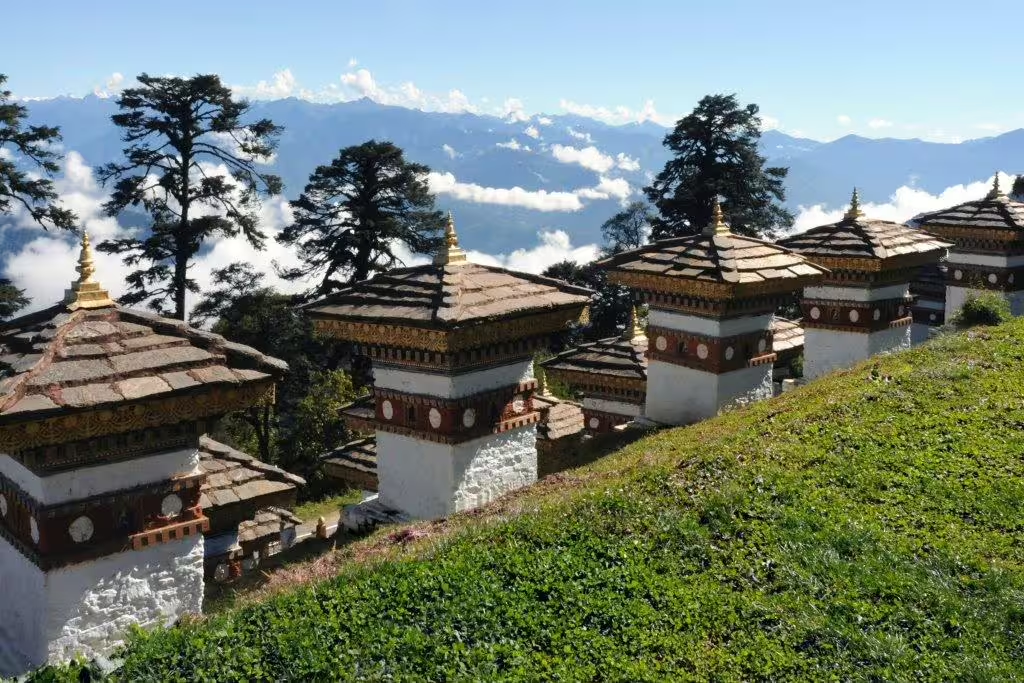
Dochula Pass: Stop here for panoramic views of the Himalayas. The pass is adorned with 108 chortens.


🚶 Suggested Short Itineraries

⏰ One Perfect Day

Start with a morning hike to Tiger’s Nest, followed by lunch in Paro. Spend the afternoon exploring Paro Dzong and the National Museum.

⏰ Two Days

Day one: Explore Thimphu’s landmarks like Buddha Dordenma and Tashichho Dzong. Day two: Head to Punakha and visit the Punakha Dzong.

⏰ Three Days

Day three: Journey to Phobjikha Valley for nature walks and bird watching. Consider a day trip to Gangtey Monastery.


🍽️ What To Eat And Drink

Ema Datshi: Spicy chili and cheese stew, Bhutan's national dish. Try it with red rice.

Phaksha Paa: Pork cooked with spicy red chilies and radish. A hearty choice.

Momo: Steamed dumplings filled with meat or vegetables, a tasty snack.

Suja: Butter tea, a traditional drink, perfect for warming up on cold days.

Chang: A local alcoholic beverage made from barley or rice, usually served during festivals.


🚌 Getting Around

Public transport is limited; consider hiring a private vehicle for convenience. Roads are winding and narrow, so plan extra travel time. Taxis are available in cities.


🌄 Best Day Trips

Haa Valley: A serene escape with alpine forests and traditional villages. Approximately 3 hours from Paro.

Chele La Pass: The highest motorable point in Bhutan, offering stunning views. A 2-hour drive from Paro.

Punakha: Visit the iconic Punakha Dzong and explore nearby trails. 3 hours from Thimphu.


✅ Practical Tips For Visitors

  • Book tours in advance to secure spots.
  • Mornings are best for major attractions to avoid crowds.
  • Dress modestly when visiting temples and monasteries.
  • Carry a reusable water bottle to stay hydrated.
  • Check the weather forecast and pack accordingly.

❓ Frequently Asked Questions, FAQ

Q: How many days do you need to explore Bhutan?
A: A 7 to 10-day trip is ideal to experience the country’s culture and landscapes. A shorter stay can cover highlights like Thimphu and Paro.

Q: Do I need a visa to visit Bhutan?
A: Yes, all tourists (except Indian, Bangladeshi, and Maldivian nationals) need a visa. It is processed through a licensed Bhutanese tour operator.

Q: What is the best way to travel between cities in Bhutan?
A: The best way to travel is by road. Hiring a private car with a driver offers flexibility and comfort.

Q: Is Bhutan suitable for solo travelers?
A: Yes, but note that solo travelers must book tours with licensed operators. It’s safe and culturally enriching.

Q: What languages are spoken in Bhutan?
A: The official language is Dzongkha, but English is widely spoken, especially in urban areas and tourist sites.