Last updated:
UNESCO added the Cape Floral Region Protected Areas to the World Heritage List in 2004, under criteria (ix) and (x), and redrew the boundaries significantly in 2015. UNESCO's World Heritage List entry for the Cape Floral Region Protected Areas explains why.
The property sits at the south-western tip of South Africa. It brings together national parks, nature reserves and wilderness areas, as well as State forests and mountain catchments, grouped into 13 clusters that cover more than 1 million hectares.
UNESCO describes the region as one of the six Floral Kingdoms on Earth. It is by far the smallest of them, and, for its size, the most diverse.
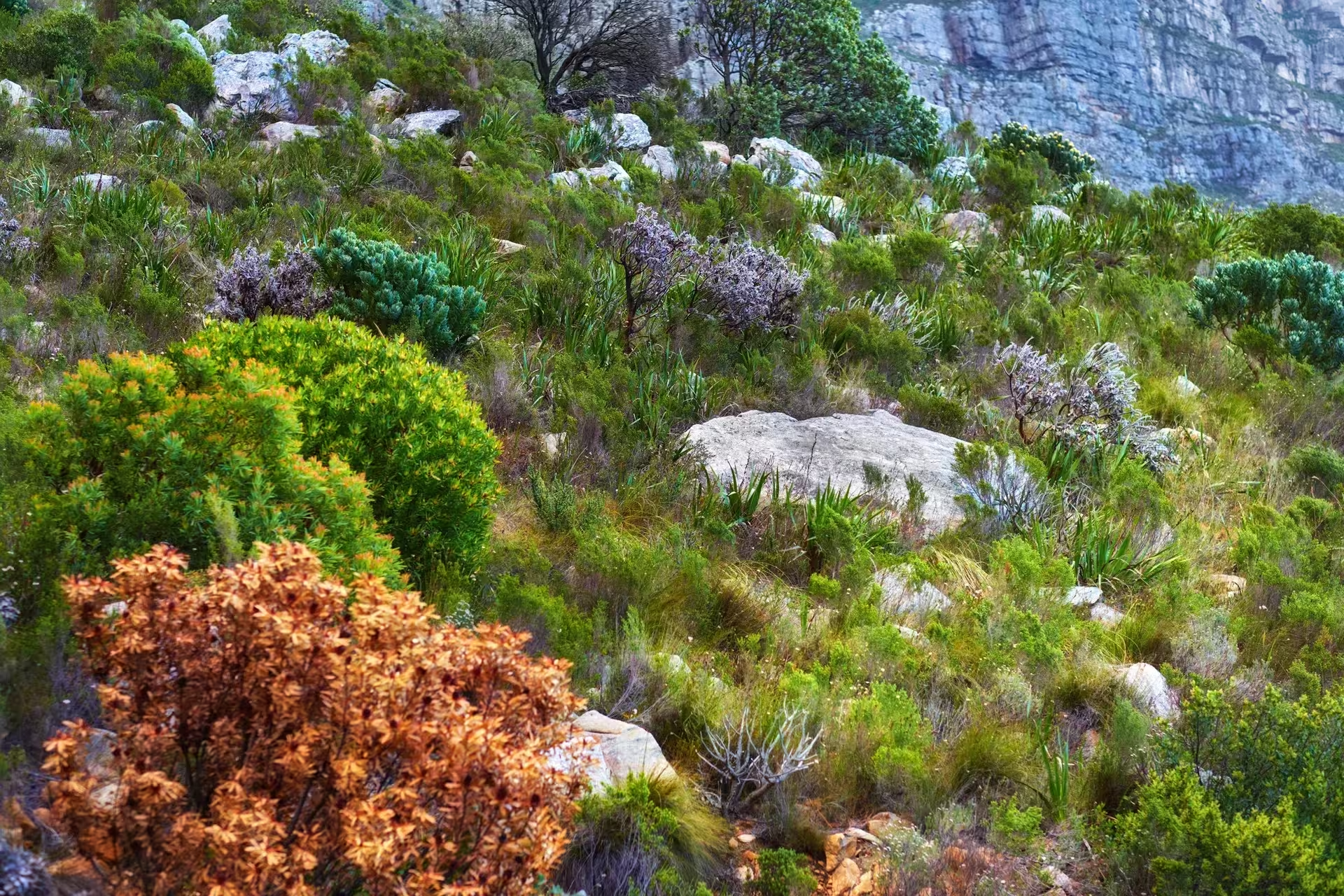
The typical vegetation is fynbos, a shrubland with fine leaves that has adapted both to a Mediterranean climate and to regular fires. It grows nowhere else.
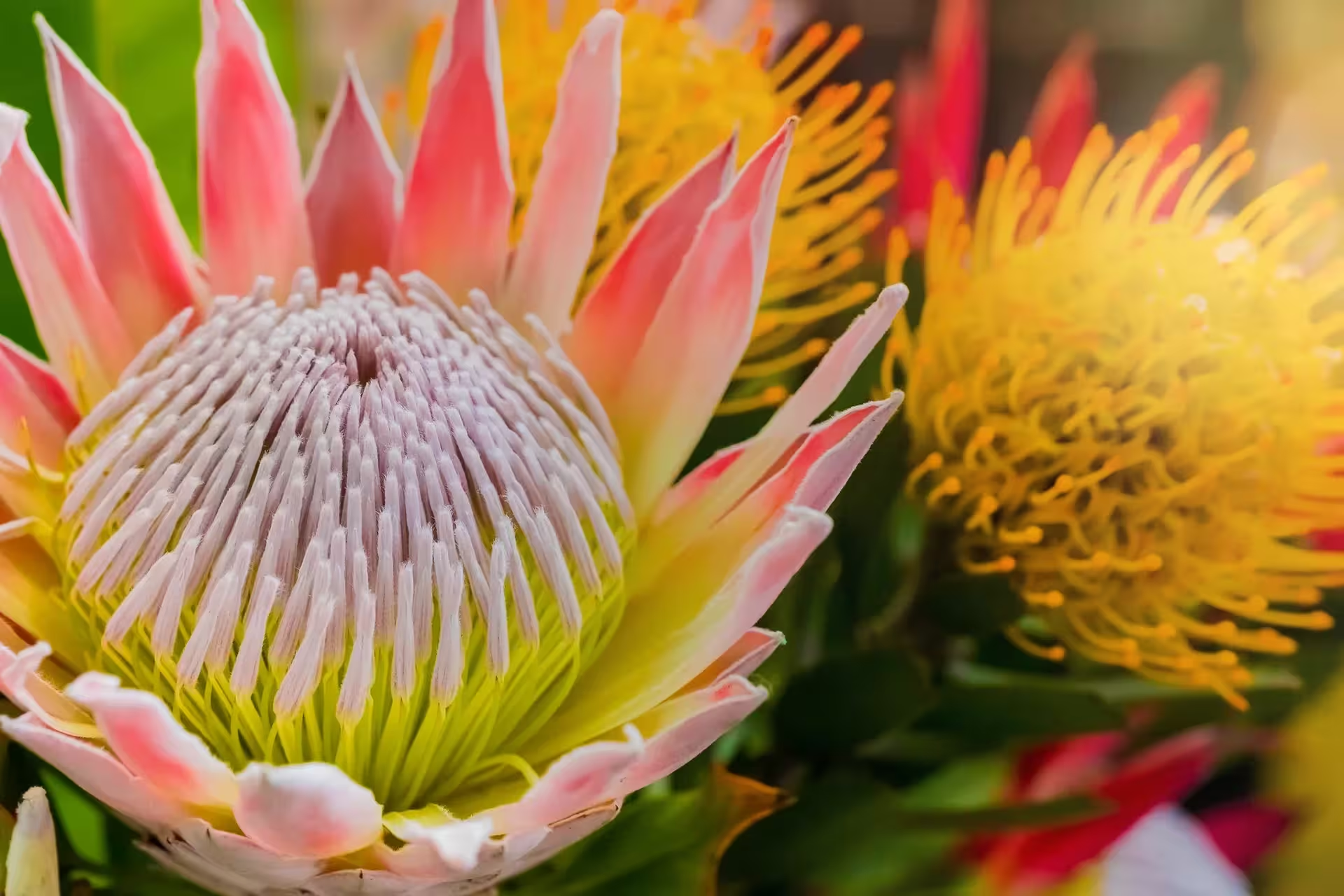
The figures explain the fame. The region covers less than 0.5% of Africa, yet holds nearly 20% of the continent's flora. Some 69% of its estimated 9,000 plant species are endemic, and 1,736 are listed as threatened. UNESCO counts it among the world's hottest hotspots for endemic and threatened plants.
Scientists watch how the plants cope with fire, how ants and termites carry their seeds, and how beetles, flies, birds and mammals pollinate them.
Three bodies manage the protected areas: South African National Parks (SANParks), CapeNature and the Eastern Cape Parks and Tourism Agency. Their biggest challenges today are invasive alien species and fire, and a growing population puts pressure on the land, above all in the Cape Peninsula.
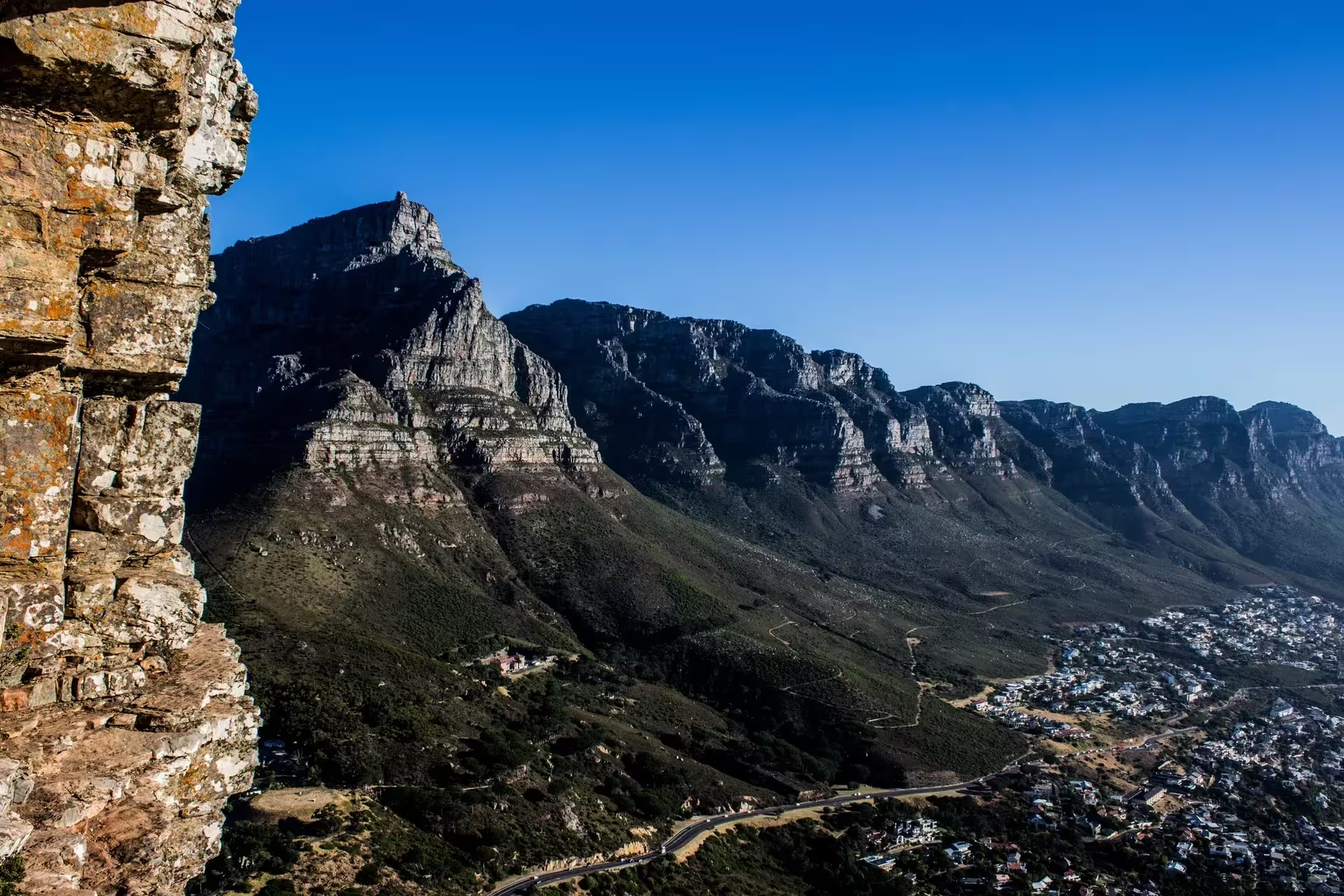
UNESCO's page does not single out Table Mountain, but operators who take visitors to its summit describe fynbos and wildlife on the plateau.
For a half day, the Cape Town Guided Tour: Table Mountain Cable Car and History pairs a cable car ride to the top of Table Mountain with the old city, says its operator. On the plateau it points out rock hyraxes, lizards, sunbirds and eagles among the fynbos; back in town, the tour visits the Castle of Good Hope, the Company's Garden and the Slave Lodge museum.
With a full day, the Cape Town Guided Tour: Table Mountain & Kirstenbosch Gardens adds Kirstenbosch, a botanical garden at the eastern foot of the mountain, according to its operator, together with a photo stop in the colourful Bo-Kaap and two wine tastings in the Constantia valley.
To see more of the peninsula, the Cape Town Full-Day Tour: Table Mountain & Cape of Good Hope is a small-group day with hotel pickup, says its operator. After the cable car it follows the Atlantic coast along Chapman's Peak Drive, takes a boat from Hout Bay to an island of Cape fur seals, and ends at the Cape of Good Hope and the Cape Point lighthouse.
The Cape's own shrubland, shaped by fire and found only in this region.
In 2004, and UNESCO changed its boundaries in 2015.
Around 9,000 species, most of them endemic to the region.
Yes. Several operators include the cable car, as described above.