Last updated:
South Africa's seasons are the opposite of Europe's: summer runs from October to March. The Western Cape takes most of its rain in winter, but almost everywhere else the rain falls mainly in summer. That one contrast shapes the trip. From November to March, Cape Town, the Winelands and the Garden Route are in their dry, bright season, while the Kruger and the Drakensberg are green, hot and wet.
Build your trip around the Cape, then add the bush or the mountains if you are happy to trade some heat and rain for lush landscapes, young animals and migrant birds.
Across the country, summer temperatures average highs of 28 °C (82 °F). South Africa records an average of 8.5 hours of sunshine a day. On the interior plateau, the altitude keeps average summer temperatures below 30 °C (86 °F); Johannesburg lies at 1694 m (5,558 ft). Thunderstorms are common in provinces such as Gauteng, North West and KwaZulu-Natal.
The sea is a tale of two currents. The warm Mozambique-Agulhas Current sweeps down the east coast and along the south coast to Cape Agulhas; on the west coast, the cold Benguela Current heads north. Expect bracing water on the Atlantic side of Cape Town and milder water as you travel east.
Cape Town is known for its lovely weather, beautiful beaches and outdoor adventures, so holidaymakers flock there in the summer months. Book flights, rooms and popular outings early, above all for the Christmas and New Year holidays.
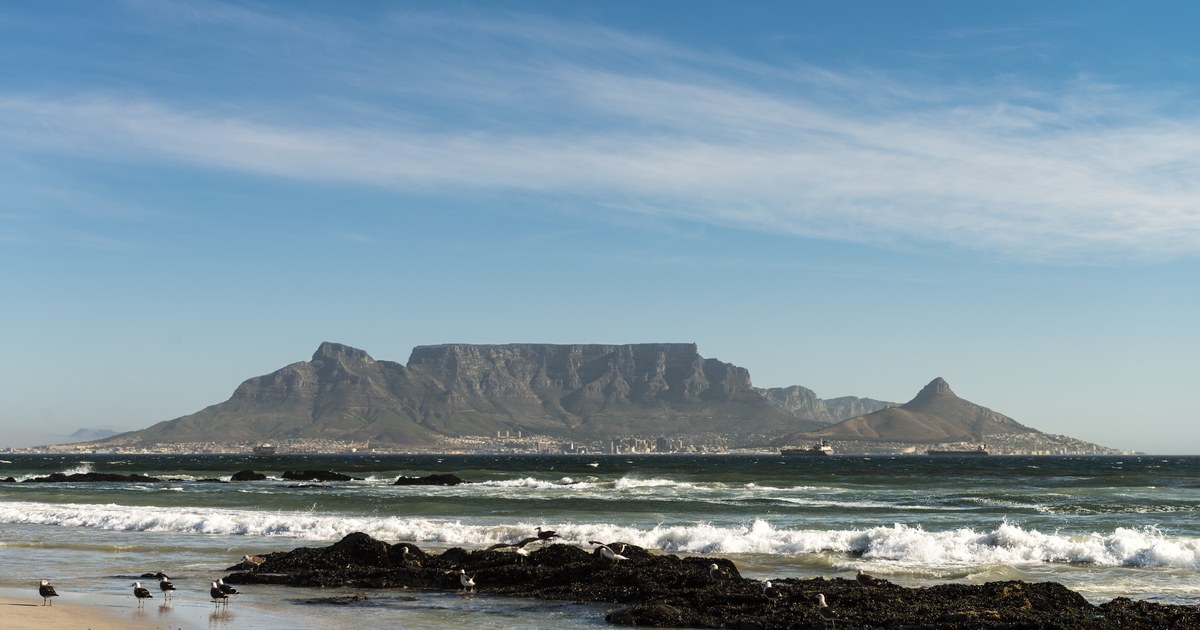
Table Mountain can be reached by a rotating cable car or on foot by several hiking routes. Table Mountain National Park is part of the Western Cape's Floral Kingdom, one of South Africa's UNESCO World Heritage Sites. Go up on the first clear morning you get, while the views are sharp. The Cape Town Guided Tour: Table Mountain & Kirstenbosch Gardens pairs the cable car with Kirstenbosch and wine tastings in the Constantia valley.
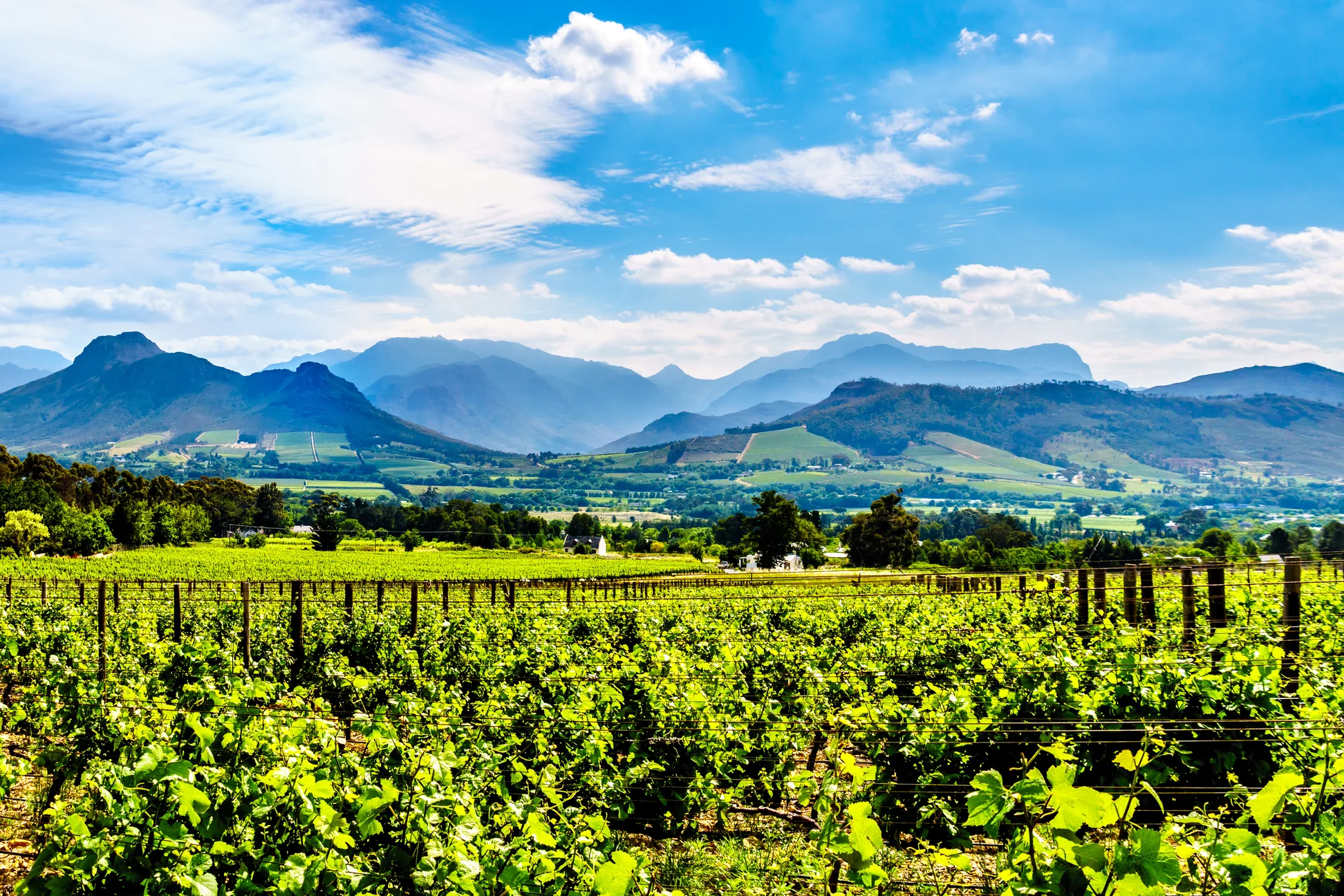
Stellenbosch, Paarl and Franschhoek, the historic towns of the Cape Winelands, and their Cape Dutch wine estates, some with roots in the 17th century, make an easy outing for a single day from Cape Town. Groot Constantia is the oldest wine-producing farm in South Africa. The Full-Day Wine Tasting Tour in Constantia Cape Town stays close to the city, while the Full-Day Cape Winelands Guided Tour: Stellenbosch & Franschhoek heads inland to the bigger valleys.
Robben Island and the penguins of Boulders Beach are Cape Town classics that need planning of their own, so they are left for a separate guide.
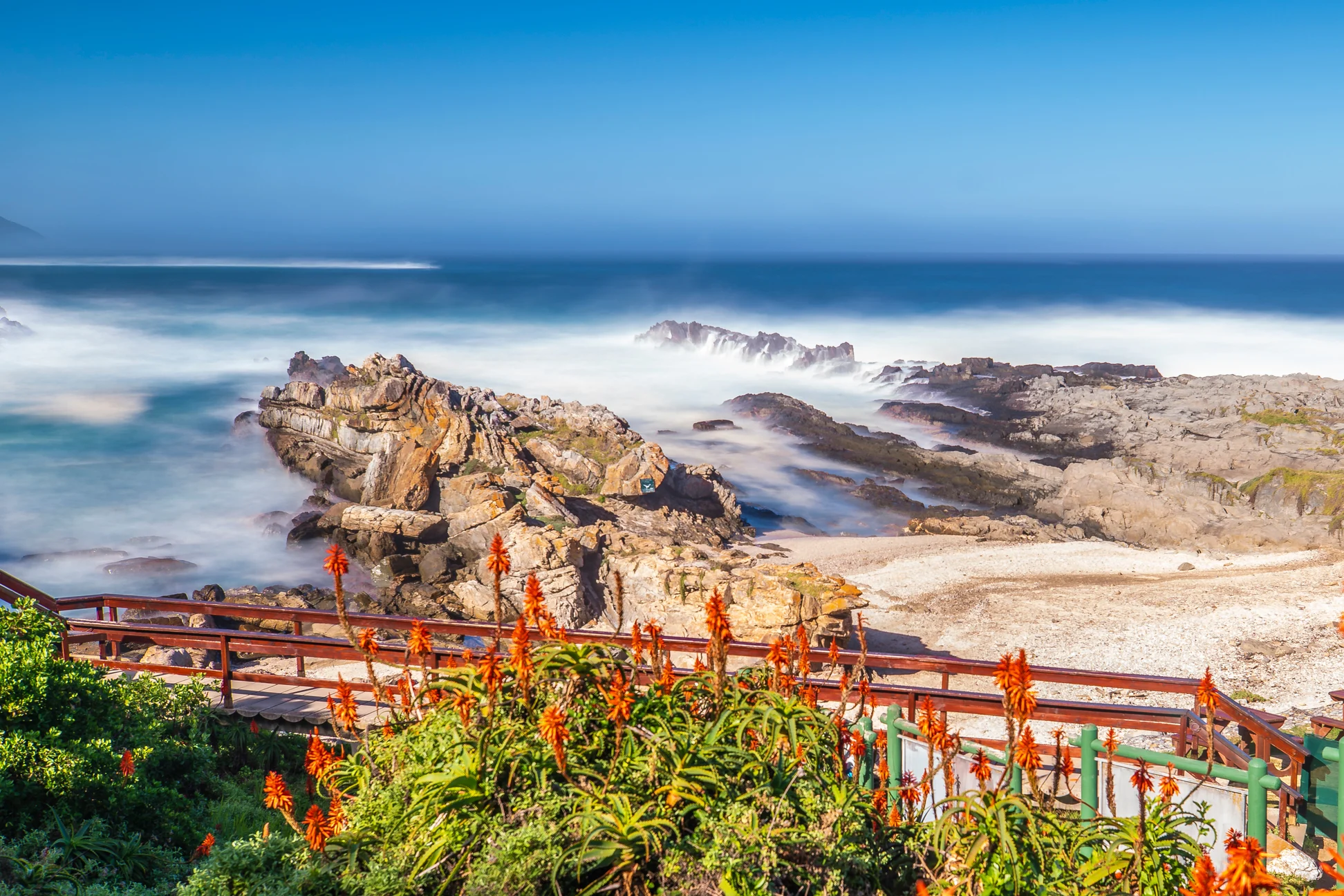
East of Cape Town, the town of Hermanus sits on cliffs above the sea. The whale season on this coast runs from June to November, when southern right whales come close to the shore. A trip in November catches only the end of the season, so treat any sighting as a bonus.
Hermanus is skirted by 11 km (6.8 miles) of cliff paths along the rocky shore, with benches where you can sit and do some whale watching. From Cape Town, Hermanus is about 90 minutes by car. The Cape Agulhas Private Full-Day Tour from Cape Town travels further along this coast, through the farmland of the Overberg, to Cape Agulhas.
The Garden Route takes in Mossel Bay, Sedgefield, George, Wilderness, Plettenberg Bay and Knysna, with beaches, lakes, lagoons and forests along the way. Three trails lie within the Garden Route National Park: the Otter Trail, the Dolphin Trail and the Outeniqua Hiking Trail. In Plettenberg Bay you can look out for bottlenose dolphins and the rare Indo-Pacific humpback dolphin.
Summer is the busy season here as well, so a slow self-drive with rooms booked ahead works best. If you would rather not drive, the 3-Day Garden Route and Wildlife Safari from Cape Town covers the route from Cape Town.
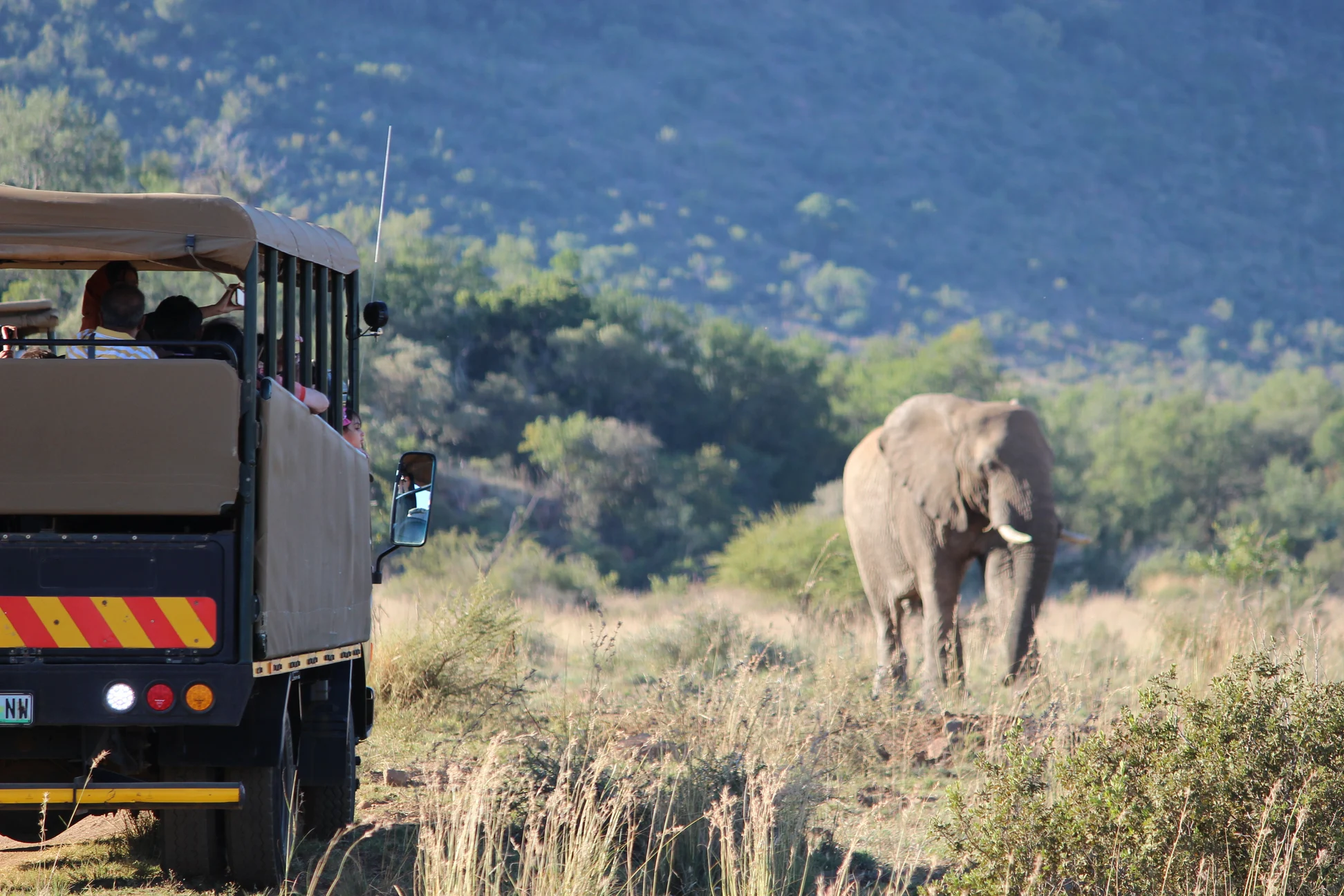
In the Kruger National Park, summer brings heat, green scenery and plenty of young animals. In winter the grass is low and the animals depend on waterholes. In summer, with water everywhere and the bush thick, sightings can take more patience, but the park is at its greenest.
From November to March, migrant birds fly in, and more than 500 bird species can be spotted in the park over the summer. Days at this time of year can be very hot, so pack sunscreen, a hat and insect repellent.
By road, the park is about a five-hour drive from Johannesburg, and three airports serve it. Cape Town is about 1,842 km (1,145 miles) from the park. If you combine the Cape and the Kruger, plan on a domestic flight rather than a drive.
If the Kruger does not fit your route, the Full-Day Pilanesberg Safari from Johannesburg is a day trip from Johannesburg, and the Cape Town Full-Day Safari at Aquila Reserve with Lunch offers a game drive within a day out from Cape Town.
In its 2018 malaria alert, the National Institute for Communicable Diseases listed the Kruger National Park and adjoining areas among South Africa's malaria areas. The institute advises all travellers to malaria risk areas to take precautions against mosquito bites, and says that medication to prevent malaria should be strongly considered.
Check with your lodge whether it lies in a malaria area, and check current official health and travel advice before leaving home. If you fall ill with flu-like symptoms after a trip to a malaria area, see a doctor and ask for a malaria blood test.
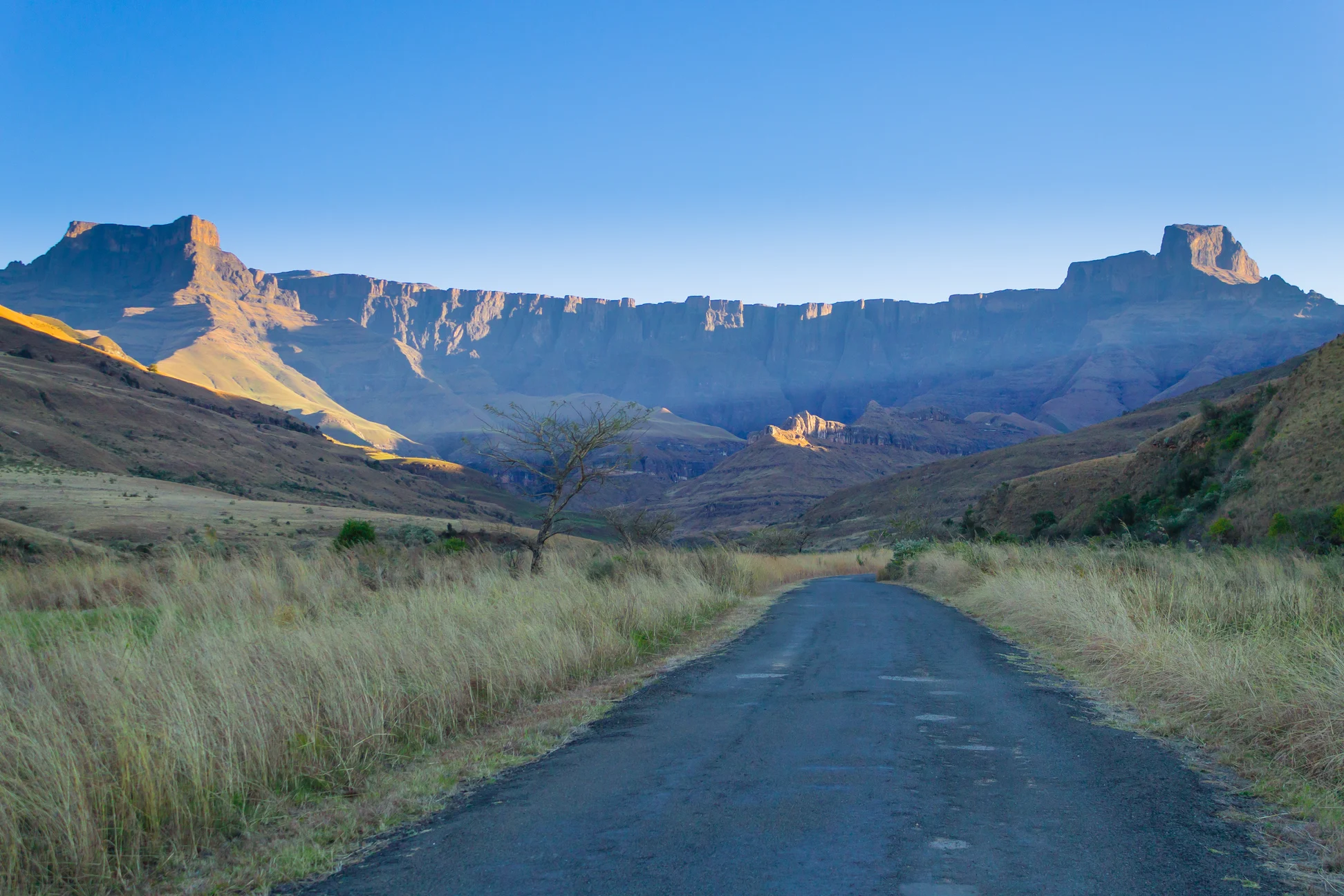
The Great Escarpment, the country's most prominent relief feature, reaches 3482 m (11,424 ft) in the KwaZulu-Natal Drakensberg. The uKhahlamba-Drakensberg Park, run by Ezemvelo KZN Wildlife, is about 2 hours' drive from Durban and was declared a UNESCO World Heritage Site in 2000. Around 600 caves and overhangs in these mountains hold more than 30,000 paintings left by the San people.
Spring (September to November) and autumn (March to May) bring stable weather, while summer is marked by dramatic thundershowers. The park is a good destination all year, and particularly beautiful in November. In summer, hikers should watch out for afternoon thunderstorms and pack rain gear. Set off early, so the longer stretches of a walk are behind you before the clouds build.
In the gentle foothills of the Little Berg, the Rainbow Gorge trail is 5.5 km (3.4 miles) long and takes about 2 hours, through forest and into a gorge of rock pools and waterfalls. Spend at least 2 nights in the Drakensberg, more if you enjoy hiking.
Many trips start or end in Johannesburg, and a spare morning there is well spent. South Africa is considered the cradle of humankind and holds 40% of all hominid finds on Earth; the Cradle of Humankind is one of its World Heritage Sites.
With about a week, stay in the Western Cape: Cape Town and the Winelands first, then Hermanus or the start of the Garden Route. With two weeks or more, add a flight to the Kruger for the bush in its green season, or fly to Durban and drive up to the Drakensberg for walks among the peaks and the rock art.
Whatever the route, the summer sun is strong, so carry water, a hat and sunscreen on every outing.
Yes, especially for the Western Cape, which is in its dry season then. Most of the rest of the country has its rainy months, with green scenery and young animals, but also heat and thunderstorms.
It can be. The bush is green, the migrant birds are back and young animals are about, but it is hot, the grass is high and South Africa's National Institute for Communicable Diseases counts the park as a malaria area, so follow current official advice on prevention.
Not at Hermanus as a rule: the whale season there ends in November, so a December visit falls after it.
For the Garden Route and the Drakensberg, a car gives you the most freedom. Around Cape Town, guided day trips cover the Winelands and Table Mountain without driving.