Last updated:
In Sharm El-Sheikh, a Red Sea resort in South Sinai, winter is mild rather than hot. The figures below are the Egyptian Meteorological Authority's averages for 1981 to 2010.
The mean daily maximum is 23.4 °C (74 °F) in December, 21.9 °C (71 °F) in January and 23.0 °C (73 °F) in February, against 38.8 °C (102 °F) in August. Nights are cooler: the mean daily minimum is 13.5 °C (56 °F) in January and 14.0 °C (57 °F) in February. At the edges of the season, the mean daily maximum is 27.3 °C (81 °F) in November and 25.8 °C (78 °F) in March.
Rain is rare: from November to March the mean number of rain days is below one in every month (0.3 in November and December, 0.4 in January, 0.1 in February and 0.4 in March). Pack a warm layer for the evenings and for any trip that starts before dawn.
For the tourist areas on the Red Sea in the south of the Sinai Peninsula, GOV.UK gives the travel risk as generally low. It adds that, to protect resorts such as Sharm El-Sheikh, security forces routinely check vehicles and airports.
For North Sinai, GOV.UK advises against all travel. For the northern part of South Sinai past the St Catherine-Nuweibaa road, it advises against all but essential travel, though this does not apply to the coasts on the peninsula's western and eastern sides. Before a trip inland, look at the regional risks page and map on GOV.UK.
GOV.UK advises booking any activities outside the resort areas through approved agents or tour operators. Read the current GOV.UK travel advice for Egypt, or your own government's current advice, before you book and again before you travel.
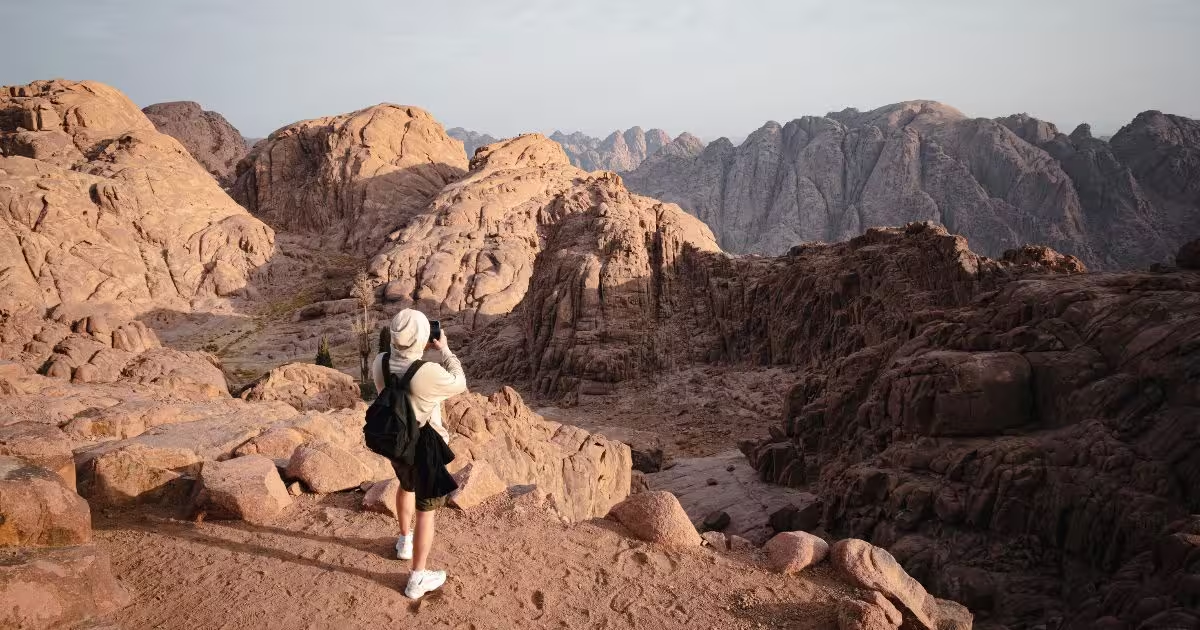
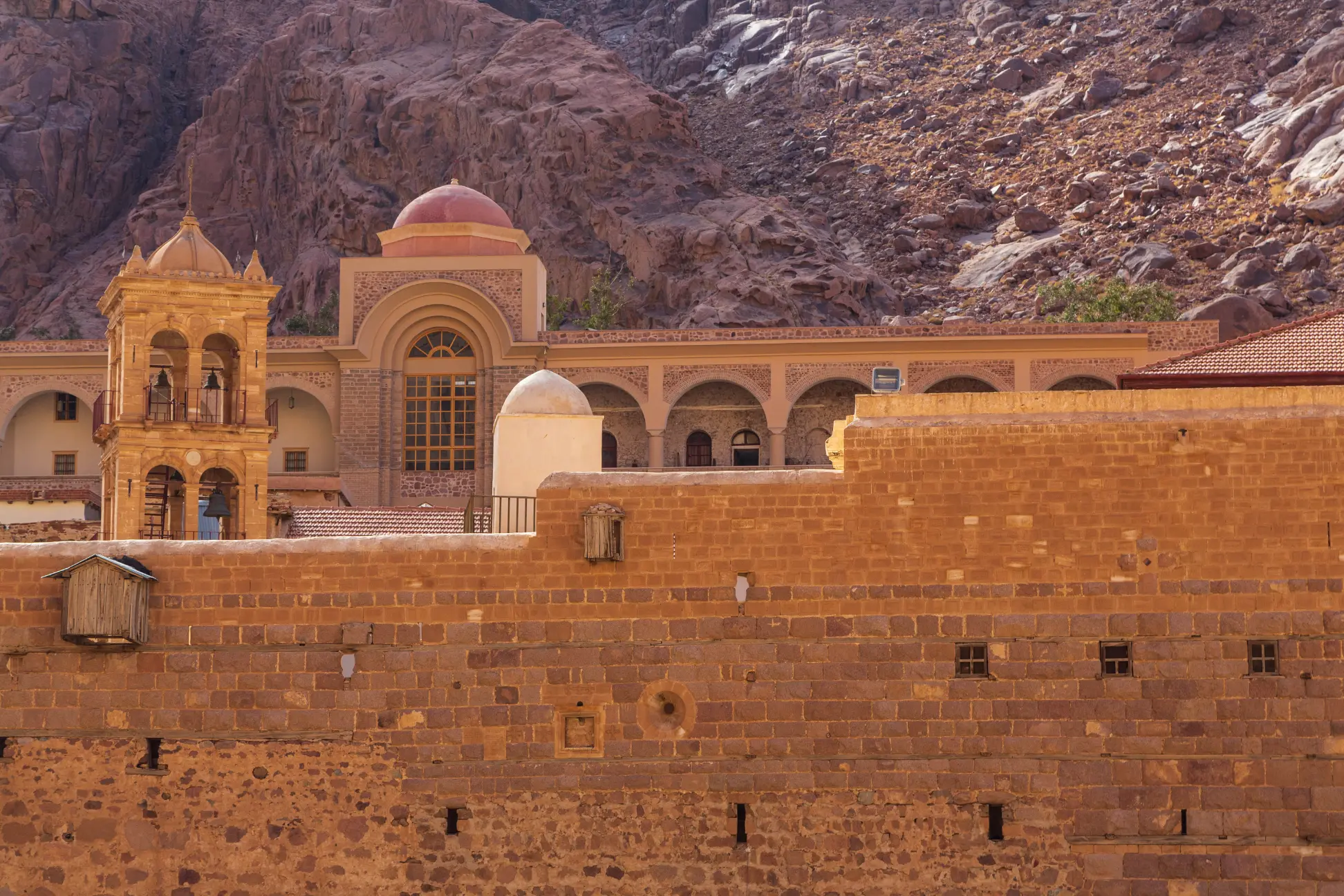
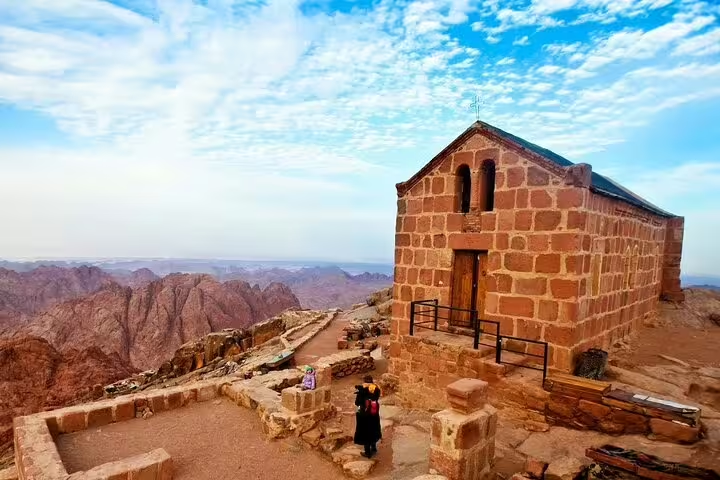
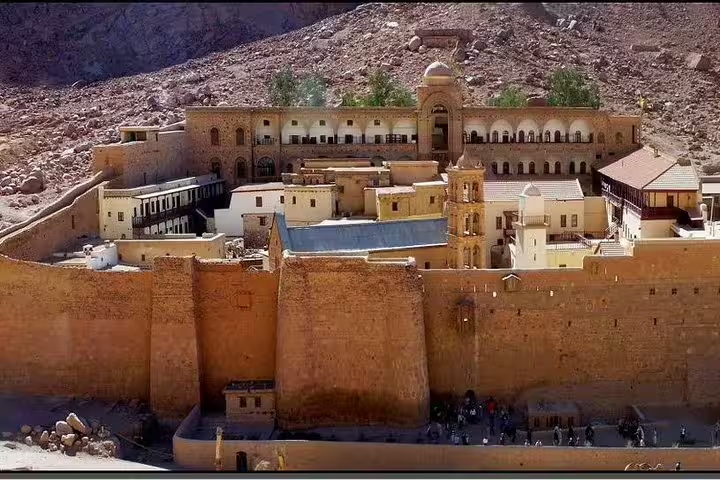
According to UNESCO, the Orthodox Monastery of St Catherine sits at the base of Mount Horeb. This is the mountain where, in the Old Testament, Moses received the Tablets of the Law, and Muslims revere it under the name Jebel Musa. UNESCO also describes the whole area as sacred to Christianity, Islam and Judaism.
The monastery was founded in the 6th century, and the Saint Catherine Area was inscribed on the World Heritage List in 2002. Some of the monastery's repairs go back to the Middle Ages, and both the monks and local Bedouin did the work. The Saint Catherine Area includes a Nature Protectorate declared in 1988, and the mountain landscape around the monastery holds numerous archaeological and religious sites. The UNESCO page of the Saint Catherine Area has the full description.
The Mount Sinai Night Climb & St. Catherine Monastery Day Trip collects guests from hotels in Sharm El-Sheikh late in the evening; its operator describes a climb in the dark to watch the sunrise from the summit, then a guided visit to the monastery. For the same climb with your own guide and vehicle, the Private Mount Sinai Sunrise Tour & St Catherine from Sharm is a private version.
If a night on the mountain is not for you, the St Catherine Monastery Day Trip from Sharm El Sheikh goes to the monastery by day with a licensed guide, according to its operator, and continues to the coast at Dahab before the drive back.
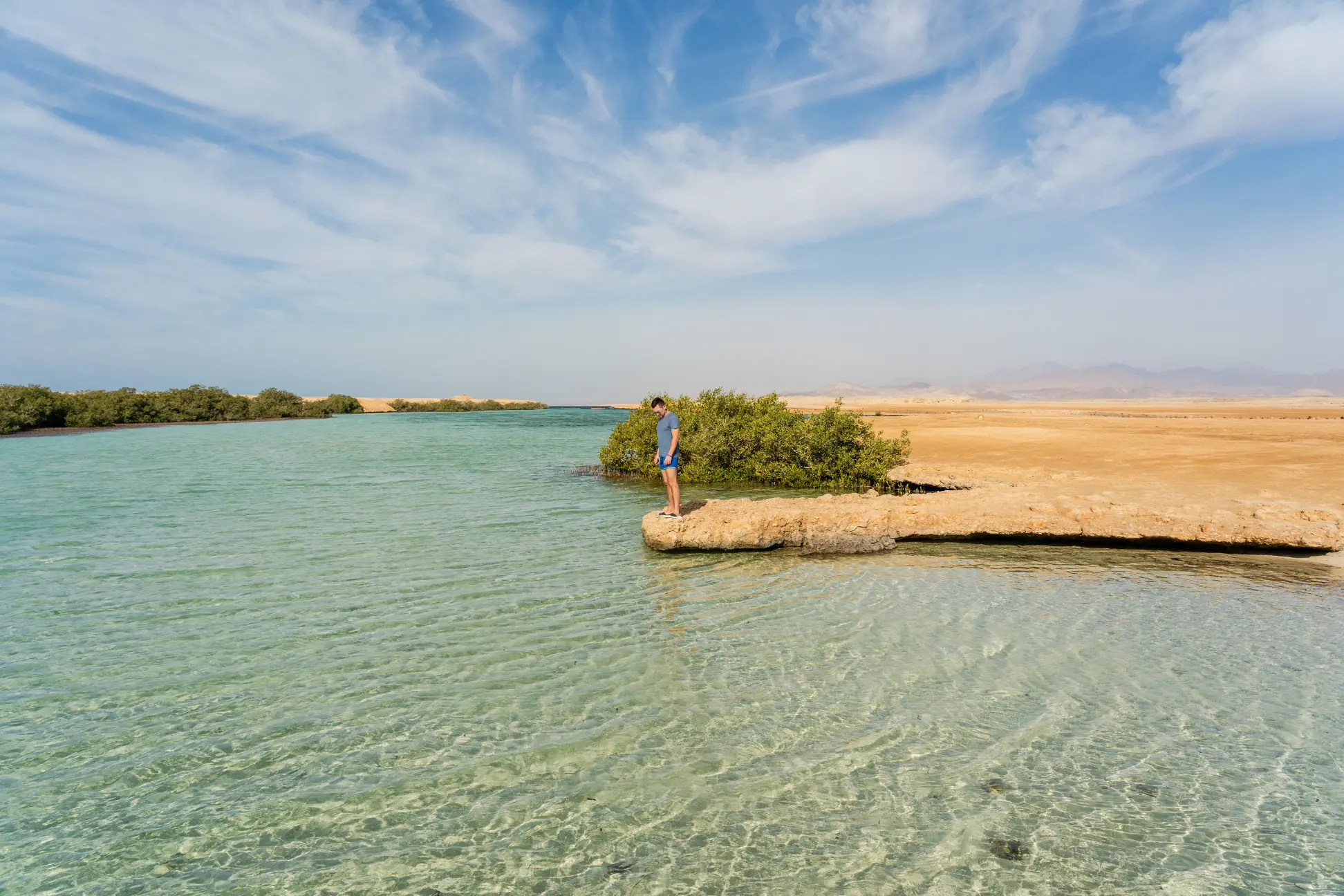
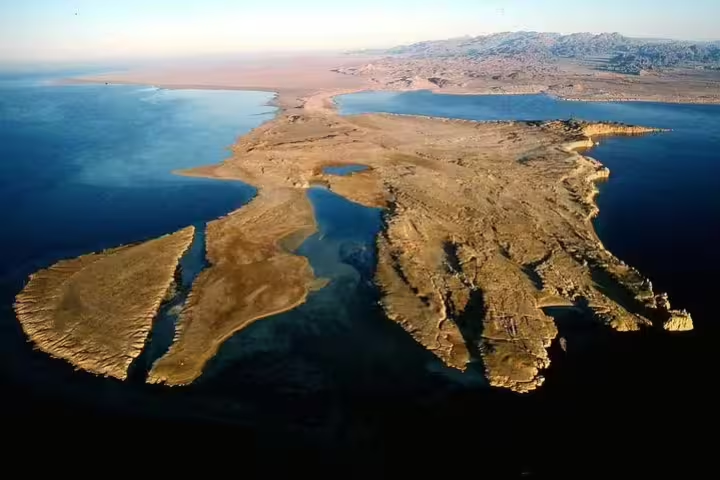
The Ras Mohammed National Park Private Day Trip with Snorkeling is a private outing into Ras Mohammed National Park. Its operator's route includes snorkelling, a walk among mangroves that grow in salt water, a fault line it calls the earth crack, and a tidal pool it calls Magic Lake.
Not everyone wants to put their face in the water. The Semi Submarine Tour in Sharm El Sheikh Red Sea seats its passengers by large windows below the surface; the operator says no swimming, snorkelling or diving skills are needed to watch the reef.
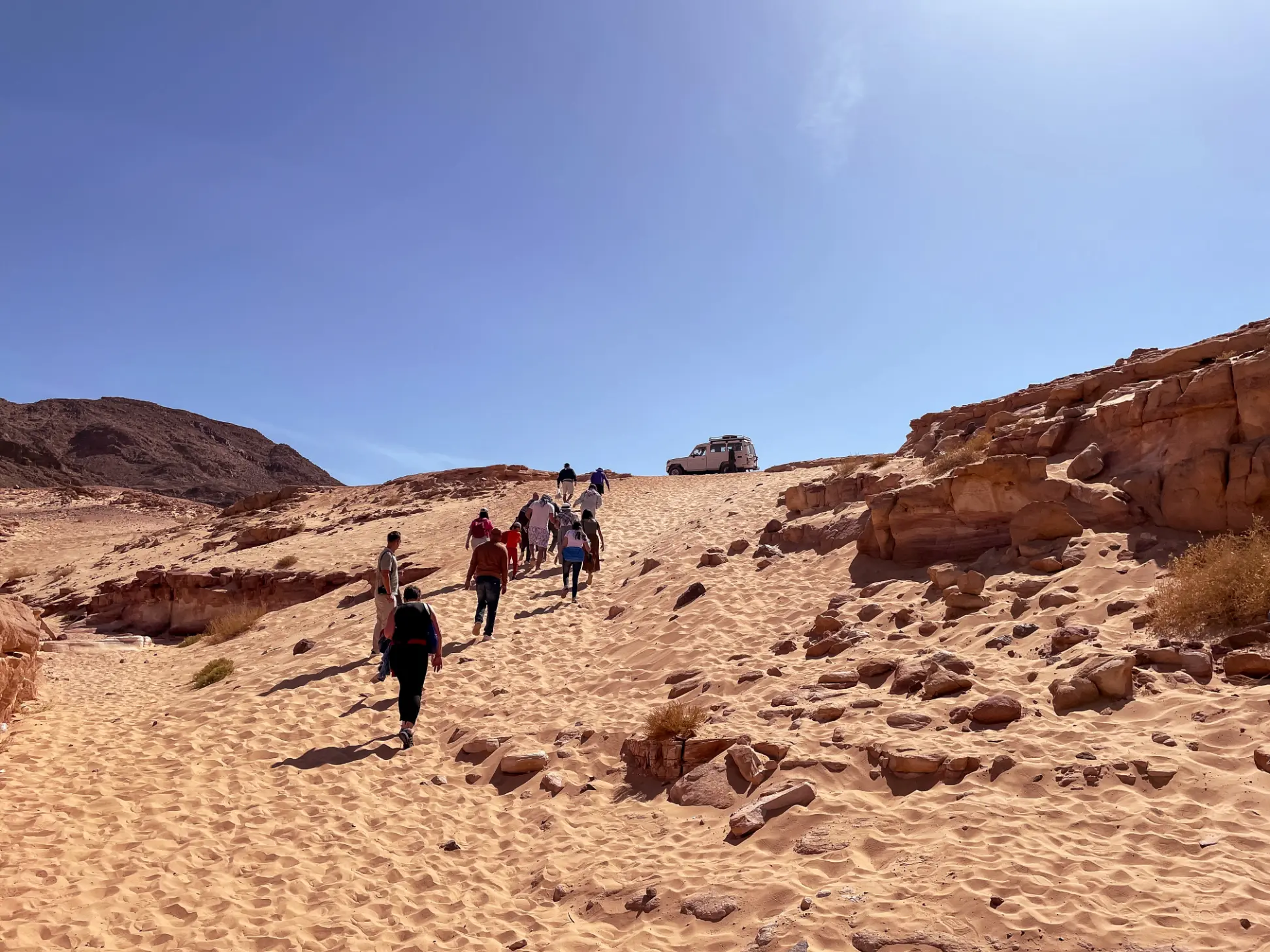
Inland from the coast, the Jeep Safari from Sharm el Sheikh to Canyon Salama Dahab drives guests from their hotels into the desert for a guided walk through the sandstone of Canyon Salama, then heads to Dahab; the operator rates the walk as easy.
For an evening, the Sharm El Sheikh Desert Camel Ride and Bedouin BBQ Night Tour starts with a camel ride into the desert with Bedouin hosts, according to its operator, and ends with dinner at a tent under the stars.
If a desert outing offers a quad bike, read GOV.UK's warning first: it reports that British nationals have had several serious quad bike accidents in resort areas, says safety standards vary and advises always wearing a crash helmet. This guide does not suggest a quad tour.
Put Mount Sinai early in your stay: it is a long night, and an early slot leaves room to move it if you feel unwell or tired. Keep the reef and the canyon for the days around it, and an evening in the desert for the end of the trip.
Ramadan dates vary by year, so check them before you travel; GOV.UK notes that during Ramadan, eating, drinking or smoking in public in daylight hours is culturally insensitive. GOV.UK advises caution in tourist areas, where it says scammers and touts sometimes target foreign nationals.
For British passport holders who fly into Sharm El-Sheikh and stay less than 15 days at resorts in Dahab, Nuweiba, Taba or Sharm El-Sheikh itself, GOV.UK says no visa is needed, and the entry stamp they get is free. If you plan to travel outside the resorts, or to stay more than 15 days, you need a visa.
St Catherine is not on that list of resorts, so if Mount Sinai is in your plan, read the GOV.UK entry requirements for Egypt before you fly; GOV.UK says a visa can be obtained at Sharm El-Sheikh Airport or online. On another passport, check your own government's advice.
Mild by day and cool at night: January averages a high of 21.9 °C (71 °F) and a low of 13.5 °C (56 °F), with warmer days in November and March.
Hardly ever. The Egyptian Meteorological Authority's figures give fewer than one rain day in each month from November to March.
Not for a stay of less than 15 days at the resorts of Sharm El-Sheikh, Dahab, Nuweiba or Taba after arriving by air at Sharm El-Sheikh: GOV.UK says a free entry permission stamp is given on arrival. Travel outside those resorts, or a longer stay, needs a visa.
GOV.UK rates travel to the Red Sea tourist areas of southern Sinai as generally low risk. It advises against all travel to North Sinai, and against all but essential travel to an inland area of South Sinai beyond the St Catherine-Nuweibaa road. Check the current advice before you go.