It is not only the city: Évora and the Alentejo will be European Capital of Culture in 2027, a title they share with Liepāja, in Latvia. The official opening of the European Capital of Culture is scheduled for 6 February 2027. For a traveller, that means a year of events spread over a walled town and the wide plain around it, with plenty to see between them.
The European Capital of Culture initiative was developed in 1985 and has been awarded to more than 60 cities in the European Union and beyond. Évora is the fourth Portuguese city to hold the title, after Lisbon, Porto and Guimarães.
For the first time in Portugal, 12 cities ran for the title, and Évora's selection was announced in Lisbon on 7 December 2022. Évora 2027 is led by the Municipality of Évora and supported by the four intermunicipal communities of the Alentejo, which represent the region's 47 municipalities. That is why much of the year will happen outside the city walls as well as inside them.
Évora 2027 is built on Vagar, the Alentejo's cultural way of being. The word is hard to translate: it is about taking the time that things deserve, and it fits a region known for its unhurried pace.
The cultural programme is built on three thematic lines, Time, Space and Matter, and brings together art and science, artists and audiences, the local and the global. Expect contemporary work in historic places rather than a single big festival.
The 2026 programme is a preparatory phase for the central year, and it values time, the relationship with the territory and artistic creation in dialogue with local communities. In October 2026 Évora hosted the first GUADIANA literature festival, a project of Évora_27 that brought together 28 authors from nine countries.
The Academia do Vagar, a series of international conferences, meetings, talks and workshops, takes place every month until December 2027. Projects chosen through the open call A Nossa Vez (Our Turn) will be presented throughout 2027 in different places across the Alentejo.
The full programme for the title year had not been published when this guide was written. Check the official Évora 2027 website before you book, and plan around the events that matter to you.
The opening weekend will be the busiest moment of the year, so book a room early if you want to be there. If crowds are not your thing, any other month works: the old town, its monuments and the megaliths are there all year, and the programme moves around the region.
Summer in the Alentejo is hot, so in July and August see the sights in the morning and keep the middle of the day for a long lunch and a shaded courtyard.
Évora has been World Heritage since 1986, thanks to the monuments of its golden age in harmony with the everyday fabric of the town. Évora stands on a hill above the Alentejo plain, 140 km (87 miles) east of Lisbon.
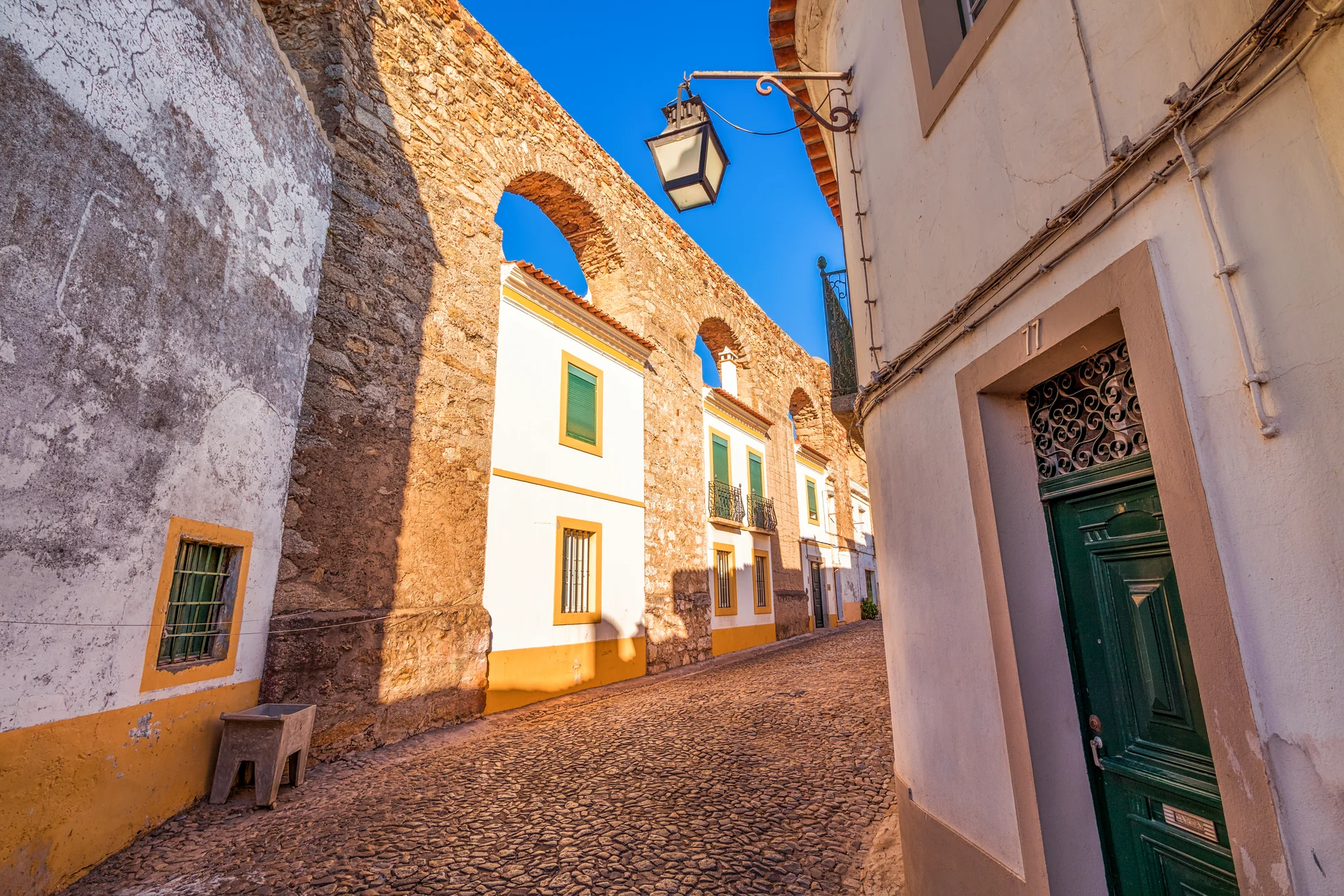
Low white houses with tiled or flat roofs give the old town its unity, and wrought iron and azulejo tiles make it even more coherent. Évora reached its golden age in the 16th century, the time of its great works of architecture. The best way to see it is on foot, without a fixed plan, through the narrow streets inside the walls. Our Évora travel guide has more on the town.
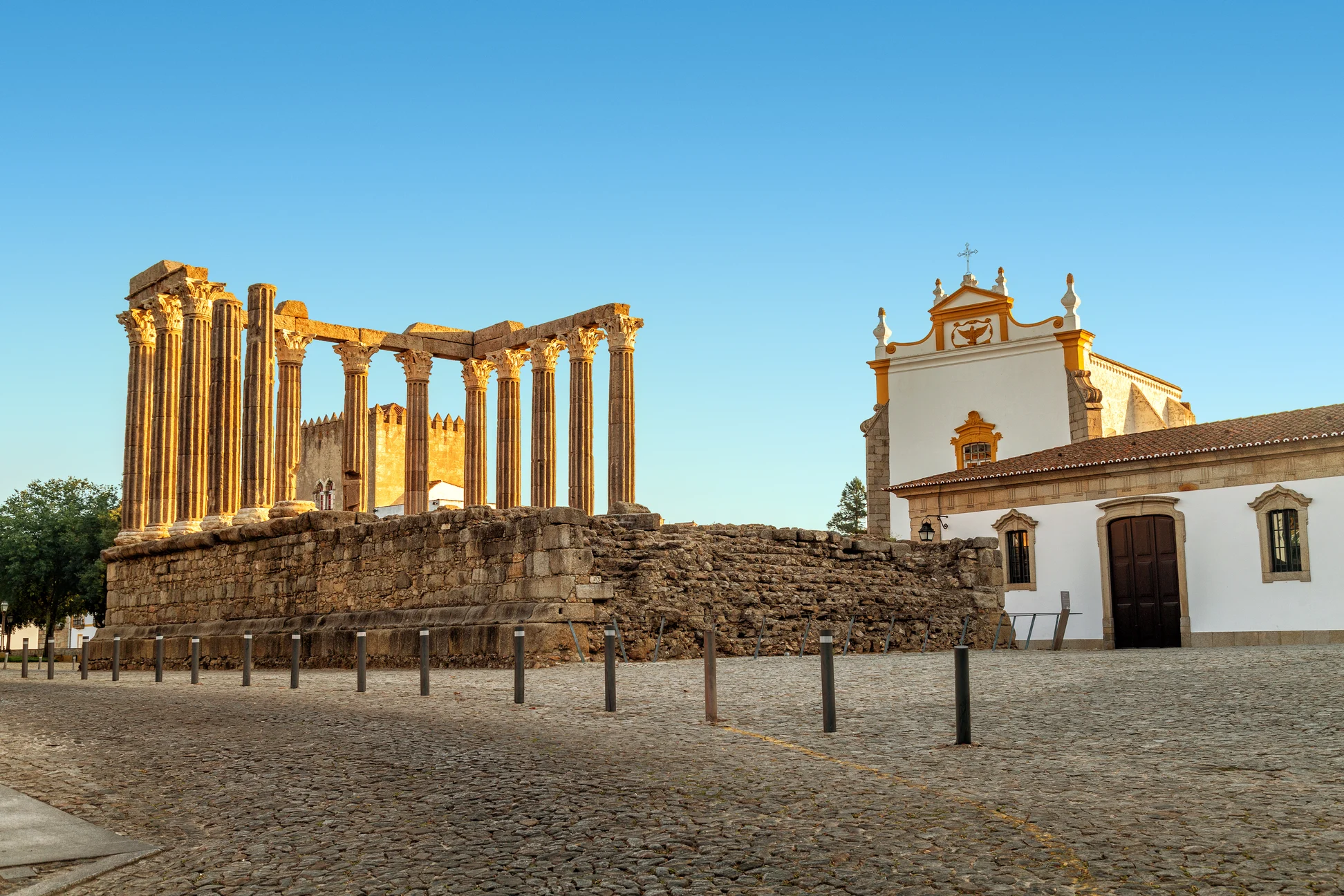
The Roman temple dates from the 1st century and was part of the forum; it was probably dedicated to the imperial cult and not to Diana, whose name it has carried since the 17th century. Over the centuries the temple was reused, above all as the town's butcher's shop.
A short walk away, the cathedral, dedicated to Saint Mary, was built in the 13th and 14th centuries in the Romanesque and Gothic styles, and its pointed portal with sculptures of the Apostles and its cloister stand out.
If you want the Roman layer of the city explained street by street, the Private Walking Tour of Évora Roman Ruins & Temple is a guided walk with a local guide.
The Chapel of Bones, in the Church of São Francisco, has three naves lined entirely with human bones and dates from the 17th century. It is a place for a few quiet minutes, so go early or late in the day if you can.
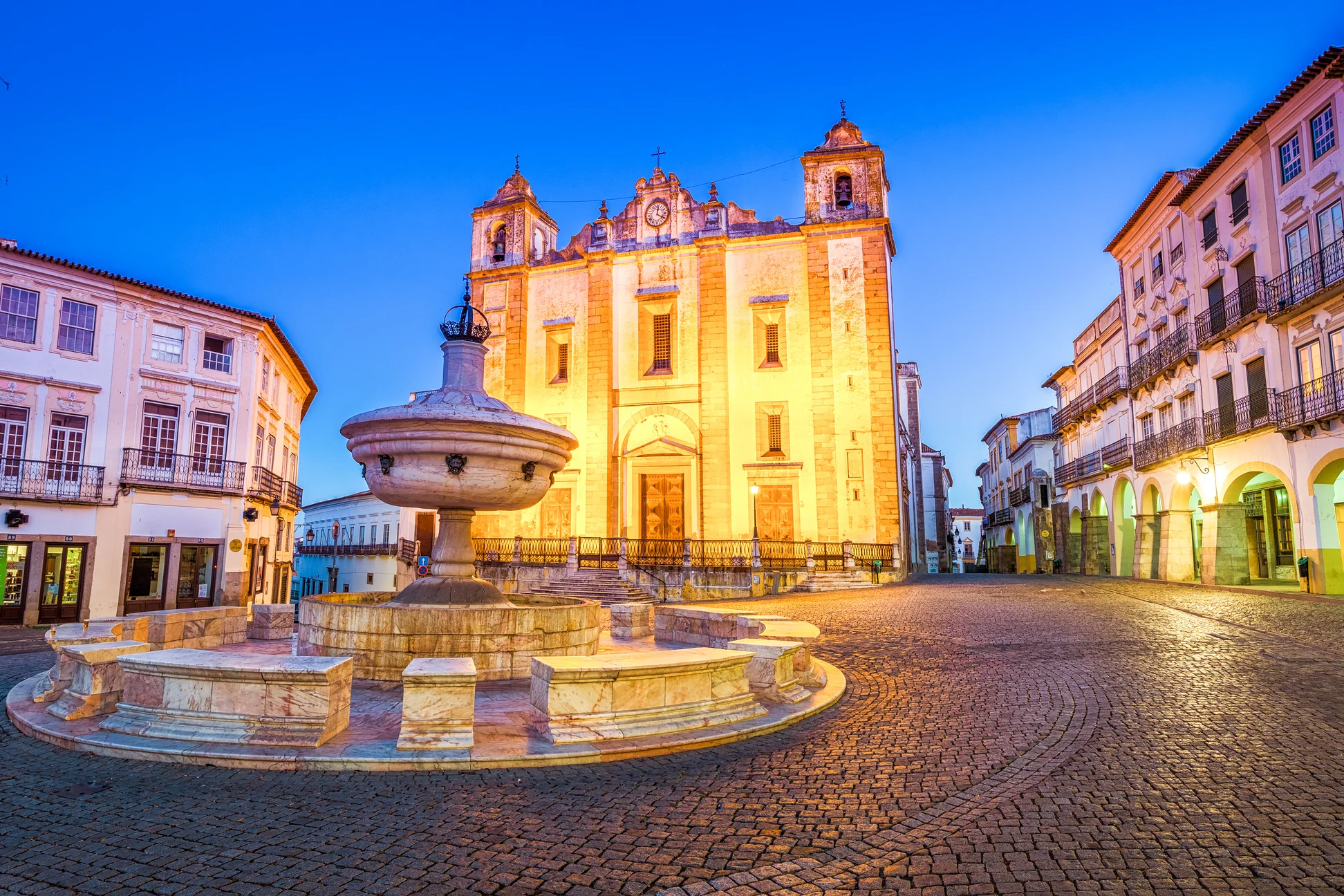
Praça do Giraldo, where the daily market was once held, has carried its name since 1869, in honour of Giraldo Sem Pavor, who took Évora from the Moors in 1165. The square's fountain was begun in 1571, and its 8 bronze spouts stand for the 8 streets that lead into the square.
The Água de Prata aqueduct was inaugurated on 28 March 1537 and runs for about 18 km (11 miles). The old university, founded by Cardinal Henry, was inaugurated in 1559 and closed after the Jesuits were expelled in 1759; today's University of Évora dates from 1979.
For a different chapter of the city's past, the Private Walking Tour in Évora: Jewish Quarter & Inquisition follows the history of Évora's Jewish community.
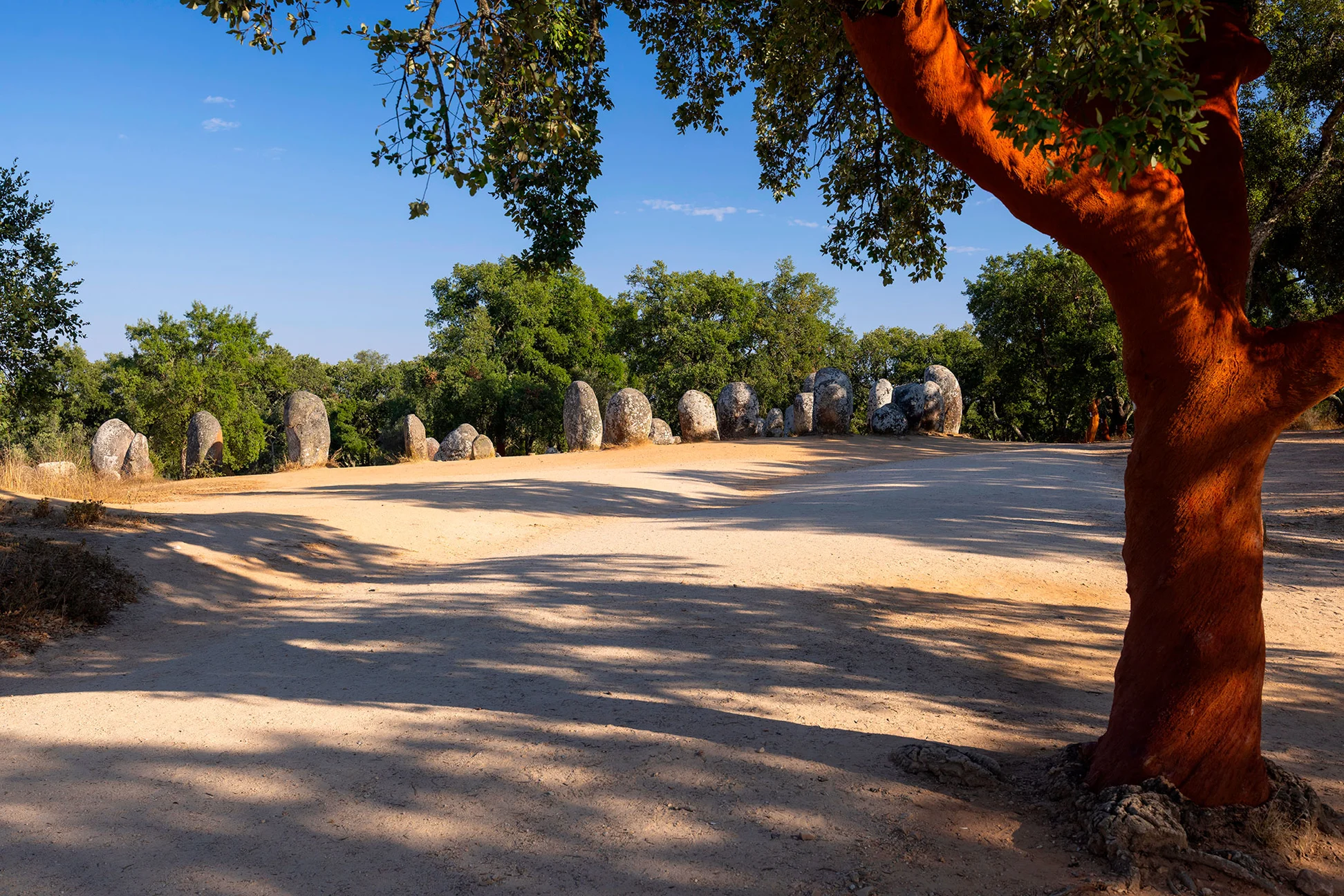
The megalithic landscape around Évora is one of the oldest and most monumental in Europe, and the Almendres enclosure is its finest example. The Almendres Cromlech is made of 95 granite monoliths, was used from the Middle Neolithic to the Iron Age and is considered the largest group of structured menhirs in the Iberian Peninsula.
The Almendres site is an open enclosure with free access. The Anta Grande do Zambujeiro is a megalithic burial monument built between the early 4th and the mid-3rd millennium BC, and since 31 October 2024 it can be reached only on foot, so wear proper shoes.
Without a car, the Évora Megalithic Guided Tour: Almendres & Zambujeiro covers both sites with a guide who puts the stones in context.
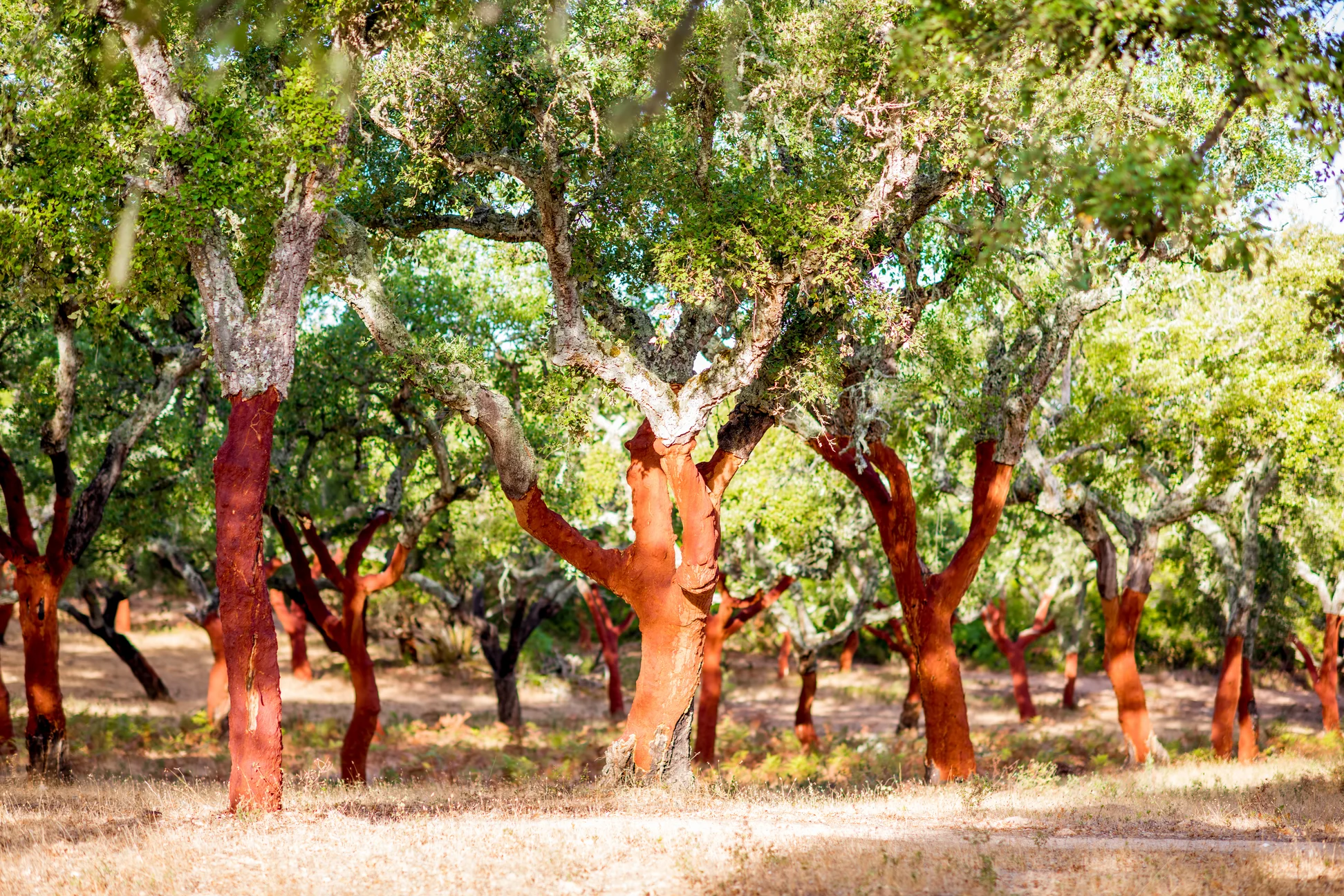
Vagar is easiest to understand outside the town, among olive trees and cork oaks. The Olive Oil Guided Tour & Tasting with Regional Products is a short introduction to the region's olive oil, and the Guided Bike Tour Through Alentejo Montado Forests from Évora rides through the montado, the open woodland of cork oaks and pasture that shapes the Alentejo countryside.
From Lisbon, express buses take between 1 hour 30 minutes and 1 hour 45 minutes to reach Évora, and the train takes about 1 hour 30 minutes. Many people visit for the day; if you can, stay at least one night, because the town is at its quietest early in the morning and after the day visitors leave.
The opening is set for 6 February 2027, and events continue through the year in the city and across the Alentejo.
Liepāja, in Latvia, shares the title with Évora.
Not in full at the time of writing. The official Évora 2027 website lists the events as they are announced.
It helps, since the sites are in the countryside. Without one, a guided tour from Évora is the simplest option.