Two stretches of water south of Lisbon offer dolphin watching, and the choice comes down to the Sesimbra coast and marine park or Setúbal, at the mouth of the Sado.
By ToursXplorer Editorial Team
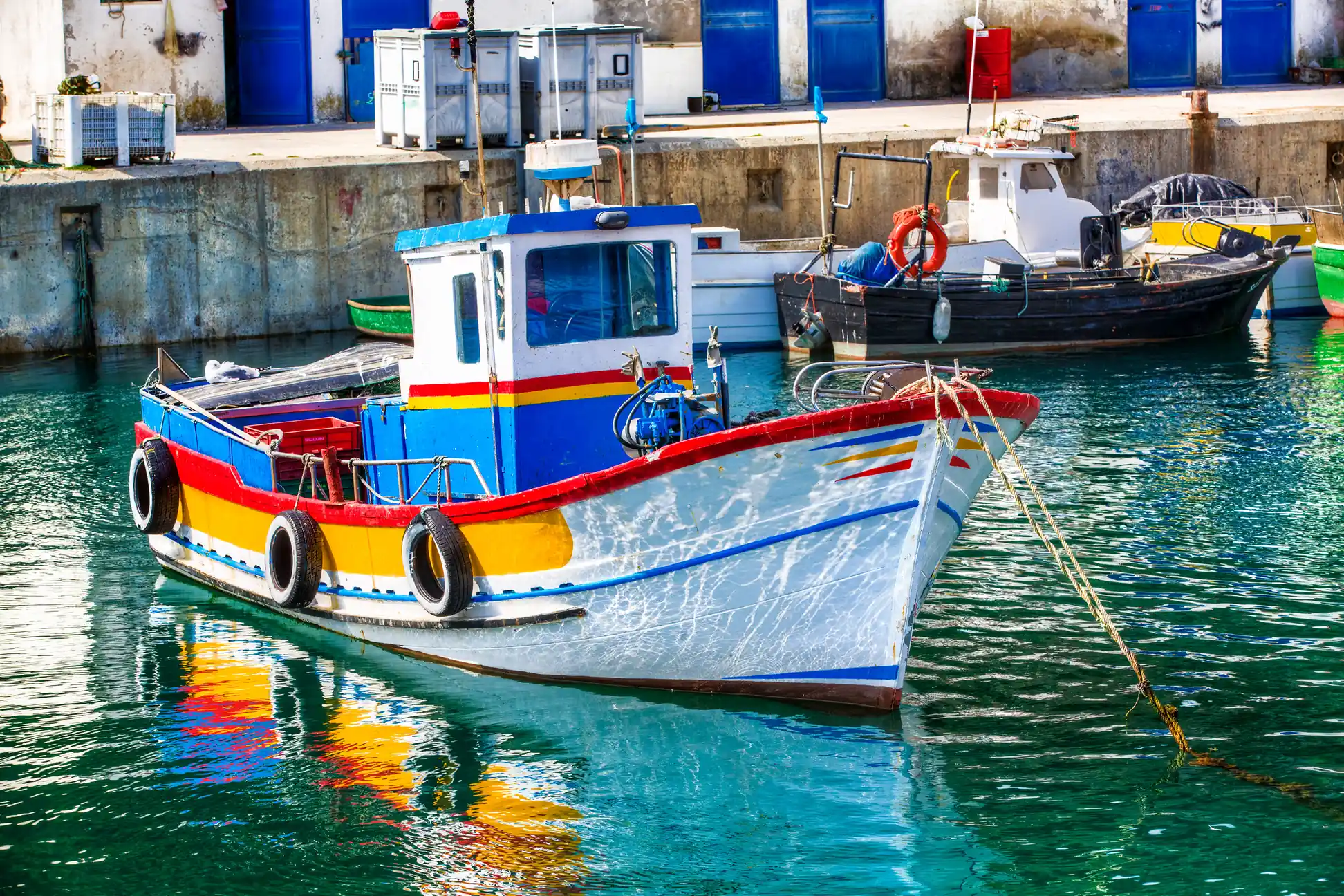
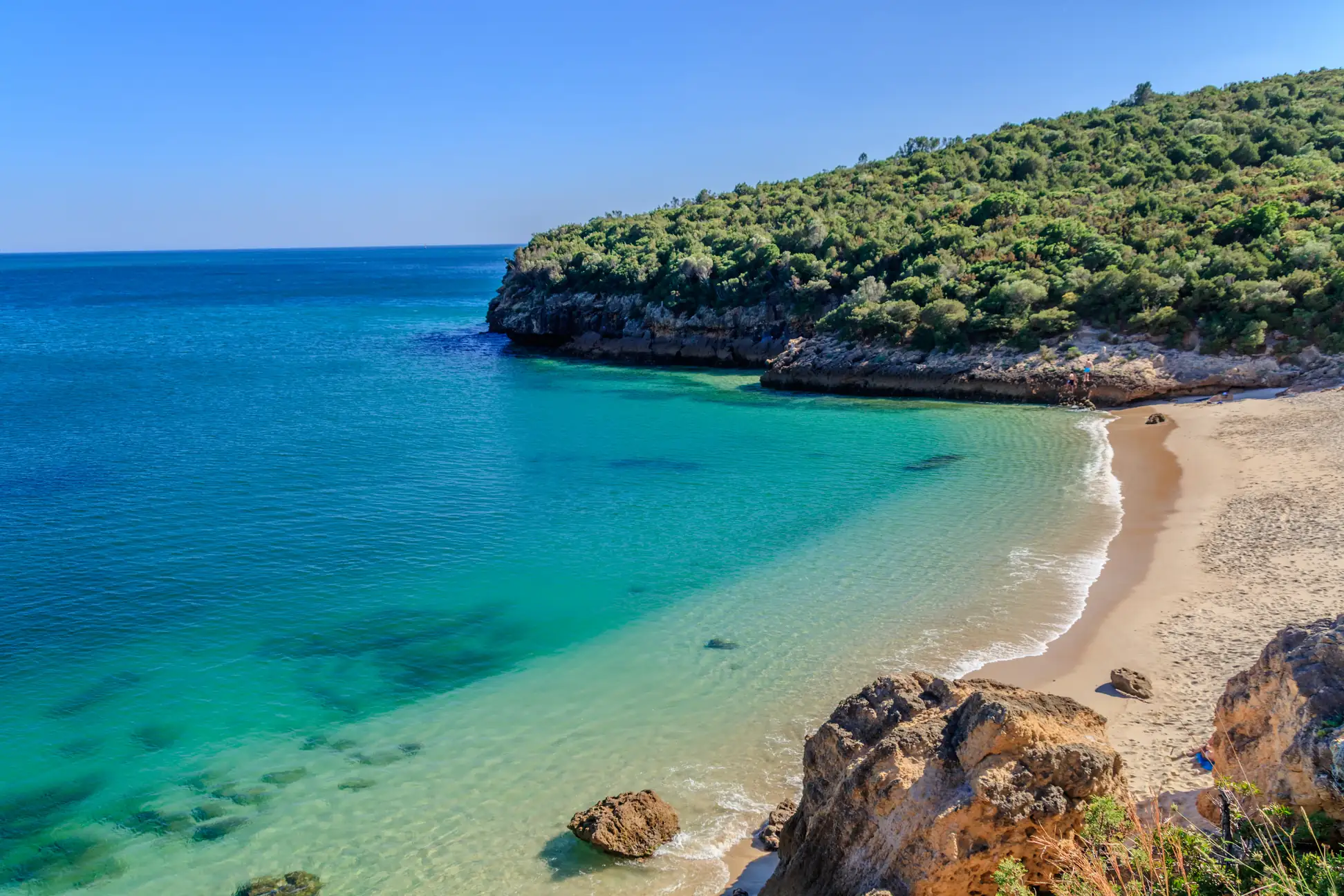
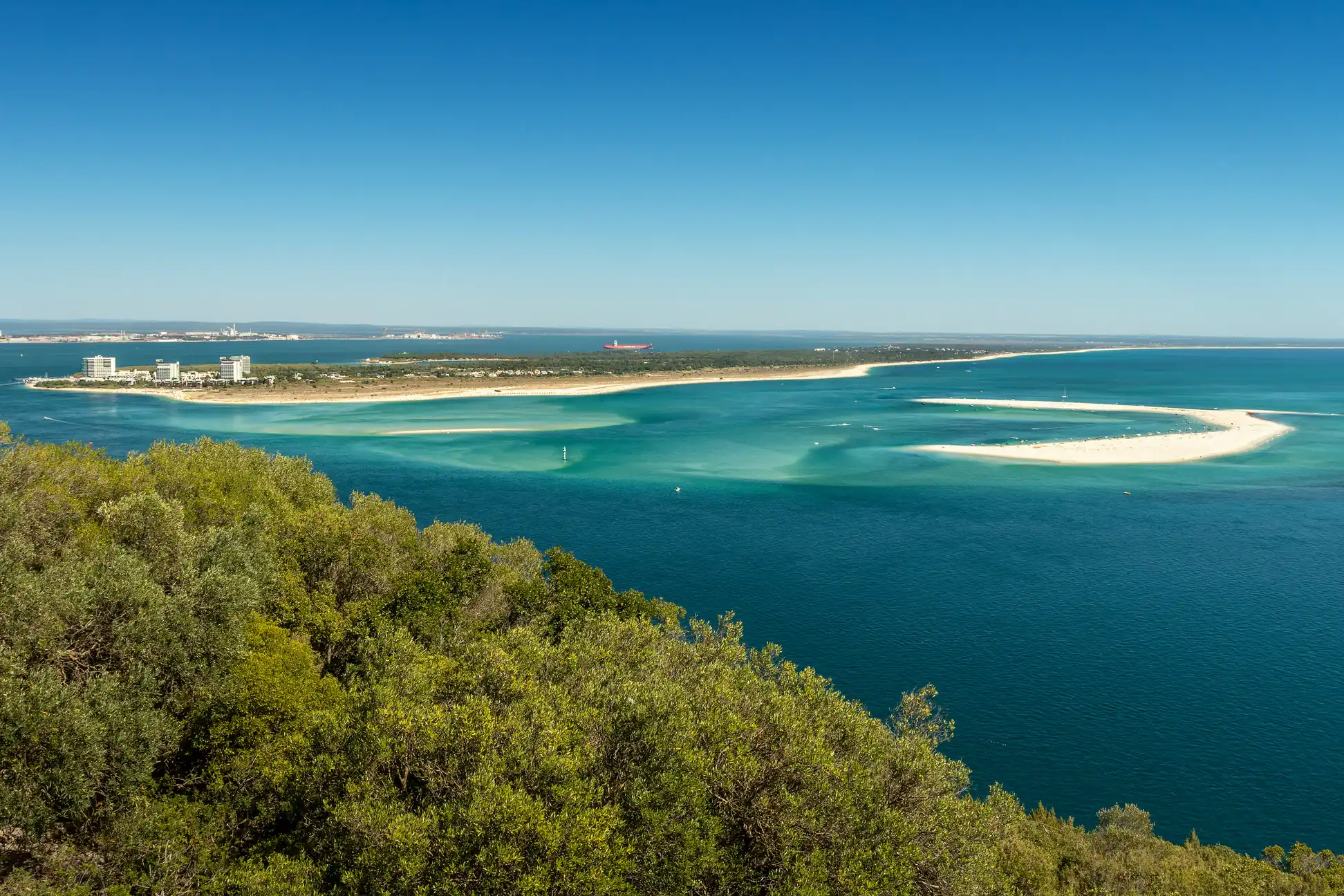
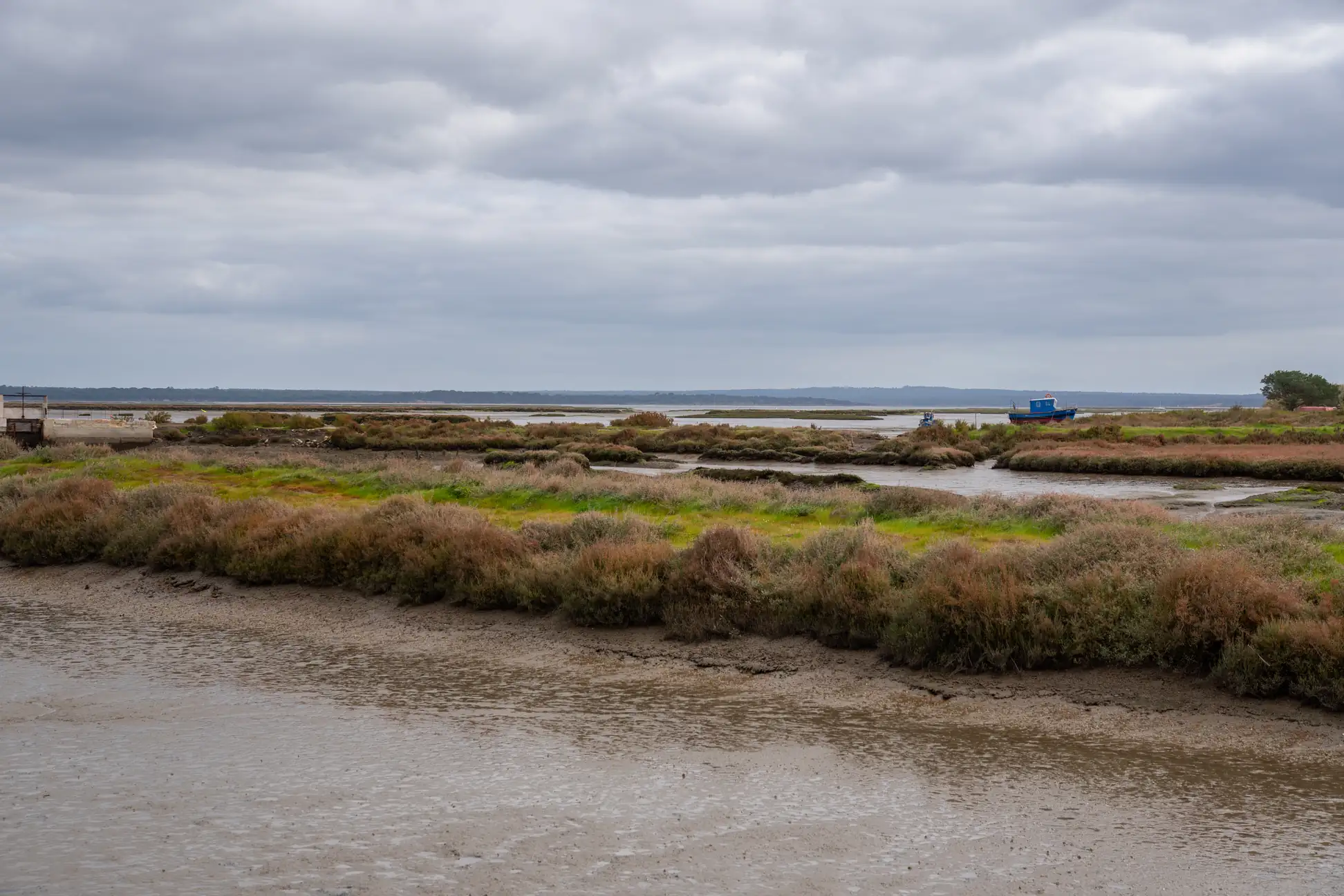
South of Lisbon, the Arrábida hills rise like a wall of green over the Atlantic, sheltering coves of white sand where the sea stays calm despite the open ocean nearby. To the west sits Sesimbra, a fishing town built on a hilltop around its Moorish castle, looking out over a sheltered bay with the cliffs of the Serra do Risco close by. To the east, Setúbal sits at the mouth of the River Sado, where the blue of the river meets white salt flats and green pine forest, and dolphins move through the estuary itself.
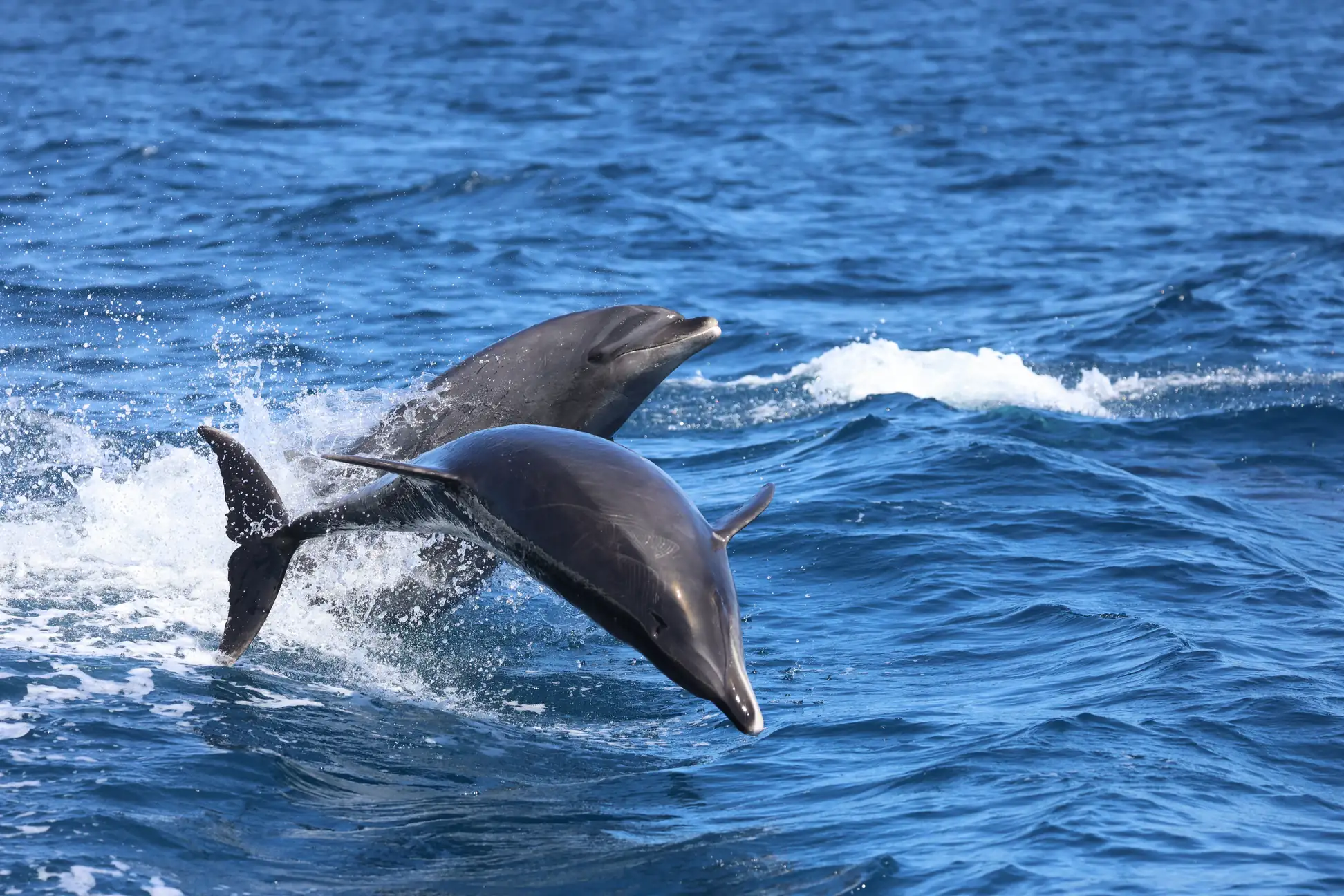
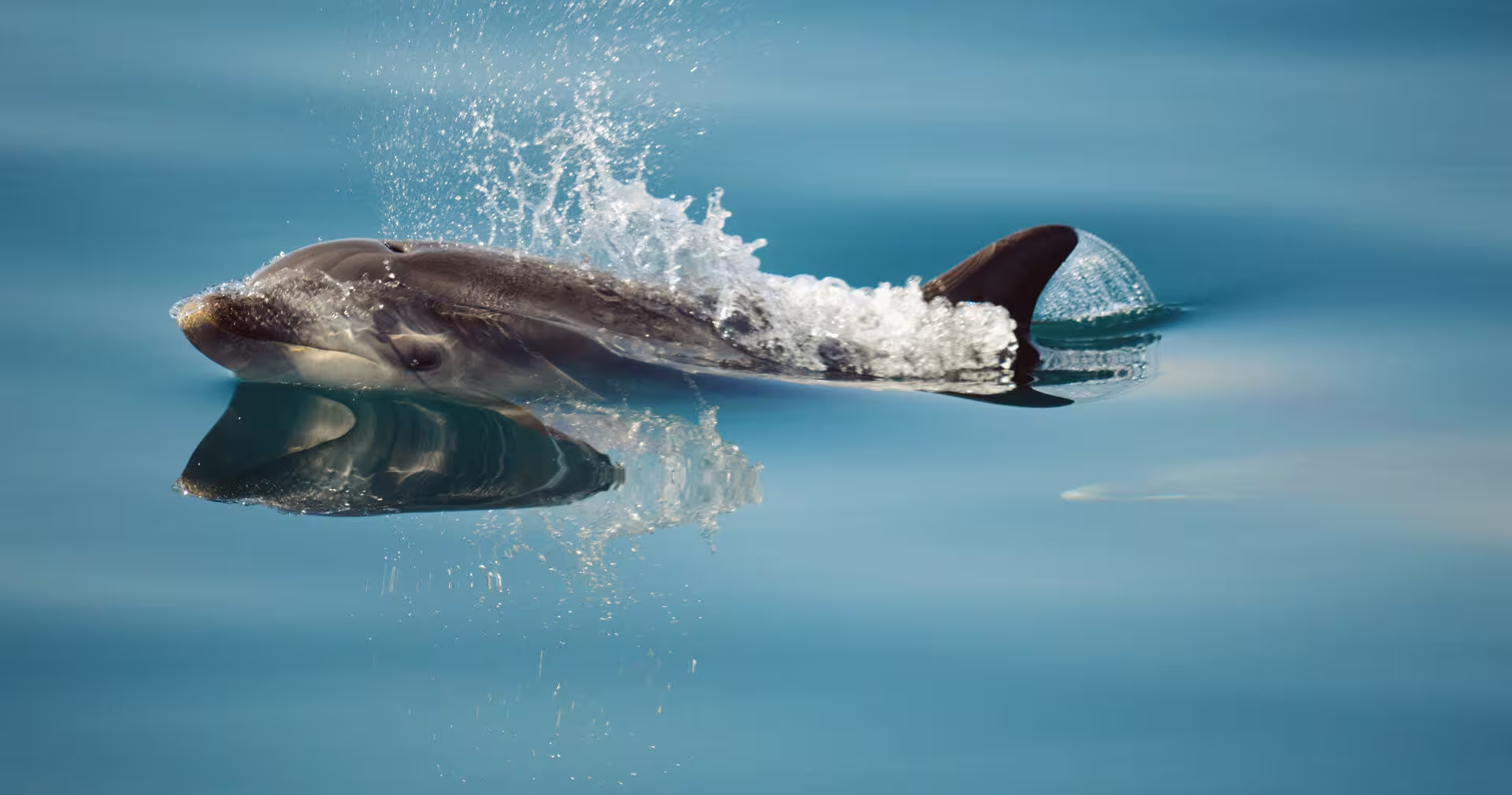
Dolphin watching near Lisbon splits into two different experiences: a route departing Sesimbra along the coast of the Professor Luiz Saldanha Marine Park, between the Sado estuary and Cabo Espichel, or trips departing Setúbal. Setúbal lies at the mouth of the River Sado, whose estuary is home to mainland Portugal's only resident population of bottlenose dolphins. Both are a short drive from the city, but the boat routes are not the same, and the Sado has rules of its own.
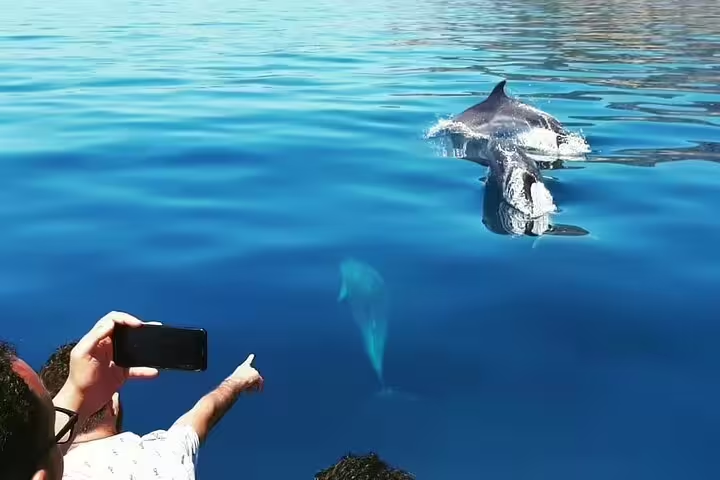
Leaving from Sesimbra, this trip follows the coast of the Professor Luiz Saldanha Marine Park, in the area between the Sado estuary and Cabo Espichel, looking for dolphins and other cetaceans along the way. A biologist guide gives a safety briefing before departure and follows sightings with scientific explanations rather than just pointing them out. On the way back the boat anchors in a sheltered bay for a swim stop, which suits travellers who want the outing to be about more than just the dolphins. Three hours on the water gives room for both the marine park scenery and a chance to cool off in the sea.
A marine biologist travels aboard this trip out of Setúbal, whose length depends on wildlife sightings and sea conditions. Commentary and context come with the watching itself here, rather than a purely scenic outing, which suits anyone whose main interest is understanding what they are looking at rather than just seeing it.
This trip sails out of Setúbal into Setúbal Bay to look for wild dolphins in their natural habitat, with stops to explore beaches and small white sand islands along the way. The boats used carry 6 to 48 passengers plus crew, so the atmosphere can vary from one departure to another depending on how full the boat is. Dolphin watching here comes paired with a look at the bay's beaches rather than a longer dedicated outing.
In mainland Portugal, dolphin-watching boats follow national rules (Decree-Law 9/2006): they may not actively approach closer than 30 m (98 ft), each boat may stay at most 30 minutes within 300 m (984 ft) of the animals, no more than three boats may be within 100 m (328 ft) of them, feeding or touching the dolphins and swimmers approaching them are forbidden, and there is no watching at night. The Sado estuary is home to the only resident population of bottlenose dolphins in mainland Portugal: 25 animals, according to the ICNF. The number of boats allowed to watch them is capped. In 2023, 2024 and 2025 the ICNF banned watching at the estuary entrance; in 2025 the ban ran from 1 to 31 August, together with a daily pause on watching in the estuary and the adjacent sea between 1 pm and 3 pm (13:00 to 15:00). The Professor Luiz Saldanha Marine Park is the marine area of the Arrábida Natural Park. Jet skis are banned there (except in the access corridor to Sesimbra harbour), and in its fully protected zone below the cliffs of the Serra do Risco boats may only pass through, parallel to the coast and more than a quarter of a mile offshore, without stopping. In 2025 UNESCO designated the Arrábida Biosphere Reserve, which includes the Professor Luiz Saldanha Marine Park.
A dolphin sighting on any of these trips is a chance, not a guarantee; boats go out to look for dolphins and other cetaceans, following the rules on distance and time near any animals they find. In the Sado estuary, watching happens year-round but works best in spring and summer because of the weather. The trips differ: one follows the marine park coast between the Sado estuary and Cabo Espichel, while another's length depends on sightings and sea conditions on the day.
Feeding or touching the dolphins and swimmers approaching them are forbidden under the national rules, and there is no watching at night, so these trips are not suited to anyone hoping to get in the water with the animals. Before an August trip, check whether the estuary entrance is open to watching that year.
The Sesimbra trip runs about 3 hours along the coast of the Professor Luiz Saldanha Marine Park, with a biologist and a swim stop. From Setúbal you can choose a trip with a marine biologist whose length depends on wildlife sightings and sea conditions, or about 2 hours in Setúbal Bay.
Spring and summer suit dolphin watching best in the Sado estuary, because of the weather, even though licensed companies run trips there all year round. In 2023, 2024 and 2025 the ICNF banned watching at the estuary entrance.
Boats in mainland Portugal may not approach dolphins closer than 30 m (98 ft), must limit time within 300 m (984 ft) to 30 minutes, and can have no more than three boats within 100 m (328 ft) of the animals at once. Feeding or touching the dolphins and swimmers approaching them are forbidden, and there is no watching at night.
These options were drawn from our catalogue of dolphin-watching trips departing Sesimbra and Setúbal, cross-checked against official sources on the Sado estuary and the Luiz Saldanha Marine Park. ToursXplorer sells some of the trips in this guide and earns a commission when you book them. The options are described by type so you can compare them, whoever you book with. About ToursXplorer
Last checked October 2026. Rules checked against: Decree-Law 9/2006 (Diário da República, consolidated text); ICNF edital 01/DRCNF-LVT/2025; ICNF, 1 October 2026; Arrábida Natural Park plan (RCM 141/2005); UNESCO, Man and the Biosphere Programme: Arrábida; ICNF, Reserva Natural do Estuário do Sado (leaflet).