







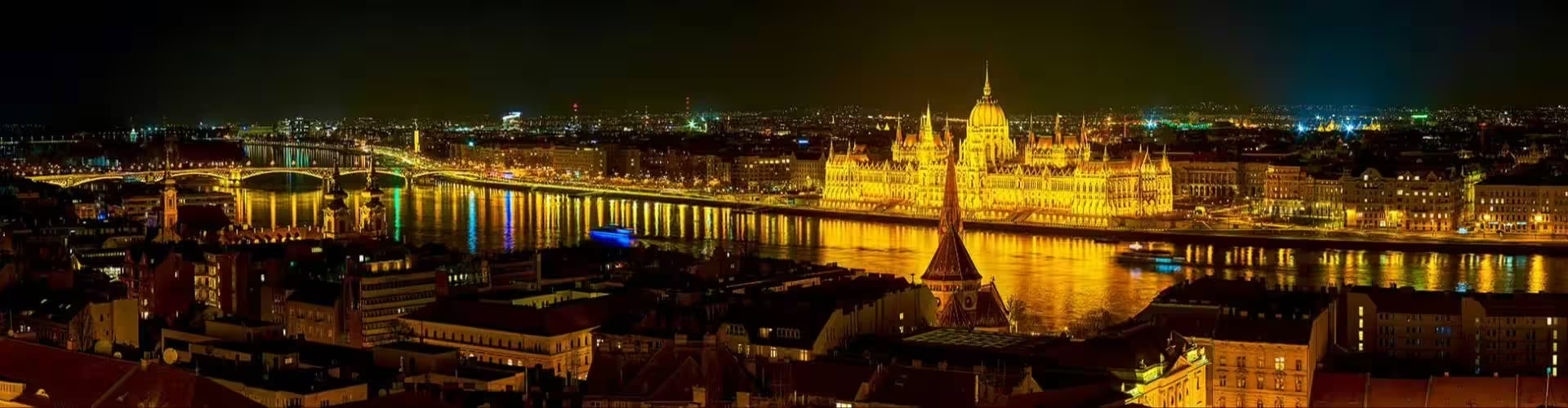
Walking Tours in Budapest
Budapest, Hungary
12 experiences

Last updated:


Three days would let you give separate attention to castle history, monumental buildings and thermal baths. Budapest itself grew from the union of Pest, Buda and Óbuda in 1873.
Allow three days: one for Buda's castle hill and Fisherman's Bastion, one for the Hungarian Parliament Building and Chain Bridge, and one for thermal baths. That gives each day a focus: layers of history, architecture, then bathing.
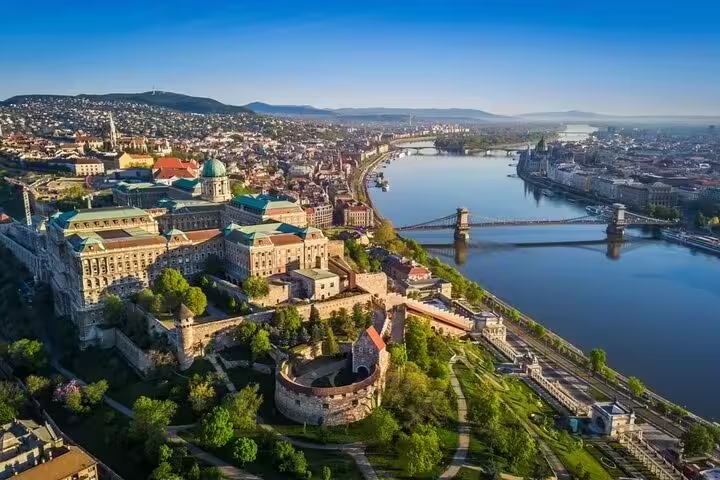
A full-day private Budapest tour with hotel pickup lasts 10 hours and includes a private vehicle, an English-speaking professional driver, transport between attractions and an itinerary adjusted to your pace.
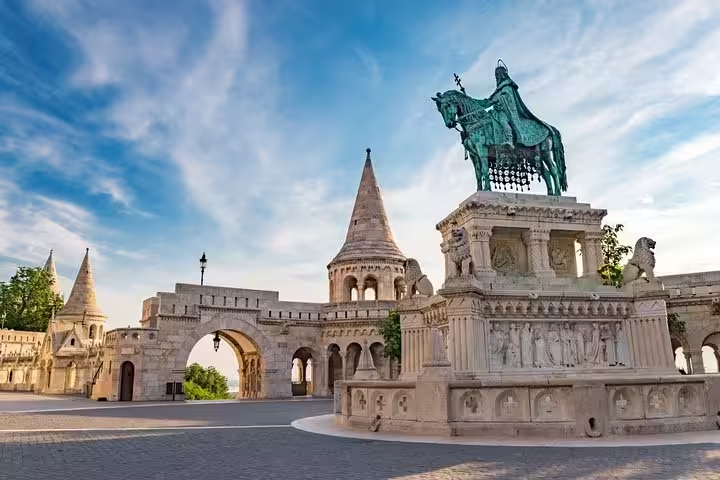
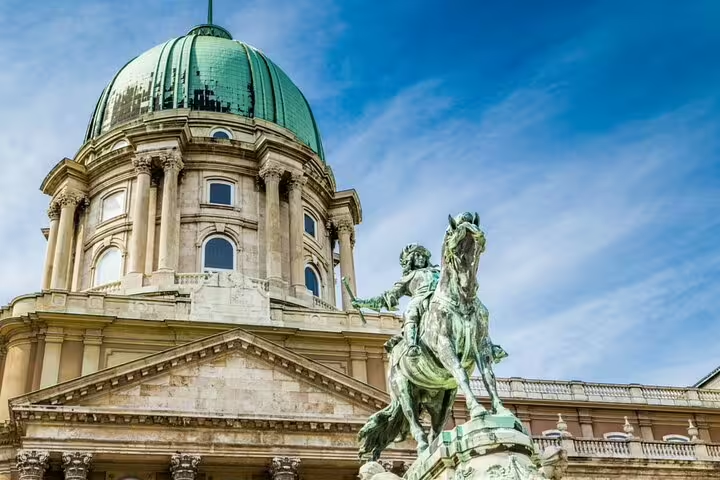
Make this your history day, with the castle hill and Fisherman's Bastion as its focus. King Béla IV had a basilica with towers built on Buda's castle hill between 1255 and 1269, after the Mongol invasion. Later, Matthias Church spent 145 years serving as the principal mosque under Ottoman rule.
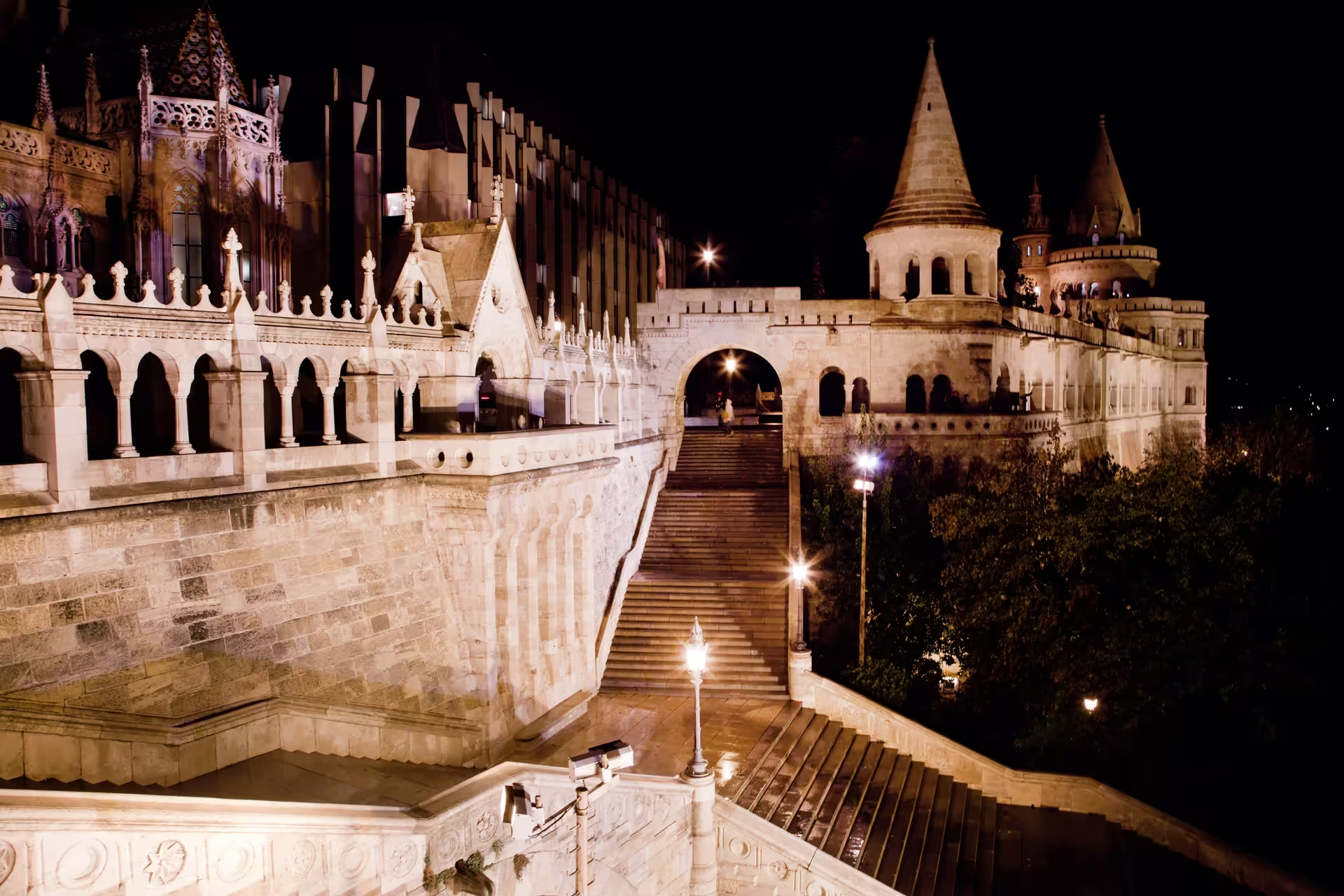
Fisherman's Bastion adds a different period: its neo-Gothic and neo-Romanesque design dates from construction between 1895 and 1902. Each of its seven towers stands for a Magyar tribe that settled in the Carpathian Basin in 895.
The Buda Castle mystery self-guided walking tour lasts 1 hour and 10 minutes, with a 14-chapter Questo app game, a self-guided story covering 5.25 km and puzzles throughout the route.
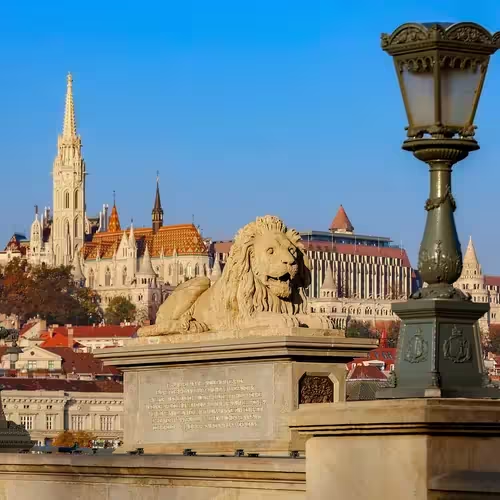
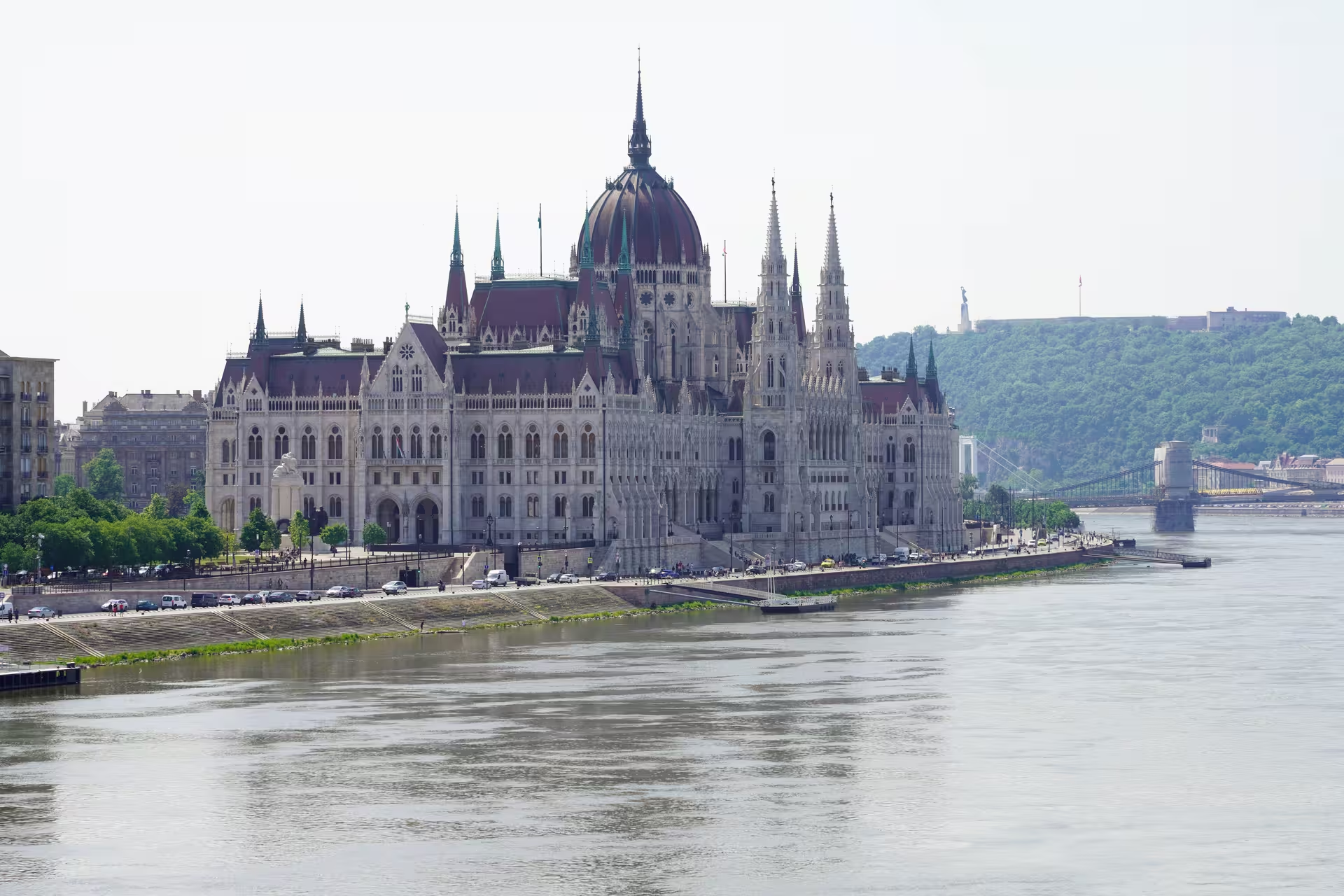
Put Parliament and the Chain Bridge together on your architecture day. Parliament's central dome rises 96 metres. Its scale shows in its 691 rooms and 10 courtyards. The Chain Bridge opened to the public on 20 November 1849 and is 375 metres long overall.
For another architectural focus, St. Stephen's Basilica has a dome reaching 96 metres, while the Dohány Street Synagogue was finished in 1859.
Széchenyi suits an interest in outdoor bathing, while Rudas offers a domed central pool. An expansion at Széchenyi in 1927 added public bathing facilities for men and women alongside an outdoor area. At Rudas, eight pillars hold up the dome above the central pool.

Allow for rain in your plans: Budapest receives roughly 550 to 600 mm of precipitation a year. Average temperatures run from around 0 °C in January to around 22 °C in July.
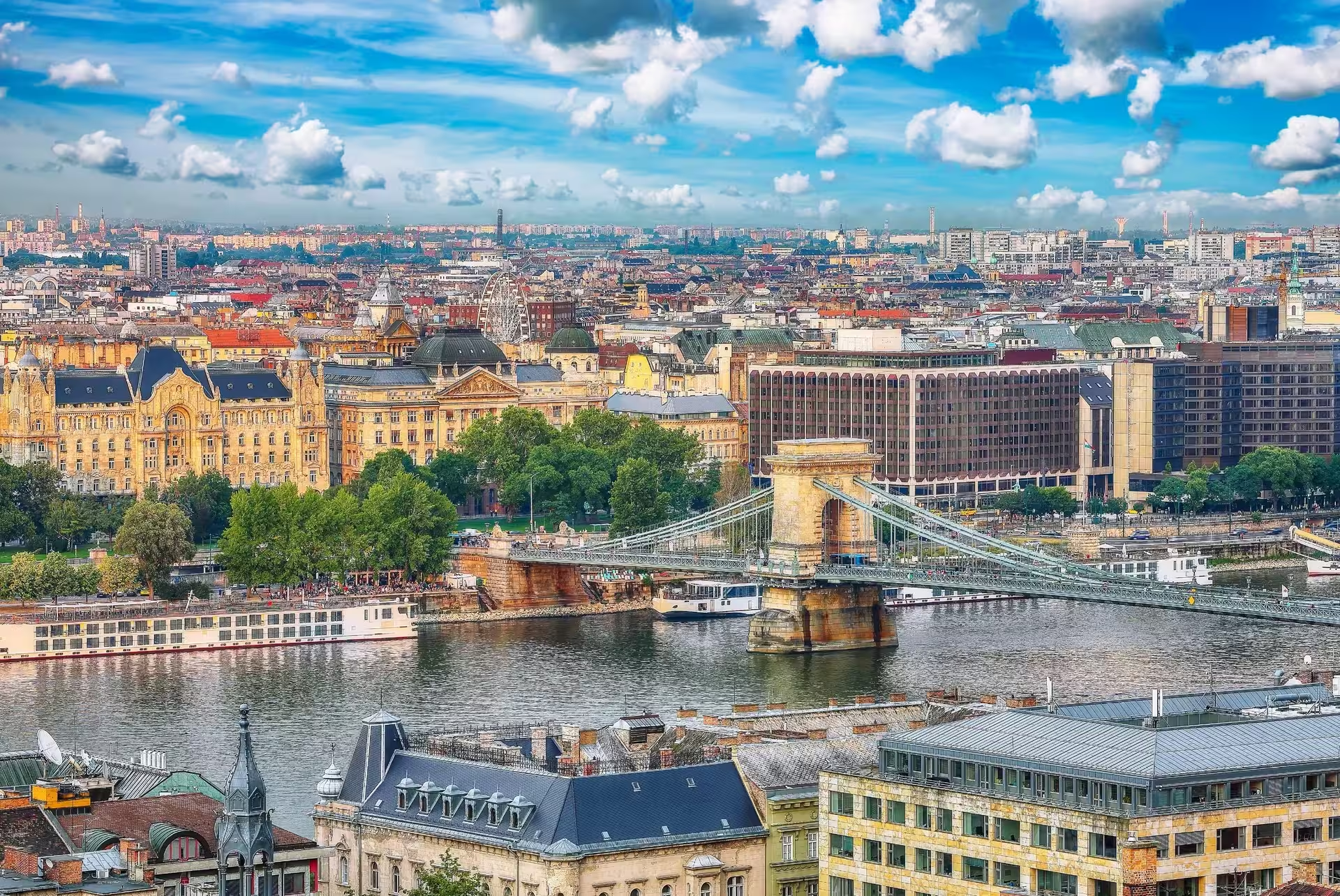
A self-guided audio walk offers a way to explore with commentary and a map. The Budapest self-guided walking tour with audio guide and GPS map lasts 3 hours and 45 minutes. It includes 23 commentaries in English, French and Spanish, an interactive 3D map with live geolocation and offline access after the initial download. The licence covers up to five devices at once, and access has no fixed expiry date.
The elevation of Gellért Hill is about 235 metres above sea level.
Natural hot springs and drilled wells, 123 in total, supply the thermal water. It emerges at temperatures from 21 to 78 °C, with a daily output of about 70 million litres.
The M1 Millennium Underground opened on 2 May 1896 to mark Hungary's millennium celebrations.