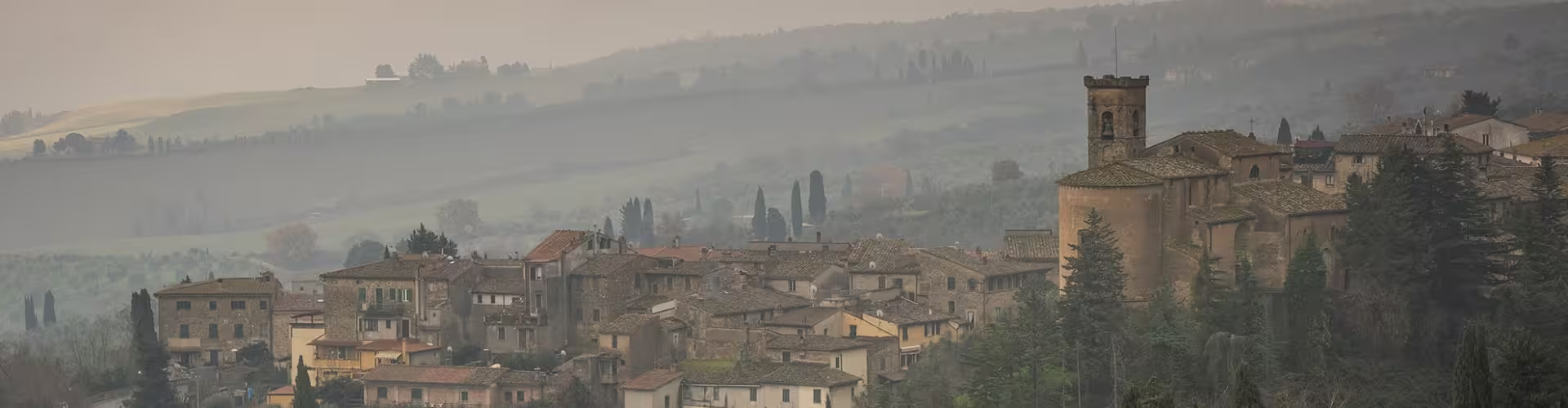
Nestled in the heart of Tuscany, Gabella is a charming village that embodies the rustic beauty and cultural richness of central Italy. This quaint settlement offers visitors an authentic glimpse into traditional Italian life, surrounded by rolling hills, vineyards, and medieval architecture that define the region.
What to see in Gabella
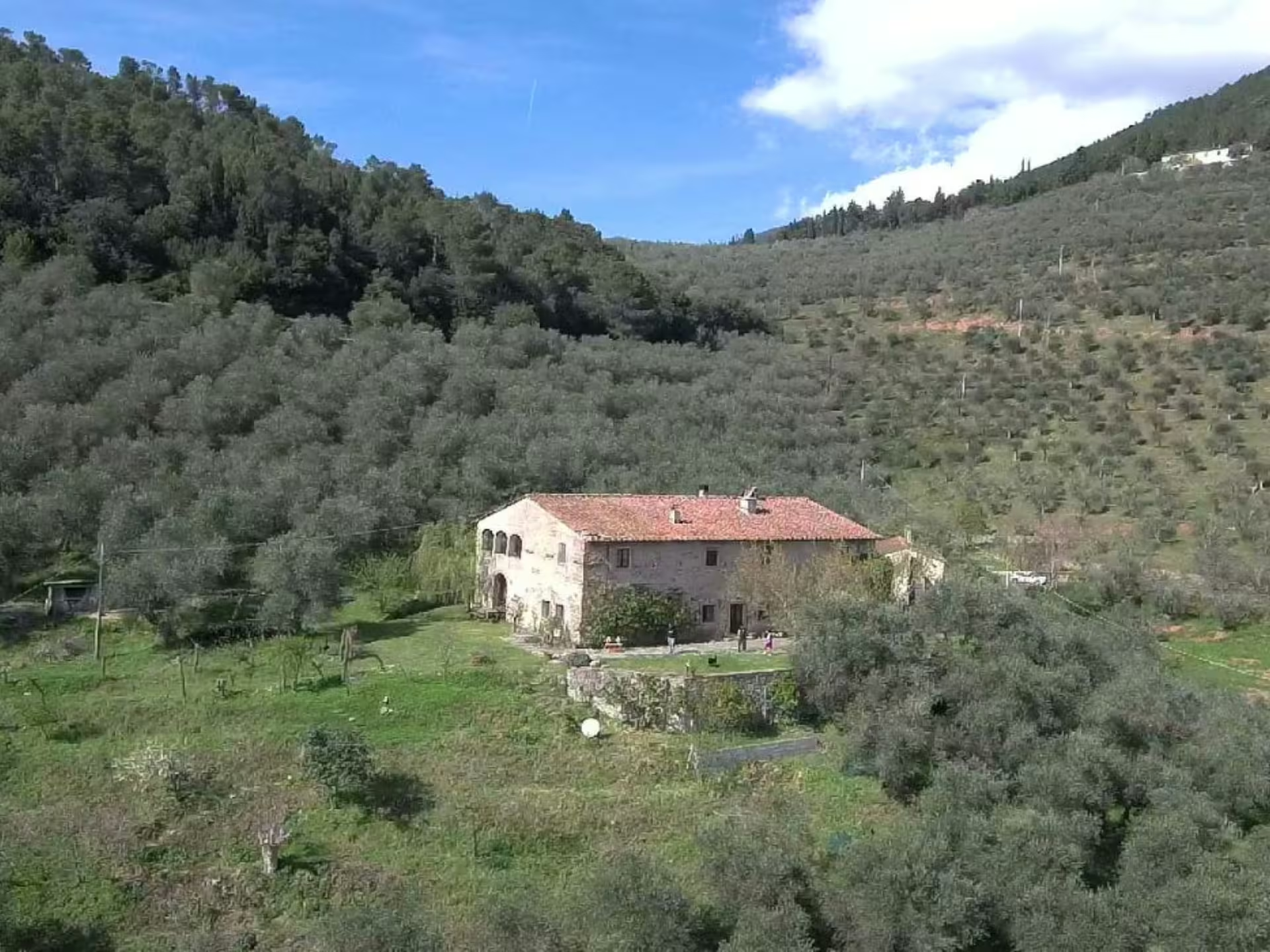
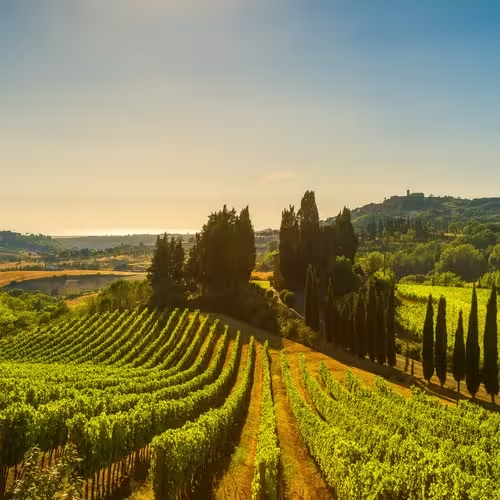
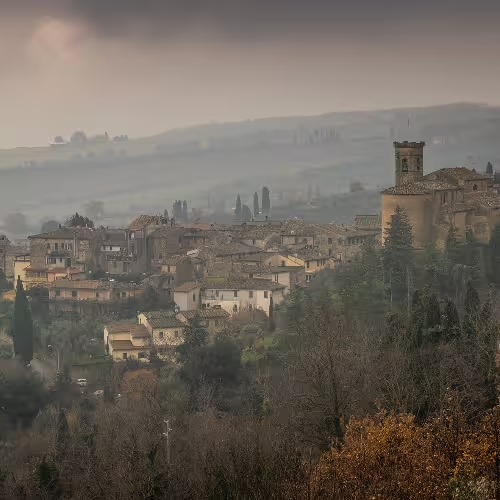
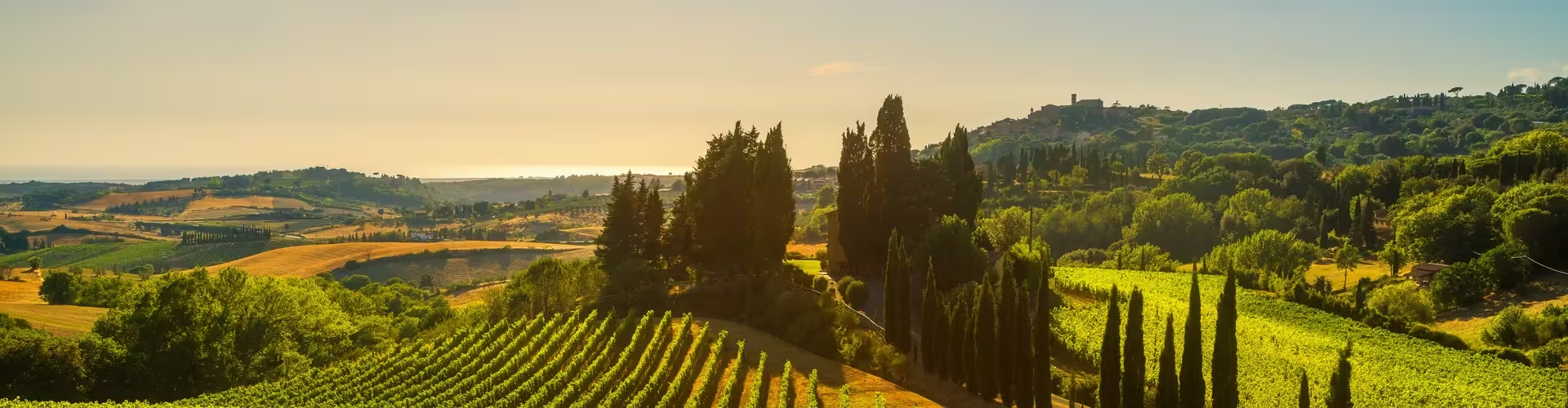
The village features well-preserved stone buildings and narrow cobblestone streets that showcase typical Tuscan design. Visitors can explore the local church and nearby countryside, which reveals the agricultural heritage and natural landscapes characteristic of the Val d'Orcia area. The surrounding terrain offers stunning views of cypress-lined valleys and distant hilltop towns.
Things to do in Gabella
Travelers can enjoy hiking and walking tours through the Tuscan countryside, discovering hidden villages and panoramic viewpoints. Wine tasting experiences showcase the region's renowned Brunello di Montalcino and other local varieties. Day trips to nearby towns like Montalcino and Pienza provide access to Renaissance art, historic fortifications, and artisanal food markets.
Rural Tuscan Heritage and Farming Culture
Gabella represents the enduring agricultural traditions that have shaped Tuscan identity for centuries. The landscape around the village reflects time-honored farming practices, including cereal cultivation and olive groves that supply local producers. This connection to the land offers visitors an opportunity to understand the cultural and economic foundations of rural Tuscany.
Gabella is located in the Val d'Orcia region of Tuscany, in central Italy. The village sits within the broader Sienese territory, characterized by distinctive clay hills, agricultural landscapes, and proximity to world-renowned wine-producing areas. Its position offers easy access to significant cultural destinations in southern Tuscany, including the Renaissance towns of Montalcino and Pienza. The area represents a quintessential example of Tuscan rural settlement patterns, where small villages serve as anchors in an agricultural landscape.