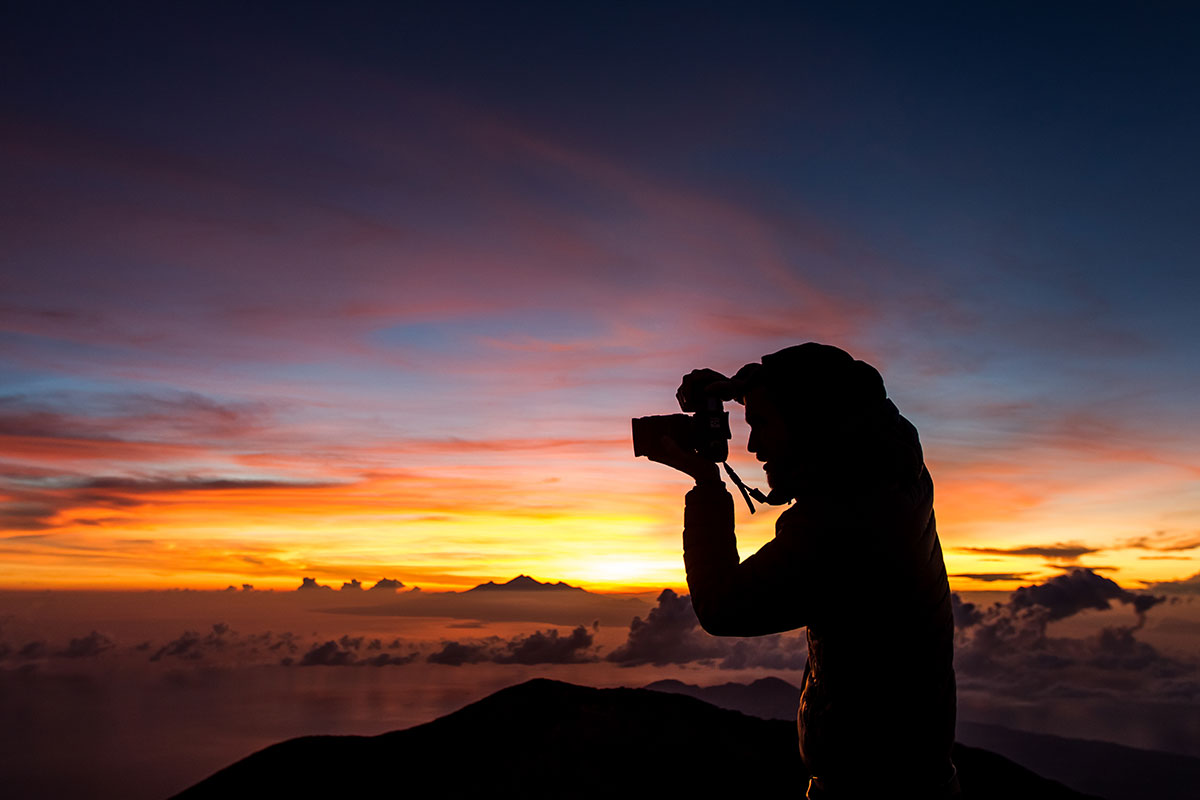
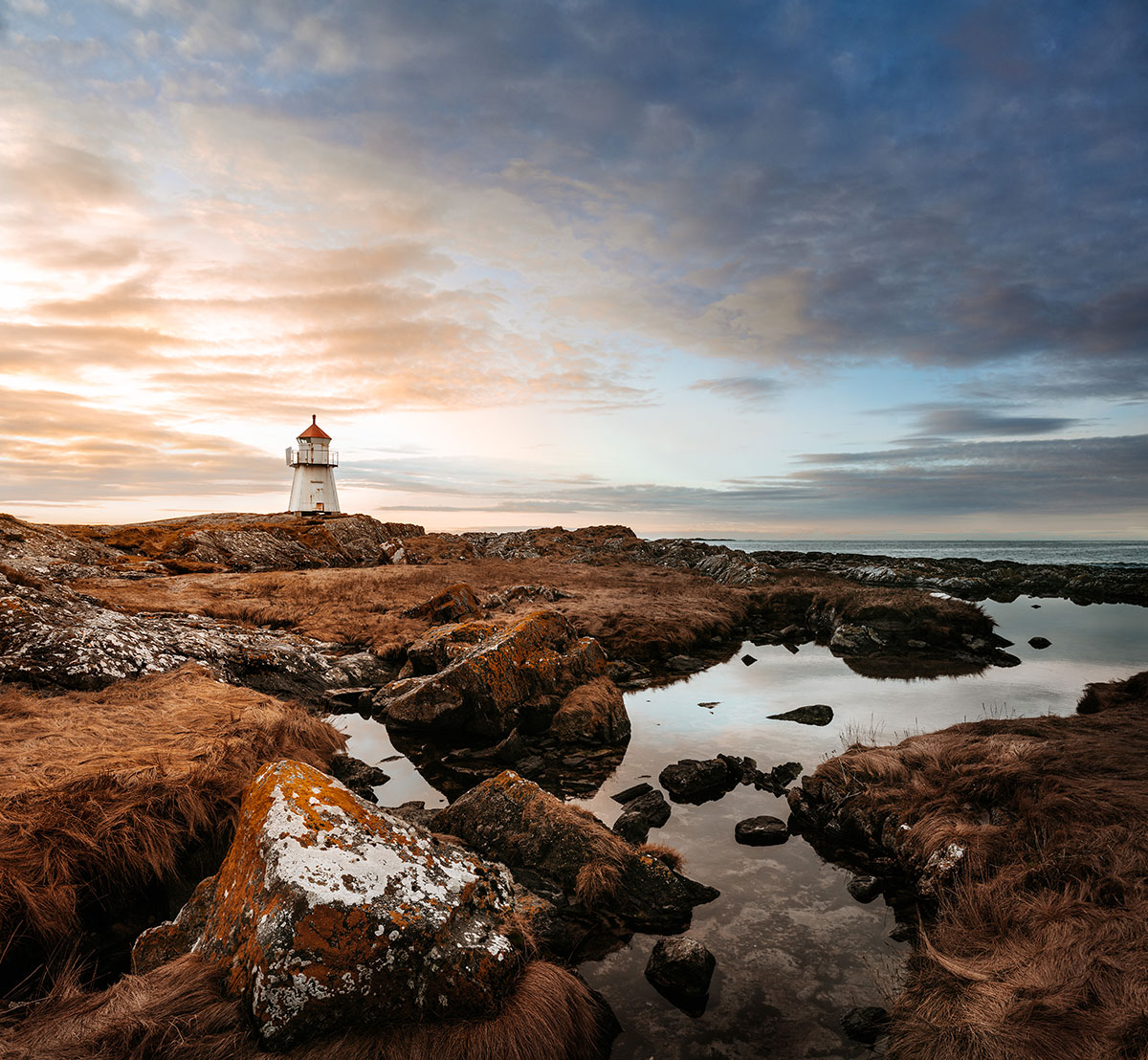
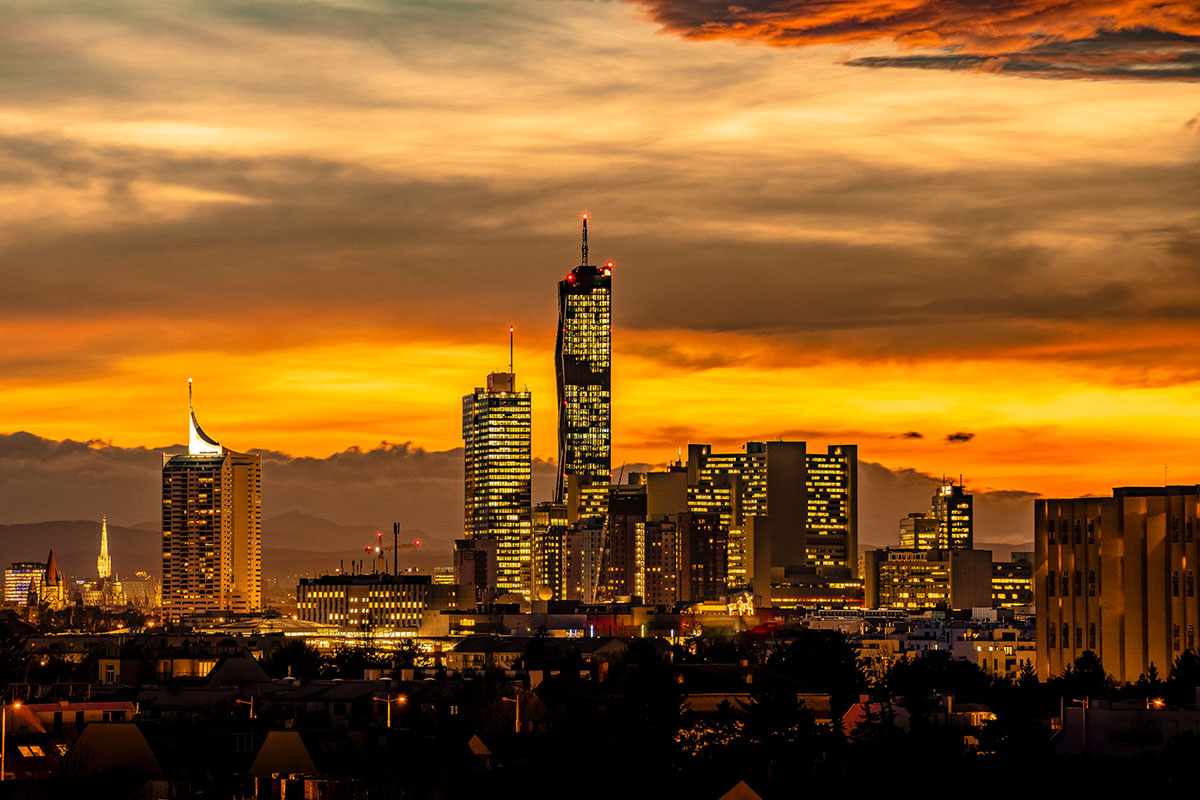
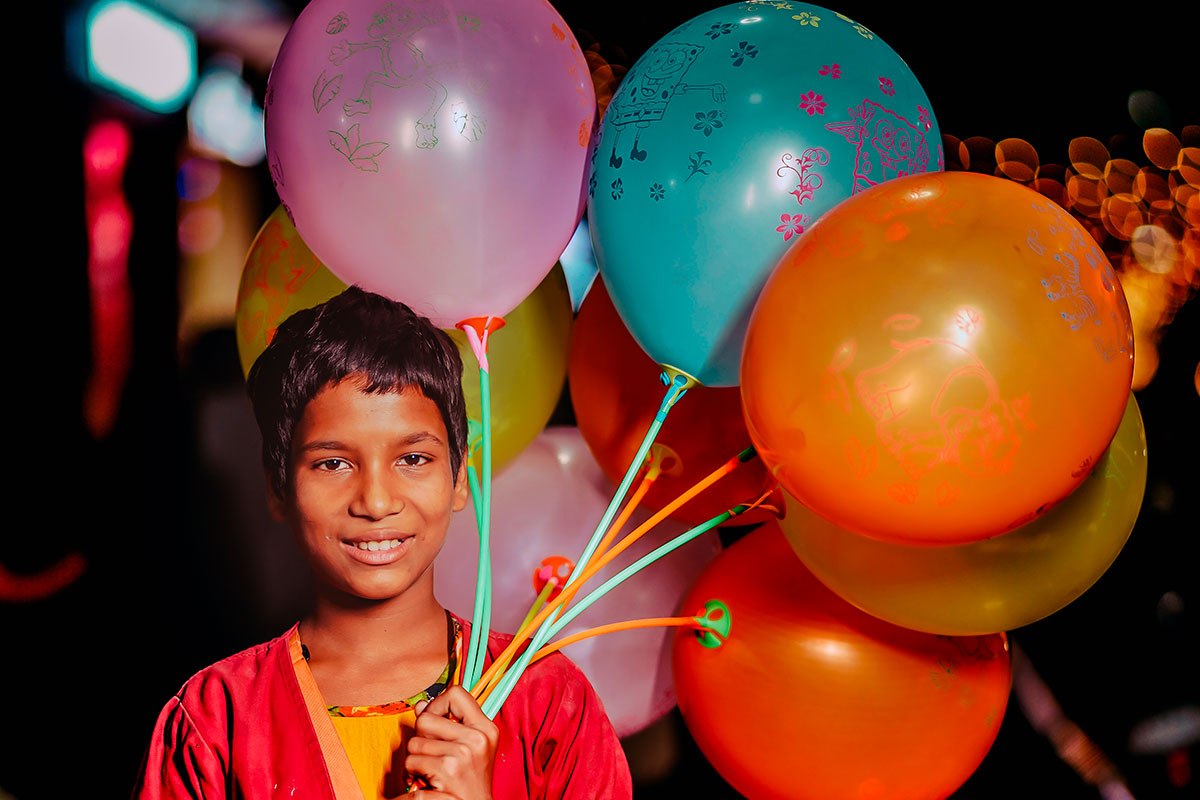
Embrace the art of travel photography and capture stunning moments on your journeys.
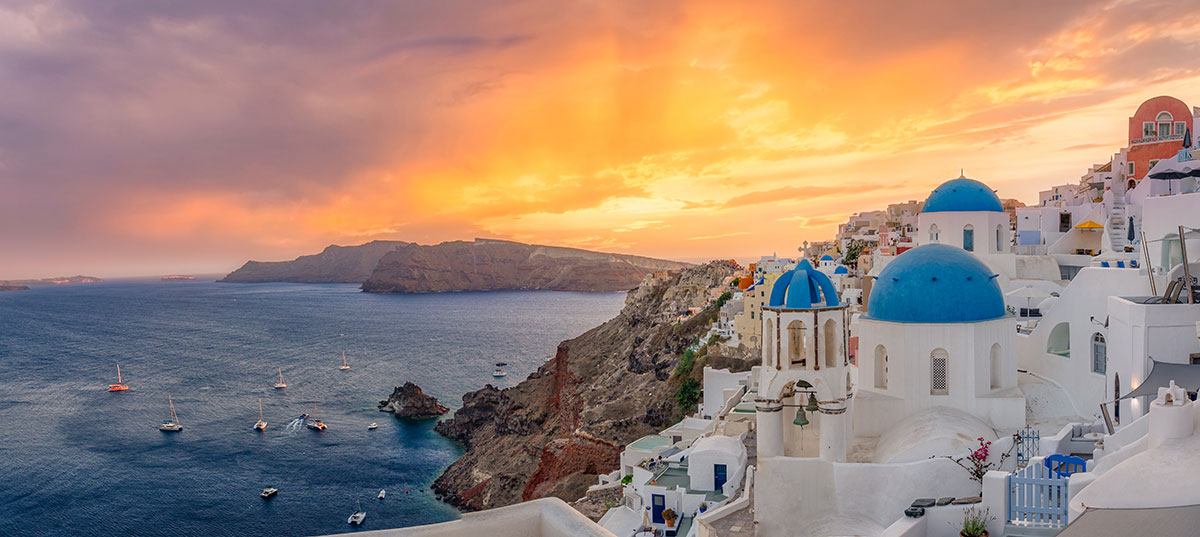
Travel and photography are a match made in heaven. There’s something magical about freezing a breathtaking sunset over Santorini or capturing the vibrant chaos of a Moroccan marketplace. But taking great travel photos is more than just pointing and shooting—it’s about understanding light, composition, and storytelling.
In this guide, we’ll walk you through expert travel photography tips, must-visit destinations, and how Toursxplorer can enhance your photography adventures.
Why Travel and Photography Go Hand-in-Hand
Photography transforms the way we see the world. It pushes us to be more observant, patient, and appreciative of our surroundings. Here’s why photography is an essential part of any travel experience:
Preserves Memories: A single photograph can take you back to the sights, sounds, and emotions of a moment.
Enhances Creativity: Travel photography challenges you to see ordinary scenes from unique perspectives.
Tells a Story: Every photo captures a narrative—from a smiling street vendor to a misty mountain peak.
Connects You with Cultures: When you take the time to photograph a place, you engage with its people and traditions more deeply.
Essential Travel Photography Tips1. Master the Art of Composition
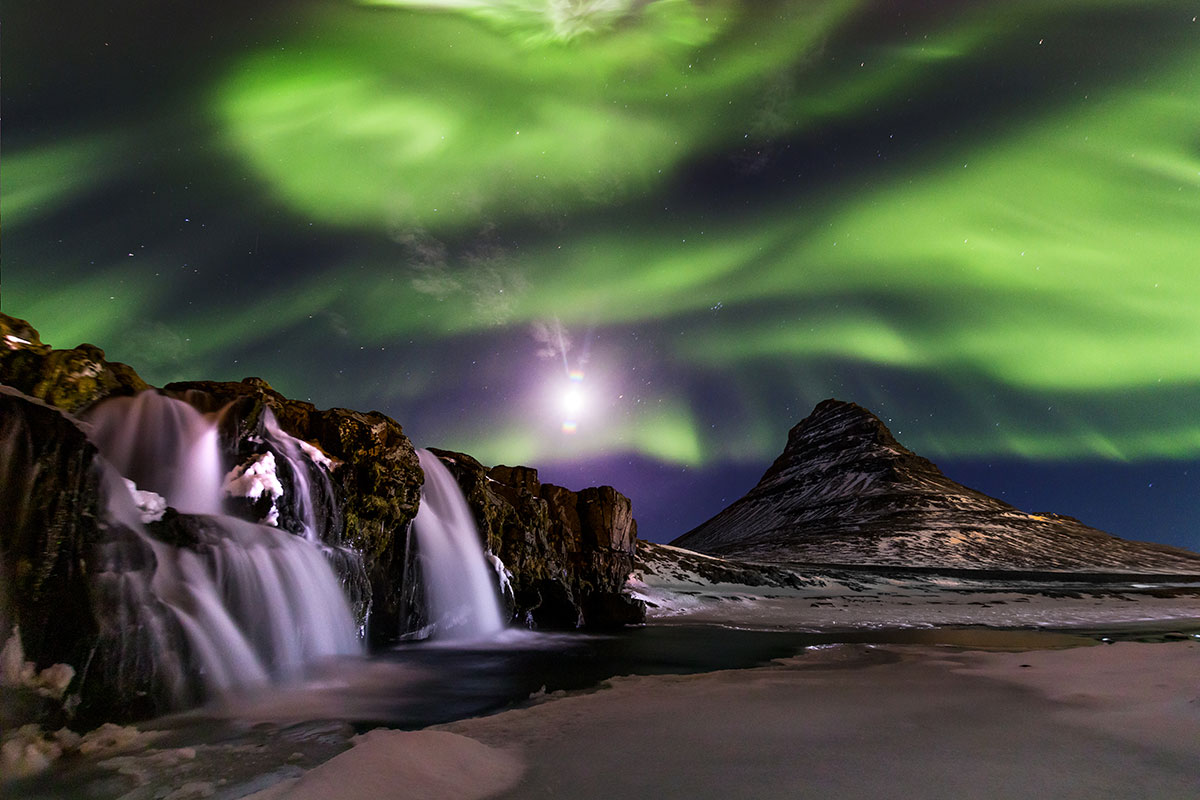
Iceland offers incredible opportunities for capturing the magical Northern Lights.3. Marrakech, Morocco – Vibrant Colors & Bustling Markets
Capture intricate mosaic patterns and lively souks.
Best time: Early morning for soft light and fewer crowds.
4. Kyoto, Japan – Cherry Blossoms & Temples
Best photography spots: Fushimi Inari Shrine, Arashiyama Bamboo Forest.
Best time: Spring (cherry blossoms) or autumn (golden leaves).
5. Patagonia, Argentina & Chile – Majestic Mountains & Glaciers
Stunning landscapes at Torres del Paine National Park.
Best time: Autumn for dramatic light and fewer tourists.
How Toursxplorer Enhances Your Photography Experience
With Toursxplorer, you get access to guided tours specifically designed for photographers:
✅ Expert-Led Photography Tours – Travel with professional photographers who offer on-the-spot guidance.
✅ Exclusive Access – Visit remote locations and off-the-beaten-path photography spots.
✅ Customized Itineraries – Focus on your interests, whether it’s landscapes, wildlife, or cultural photography.
✅ Hassle-Free Travel – No need to worry about logistics—just focus on capturing amazing shots!
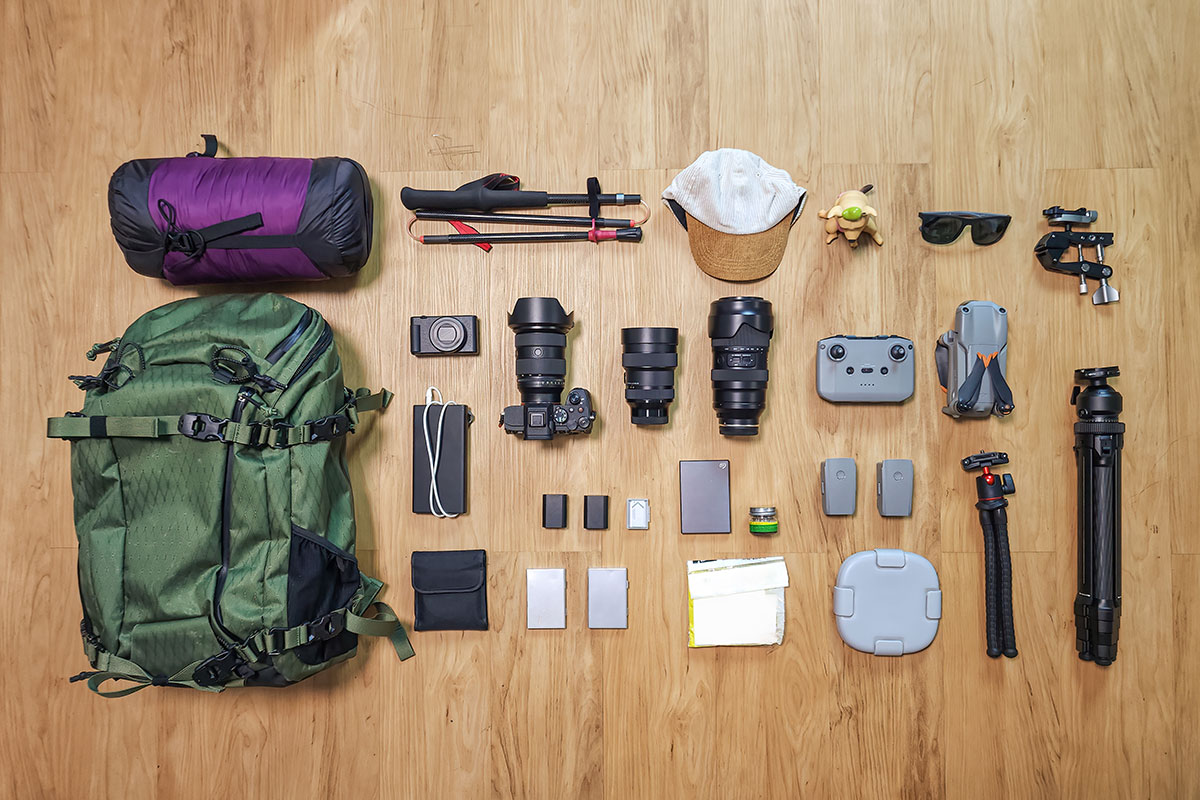
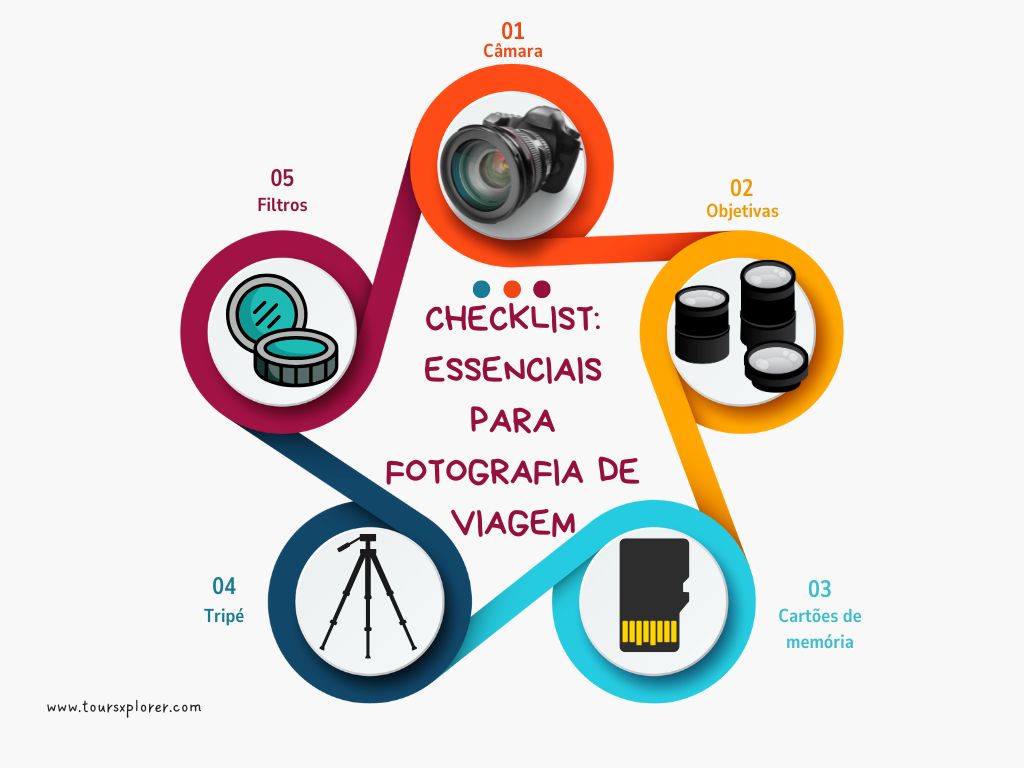
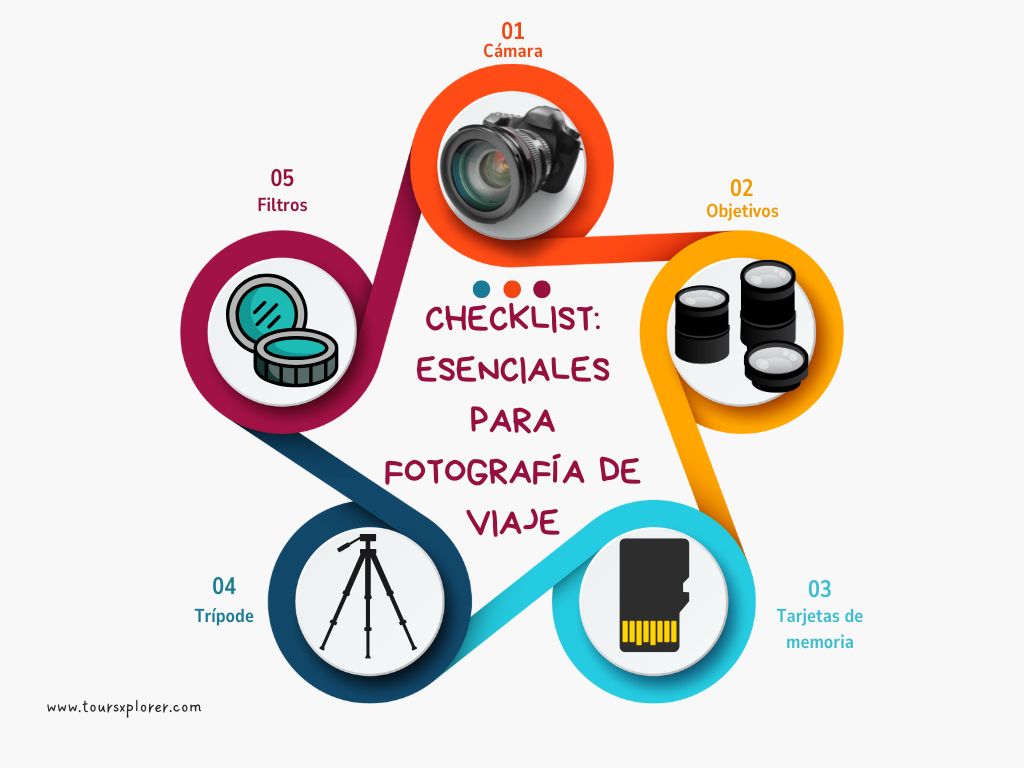
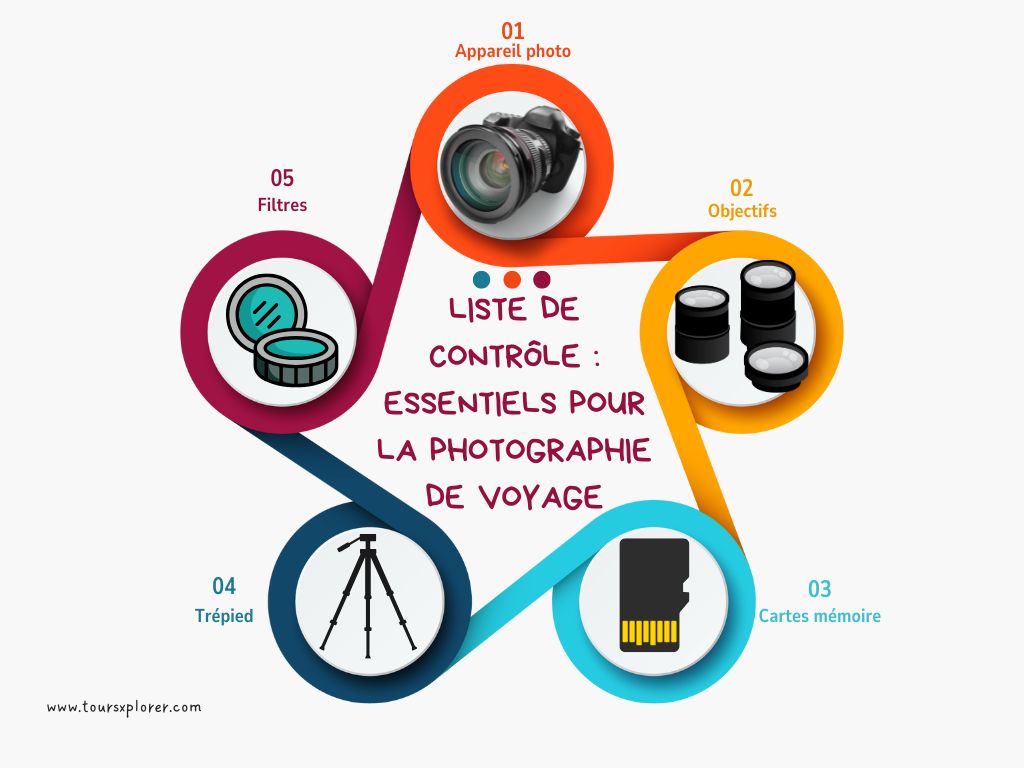
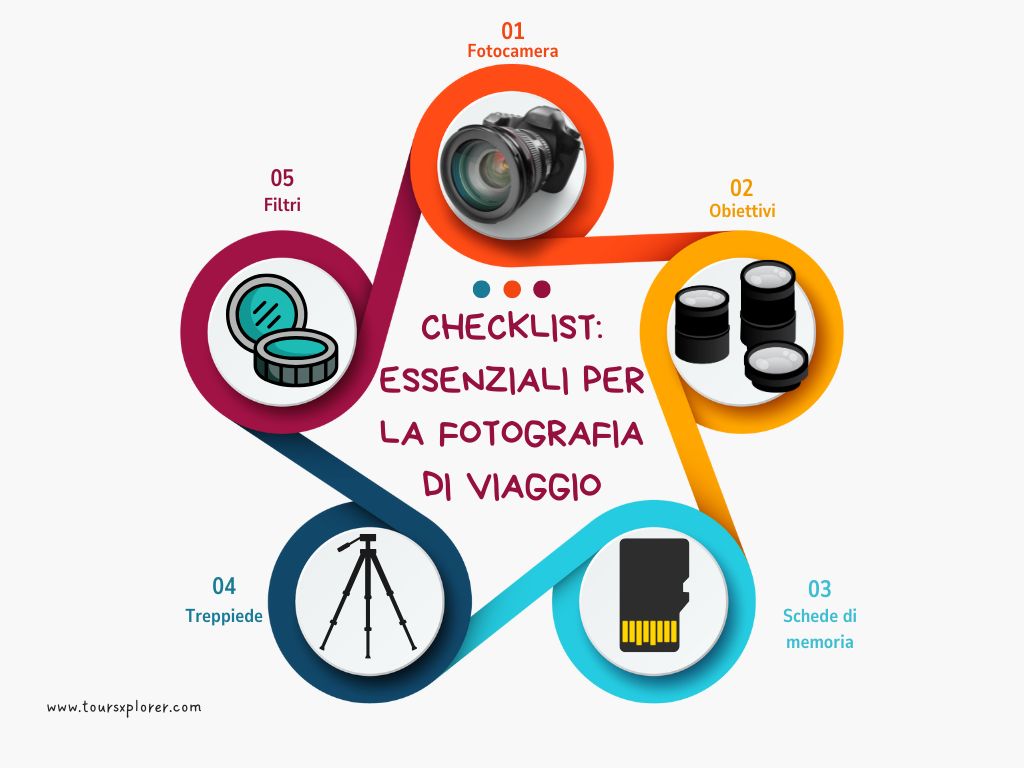
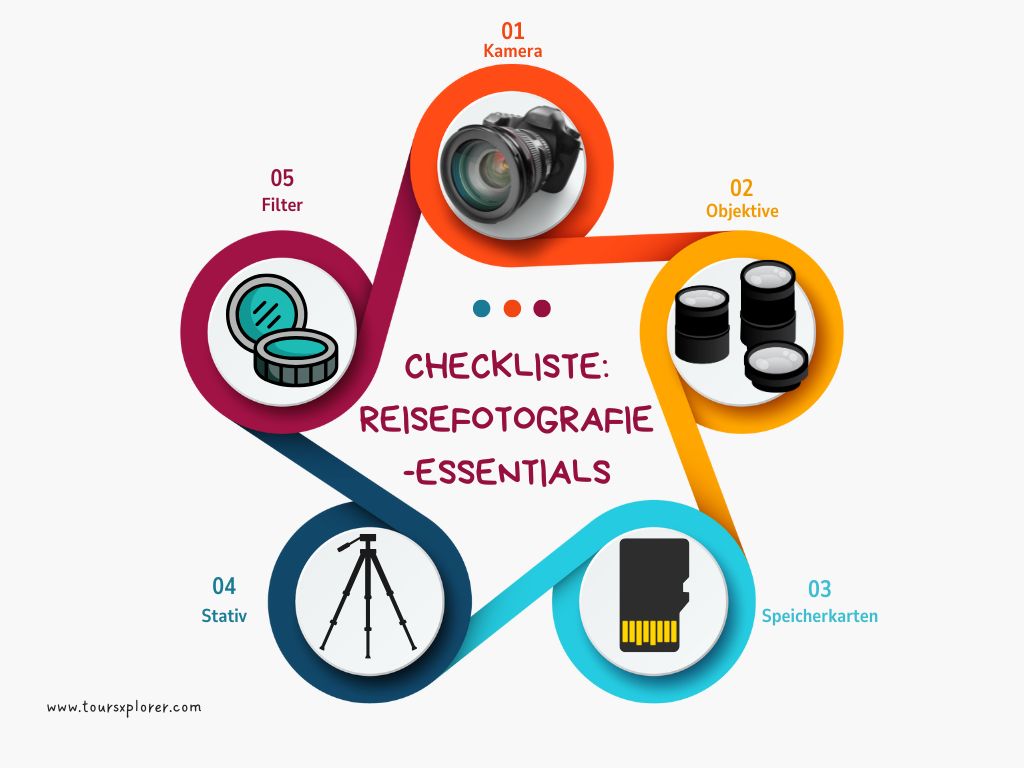
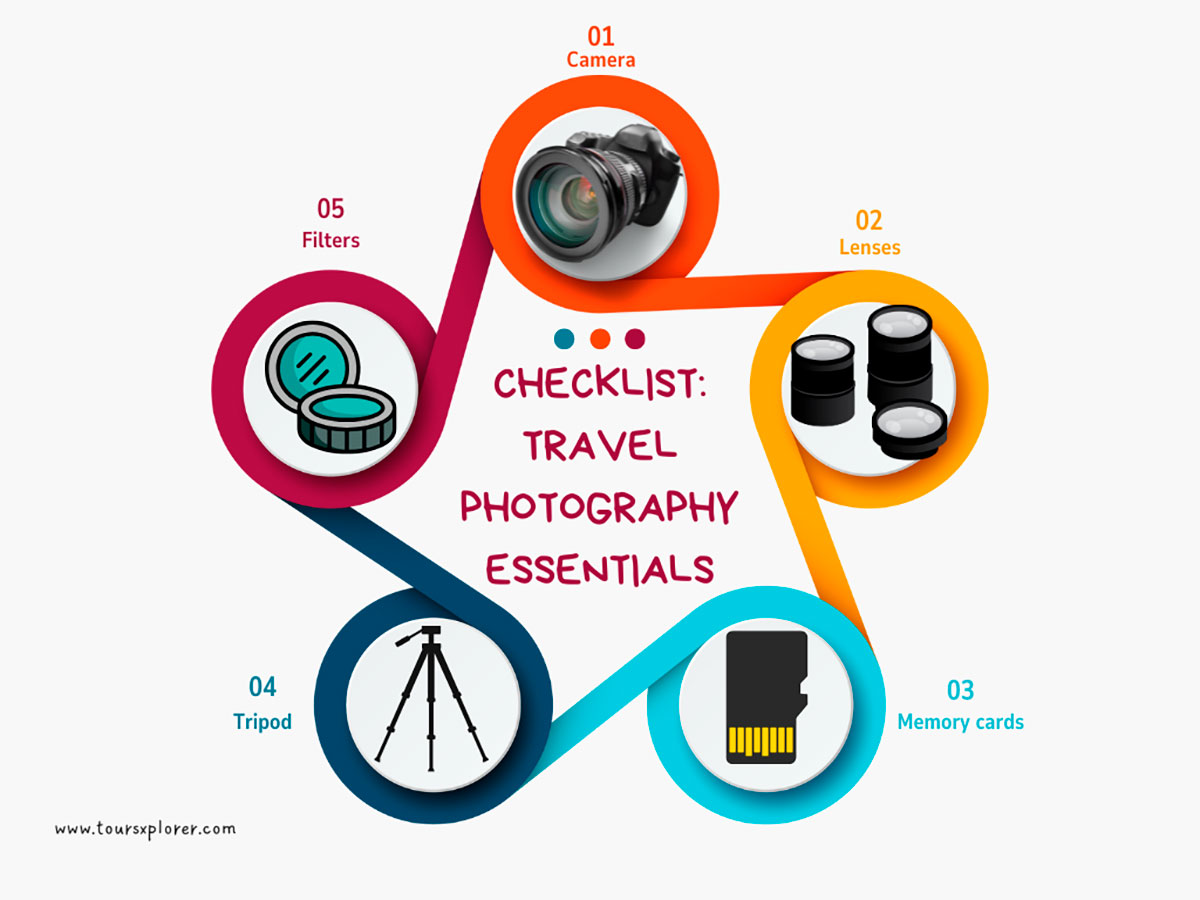
Camera Body(ies): Your main camera and a backup if you have one.
Lenses:
Versatile Zoom Lens: (e.g., 24-70mm or similar) - Great for general use.
Wide-Angle Lens: For landscapes and architecture.
Telephoto Lens: For wildlife, portraits, and distant subjects.
Prime Lens(es): (e.g., 35mm, 50mm) - For low light and shallow depth of field.
Extra Batteries: Essential! Portugal offers beautiful scenery you'll want to capture.
Memory Cards: Bring more than you think you'll need. Consider high-speed cards for better performance.
Camera Bag/Backpack: Comfortable and protective, ideally weather-resistant.
Lens Cleaning Cloths and Solution: To keep your lenses smudge-free.
Tripod: For low light, long exposures, and stable shots (check if allowed at specific locations in Portugal).
Remote Shutter Release or Timer: Useful for tripod shots and self-portraits.
Filters:
UV Filter: For lens protection.
Polarizing Filter: To reduce glare and enhance colors (especially useful near the coast).
Neutral Density (ND) Filters: For long exposures in daylight.
Accessories & Protection:
Universal Adapter: Portugal uses Type C and F plugs.
Portable Power Bank: For charging your camera or phone on the go.
Rain Cover for Camera Bag/Camera: Especially important if you plan on being outdoors.
Dry Bags or Waterproof Cases: For protecting gear near water or in humid conditions.
Lens Hoods: To prevent lens flare and protect the front element.
Card Reader: For transferring photos to your laptop or other devices.
Hard Drive or Portable SSD: For backing up your photos.
Cable Organizer: To keep your cords tidy.
Tech & Workflow:
Laptop or Tablet: For reviewing and editing photos (optional but recommended).
Photo Editing Software: Installed on your laptop/tablet.
Smartphone: For quick snaps, navigation, and sharing.
Cloud Storage Subscription: For backing up photos online.
Personal & Safety:
Passport and Visa (if required): Ensure they are valid.
Travel Insurance Details: Including coverage for camera equipment.
Copies of Important Documents: Keep digital and physical copies separate from the originals.
First-Aid Kit: Basic essentials for minor injuries.
Sunscreen and Hat: Especially important if you'll be shooting outdoors.
Comfortable Walking Shoes: You'll likely be doing a lot of walking.
Water Bottle: Stay hydrated.
Snacks: For when you're out shooting.
Before You Go:
Charge all batteries.Clear memory cards.Clean your lenses.Test your gear.Plan your photography locations and times.Research local regulations regarding photography (if any).
Final Thoughts
Travel photography is more than just snapping pictures—it’s about storytelling, exploration, and preserving unforgettable memories. Whether you’re capturing a bustling city, a serene landscape, or local culture, these tips and destinations will help you take breathtaking photos.
Ready to take your travel photography to the next level? Book a photography tour with Toursxplorer.com and capture the world through your lens!
FAQs1. What’s the best camera for travel photography?
A mirrorless camera offers a great balance between quality and portability. However, modern smartphones also take amazing travel shots.
2. How can I improve my travel photography skills?
Practice composition techniques, understand lighting, and experiment with different angles. Joining a guided photography tour can also help.
3. What’s the best time of day for travel photography?
Golden hour (sunrise & sunset) provides soft, warm lighting that enhances your shots.
4. What are the best destinations for travel photography?
Top destinations include Santorini, Iceland, Marrakech, Kyoto, and Patagonia.
5. How do I keep my camera safe while traveling?
Use a padded, waterproof camera bag, carry extra batteries, and avoid exposing gear to extreme temperatures.