Last updated:


Marbella suits a trip that leaves room for both history and the coast. Its 24 beaches spread along about 27 km of municipal coastline, while Roman sites and an Islamic castle give a reason to look beyond the beach.
A beach visit and a look at Roman remains make a varied plan for Marbella. The Villa of Río Verde and the baths at Guadalmina, also known as Las Bóvedas, offer a focus for an interest in the Roman period. For a food stop, espeto means sardines threaded onto cane and cooked over embers, a tradition associated with the Málaga coast. Today the grilling takes place in boats beside beach bars; fishermen formerly cooked them directly on the sand.

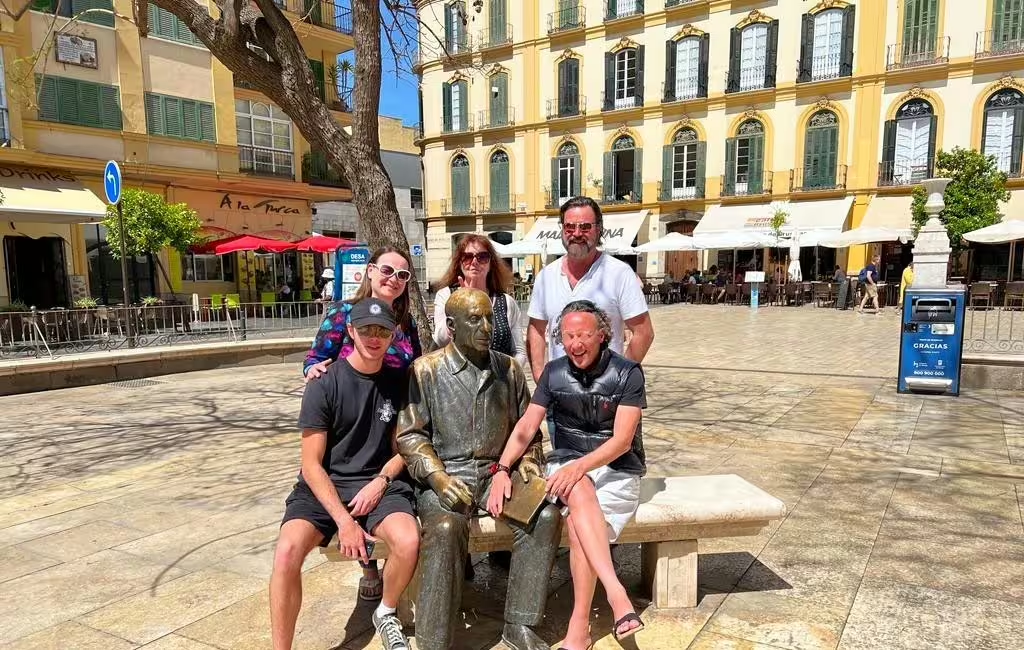
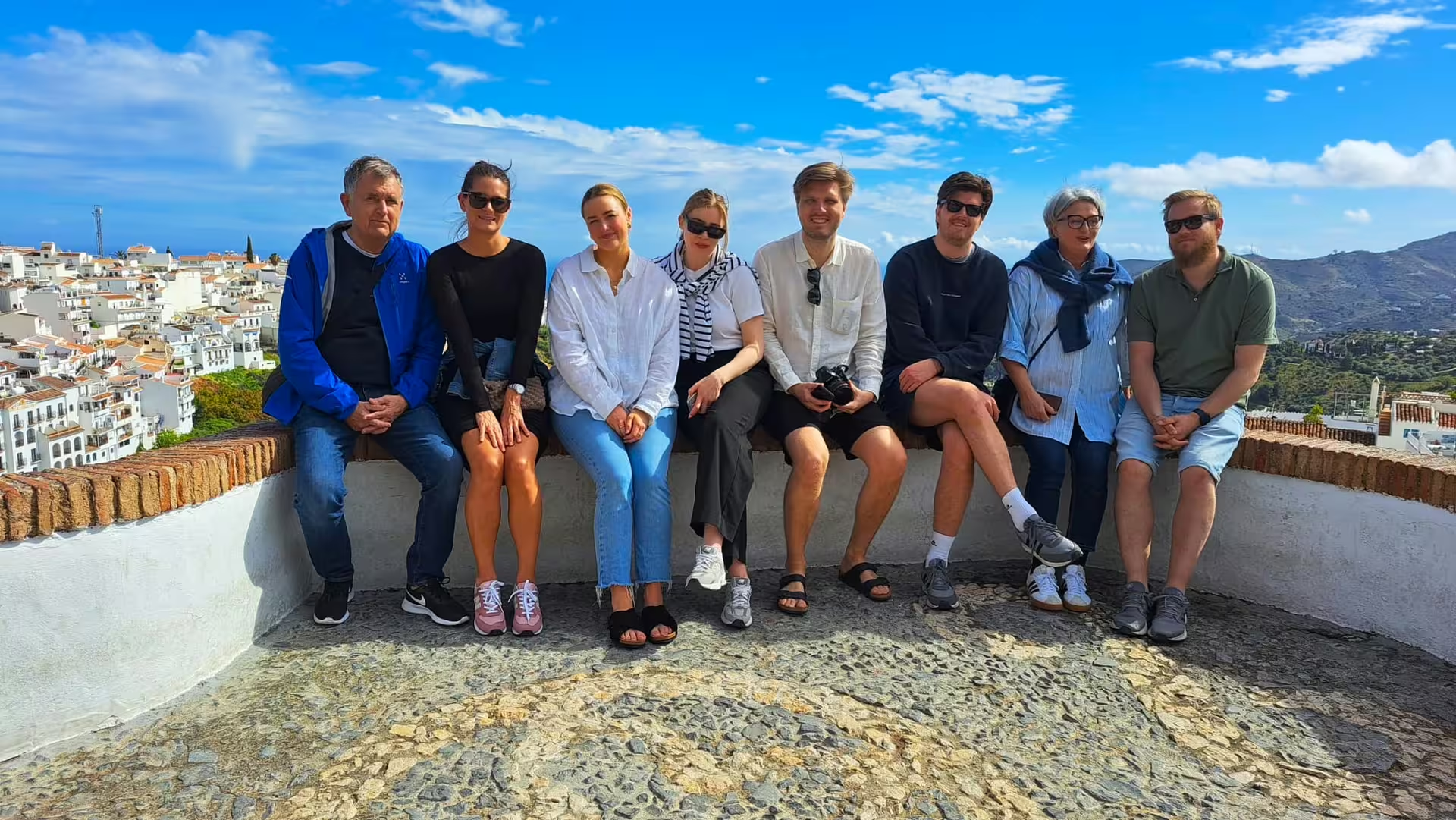
A private tour with a professional photographer in Marbella lasts 1 hour and includes a professional local photographer, edited digital photographs in high resolution, candid photography and flexible location selection within Marbella.
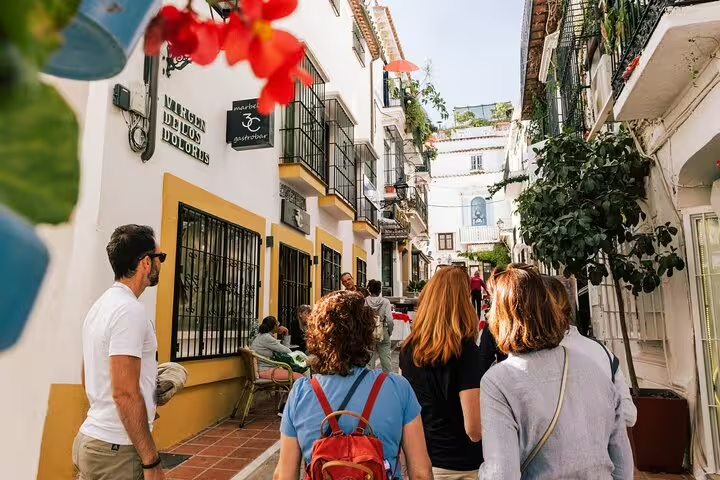
A guided walk is an option for exploring the old town with a local. Plaza de los Naranjos provides a historical focus. The square was laid out after the Christian conquest of 1485, and it was once known as Plaza Real. Marbella gained city walls during the Islamic period, and its castle is thought to date from the Caliphate period, probably the 10th century.

The guided walking tour of Marbella old town with a local takes 1 hour and 30 minutes, with a professional local guide, the walking route, access to outdoor historic areas and an olive oil tasting subject to availability.
For a stay focused on that walk and Plaza de los Naranjos, accommodation near the old town would suit the plan.
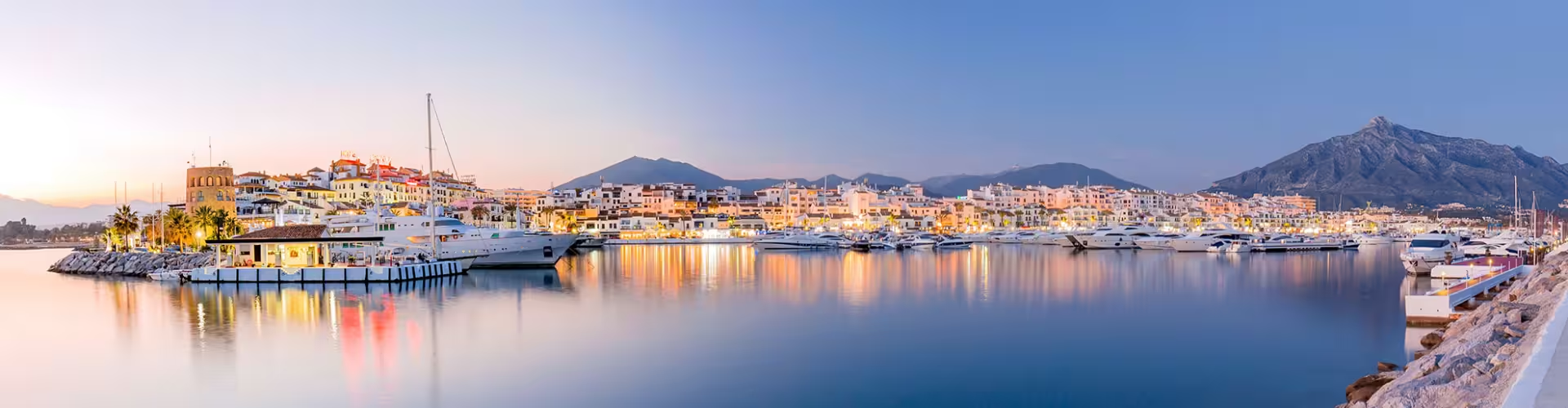
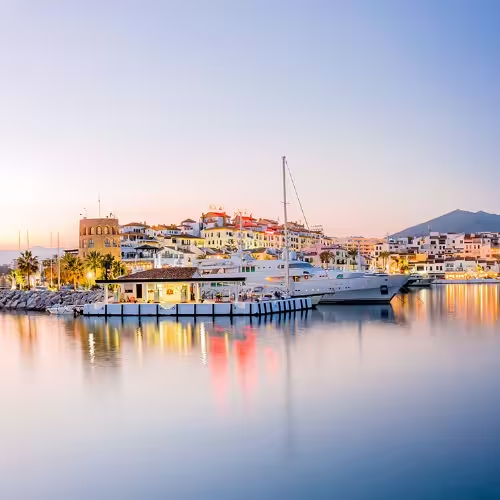
Puerto Banús fits a visit centred on the harbour. It opened officially on 18 May 1970 and takes its name from the developer José Banús. The harbour has 915 berths, giving a sense of the scale of the development.
The direct Avanza bus connects Málaga Airport with Marbella in 45 minutes. That direct journey makes the bus an option if you want to reach Marbella without changing services.
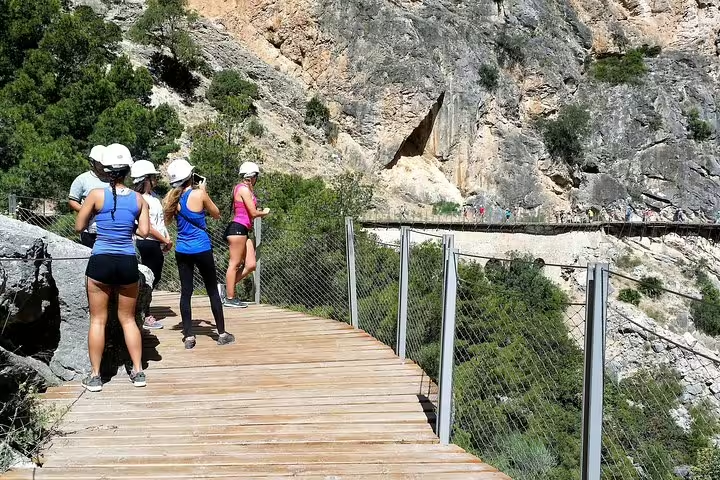
Two days are a suggested plan for the old town, Puerto Banús and some beach time. The first day can focus on an old town walk and Plaza de los Naranjos; the second can pair Puerto Banús with a beach visit. For a separate nature outing, Sierra de las Nieves near Marbella is a UNESCO Biosphere Reserve.
July and August call for caution if walking in heat is a concern. At the Málaga Airport weather station, average daily highs were 30.5 °C in July and 30.8 °C in August in the 1981-2010 climate normals. Marbella has a mild climate, with an average annual temperature of around 18 to 19 °C and a dry, sunny summer. A festival can also shape the date of a visit: San Bernabé is celebrated on 11 June and the Virgen del Carmen on 16 July.
Walking is an option for an old town visit, as the local guided walking tour shows.
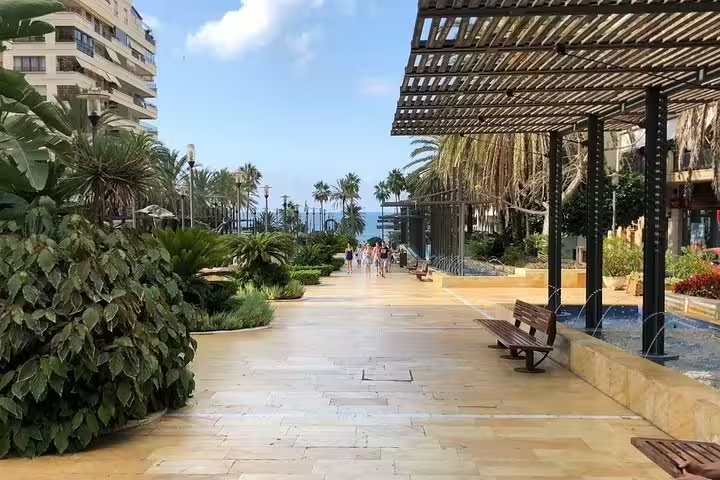
The distance between Marbella and the city of Málaga is 57 km.
Holy Week in Marbella falls in March or April, with nine Passion brotherhoods taking part.
On 3 May each year, residents of Marbella set off at dawn on a pilgrimage up to the Cruz de Juanar.
Sources: Información obtenida del Portal de la Junta de Andalucía (CC BY 3.0): 20231002_DocDestOt_02.pdf.