Last updated:


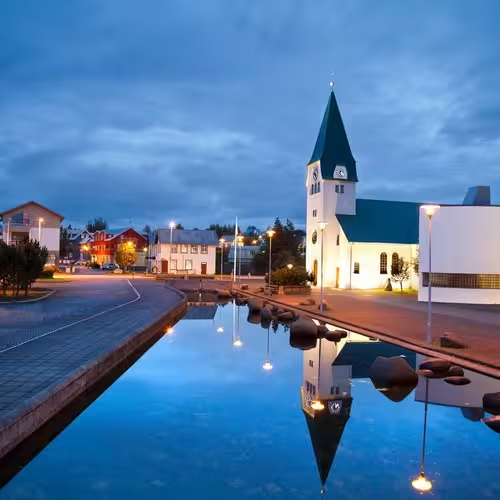
Keflavík suits a stay focused on Reykjanes with the airport nearby. The town is in south-west Iceland and belongs to Reykjanesbær, alongside Njarðvík and Hafnir.
A day out on Reykjanes can focus on volcanic landscapes, geothermal features and the lighthouse. Volcanoes shaped the peninsula, which gained UNESCO Global Geopark status in 2015. Around Keflavík, basalt rubble covers much of the ground, with scattered moss and hardy plants.
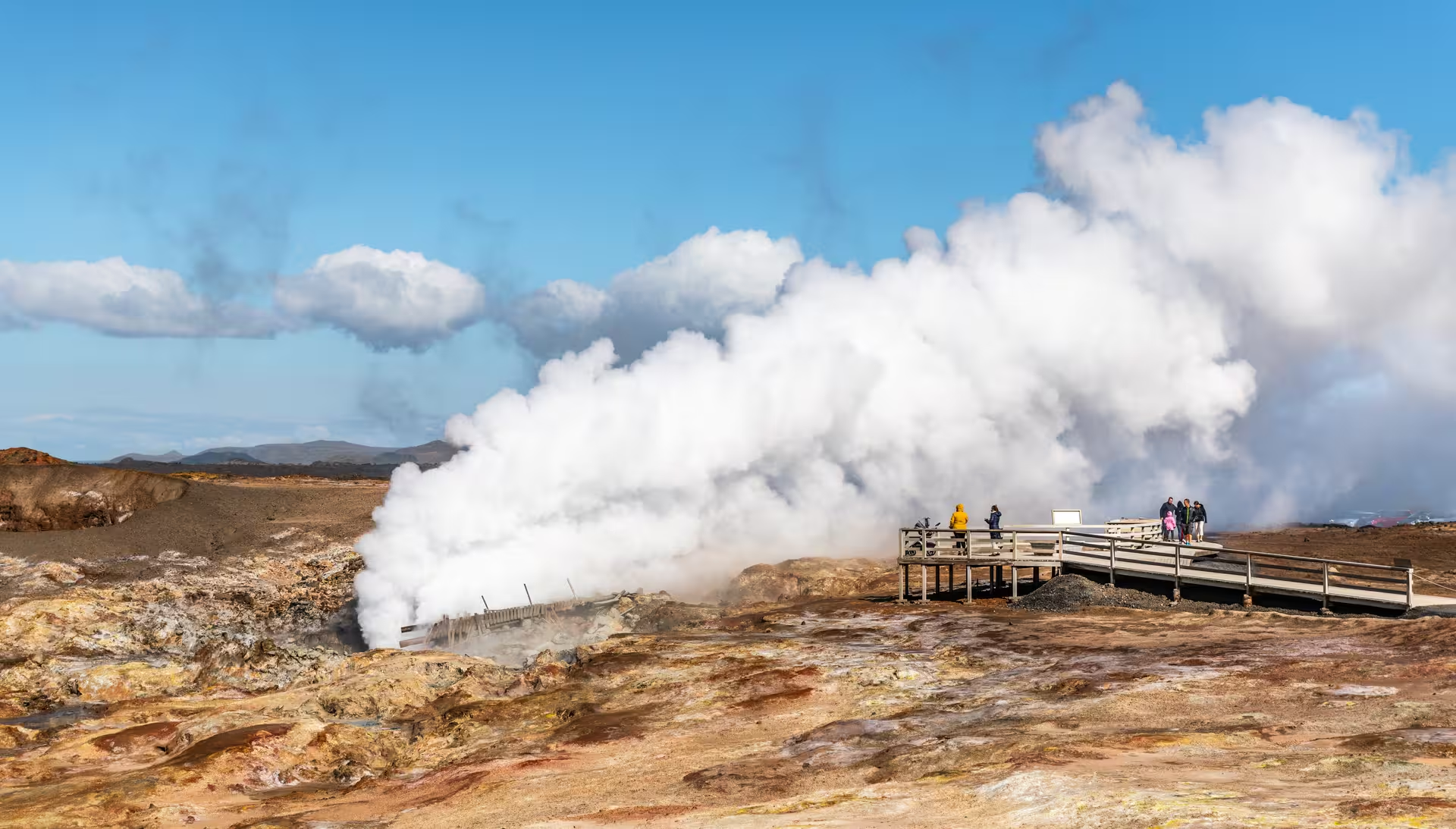
For a visit centred on geothermal activity, pair Gunnuhver with nearby Reykjanesviti, the lighthouse on Bæjarfell. At Gunnuhver, paths and viewing platforms channel visitors around active vents and mud pools. The springs also have a folklore connection: Gunna is the ghost associated with them.
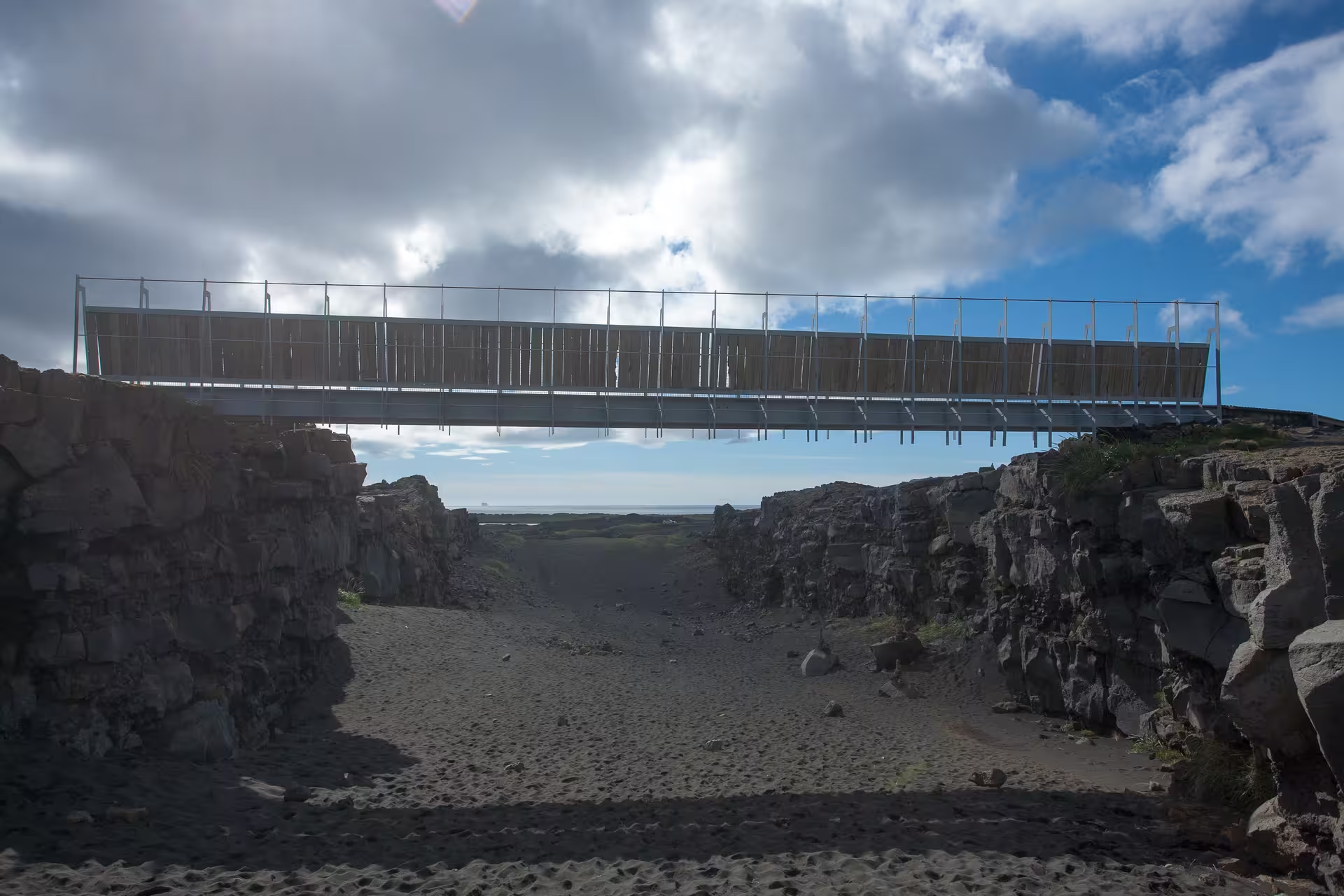
The Bridge Between Continents adds a plate-boundary theme to the outing: visitor promotion presents it as marking the division between the Eurasian and North American plates. The Mid-Atlantic Ridge reaches land on this peninsula.
Two days is a reasonable plan for a visit combining the geothermal landscape with the Blue Lagoon and local culture. Day one can bring together Gunnuhver, Reykjanesviti and the Bridge Between Continents. Day two can focus on the Blue Lagoon and Víkingaheimar, the Viking World museum in Njarðvík.
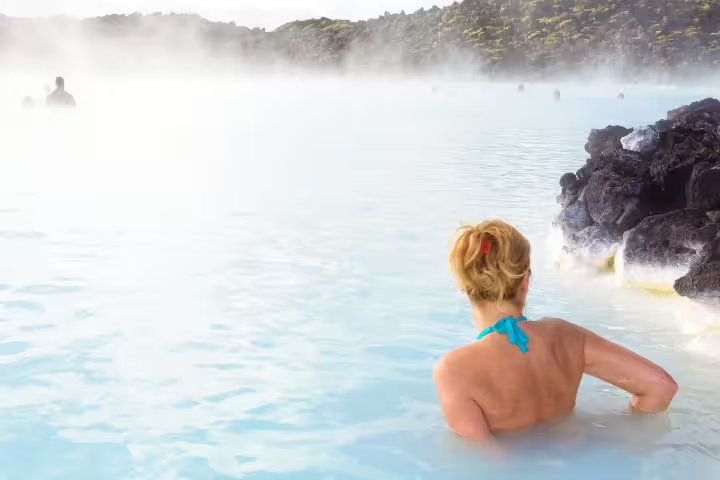
The lagoon occupies a lava field around 5 km from Grindavík, and its water originates as a by-product of the Svartsengi geothermal power plant nearby. Keep the plan flexible: the peninsula has experienced renewed volcanic and seismic unrest since 2021, and volcanic activity caused intermittent lagoon closures between 2023 and 2025. Magma continues to accumulate beneath the area, so check the lagoon's opening status shortly before your visit.
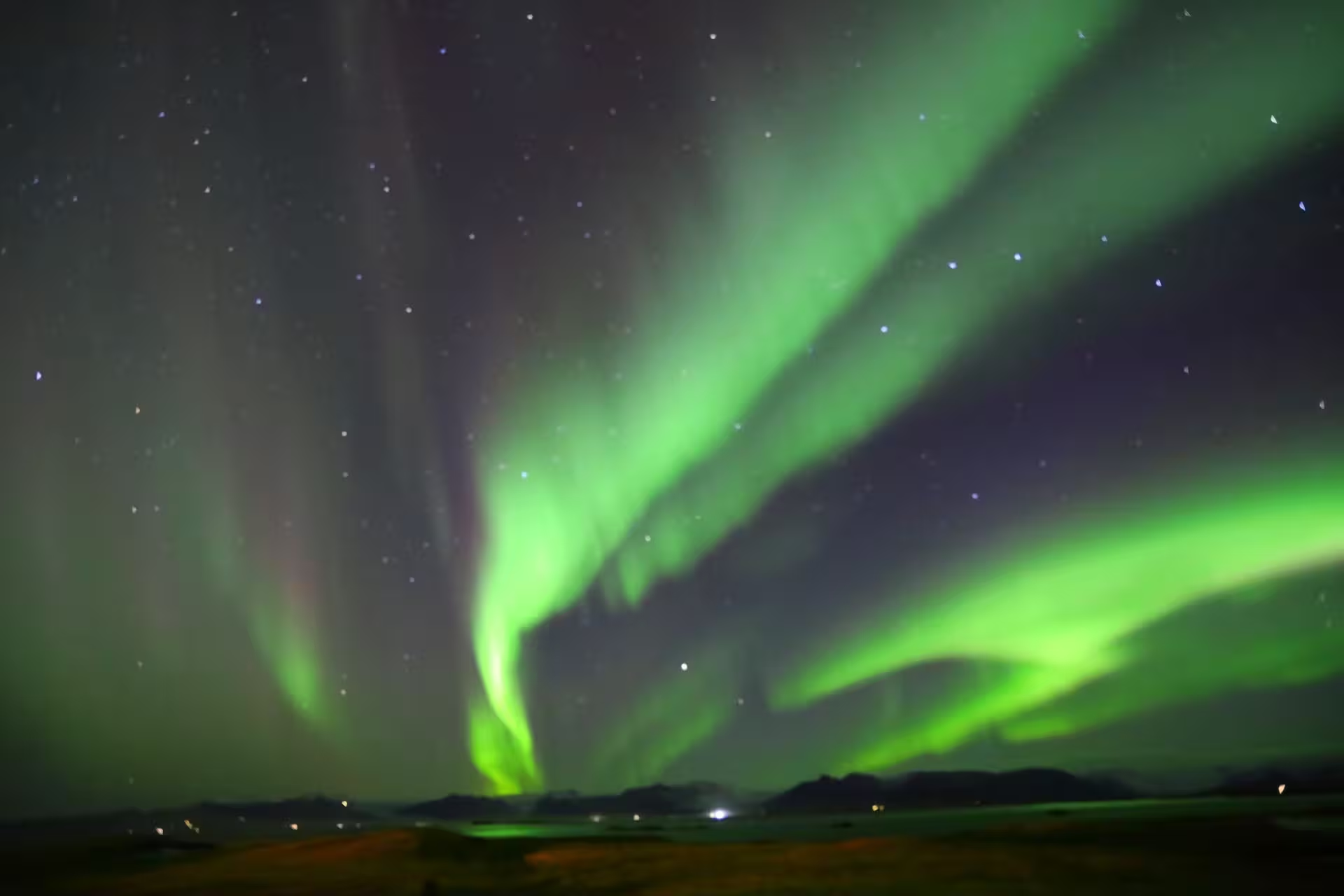
For a longer itinerary, a guided South Coast and Golden Circle tour lasts 4 days and 1 hour. It includes Blue Lagoon admission and bathing, a local guide throughout, private cabin accommodation and daily restaurant meals as described for each day. Guided access to Þórsmörk and Eyjafjallajökull, visits to Glacier Lagoon and Diamond Beach, Golden Circle sightseeing at Gullfoss, Geysir and Þingvellir, and guide assistance with the northern lights are also included.
July is a reasonable choice for walking if milder weather is your priority, with an average daytime high of 14.2 °C. Even summer stays cool here, while winters are moderately cold.
Treat the airport, Keflavík and Reykjavík as separate stops in your plans. The airport is approximately 3 km to the west of Keflavík and roughly 50 km south-west of Reykjavík. The Blue Lagoon is around 20 km from the airport, another distance to account for when arranging your visit.
For sightseeing in Reykjavík by car, a private guided city tour lasts 3 hours and includes private transport in a modern vehicle, a professional local guide throughout and an itinerary tailored to your preferences.
Keflavík is a sensible base if your priorities are Reykjanes and proximity to the airport. For the museum visit, include neighbouring Njarðvík in your plans rather than treating Keflavík as the whole municipality.
Keflavík Airport uses KEF as its IATA code and BIKF as its ICAO code.
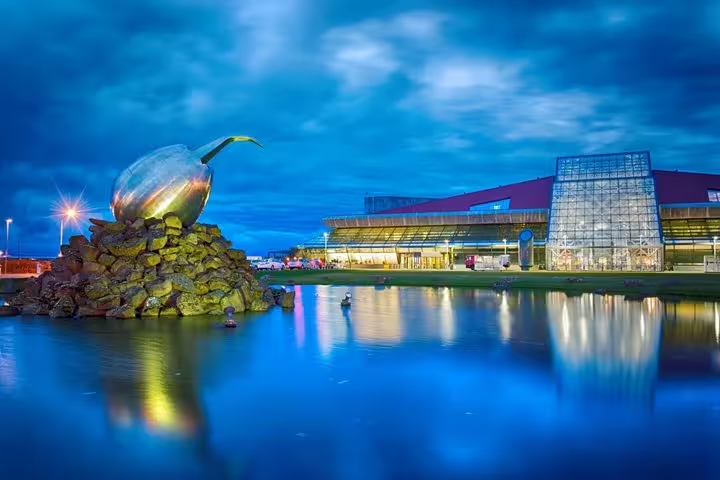
Reykjanes lies around 9 km to the south of Iceland's international airport.
Njarðvík has been home to the Viking World museum, Víkingaheimar, since May 2009.