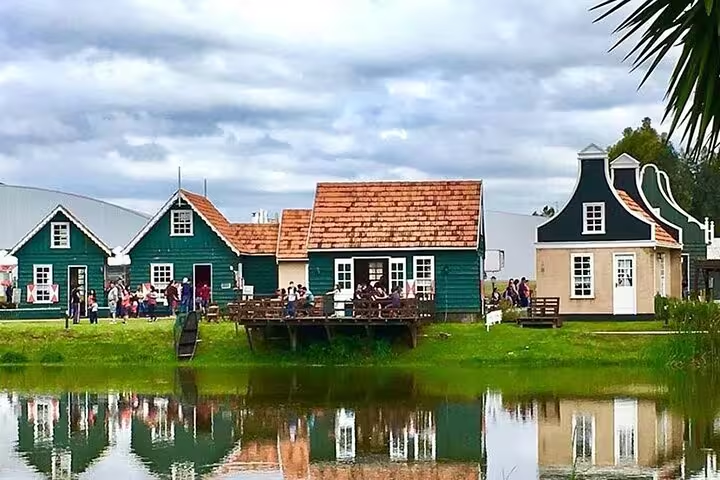
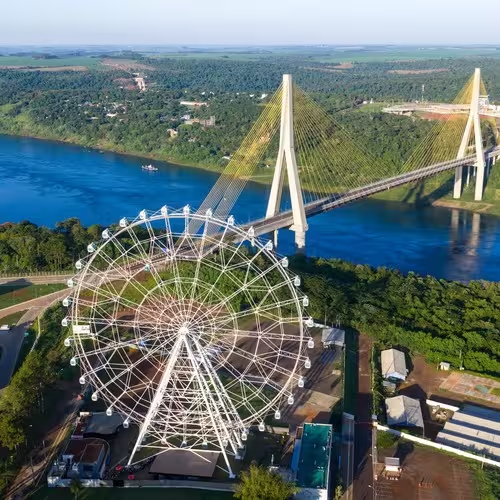
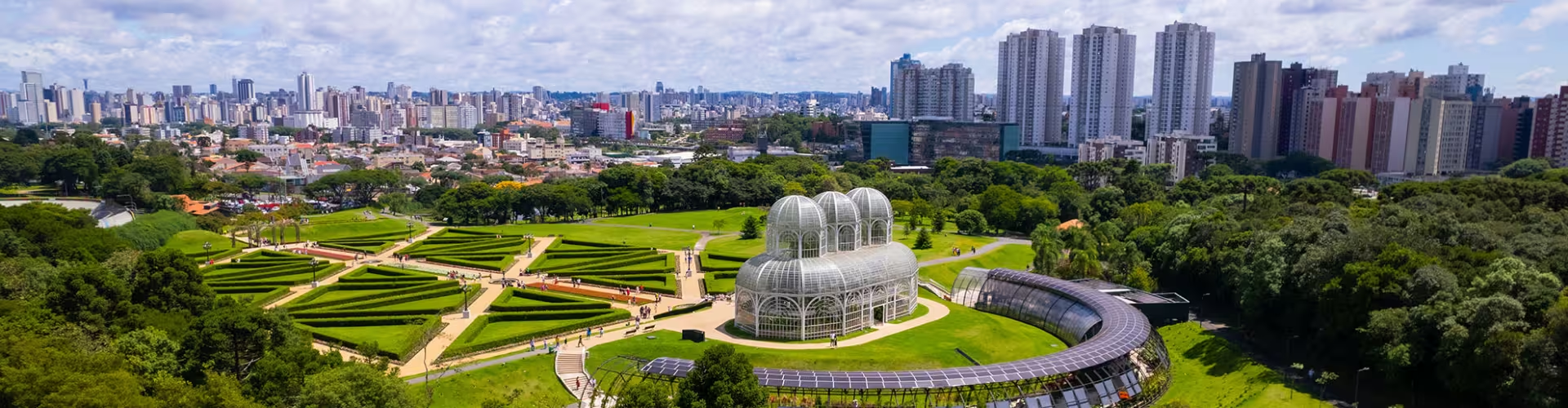
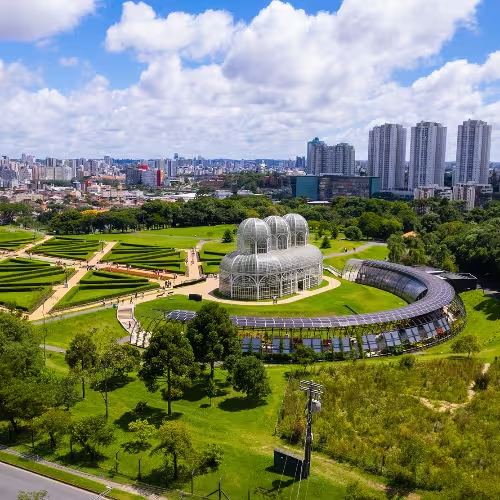
Carambei is a charming city in the state of Paraná, Brazil, nestled in the southern region known for its lush landscapes and rich agricultural heritage. This municipality blends traditional Brazilian culture with European influences, reflected in its architecture and local communities. Visitors discover a destination shaped by cultural diversity and natural beauty.
What to see in Carambei
The city offers several points of interest for travelers exploring the region. The local churches and public squares showcase colonial and modern architectural styles, while surrounding farmlands present authentic rural landscapes typical of Paraná. Cultural landmarks provide insight into the region's historical development and community heritage.
Things to do in Carambei
Visitors can explore agricultural properties and learn about local farming practices that define the region's economy. Nearby attractions in the broader Paraná region include visits to waterfalls, nature reserves, and small towns with traditional crafts. Seasonal festivals and local markets offer opportunities to experience regional culture and cuisine.
Local Agricultural Heritage
Carambei ha costruito la sua identità attorno all'agricoltura e alle tradizioni agricole che hanno plasmato la comunità per generazioni. La regione è nota per la produzione di colture diverse e il mantenimento di aziende agricole a conduzione familiare che accolgono i visitatori interessati a esperienze rurali. Questo focus agricolo rimane centrale per l'identità locale e l'attività economica.
Carambei is located in the state of Paraná in southern Brazil, a region characterized by diverse landscapes, agricultural productivity, and multicultural communities. The city sits within an area known for its European settlement heritage and strong farming traditions. Paraná is positioned between major Brazilian cities, making Carambei accessible for visitors exploring southern Brazil's rural and cultural attractions.
Agricultural Heritage, Rural Tourism, Paraná Region, Brazilian Culture, Farming Communities, Colonial Architecture, Cultural Experiences, Southern Brazil