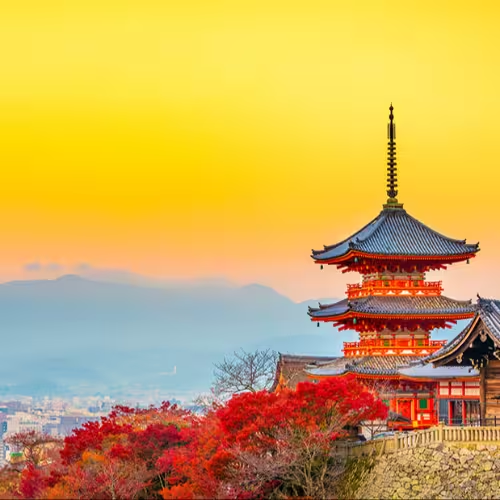
Kyoto Prefecture stands as Japan's cultural heart, home to thousands of temples and shrines that reflect centuries of tradition. This region in central Honshu showcases the iconic Fushimi Inari Shrine with its thousands of vermillion torii gates and the serene Arashiyama Bamboo Grove.
What to see in Kyoto Prefecture
Visitors should not miss Kinkaku-ji, the Golden Pavilion, and Gion District's historic wooden machiya houses that transport you back to the Edo period. The philosopher's Path offers scenic walks past hundreds of cherry trees, while Ryoan-ji Temple features one of Japan's most contemplated rock gardens.
Things to do in Kyoto Prefecture
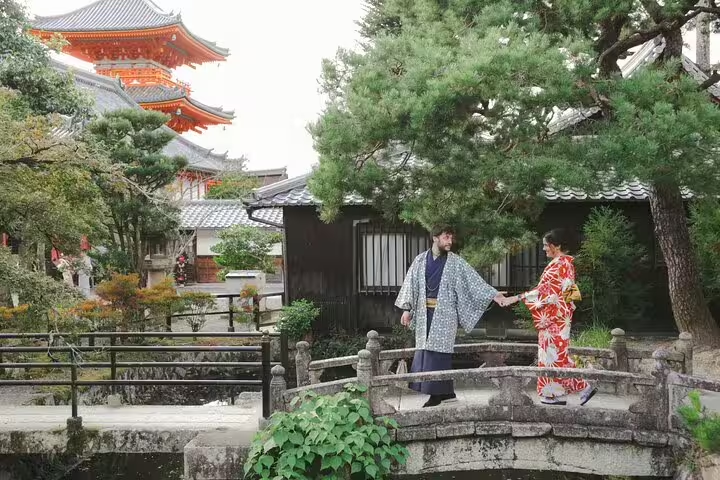
Explore traditional activities including tea ceremony classes, geisha performance viewing, and guided tours through ancient temples. Day trips to nearby rural areas offer hiking opportunities, while seasonal festivals and night viewings of illuminated monuments create memorable experiences.
Kyoto's Role in Japanese Cinema and Traditional Arts
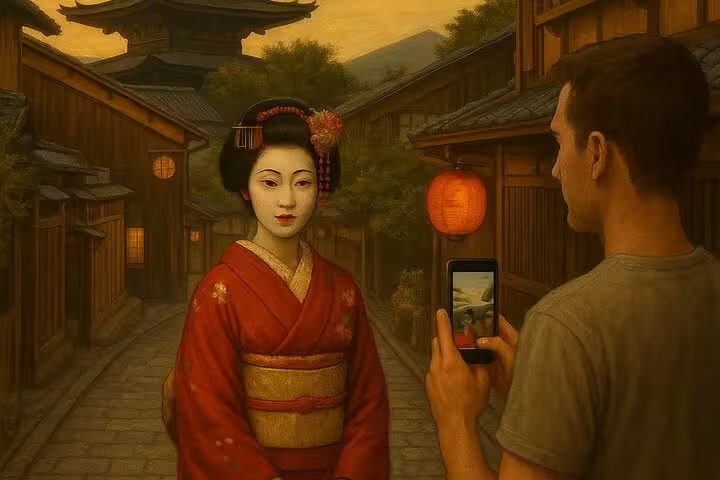
Kyoto ha servito come location di ripresa per innumerevoli film e produzioni televisive alla ricerca di autentici ambienti giapponesi. La prefettura rimane il centro delle arti tradizionali tra cui il teatro Noh, le esibizioni di kabuki e la cultura delle geisha, con il Gion District che rimane il più celebre quartiere delle geisha in Giappone.
Kyoto Prefecture is located in central Honshu, Japan's largest island, in the Kansai region. The prefecture covers approximately 4,612 square kilometers and serves as Japan's cultural and historical epicenter. Its strategic location made it Japan's imperial capital for over 1,000 years, influencing its architecture, arts, and traditions. The region is easily accessible from major cities like Osaka and Tokyo via rail networks. Its diverse geography includes mountain ranges, river valleys, and coastal areas that enhance its cultural landscape.
Cultural Heritage & Historical Tourism: Kyoto Prefecture is recognized as a UNESCO World Heritage site region with over 2,000 temples and shrines. It represents the highest concentration of preserved traditional Japanese architecture and cultural practices in the country. The prefecture maintains strict preservation laws protecting its historical districts.