Arthur's Pass

logoBlack

Build your dream
experience

dreamimg

More to know about Arthur's Pass

Arthur's Pass Travel Guide 🌄


🧭 Snapshot

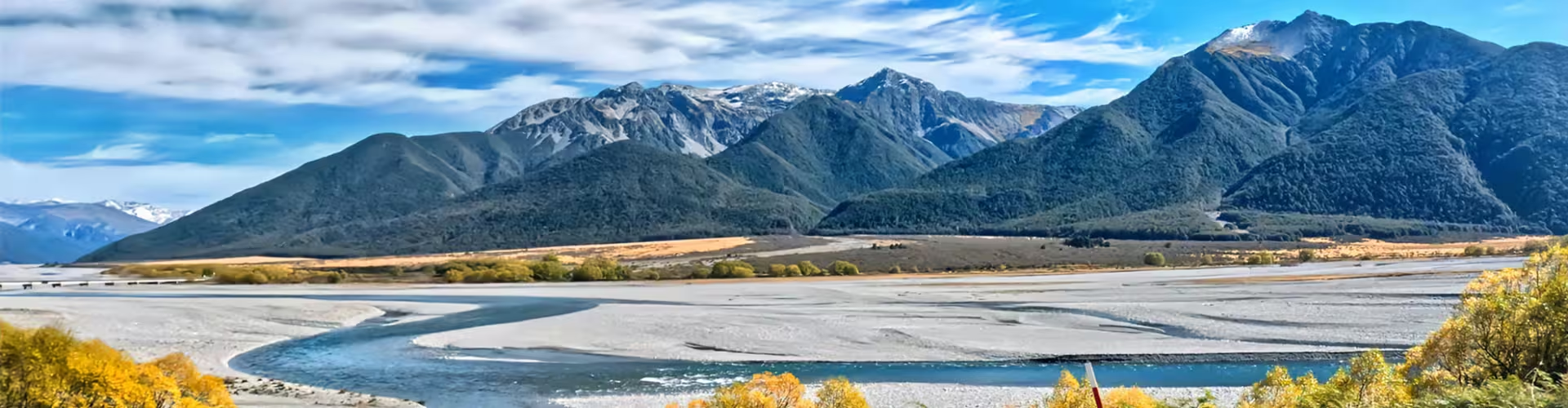
Arthur's Pass, nestled in the heart of New Zealand's Southern Alps, offers a captivating blend of dramatic landscapes and thrilling outdoor adventures. This Travel guide to Arthur's Pass will help you explore lush rainforests, towering mountains, and unique wildlife encounters.


🗺️ Where It Sits

📍 Geography and Nearby Hubs

Situated in the Canterbury Region of New Zealand, Arthur's Pass is conveniently located between Christchurch and Greymouth. Easy access via the TranzAlpine train makes it a popular stop for travelers.

🕒 Best Time To Visit

Spring and autumn offer mild weather and fewer crowds. Winter is ideal for snow sports, while summer brings vibrant greenery but more visitors.

💰 Typical Costs and Money Tips

Accommodation ranges from budget to mid-range. Credit cards are widely accepted, and consider purchasing a National Park Pass for savings.


⭐ Essential Things To Do

Arthur's Pass National Park: Discover stunning trails and alpine views. Suitable for all fitness levels, plan at least half a day.

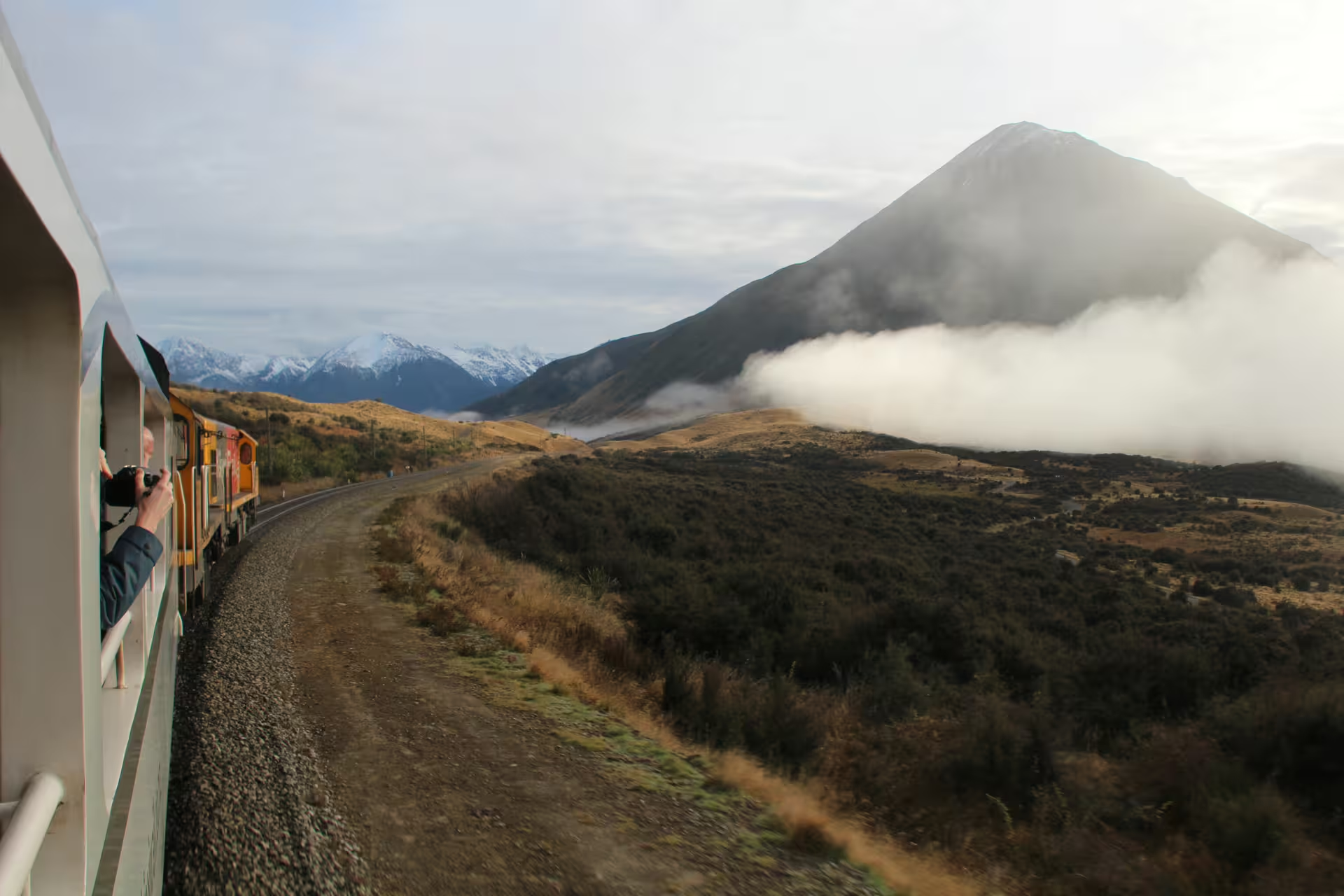
TranzAlpine Train Journey: One of the world's great train rides, offering breathtaking views. Book tickets in advance for the best experience.

Devil's Punchbowl Waterfall: A short hike leads to this spectacular 131-meter waterfall. Perfect for a quick yet rewarding excursion.

Otira Viaduct Lookout: Offers panoramic views of the viaduct and surrounding landscape. Great for photography enthusiasts.

Castle Hill: Known for its unique limestone rock formations, it's a must for climbers and photographers alike.

Explore Bealey Valley: A gentle walk through lush forest and stunning views. Ideal for families and nature lovers.


🚶 Suggested Short Itineraries

⏰ One Perfect Day

Start with a morning hike in Arthur's Pass National Park; enjoy lunch nearby, then visit the Devil's Punchbowl Waterfall in the afternoon.

⏰ Two Days

Explore the TranzAlpine Train Journey on day two, followed by an afternoon discovering the rock formations at Castle Hill.

⏰ Three Days

Mix outdoor adventures with cultural experiences. Include a side trip to Greymouth or Christchurch to enrich your journey.


🍽️ What To Eat And Drink

Try local delicacies like venison pie at the Wobbly Kea Café. Sample fresh trout from alpine streams. Enjoy a craft beer at a local pub for a true Kiwi experience.


🚌 Getting Around

Options include rental cars or the TranzAlpine train. Biking and walking are viable for exploring the park. Most areas are accessible, but always check trail conditions.


🌄 Best Day Trips

Greymouth: A coastal city with mining history, just a few hours away by train or car.

Christchurch: Known for its vibrant arts scene and beautiful gardens, reachable within a day.

Lake Brunner: Offers fishing and boating activities, about an hour’s drive from Arthur's Pass.


✅ Practical Tips For Visitors

  • Reserve train tickets in advance, especially during peak seasons.
  • Visit early morning or late afternoon for fewer crowds.
  • Bring weather-appropriate clothing; conditions can change quickly.
  • Don’t forget insect repellent for forested trails.
  • Check trail and road conditions before heading out.

❓ Frequently Asked Questions, FAQ

Q: How many days do I need to explore Arthur's Pass?
A: Three days is recommended to fully enjoy Arthur's Pass, explore its main attractions, and take a day trip.

Q: Are there any combo tickets available for attractions?
A: Yes, combo tickets for the TranzAlpine Train and Arthur's Pass National Park are available, offering savings on entry fees.

Q: What are the best neighborhoods to stay in Arthur's Pass?
A: The village area offers charm and proximity to attractions, while surrounding areas provide stunning views and easy access to trails.

Q: What is the weather like in Arthur's Pass?
A: Summers are warm and perfect for hiking, while winter offers excellent snow sports opportunities. Spring and autumn are mild and ideal for sightseeing.

Q: Is Arthur's Pass accessible for travelers with mobility issues?
A: Some trails have steps and uneven terrain, but many areas are accessible with assistance. Plan ahead for specific needs.