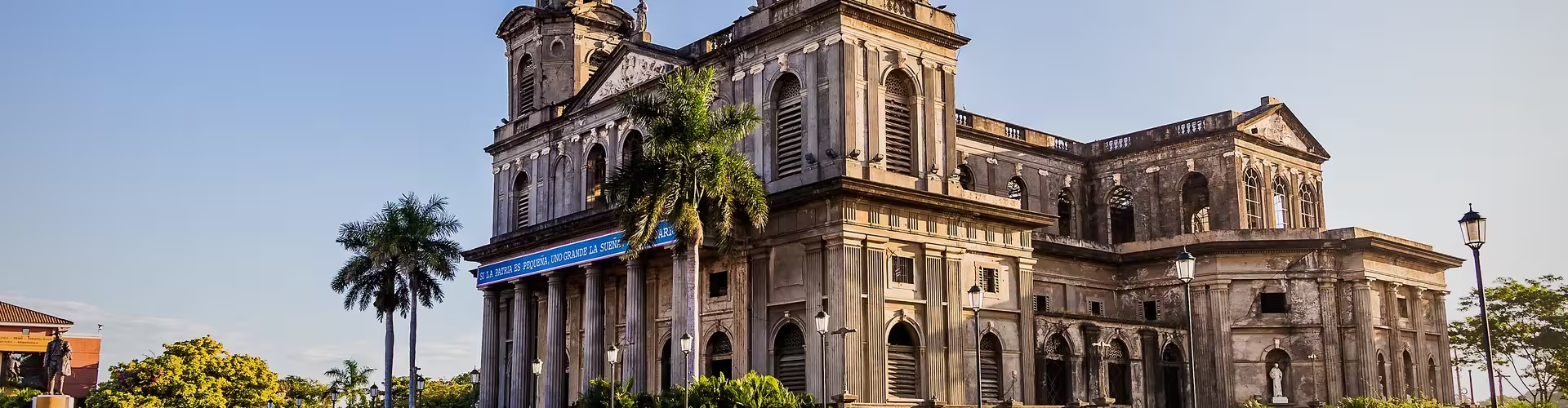
Managua, the capital and largest city of Nicaragua, sits on the shores of Lake Managua in the country's western region. This vibrant urban center blends colonial history with modern development, featuring landmarks like the Old Cathedral and the National Palace that reflect its rich past.
What to see in Managua
Visitors should explore the Metropolitan Cathedral, an architectural marvel built after the 1972 earthquake, and the National Museum which houses pre-Columbian artifacts and colonial art. The lakefront promenade offers scenic views and access to cultural institutions that showcase Nicaraguan heritage and contemporary art.
Things to do in Managua
The city serves as a gateway for day trips to nearby volcanic landscapes and colonial towns like Granada and Leon. Tourists can enjoy water activities on Lake Managua, visit local markets for authentic handicrafts, and experience the city's growing restaurant scene that highlights regional cuisine.
Managua's Cultural and Culinary Scene
Managua's food culture reflects Central American traditions with dishes like gallo pinto and fresh tropical fruits found in local markets and family-run eateries. The city hosts cultural events and festivals throughout the year, celebrating everything from religious traditions to music and dance that define Nicaraguan identity.
Managua is located in western Nicaragua on the shores of Lake Managua, serving as the nation's political and economic hub. The city sits at an elevation of approximately 55 meters above sea level and functions as the primary gateway for travelers exploring Nicaragua's diverse attractions, from colonial architecture to natural wonders. Its central location makes it an ideal base for visiting nearby destinations including the colonial towns of Granada and Leon, as well as access to volcanic landscapes and Pacific coastal regions.
Central America, Nicaragua, Urban Exploration, Cultural Tourism, Colonial History, Lake Destinations