Last updated:


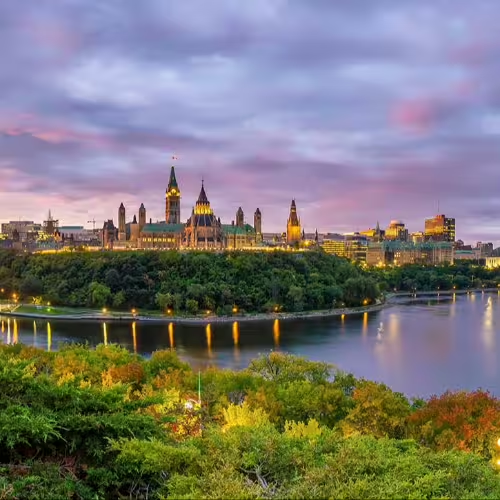
Ottawa rewards a visit that leaves room for the water, museums and a pastry break, rather than concentrating entirely on Parliament Hill. Canada's capital stands where three rivers meet, and the Rideau Canal brings a World Heritage waterway into the picture. Two days is my suggestion for combining those sights with a museum chosen around your interests.
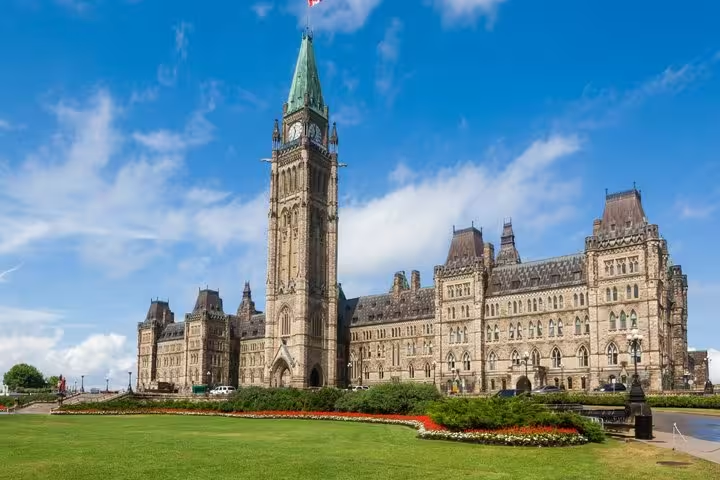
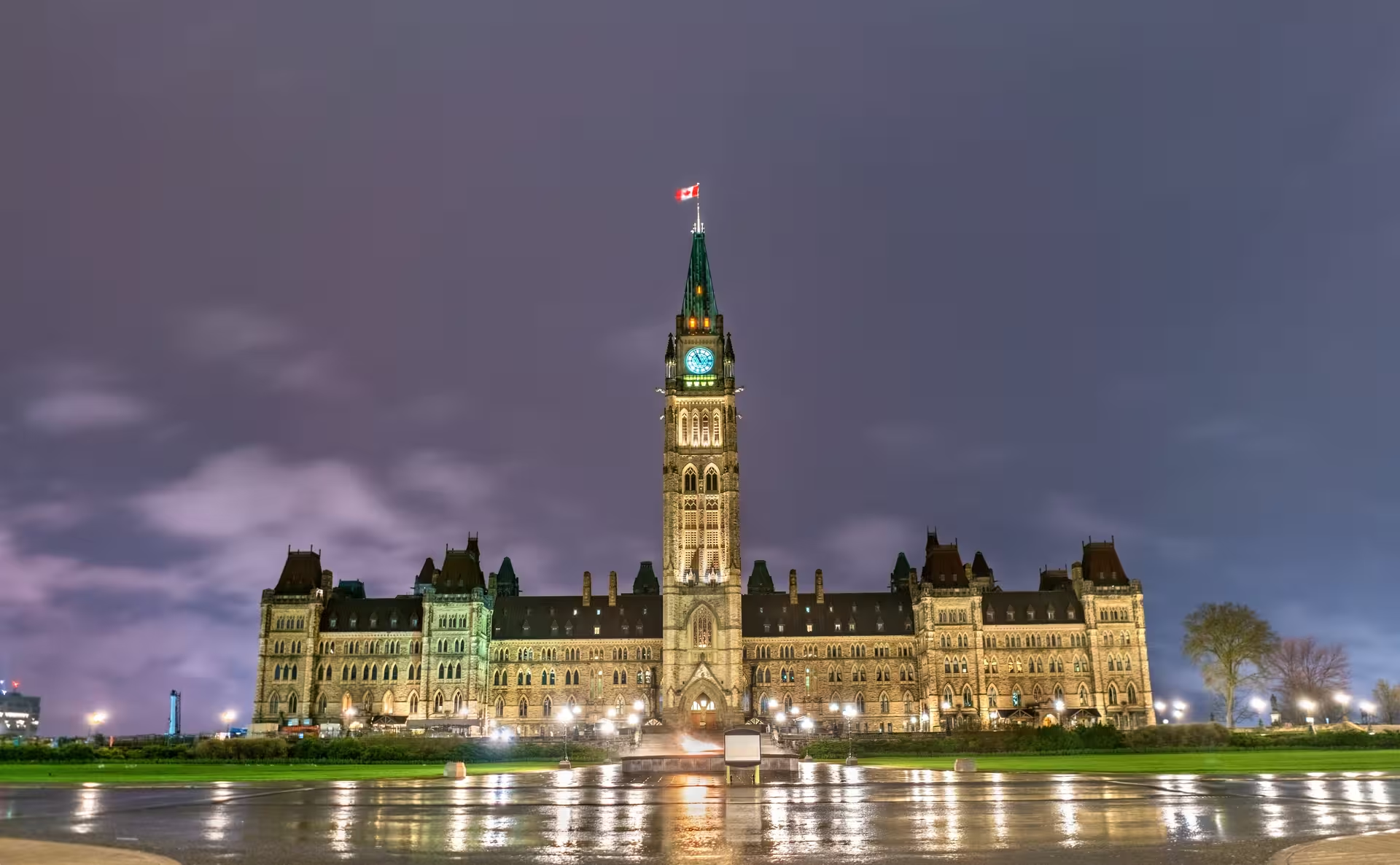
Allow two days for Parliament Hill, the Rideau Canal and a museum, with ByWard Market as a food stop. On the first day, put Parliament Hill and the canal on your list; reserve the second for a museum and the market. Centre Block is the historic seat of the House of Commons and Senate, so Parliament Hill is worth including if you want to understand Ottawa's role as the capital.
ByWard Market offers a pause between monuments: handmade BeaverTail pastries come with a choice of toppings. A pastry stop can be the break between sightseeing and whichever museum you decide to visit, rather than another attraction to rush through.
If you prefer listening as you walk, the self-guided Ottawa audio walking tour provides 25 audio commentaries.
Let your interests decide: the Bytown Museum is for Ottawa's story, while the Canadian Museum of Nature offers a close look at a blue whale skeleton. Bytown's displays follow the city's story from its First Peoples through its Bytown period to Ottawa today. That makes it a sensible choice when you want context for the city itself rather than a visit centred on natural history.
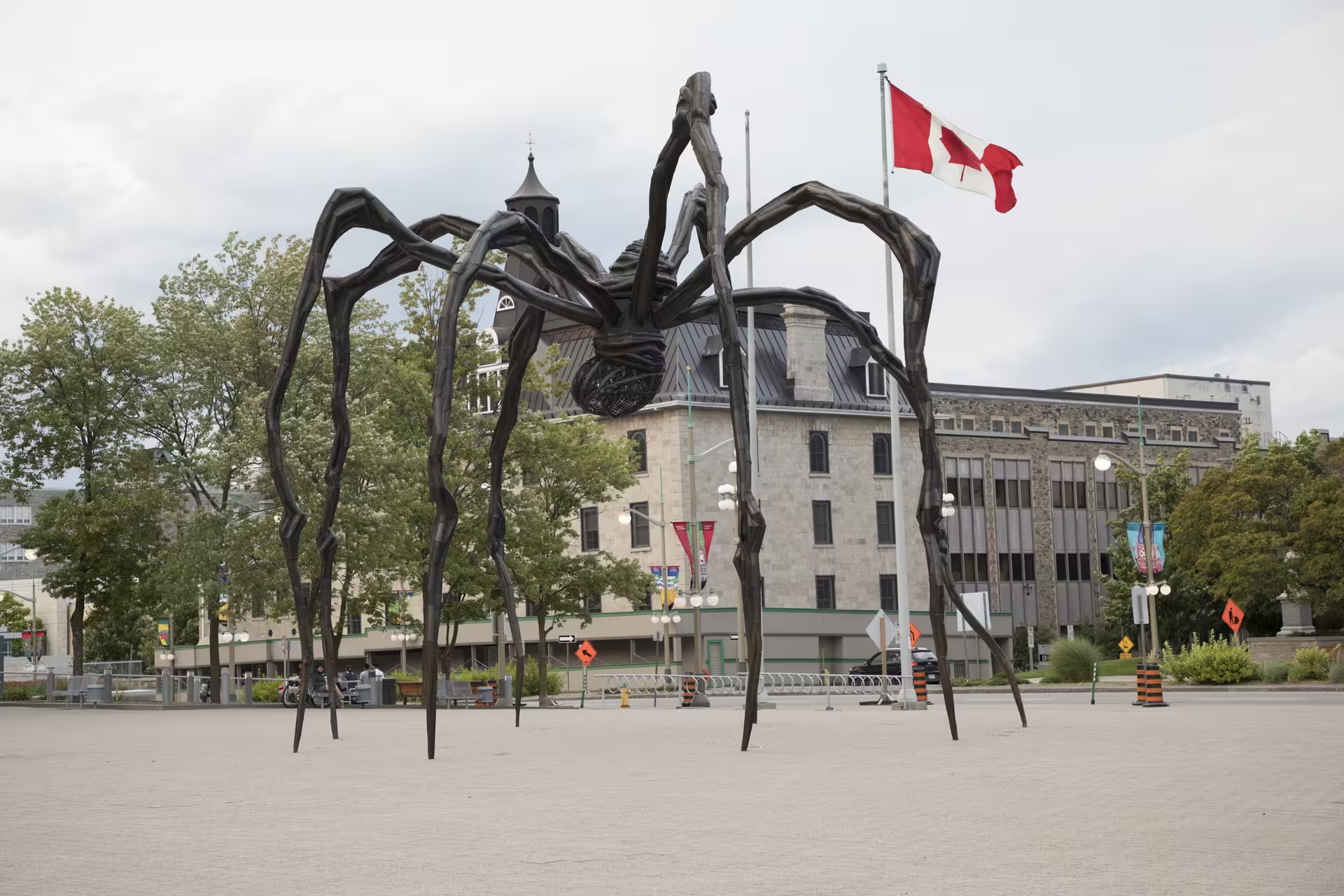
The Water Gallery at the Canadian Museum of Nature has the skeleton of a young blue whale, measuring 19 metres. Aviation and space enthusiasts can instead make room for the Canada Aviation and Space Museum, which follows Canada's history in those fields. Outside the National Gallery of Canada, Louise Bourgeois's bronze spider, Maman, offers an art stop on the plaza.
The Canadian War Museum is worth considering for its architecture as well: its windows encode a message of remembrance in both of Canada's official languages. Look for that detail if the way a museum tells its story interests you as much as its subject.
If you would rather explore art through murals and puzzles, the self-guided Ottawa street art tour includes a mobile exploration game.
The National Capital Greenbelt is worth putting on your list when you want forests and wetlands alongside the city sights. Its landscape also includes farmland, so a nature-focused visit need not revolve entirely around the canal.
Mer Bleue is an option if wetlands are what interest you: it has international recognition under the Ramsar Convention. For a short stay, I would treat the Greenbelt or Mer Bleue as an alternative to part of the museum day, leaving room to explore instead of extending an already full list.
July is a warmer choice than January for walking between sights, while May is worth considering for tulips. Average daytime highs are around 26°C in July, compared with about -5°C in January, so those months call for different expectations outdoors.
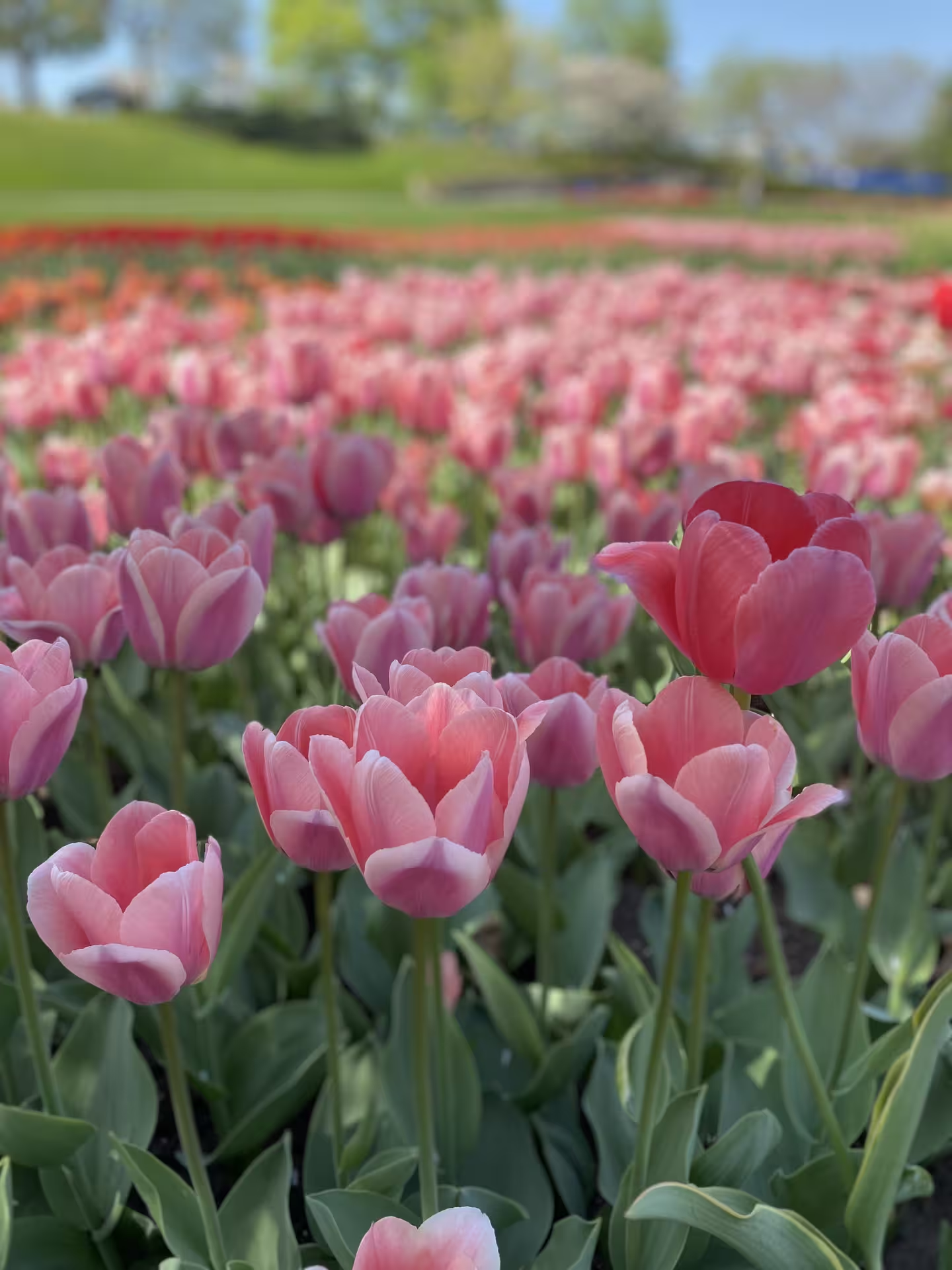
May brings the Canadian Tulip Festival to Commissioners Park beside Dows Lake. The festival runs for 11 days, so a May visit needs to coincide with that part of the month if the event is your priority. If flowers are the reason for your trip, make that park part of your plan rather than filling every day with museums. February offers another reason to travel: Ottawa-Gatineau hosts Winterlude, a celebration of Canada's northern culture and climate.
No, it is close: Ottawa International Airport is approximately a 20-minute drive from downtown Ottawa.
Yes, the Rideau Canal Skateway extends for 7.8 kilometres through the heart of Canada's capital.
Yes, it became a UNESCO World Heritage Site in 2007, and the canal extends for 202 kilometres between Ottawa and Kingston.