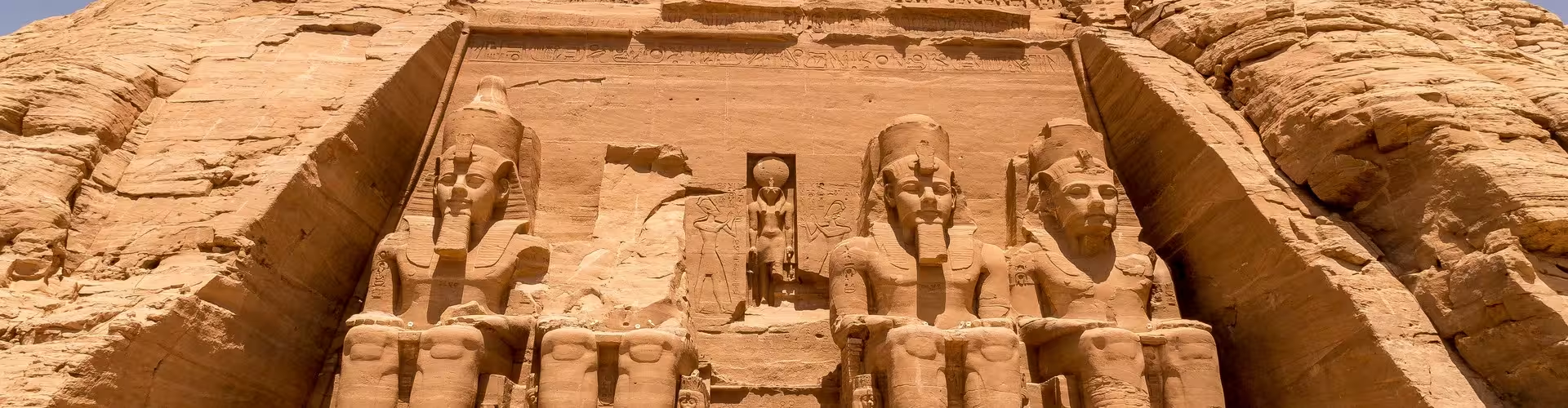
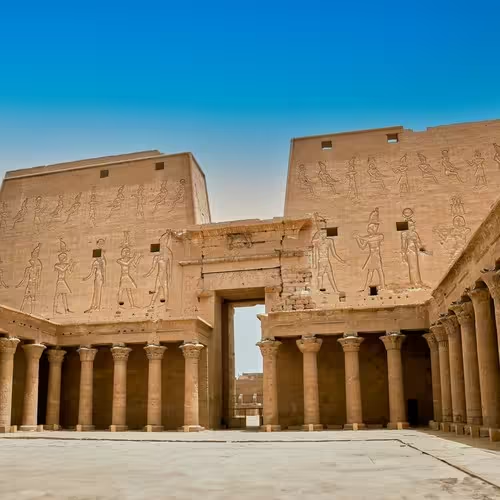
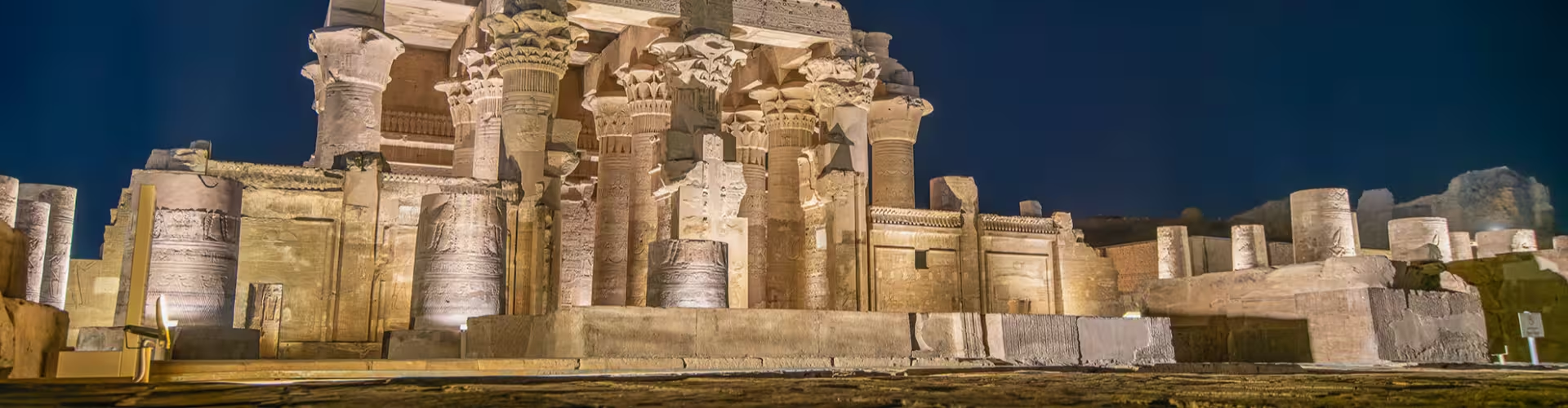
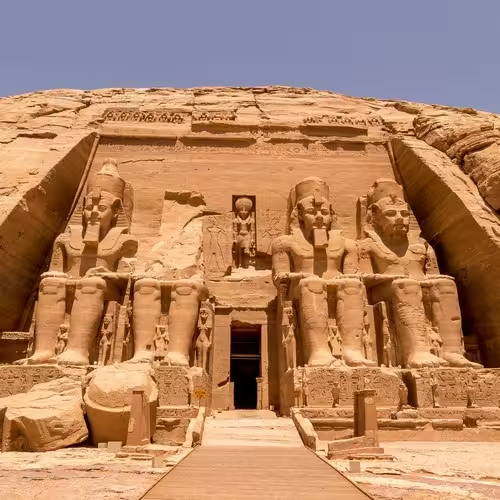
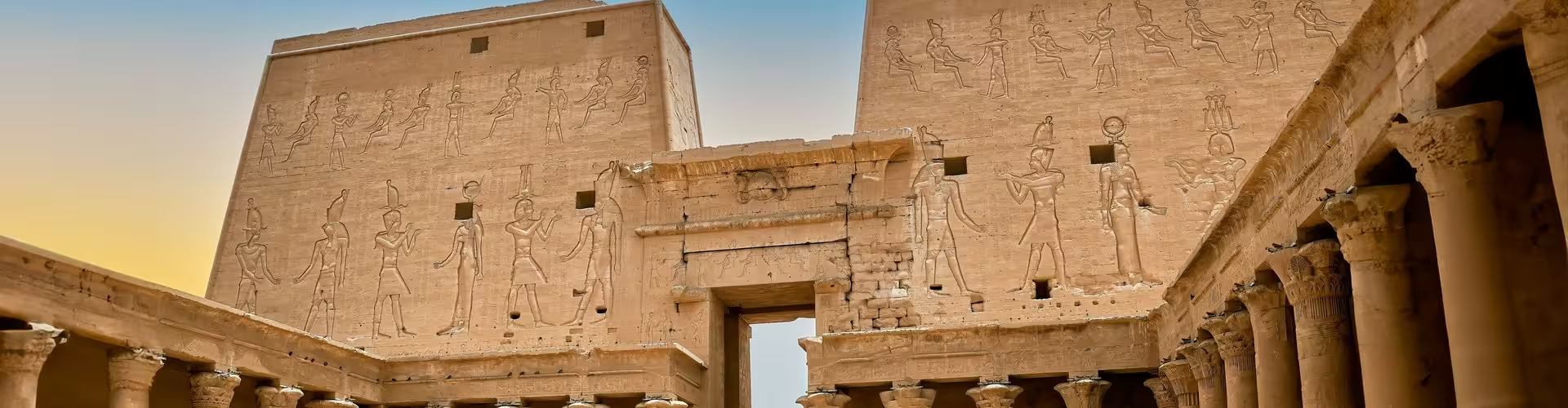
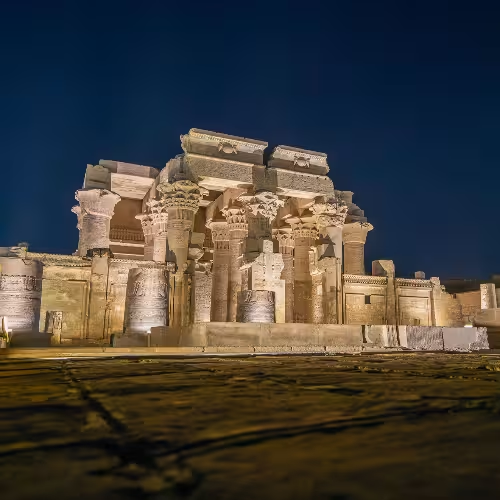
Elkab is an ancient site located on the east bank of the Nile River in Upper Egypt, about 85 kilometers south of Luxor. This historic location is home to remarkably preserved rock tombs, temple ruins, and hieroglyphic inscriptions that document pharaonic civilization.
What to see in Elkab
Visitors can explore the rock-cut tombs of nobles from the Middle and New Kingdom periods, featuring detailed wall paintings and inscriptions. The ruins of the Temple of Amenhotep III and fortification walls provide insight into ancient Egyptian architecture and defense systems. The site also contains a necropolis with several burial chambers that showcase the craftsmanship of ancient artisans.
Things to do in Elkab
Guided archaeological tours allow visitors to walk through the tombs and learn about burial practices and daily life in ancient Egypt. Many travelers combine a visit to Elkab with a Nile River cruise or day trip from Luxor. Photography enthusiasts will find excellent opportunities to capture hieroglyphic carvings and scenic river views.
Ancient Egyptian Heritage and Rock Tombs
Elkab represents one of Egypt's most significant archaeological repositories, with rock tombs containing detailed biographical inscriptions that reveal personal histories of ancient officials. The site's elevation above the Nile floodplain provided ideal conditions for preservation, making these tombs invaluable sources for understanding pharaonic administration and religious beliefs.
Elkab is located on the east bank of the Nile River in Upper Egypt, approximately 85 kilometers south of Luxor. The site sits at an elevation above the Nile floodplain, which has contributed to the excellent preservation of its rock-cut tombs and inscriptions spanning the Middle and New Kingdom periods.
Ancient Egyptian archaeological site featuring rock tombs, temple ruins, hieroglyphic inscriptions, and pharaonic burial chambers with significant historical and cultural importance for understanding ancient Egyptian civilization and administration.