Last updated:


The Costa Brava rewards a plan built around what you want to explore: fortified places, gardens, ancient remains or local food. Tossa de Mar brings the walls and towers, Lloret de Mar has cliff-top gardens, and L'Escala combines archaeology with a tradition of anchovies on tomato bread.
Two days would let you separate Tossa de Mar and the gardens in Lloret de Mar from Empúries and L'Escala. On the first day, make Vila Vella's fortifications the focus, then turn to the Santa Clotilde Gardens for a change from stone defences to a cliff-top setting. The second day can centre on the Greek and Roman remains at Empúries, with anchovies and tomato bread bringing L'Escala's food into the same outing.
For a walking or cycling break in L'Escala, Passeig d'Empúries offers a coastal route of about 2.5 kilometres. That gives the second day an option beyond the archaeological site, whether you prefer to explore on foot or by bike.
If you want a guided day combining Tossa de Mar and Calella instead, the private Costa Brava day trip takes eight hours, with a traditional Catalan lunch included.
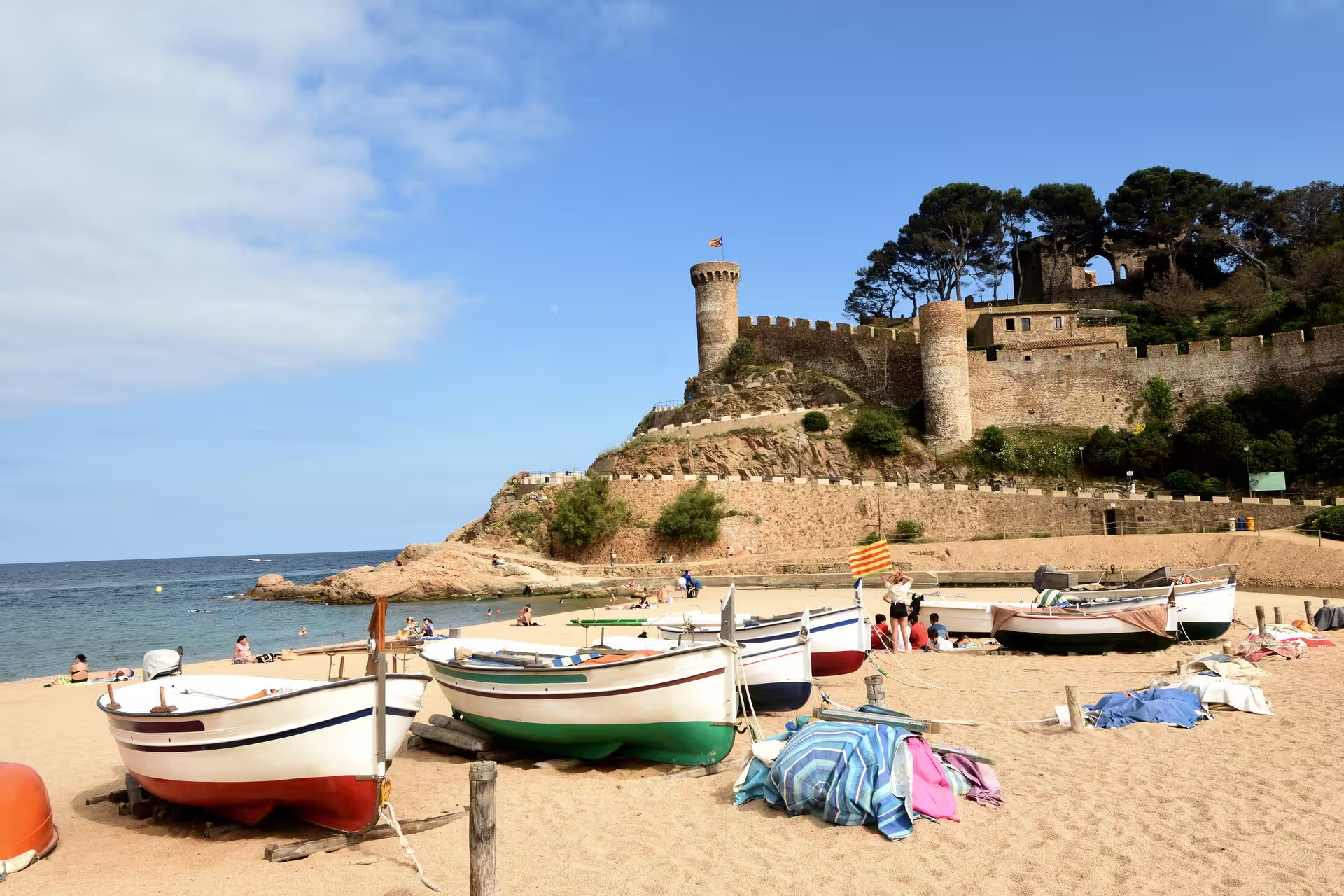
Tossa de Mar is the place to prioritise for a visit focused on fortifications. Vila Vella's walls have three large cylindrical towers and four smaller ones set into the curtain wall, so the defences themselves can be the focus of your visit.
Peratallada is worth including if the way a place defended itself interests you. Its defences combined three walled enclosures with trenches cut into the rock. A visit there would let you compare that arrangement with the towers and battlements at Tossa de Mar.
If you would like Girona and Tossa de Mar together with a guide, the private guided tour of both places makes that an eight-hour outing with lunch in Tossa de Mar.
Santa Clotilde is the garden to put on your list for its cliff-top setting. In Lloret de Mar, it sits above the coast between Cala Boadella and Fenals Beach, making the setting as much a part of the choice as the garden itself.
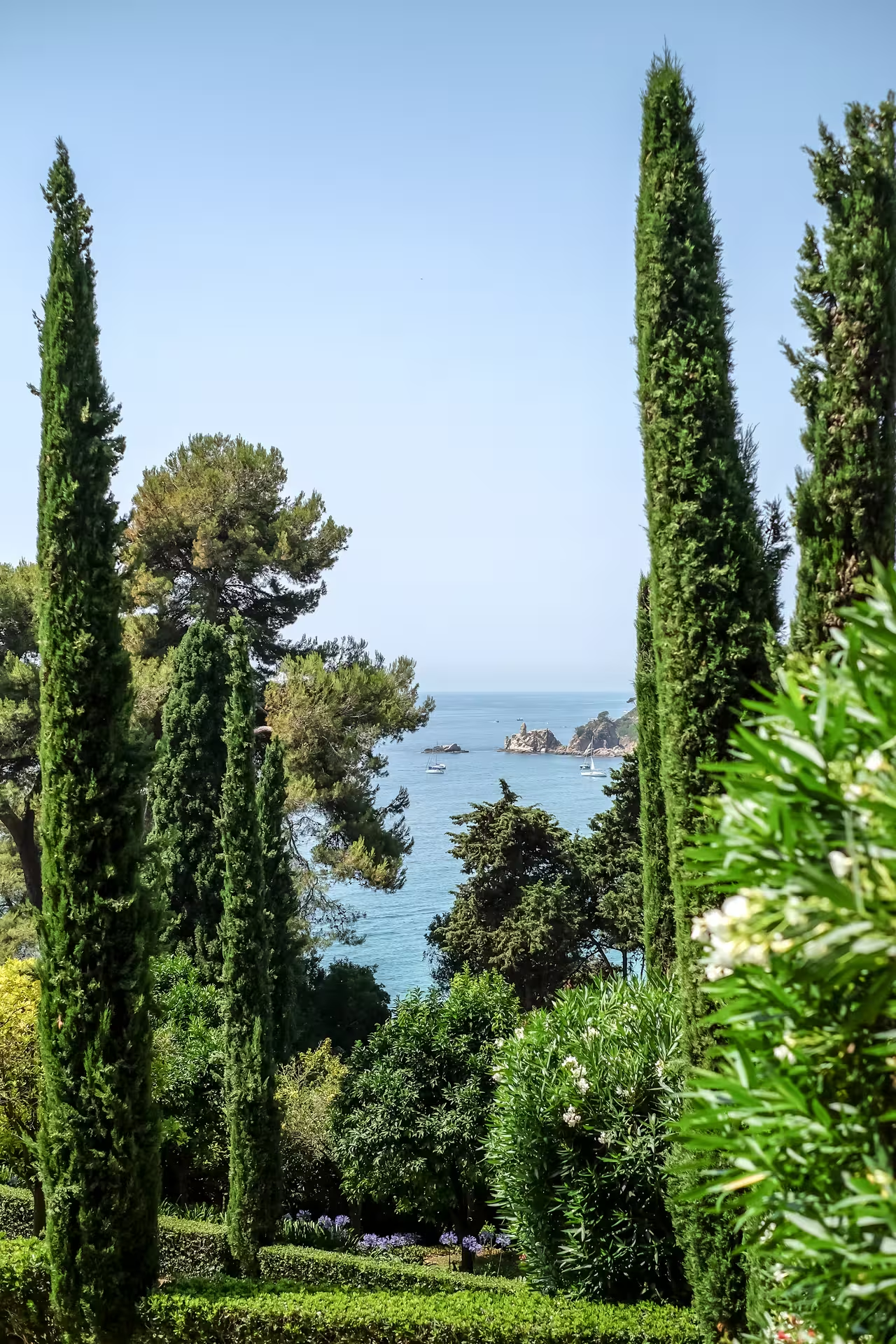
Cap Roig offers a reason to linger over plants: its botanical collection brings together species from around the world. A garden-focused itinerary can include both, with Santa Clotilde for the cliff-top location and Cap Roig for the range of plants.
Palafrugell's Cork Museum is a good stop if you want to understand Catalonia's working landscapes. Its subject is the cork industry, connecting that heritage with the landscapes behind it. In Palamós, the Fishing Museum turns attention back to the sea through displays about its relationship with people, in the fishing port itself.
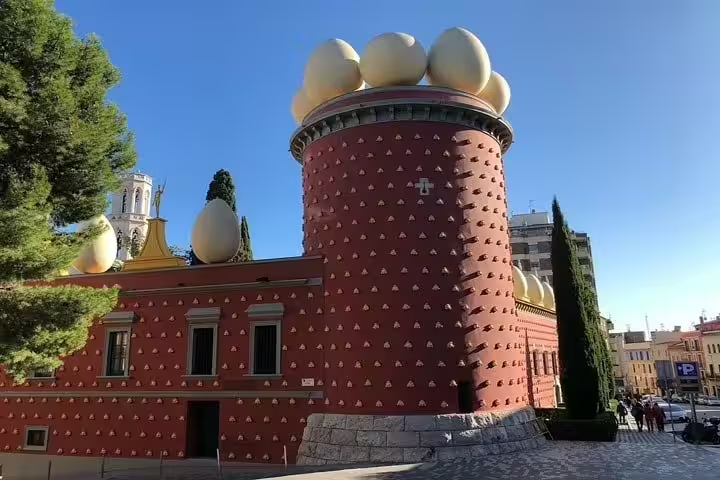
If Dalí is your priority, the private day trip to the Dalí Museum and Costa Brava from Barcelona combines the Dalí Theatre-Museum with the Costa Brava in an eight-hour day with a guide throughout.
Rockfish in Begur and anchovies in L'Escala are concrete choices for a meal rooted in local cooking. Begur's cuisine has a tradition of rockfish, while L'Escala's anchovies come with bread topped with tomato in the traditional serving. For a regional wine, Garnatxa de l'Empordà is an option when you want something sweet: that sweetness is natural, and the wine is made from Garnacha grapes.
July offers more sunshine than December, so favour it if sunny days are your priority. At Girona Airport, July averages 285 hours of sunshine and December 132 hours.
Yes, public buses link Girona-Costa Brava Airport with Costa Brava towns.
Blanes marks the southern end, and the coast continues to Portbou beside the French border.
Yes, the Montgrí, Medes Islands and Baix Ter Natural Park covers 8,192 hectares, and the Cap de Creus peninsula and its surrounding marine area are also a natural park.
Yes, Calella de Palafrugell's Cantada d'Havaneres began in 1966, and L'Escala's Anchovy Festival includes a habanera concert beside the beach.