Last updated:


An art visit in Bilbao, time by La Concha bay and a day in Getaria make a starting plan for the Basque Country, an autonomous community in northern Spain. The choice is about your interests: modern art, a bay framed by mountains, or a museum visit in Getaria.
Allow three days as a suggested introduction: a day for Bilbao and the Guggenheim Museum Bilbao, a day for San Sebastián and La Concha bay, and a day for Getaria. That gives art and the coast separate days, with the Cristobal Balenciaga Museum as the focus in Getaria.
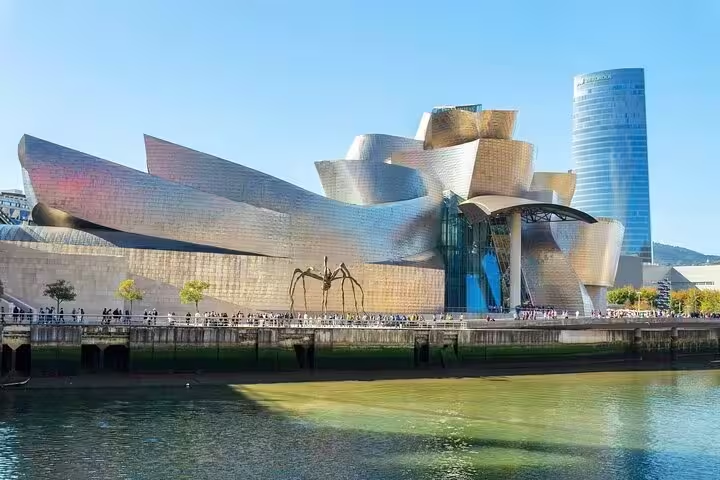
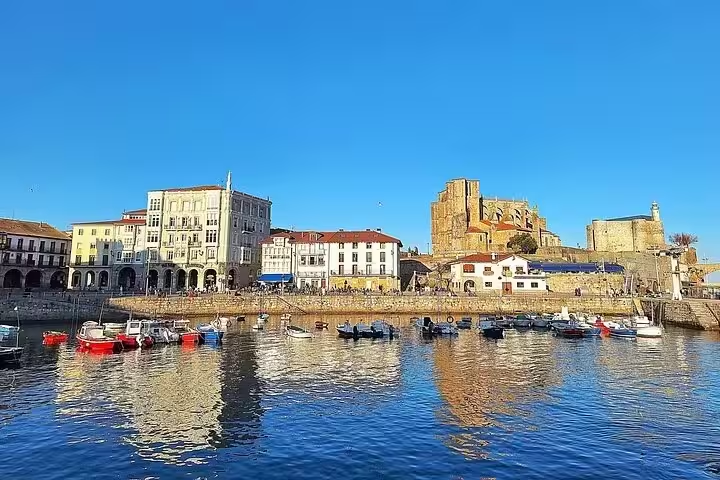
For a guided day from Santander, the full-day tour of Bilbao and Castro Urdiales lasts 10 hours and 30 minutes. It includes return transport from Santander, a guided walk of 1 hour and 30 minutes through Bilbao's Old Town, a guided visit to Castro Urdiales' historic centre and a professional guide throughout.
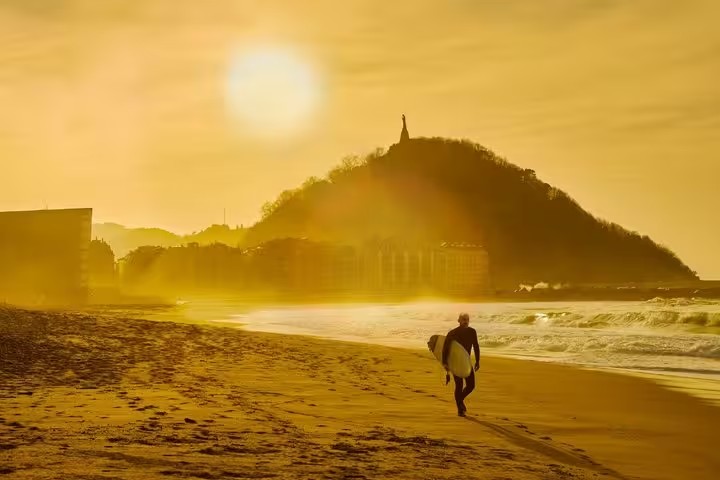
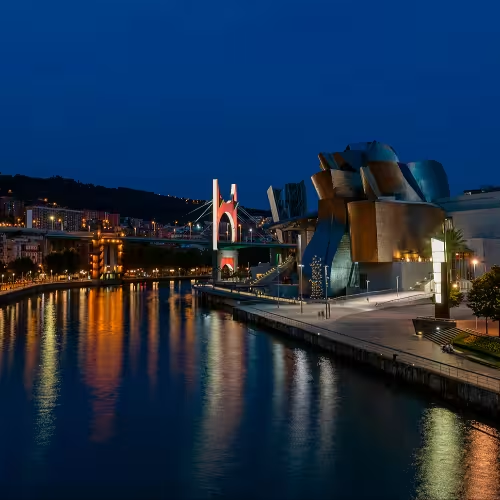
Bilbao suits an art-focused day, while San Sebastián suits a coastal walk. Modern and contemporary art fill the Guggenheim Museum Bilbao, whose building is Frank Gehry's design. In San Sebastián, La Concha bay is framed by Mount Igueldo on its western side and Mount Urgull on its eastern side.
The private walking tour of San Sebastián with the Old Town and local gems lasts 2 hours and includes a private local guide, a traditional local pintxo tasting and guided visits to landmarks and hidden corners. Pintxos have a particular following in the Basque Country, making them a food interest to leave room for alongside sightseeing.
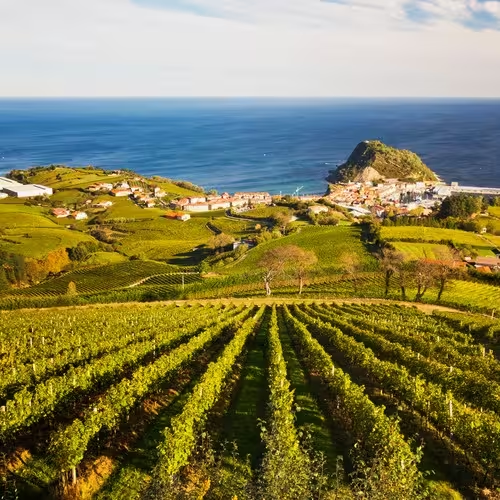
Getaria is a suggested day trip for a museum visit, while Rioja Alavesa suits an interest in wine. Getaria has the Cristobal Balenciaga Museum and is the hometown of navigator Juan Sebastián Elcano. Fishing, tourism and Txakoli cultivation underpin its economy.
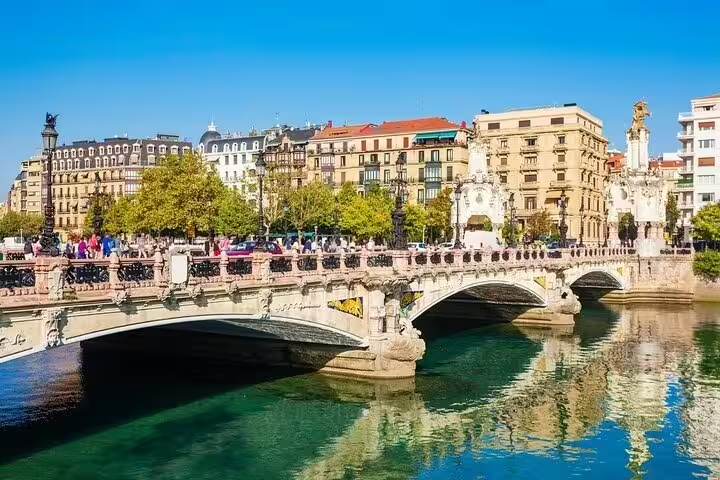
For a wine-focused alternative, Rioja Alavesa relies chiefly on grape growing and Rioja wine production. Its capital is Laguardia, in the province of Álava.
A self-guided audio walk is an option for exploring San Sebastián on foot. The San Sebastián self-guided audio walking tour with a GPS map lasts 3 hours and 15 minutes and includes app access, audio commentary at 26 points of interest, an interactive map and GPS navigation. For arrival planning, Bilbao Airport is in Loiu, roughly 9 km north of Bilbao.
Leave room for rain in your Bilbao plans in any season, because its oceanic climate brings rainfall throughout the year. San Sebastián also falls within the oceanic climate category.
Bilbao is a suggested base for an art-focused stay; San Sebastián suits a stay centred on the coast. The Guggenheim Museum Bilbao gives the art visit a focus, while San Sebastián places you on the Bay of Biscay.
Bilbao is about 16 km to the south of the Bay of Biscay.
The border between Spain and France is 20 km from San Sebastián.
There are two cathedrals in Vitoria-Gasteiz.