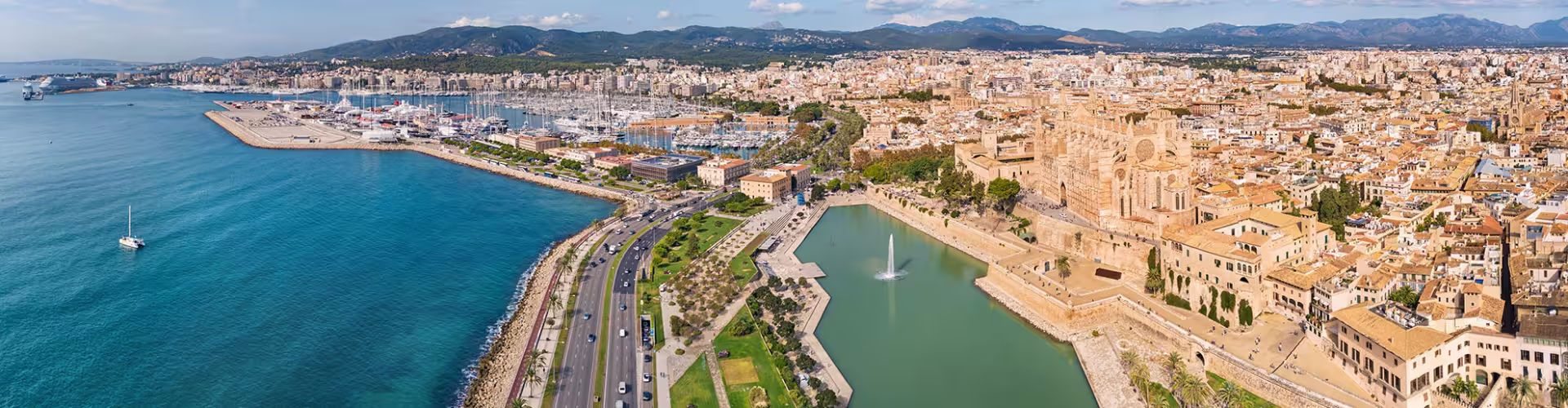
Palma, the capital of the Balearic Islands in Spain, is a Mediterranean gem where Gothic architecture meets modern vibrancy. This coastal city is dominated by the stunning Cathedral of Santa Maria del Palau and surrounded by historic old town streets that blend Moorish and European influences.
What to see in Palma
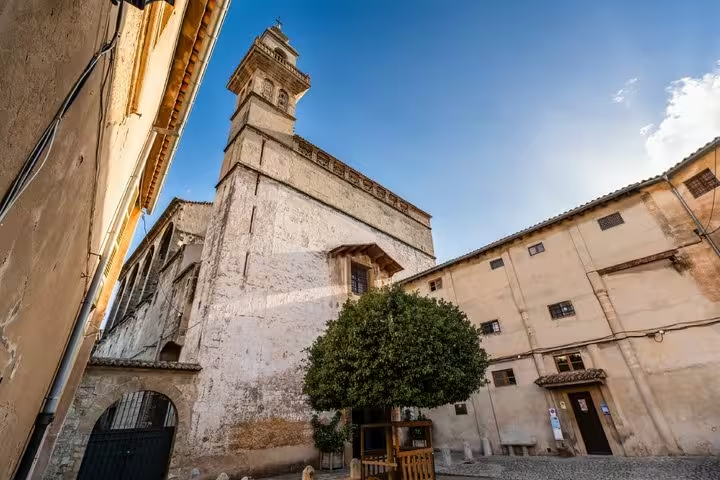
Visitors should not miss the breathtaking Cathedral overlooking the waterfront, a masterpiece of Gothic design. The Royal Palace of La Almudaina offers a glimpse into royal heritage, while the narrow alleys of the Old Town reveal hidden plazas, galleries, and boutique shops that showcase local character and charm.
Things to do in Palma
Explore the city on foot through pedestrian-friendly districts, take boat tours along the coastline, or relax at nearby beaches. Day trips to the Tramuntana Mountains or neighboring islands are popular, and the lively harbor district offers waterfront dining and cultural experiences throughout the year.
Palma's Architectural Heritage and Cultural Scene
Palma's architectural legacy spans centuries, from Antoni Gaudi's restoration work on the Cathedral to modernist buildings scattered across the city. The island has inspired countless artists and filmmakers, while its food scene celebrates traditional Mallorquin cuisine alongside contemporary Mediterranean cooking.
Palma is located on the island of Mallorca in the Balearic Islands, an autonomous community of Spain situated in the western Mediterranean Sea. The city serves as the administrative and cultural hub of the Balearic Islands, positioned along the southern coast of Mallorca facing the Mediterranean. Its strategic location has made it a major European destination for tourism, culture, and Mediterranean commerce.
Palma, Mallorca, Balearic Islands, Spain, Mediterranean, European city, coastal destination, cultural capital