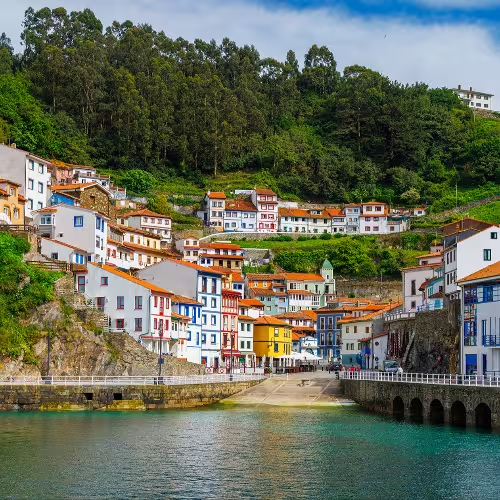
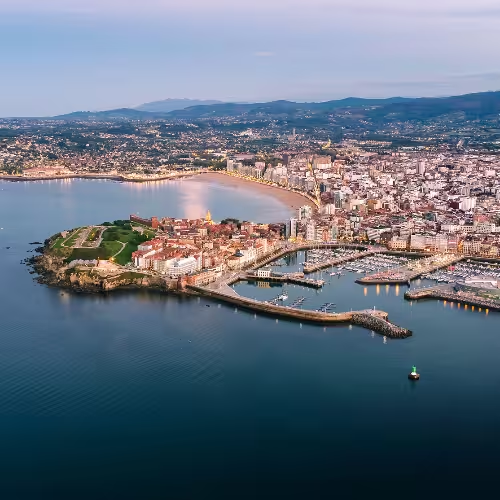
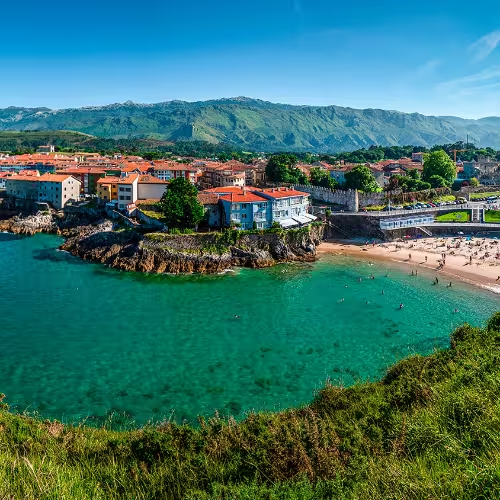
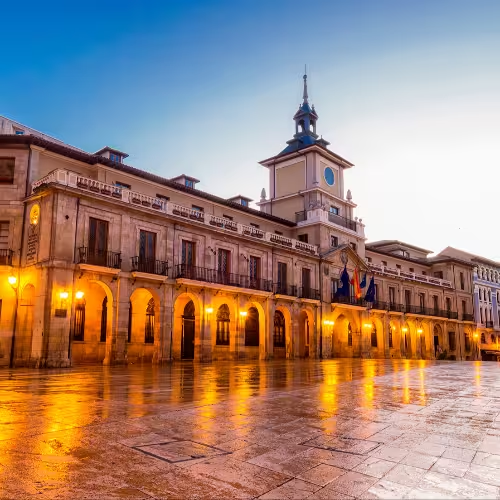
Aviles is a historic port town located on the northern coast of Asturias, Spain, known for its medieval old town and cultural heritage. This charming destination blends centuries-old architecture with contemporary art, making it a compelling stop for travelers exploring Spain's Atlantic coastline.
What to see in Aviles
The historic old town features narrow cobblestone streets lined with traditional buildings and palaces dating back to the Middle Ages. Visitors should not miss the Church of Santa Maria de la Oliva, a Gothic structure dominating the main square, and the waterfront promenade offering views of the bay and modern cultural venues.
Things to do in Aviles
Travelers can explore the town on foot, discovering hidden plazas and local shops selling regional crafts. The nearby beaches provide opportunities for seaside walks, while boat tours depart from the harbor to explore the Asturian coast and nearby fishing villages.
Aviles' Role in Contemporary Art and Culture
Aviles has transformed into a cultural hub, home to the Oscar Niemeyer-designed Centro Niemeyer, a striking contemporary art space that attracts visitors seeking modern architecture. The town hosts annual festivals celebrating Asturian traditions, music, and local gastronomy throughout the year.
Aviles is a historic coastal town located in the autonomous community of Asturias in northwestern Spain. Situated on the Bay of Biscay, Aviles serves as an important maritime hub and cultural center for the region. The town's strategic location makes it accessible from major Asturian cities and provides easy access to the dramatic coastline and interior mountain regions characteristic of northern Spain.
Aviles is known for its transformation into a contemporary art destination while preserving its medieval heritage. The city's signature landmark, the Centro Niemeyer designed by renowned Brazilian architect Oscar Niemeyer, represents the town's commitment to modern culture. The historic old town, with its Gothic Church of Santa Maria de la Oliva and traditional palaces, contrasts beautifully with this contemporary architecture, creating a unique destination that bridges centuries of Spanish history and modern artistic expression.