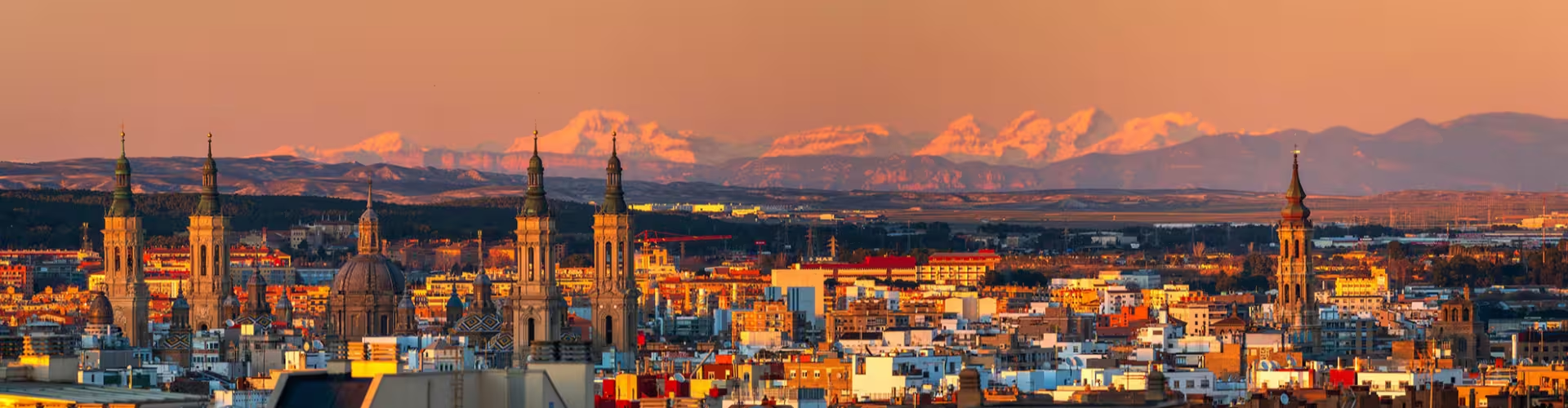
Aragon is an autonomous community in northeastern Spain known for its medieval architecture, diverse landscapes, and rich cultural heritage. This region stretches from the Pyrenees mountains to the Ebro River valley, offering visitors a blend of historic cities and natural wonders. The region's capital, Zaragoza, stands as a testament to centuries of artistic and architectural achievement.
What to see in Aragon
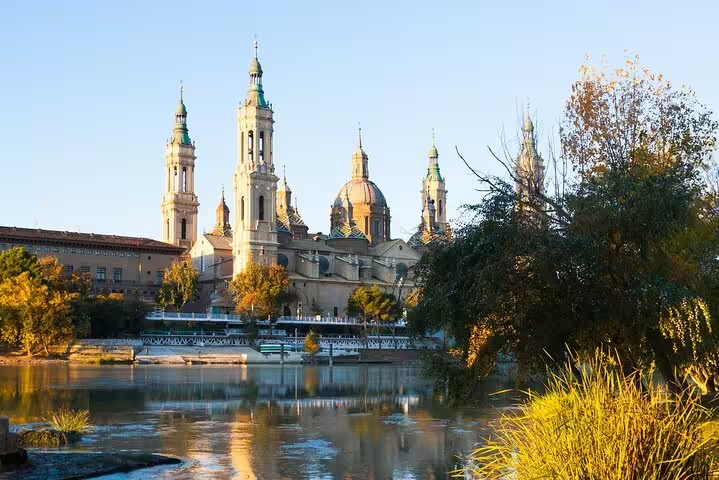
Visitors should not miss the Basilica of Our Lady of Pillar in Zaragoza, one of Spain's most important pilgrimage sites with its stunning baroque architecture. The Aljafería Palace showcases Islamic and Christian influences through its intricate design and historical significance. Medieval towns like Teruel and Albarracín offer cobblestone streets, ancient fortifications, and panoramic views of the surrounding countryside.
Things to do in Aragon
Explore the region through guided tours of historic sites and museums dedicated to local art and history. The Pyrenees offer hiking opportunities and mountain activities for outdoor enthusiasts. Wine tasting experiences in the Campo de Borja and Somontano wine regions provide insights into Aragon's viticulture traditions and local gastronomy.
Aragon's Culinary Traditions
The region's food scene reflects its geographical diversity and cultural influences. Migas, a traditional shepherds' dish, and ternasco roasted lamb represent authentic Aragonese cuisine. Local chefs preserve centuries-old recipes while contemporary establishments offer modern interpretations of regional flavors.
Aragon is located in northeastern Spain, bordered by the Pyrenees mountains to the north and the Ebro River valley to the south. The region encompasses diverse landscapes ranging from high alpine peaks to fertile plains. Zaragoza, the regional capital, serves as the main hub for tourism and cultural exploration. The region's strategic location has historically made it a crossroads of cultures, reflected in its architecture and traditions.
Medieval heritage, mountain landscapes, wine culture, Pyrenees gateway, Iberian history