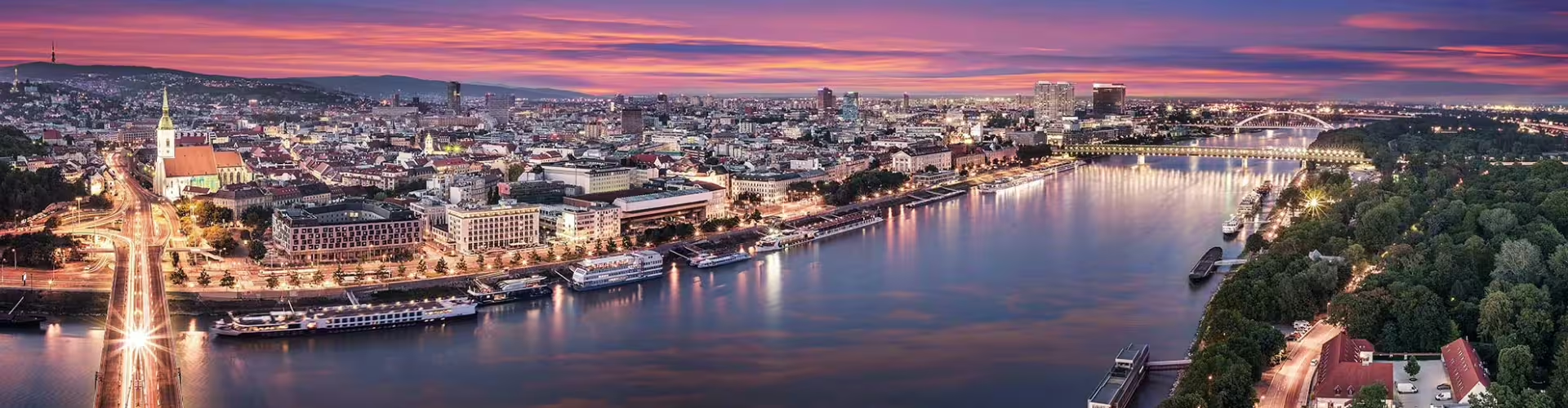
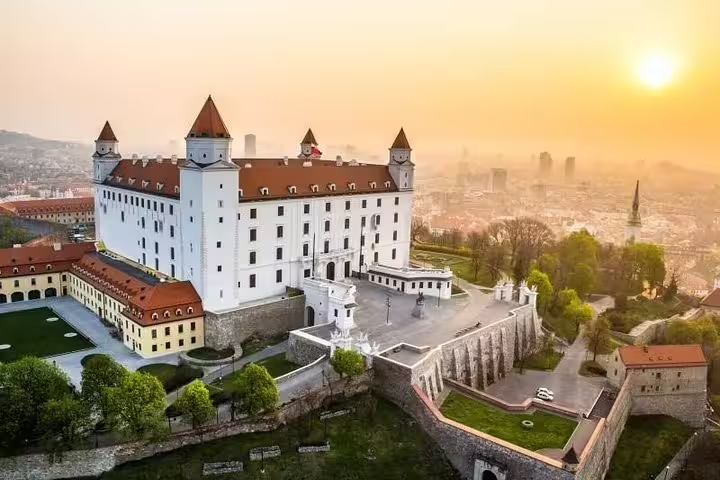
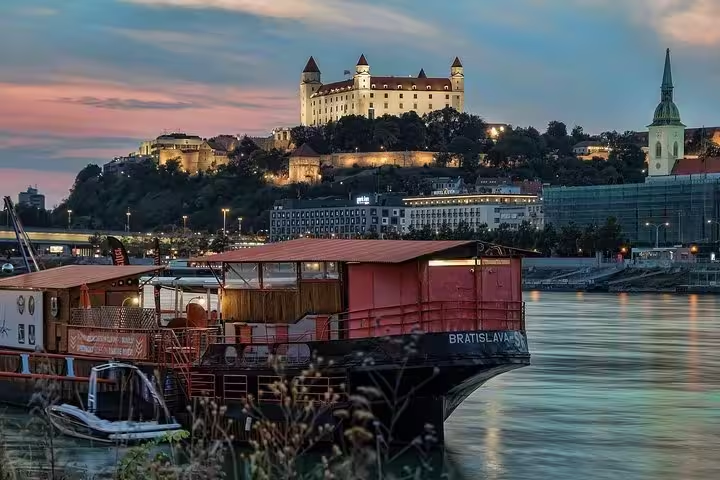
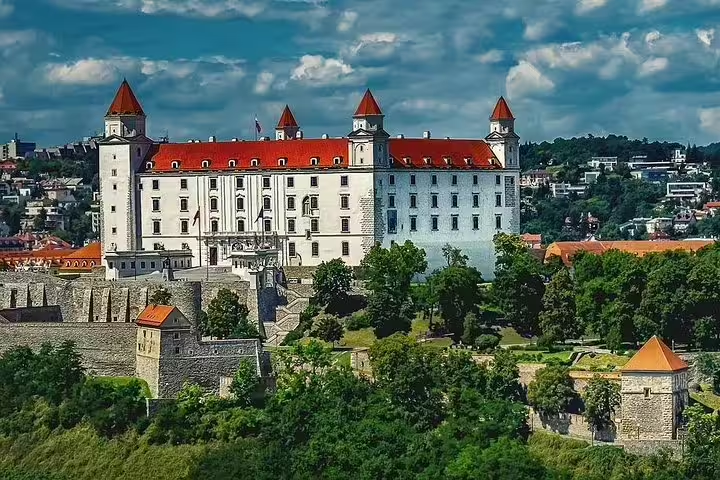
Slovakia is a Central European gem nestled between the High Tatras mountains and the Danube River, offering visitors a blend of natural beauty and medieval heritage. This country boasts some of Europe's most pristine landscapes alongside historic castles that dot its skyline, including the iconic Bratislava Castle and Orava Castle.
What to see in Slovakia
The High Tatras mountains dominate Slovakia's natural attractions, featuring dramatic peaks and alpine lakes perfect for scenic exploration. Medieval towns like Bardejov and Levoca showcase well-preserved town squares and traditional architecture, while Vlcolínec offers glimpses of rural Slovak heritage with its traditional wooden houses perched on a hillside.
Things to do in Slovakia
Outdoor enthusiasts can hike through national parks, explore caves such as the Domica Cave system, or kayak along the Dunajec River Gorge. Visitors can embark on castle tours throughout the country, visit thermal spas in towns like Piestany, and experience local wine regions in the Tokaj area.
Cultural Traditions and Folk Heritage
Slovakia maintains deep-rooted cultural traditions reflected in its folk festivals, traditional crafts, and authentic cuisine. The country's passion for preserving heritage is evident in village museums and cultural events that celebrate Slovak music, dance, and culinary traditions throughout the year.
Slovakia is a landlocked Central European country bordered by the Czech Republic, Poland, Ukraine, Romania, Serbia, Hungary, and Austria. The High Tatras mountain range runs through the north, while the Danube River forms part of its southern border. The capital, Bratislava, sits on the Danube in the southwestern corner of the country. Slovakia spans approximately 49,000 square kilometers with diverse regions ranging from mountainous terrain to lowland plains.
Slovakia is known for preserving traditional folk culture through festivals, crafts, and authentic cuisine. The country has a strong musical heritage, with traditional string instruments and folk dances central to cultural identity. Slovak spas, particularly thermal spas in towns like Piestany, have attracted visitors for their healing properties for over a century. The country's caves, including the UNESCO-listed Domica Cave, are among Europe's most extensive karst systems. Slovakia's wine regions, especially around the Tokaj area, produce wines that have been traded internationally since medieval times.