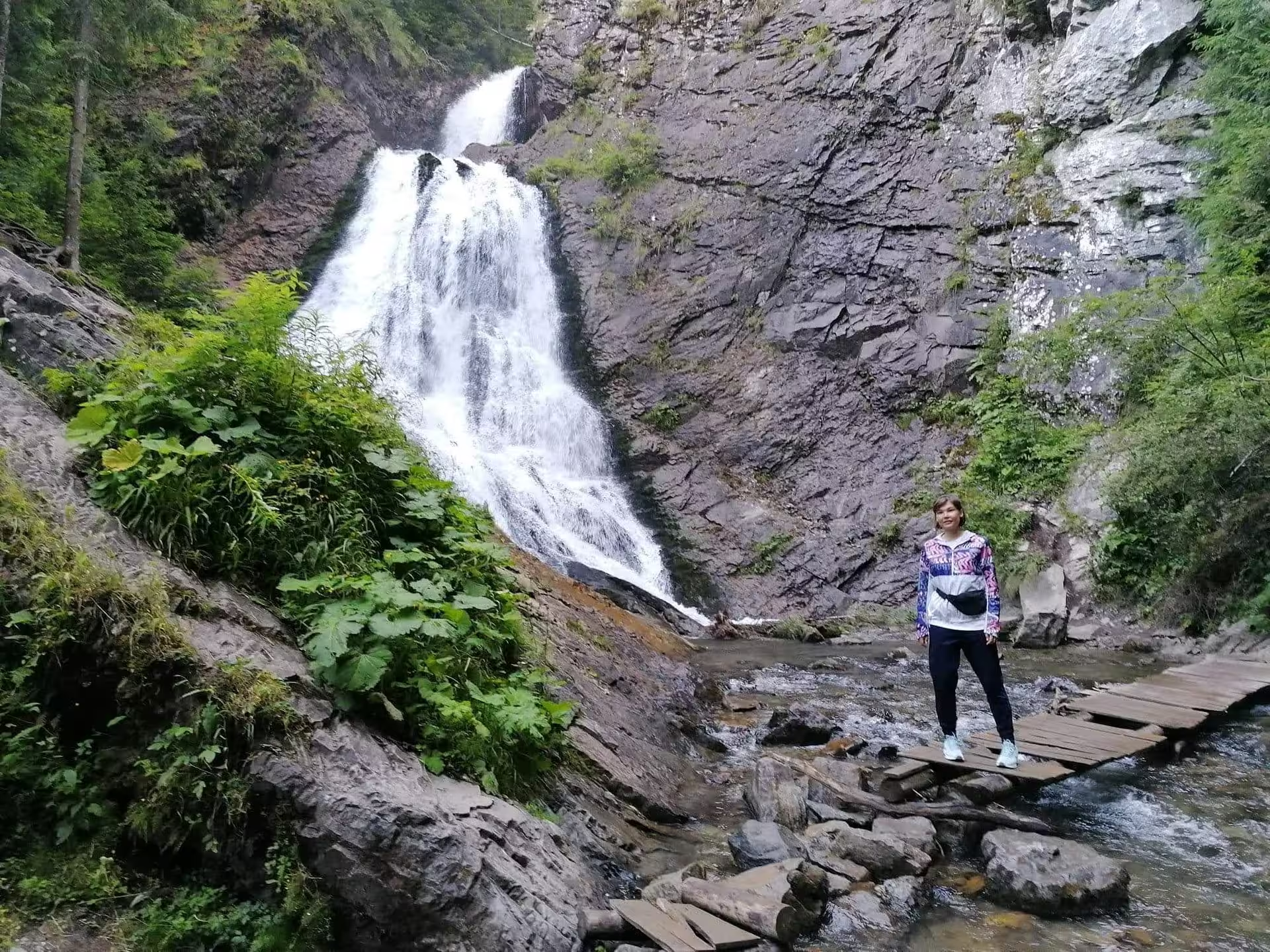
Cluj County is located in the heart of Transylvania, Romania, and represents one of the country's most dynamic regions. The area is defined by its medieval architecture, vibrant cultural scene, and proximity to the Carpathian Mountains. Visitors will discover a blend of historical significance and contemporary energy.
What to see in Cluj County
The county features remarkable landmarks including Cluj-Napoca's historic Matthias Church and the impressive Banffy Palace. The picturesque town of Turda showcases the stunning Turda Gorge and the historic Turda Salt Mine, one of Europe's oldest underground attractions. These sites offer insight into the region's rich heritage and natural beauty.
Things to do in Cluj County
Explore the region through hiking trails in the Carpathian foothills or visit the vibrant local markets in Cluj-Napoca. The area hosts cultural festivals throughout the year and provides excellent opportunities for exploring traditional Romanian villages. Day trips to nearby attractions and guided tours of historical sites are popular among visitors.
The Cultural Heart of Transylvania
Cluj County serves as the cultural and intellectual center of Transylvania, home to numerous universities, theaters, and art galleries. The region has fostered a thriving creative community and hosts significant cultural events that draw visitors from across Romania and beyond. This dynamic atmosphere makes it a compelling destination for those seeking authentic cultural experiences.
Cluj County is situated in the heart of Transylvania in northwestern Romania. The region encompasses the bustling city of Cluj-Napoca, the cultural and administrative center, along with numerous historical towns and villages. The county is characterized by its elevation in the Transylvanian Plateau with the Carpathian Mountains defining its southern and eastern boundaries. This geographic position has made Cluj County a historical crossroads and cultural hub throughout centuries.
Cluj County represents the intellectual and cultural heartland of Transylvania, hosting major universities, theaters, and art institutions. The region has maintained its character as a center for creative expression and scholarly pursuits since medieval times, making it distinct from other Transylvanian areas primarily focused on rural or natural tourism.