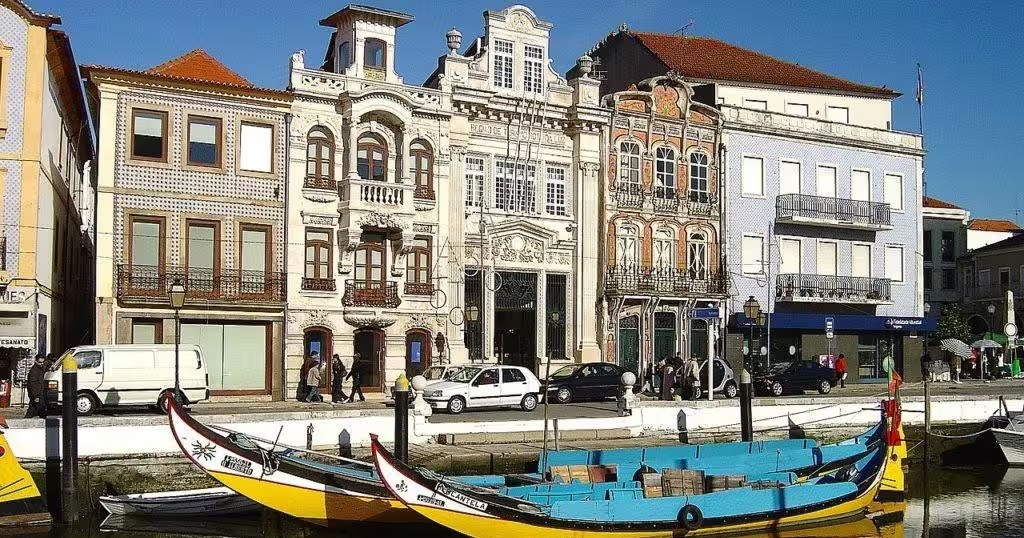
Costa Nova is a charming coastal village in the Aveiro District of northern Portugal, renowned for its iconic striped houses and pristine sandy beaches. Located near the Ria de Aveiro lagoon, this picturesque destination offers visitors a quintessential Portuguese seaside experience with traditional architecture and maritime heritage.
What to see in Costa Nova
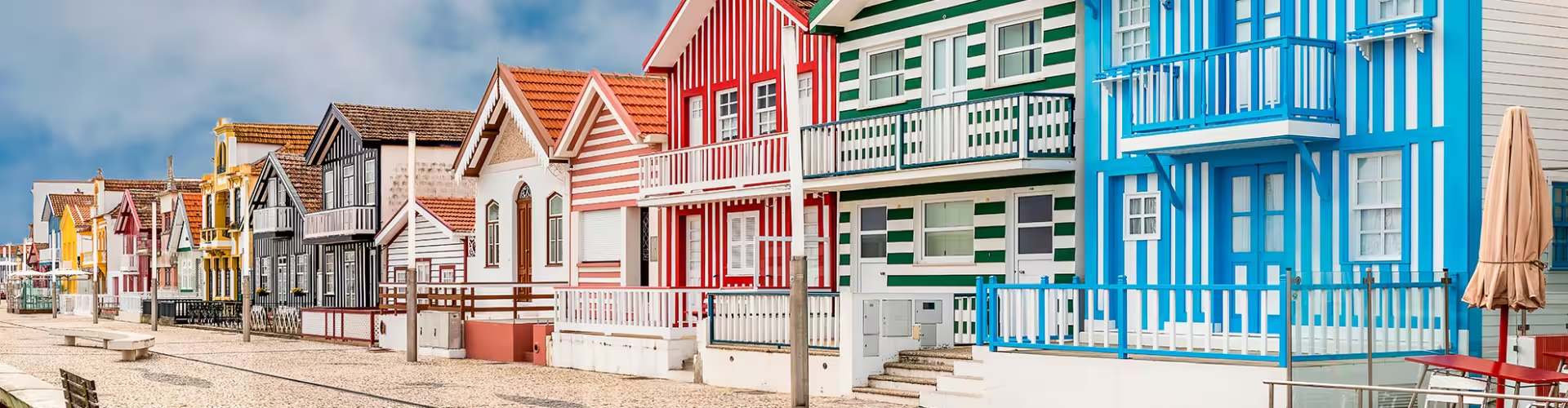
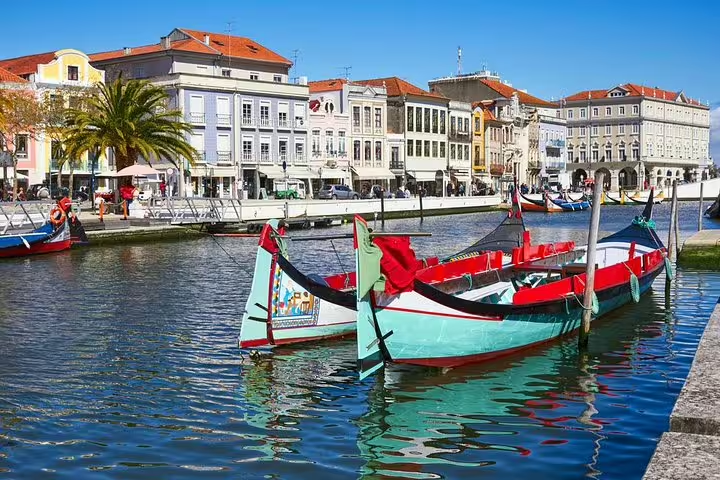
The village's most distinctive feature is its rows of colorful striped houses that line the waterfront, painted in vibrant patterns of red, yellow, blue, and white. The long sandy beach stretches along the Atlantic coast, providing a scenic backdrop for walks and photography. The nearby Aveiro harbor and traditional fishing boats add to the authentic coastal atmosphere that defines this region.
Things to do in Costa Nova
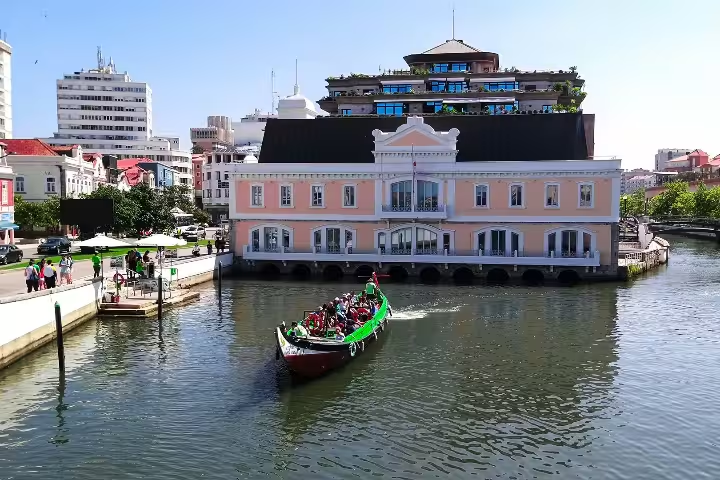
Visitors can enjoy swimming and sunbathing on the expansive beach, or take leisurely walks along the promenade to admire the historic architecture. Water sports including surfing and windsurfing are popular activities thanks to the Atlantic swells. Boat tours through the Ria de Aveiro lagoon offer opportunities to explore the unique ecosystem and nearby fishing villages.
Architectural and Fishing Heritage
Costa Nova's striped houses represent a unique architectural tradition rooted in the village's fishing community heritage. These distinctive dwellings, called palheiros, were traditionally used as boat storage and shelter during storms. The colorful patterns served practical purposes, helping fishermen identify their properties while at sea.
Costa Nova is located in the Aveiro District of northern Portugal, situated along the Atlantic coast between the fishing town of Aveiro and the Ria de Aveiro lagoon. The village is approximately 250 kilometers north of Lisbon and serves as a gateway to exploring the unique ecosystem of Portugal's central coastal region. Its proximity to Aveiro makes it an accessible destination for travelers seeking authentic Portuguese coastal experiences.
Striped Houses & Maritime Heritage - Costa Nova is instantly recognizable for its painted palheiros, traditional fishermen's houses that line the waterfront with distinctive striped patterns. These colorful buildings represent centuries of fishing tradition and serve as the defining characteristic of this picturesque village.