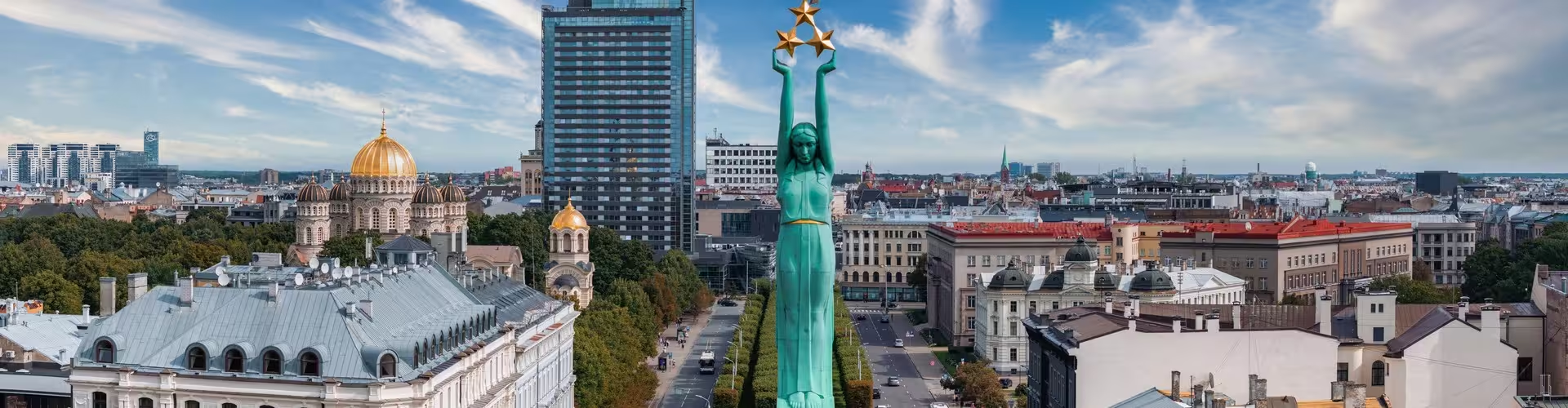
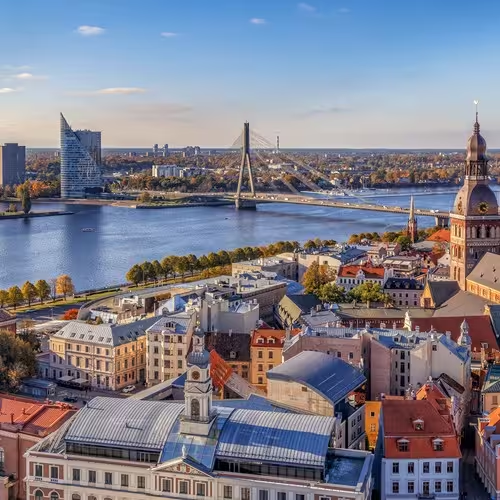
Latvia is a Baltic nation in Northern Europe, known for its medieval Old Town in Riga, pristine forests, and rich cultural heritage. The country blends Soviet history with vibrant contemporary culture, offering visitors a unique glimpse into Eastern European traditions and modern Scandinavian influences.
What to see in Latvia
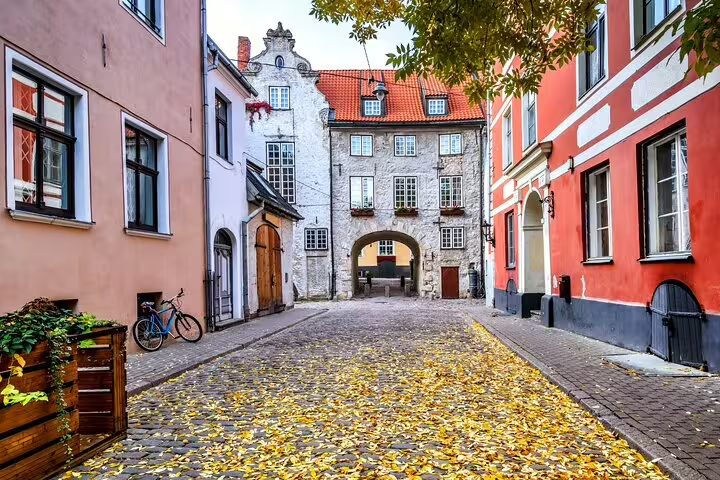
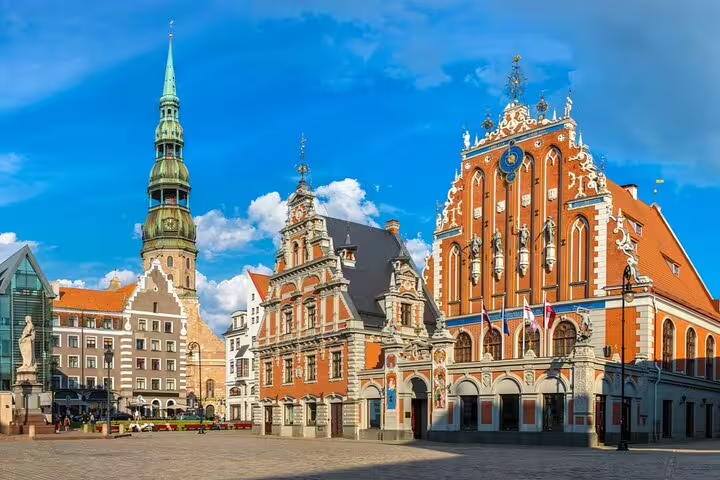
Riga's UNESCO-listed Old Town features stunning architecture, including the House of the Blackheads and St. Peter's Church with its distinctive spire. The Art Nouveau district showcases early 20th-century buildings, while Sigulda Castle and Turaida Castle provide glimpses into medieval history in the Gauja Valley.
Things to do in Latvia
Visitors can explore the Gauja National Park for hiking and outdoor activities, take river cruises along the Daugava, or visit traditional fishing villages. The country hosts numerous cultural festivals throughout the year, including the famous Song and Dance Festival, which celebrates Latvian traditions with thousands of performers.
Latvian Cultural Festivals and Traditions
Latvia's Song and Dance Festival, held every five years, is one of Europe's largest celebrations of cultural identity. The event brings together singers, dancers, and musicians showcasing centuries-old folk traditions, while Midsummer celebrations known as Jani feature bonfires, flower wreaths, and ritual festivities throughout the countryside.
Latvia is a Baltic nation located in Northern Europe, bordered by Estonia to the north, Lithuania to the south, Russia to the east, and the Baltic Sea to the west. The country's capital and largest city is Riga, renowned for its UNESCO-listed Old Town and extensive Art Nouveau district. Latvia offers a distinctive blend of medieval heritage, Soviet-era history, and contemporary Scandinavian-influenced culture, making it an emerging destination for travelers seeking authentic Eastern European experiences.
Latvia travel guide, Baltic region destination, Eastern Europe tourism, Riga city guide, cultural heritage travel, outdoor adventure destination, historical tourism, festival tourism