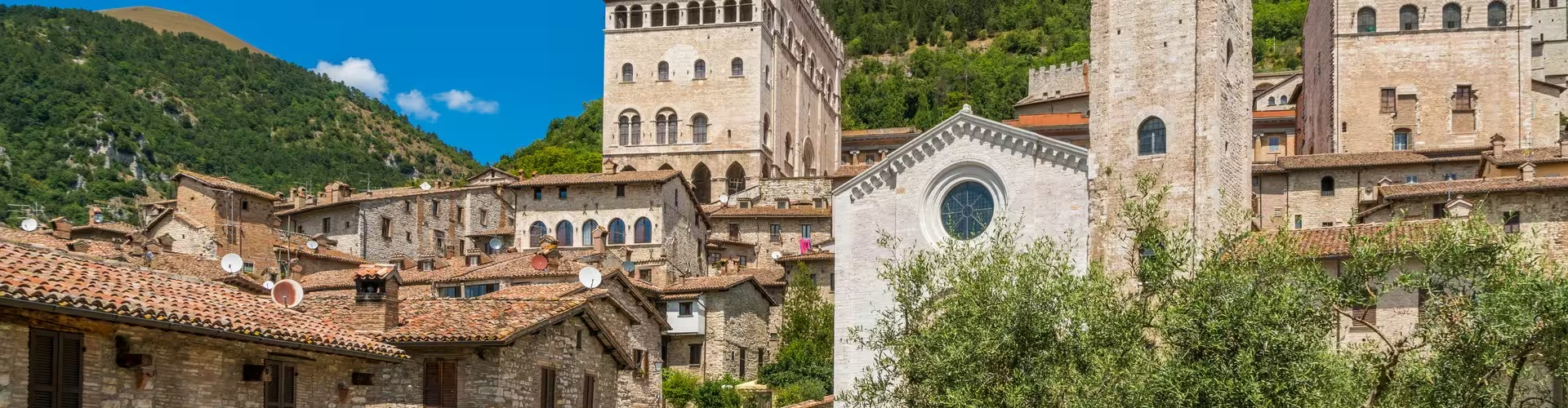
Umbria is a landlocked region in central Italy known for its rolling hills, medieval towns, and spiritual heritage. Often called the "green heart" of Italy, this picturesque destination features stunning hilltop villages and the historic city of Perugia, the region's capital and cultural heart.
What to see in Umbria
Visitors should not miss Assisi, the birthplace of Saint Francis and home to remarkable frescoes in the Basilica of San Francesco. Perugia's medieval old town, with its ancient walls and cobblestone streets, showcases Renaissance architecture and art collections. Orvieto is another must-see, famous for its dramatic hilltop location and the stunning Cathedral with intricate marble facades and detailed interior mosaics.
Things to do in Umbria
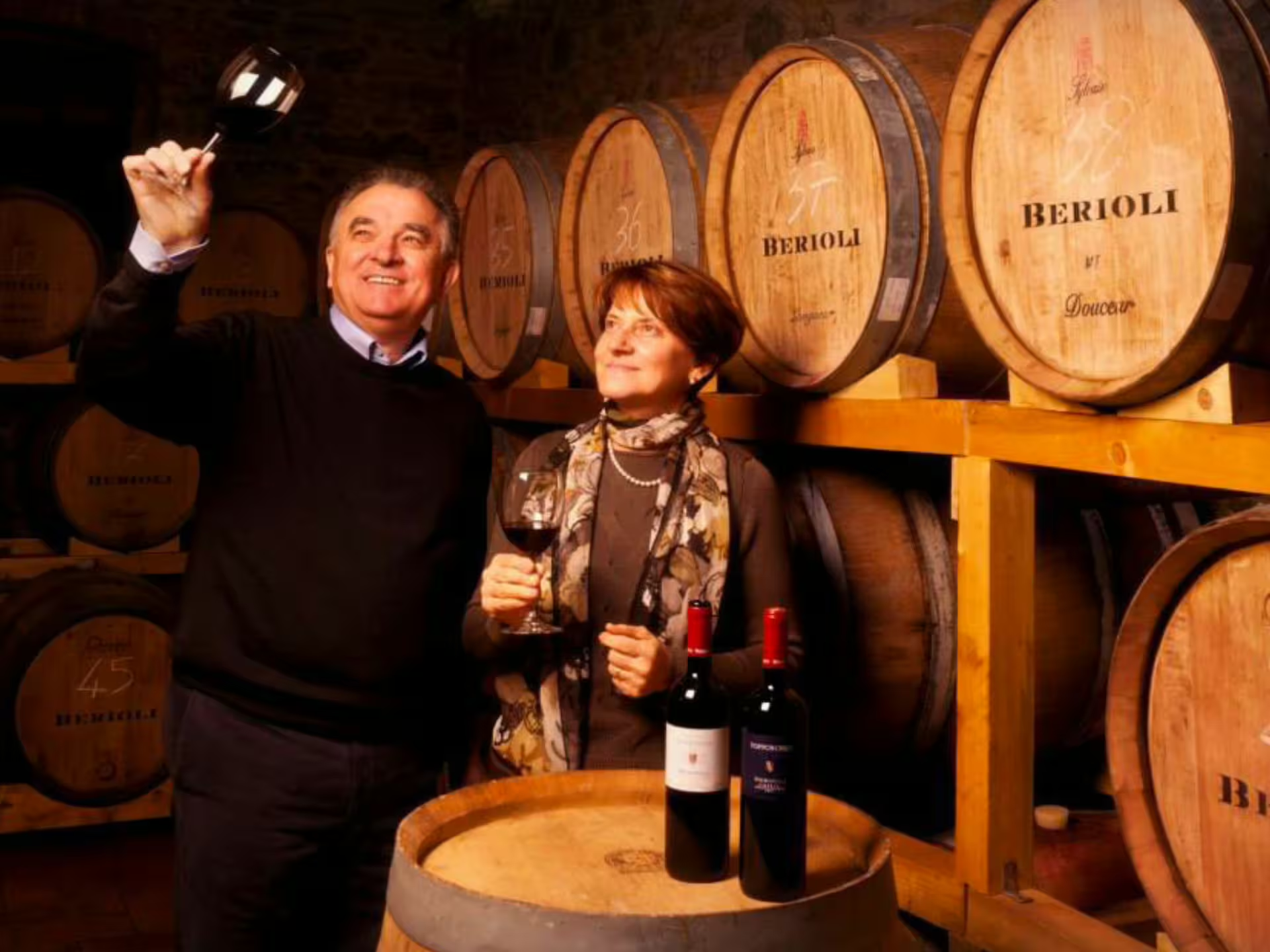
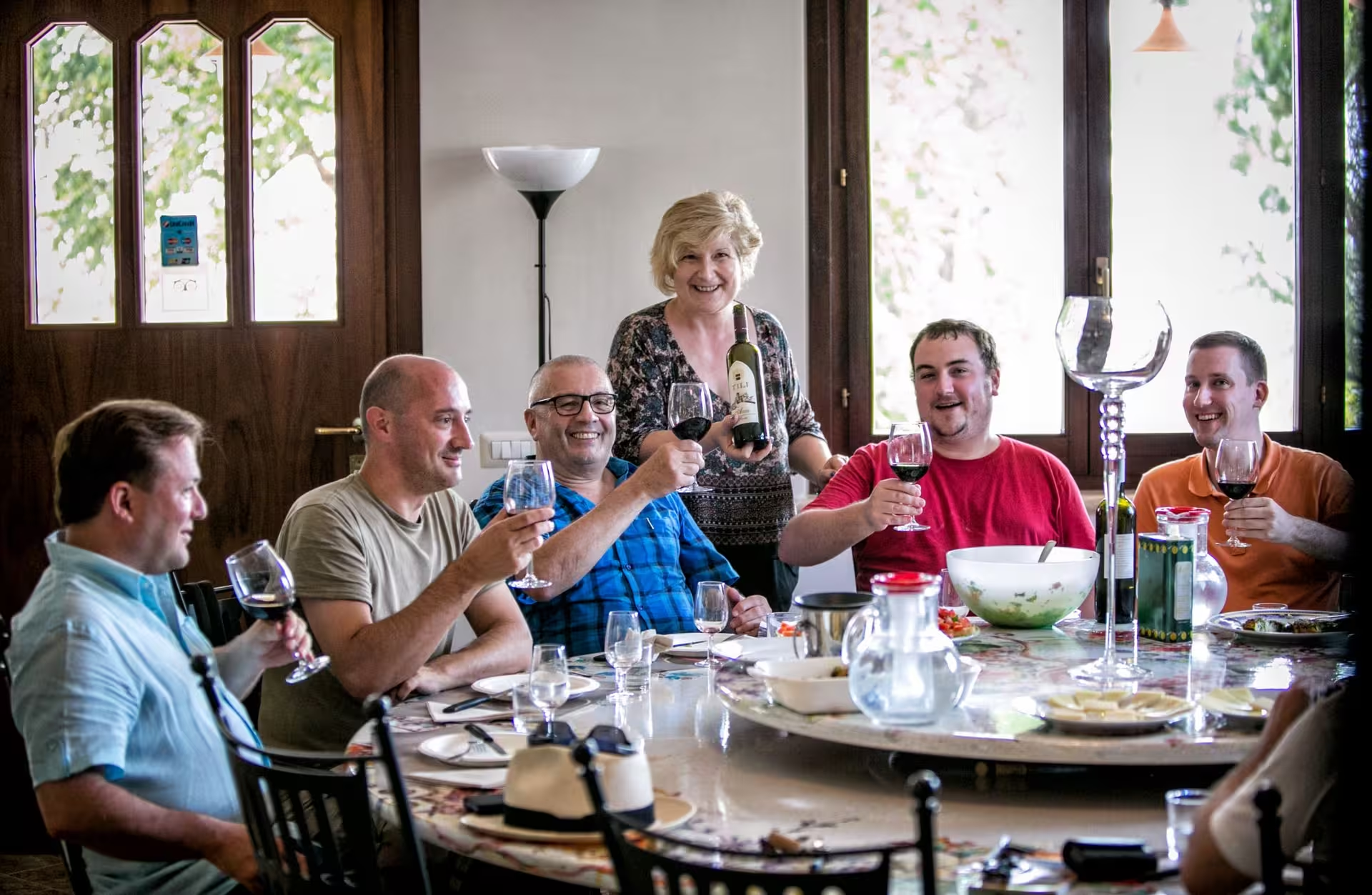
Explore the region through countryside drives connecting charming villages and scenic viewpoints. Guided walking tours through historic centers reveal layers of history and local culture. Wine tastings at family-run estates showcase Umbrian varieties, while visits to artisan workshops demonstrate traditional pottery and textile craftsmanship that remain central to local identity.
Spiritual Heritage and Art Traditions
Umbria holds deep religious significance as the homeland of Saint Francis, attracting pilgrims and art enthusiasts year-round. The region is renowned for its exceptional Renaissance art, particularly the frescoes by Giotto and Perugino, whose works can be seen throughout churches and museums across Assisi, Perugia, and smaller towns.