Last updated:


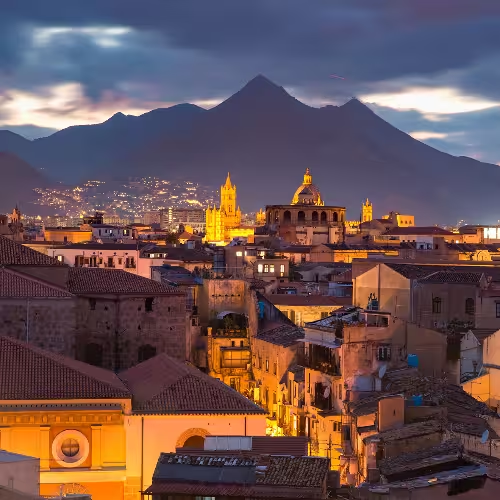
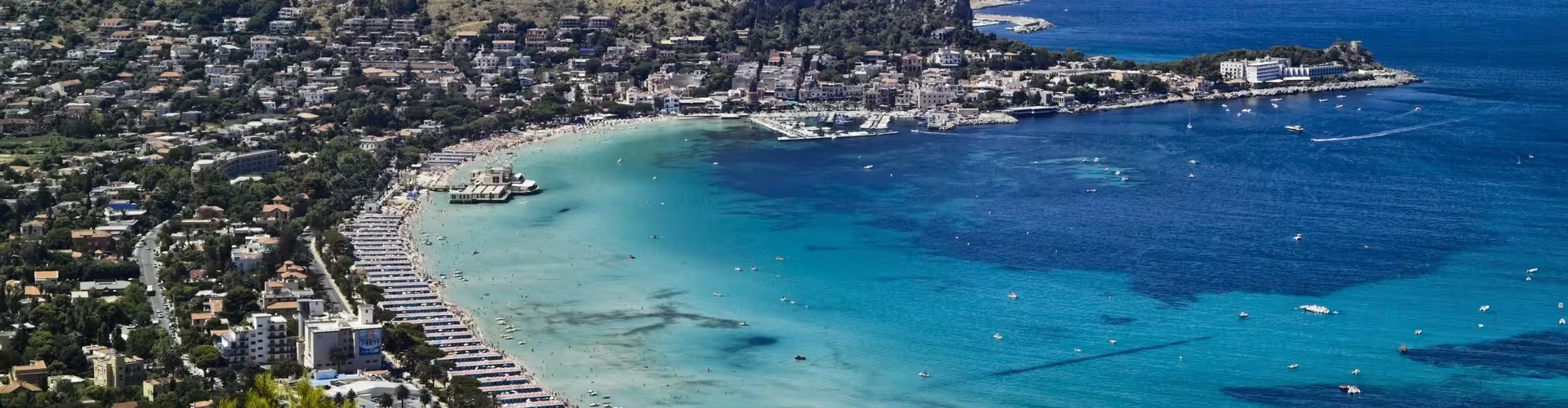
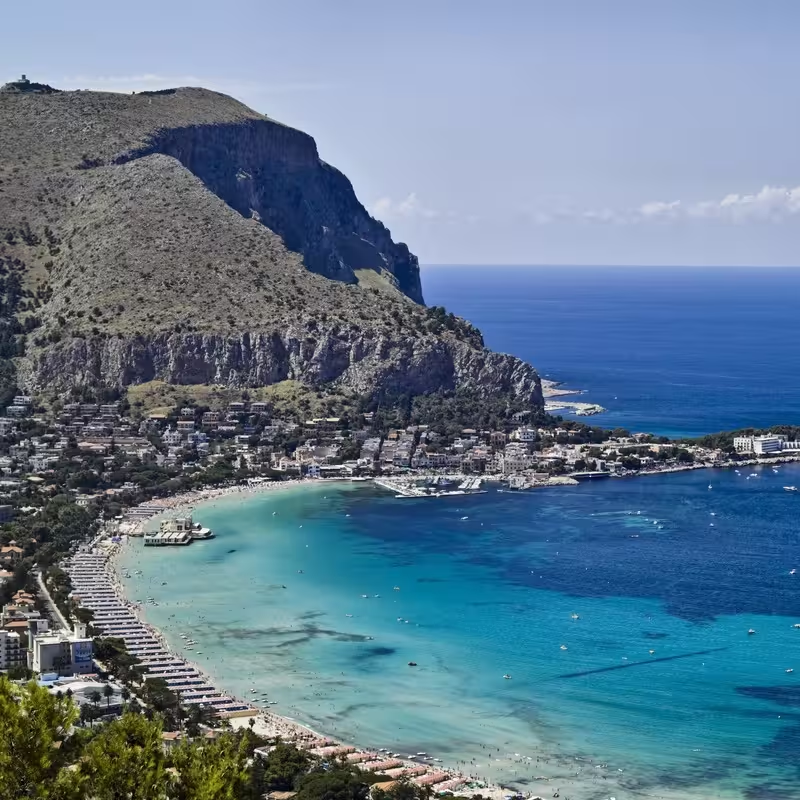
Palermo suits a trip built around architecture and cultural traditions: its Arab-Norman heritage brings together Western, Islamic and Byzantine influences. The city lies on Sicily's north-western coast, on the Conca d'Oro plain, with Monte Pellegrino to the north.
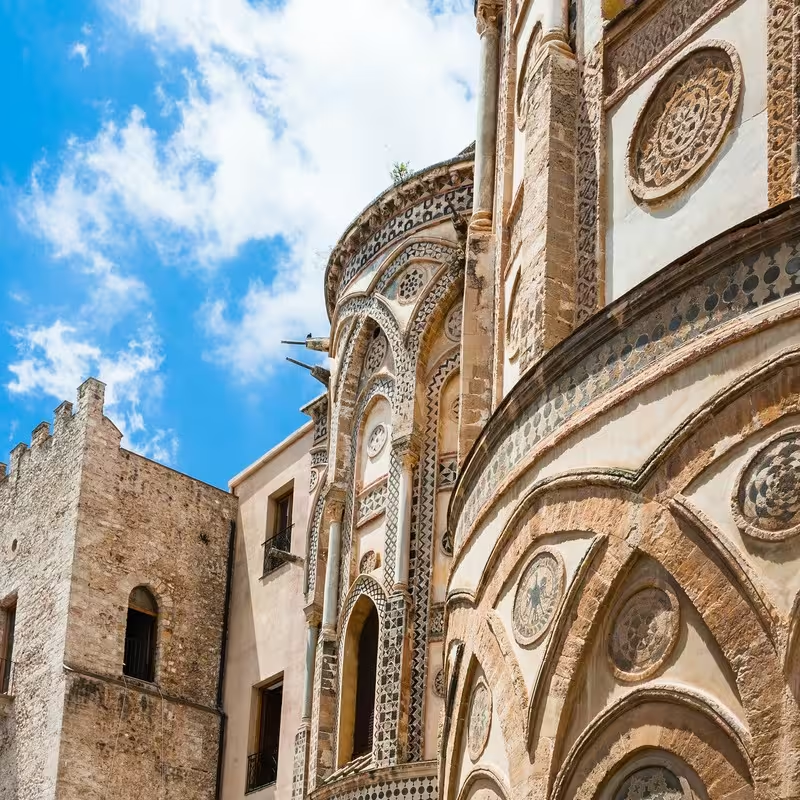
Three days is a suggested plan: spend the first at the Palazzo dei Normanni, the Palatine Chapel and Palermo Cathedral, the second on Quattro Canti, Teatro Massimo and Opera dei Pupi, and the third on Monreale and Cefalù. This gives the city its own days before extending the Arab-Norman theme to the cathedral churches of Monreale and Cefalù. They share a UNESCO World Heritage inscription with Arab-Norman Palermo, awarded in July 2015.
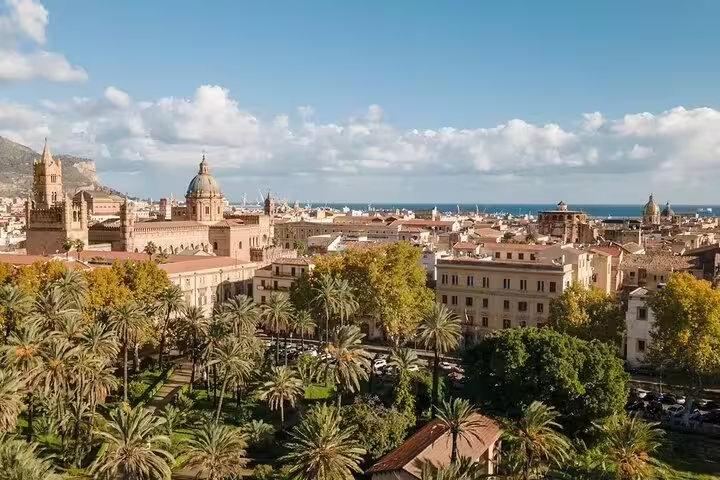
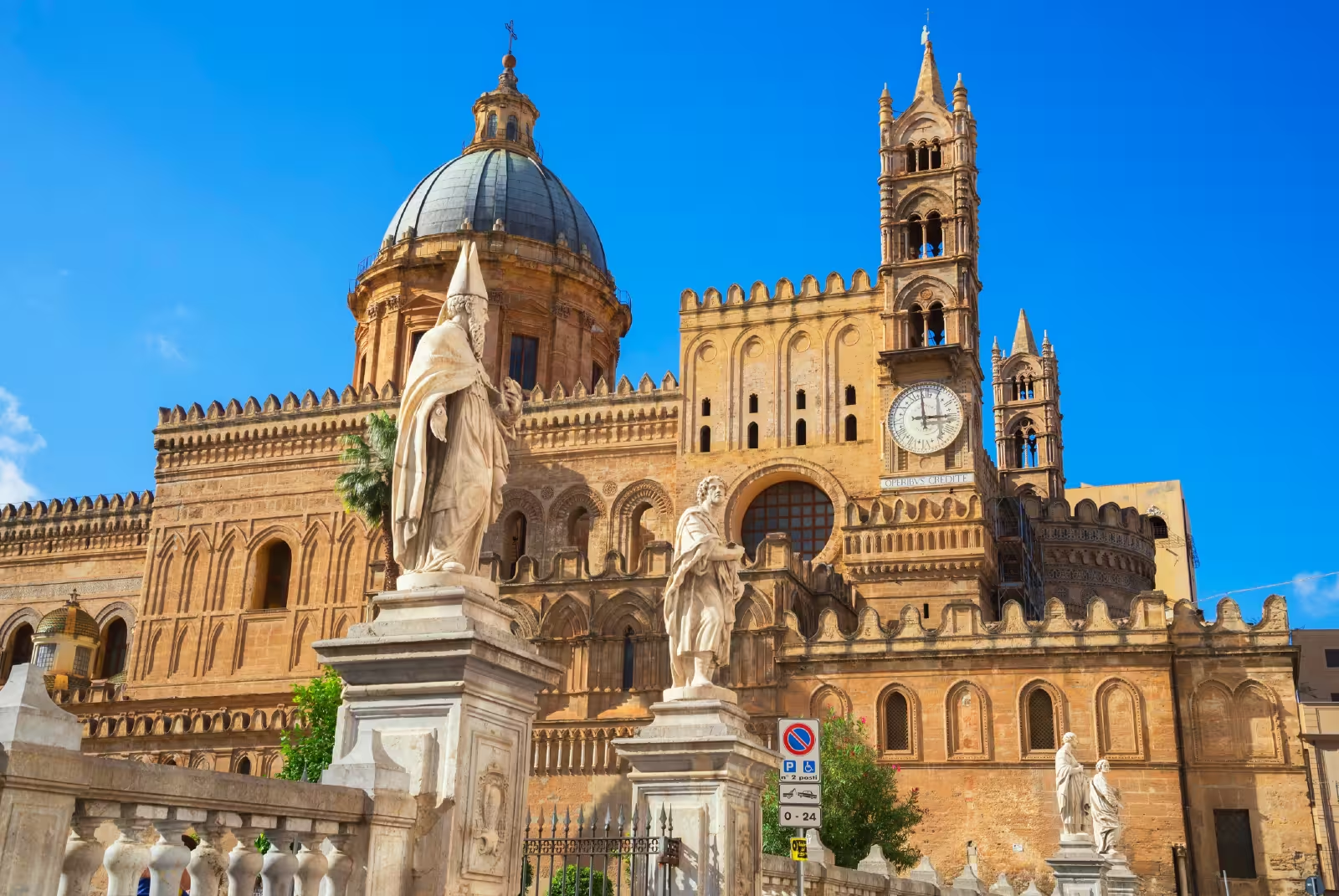
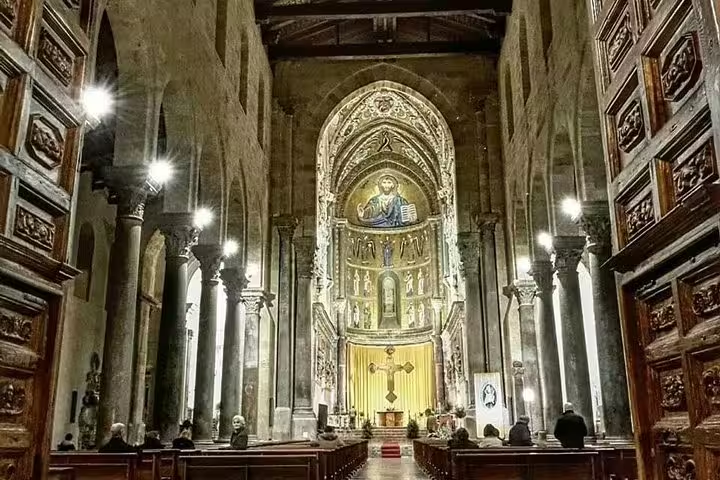
The palace, chapel and cathedral give an architecture visit a clear focus on the people and traditions that shaped Palermo. The palace began as a fortress built under Arab rule, and the Norman kings later turned it into their royal residence. Inside the Royal Palace, the Palatine Chapel was commissioned by Roger II in 1132. Look up for its stalactite forms and Islamic-style ceiling paintings. Palermo Cathedral adds another way to read that history, through the traces left by successive rulers.
Quattro Canti and Fontana Pretoria add a later chapter to this architecture plan. Work on Quattro Canti ran from 1608 to 1620, following Giulio Lasso's design and continuing under Mariano Smiriglio. Fontana Pretoria began with a different setting in mind: Francesco Camilliani sculpted it in 1554 for a villa in Florence.
Zisa is another option if the Norman palaces hold your attention. William I began the palace around 1165, William II completed it, and it served as a summer residence for the royal court. Its name comes from al-Aziz, Arabic for splendid.
Opera dei Pupi adds storytelling to a visit centred on buildings. This Sicilian puppet tradition developed in the early nineteenth century, with principal schools in Palermo and Catania. Its tales draw on medieval chivalry, Italian Renaissance poetry, saints and notorious bandits. UNESCO placed the tradition on its Representative List of Intangible Cultural Heritage in 2008.
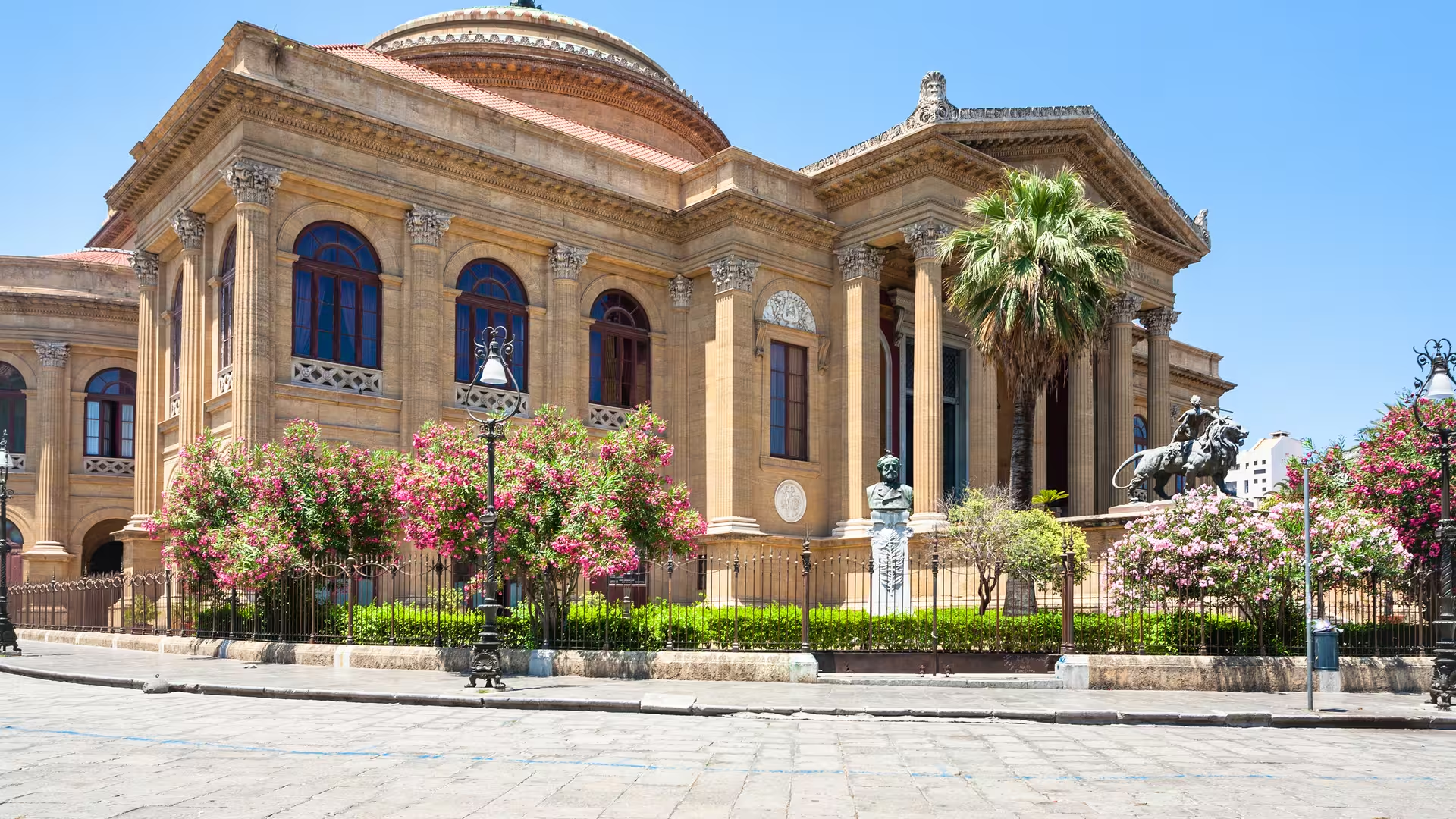
Teatro Massimo offers an opera connection: Verdi's Falstaff marked its public opening on 16 May 1897.
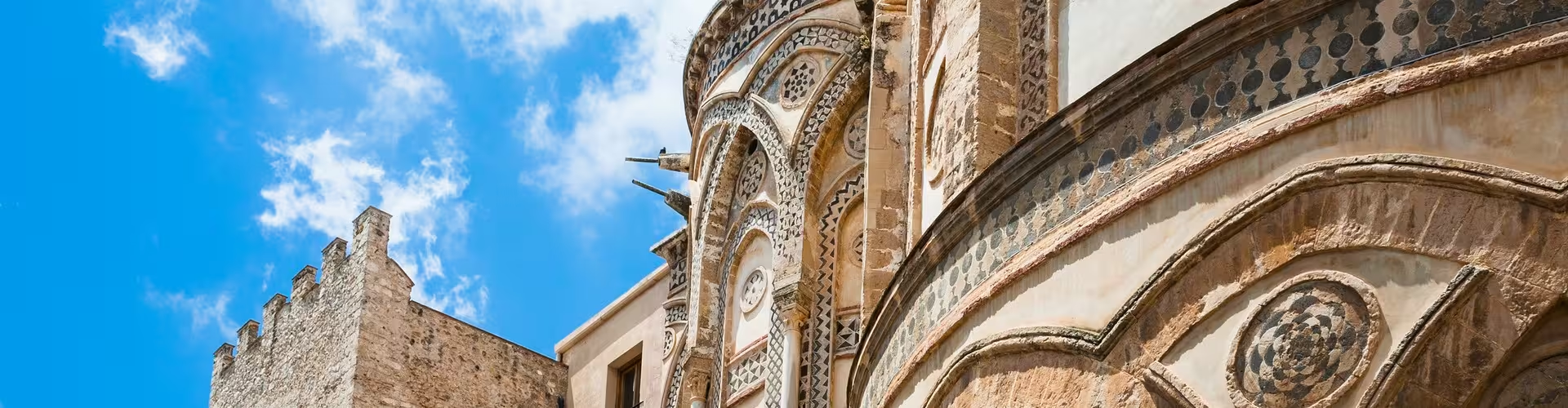
Monreale and Cefalù continue the Arab-Norman theme through their cathedral churches. For that pairing, the private half-day tour to Monreale and Cefalù from Palermo lasts 6 hours and includes an air-conditioned vehicle with Wi-Fi, bottled water, an English-speaking professional driver, a customisable itinerary and transport between Monreale and Cefalù.
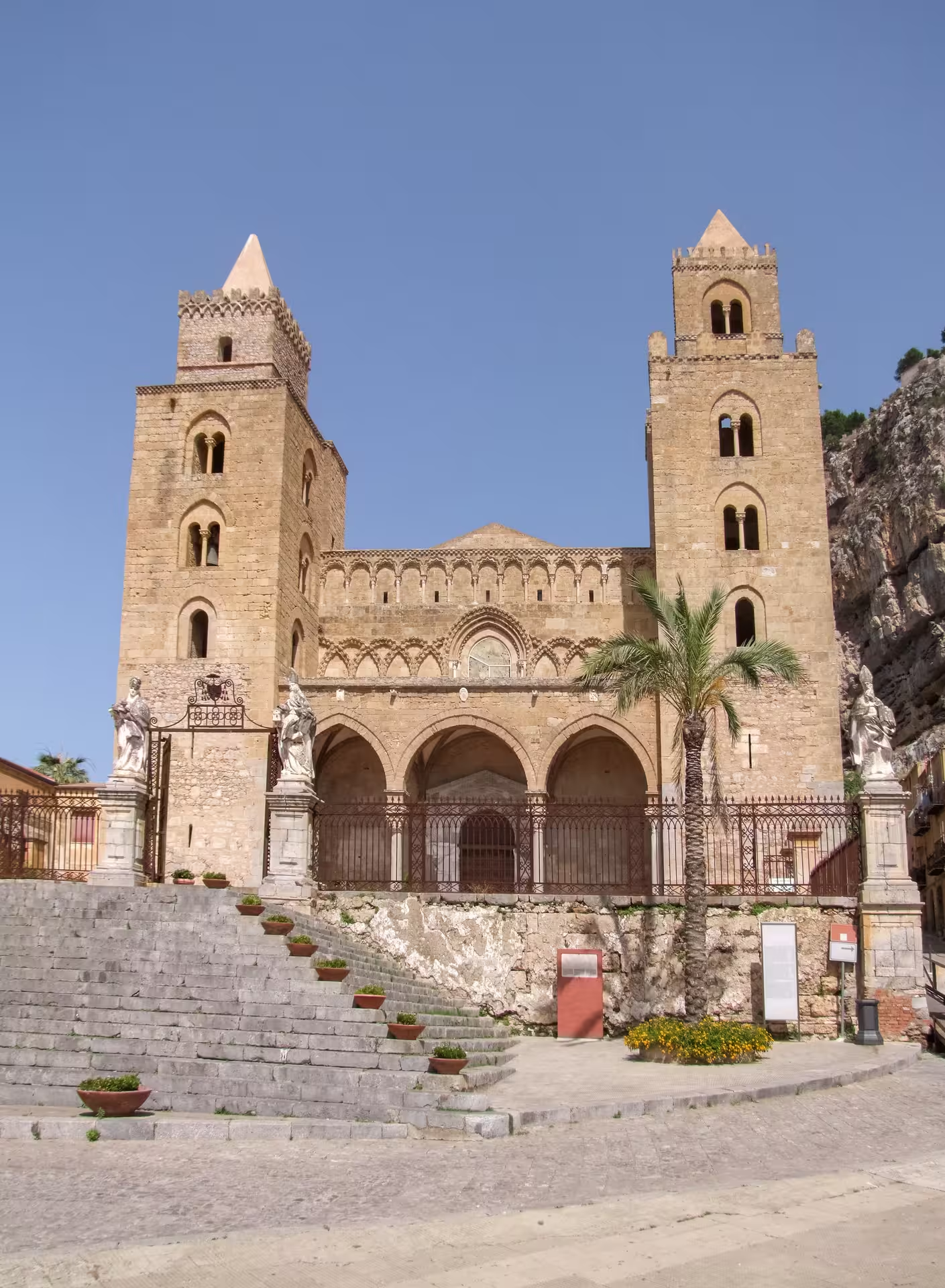
For an itinerary that also names Castelbuono, the private tour to Monreale, Cefalù and Castelbuono from Palermo lasts 8 hours, with a private vehicle and dedicated driver, driver commentary and local information, fuel and vehicle-related costs included.
Annual rainfall totals alone do not establish which months suit walking.
The sanctuary sits 429 metres above sea level. It was founded in 1625.
San Cataldo has red domes and dates to 1154, when it was built under William I at the request of Majone da Bari.
Reconstruction work led to its closure in 1974, which lasted 23 years. A concert marked its reopening on 12 May 1997.
Sources: Ministero della Cultura (cultura.gov.it) (CC BY 3.0): 8639, franceschini-palermo-510-sito-italiano-in-lista-patrimonio-mondiale; Comune di Palermo (CC BY 4.0): palazzo-reale-o-dei-normanni.