

Culinary Tours in Rome
Rome, Italy
67 experiences

Last updated:


A trip to Rome can balance ancient sites, the Sistine Chapel in Vatican City and time exploring Trastevere on foot.
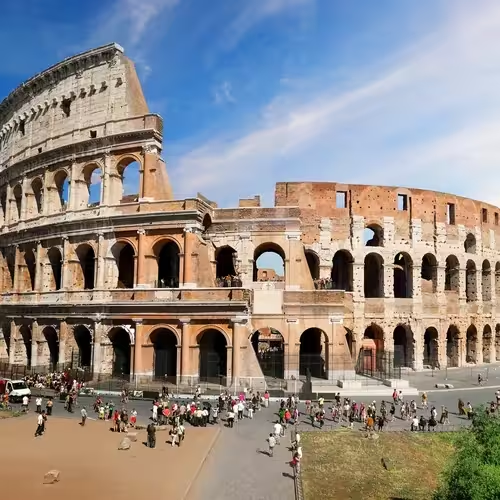
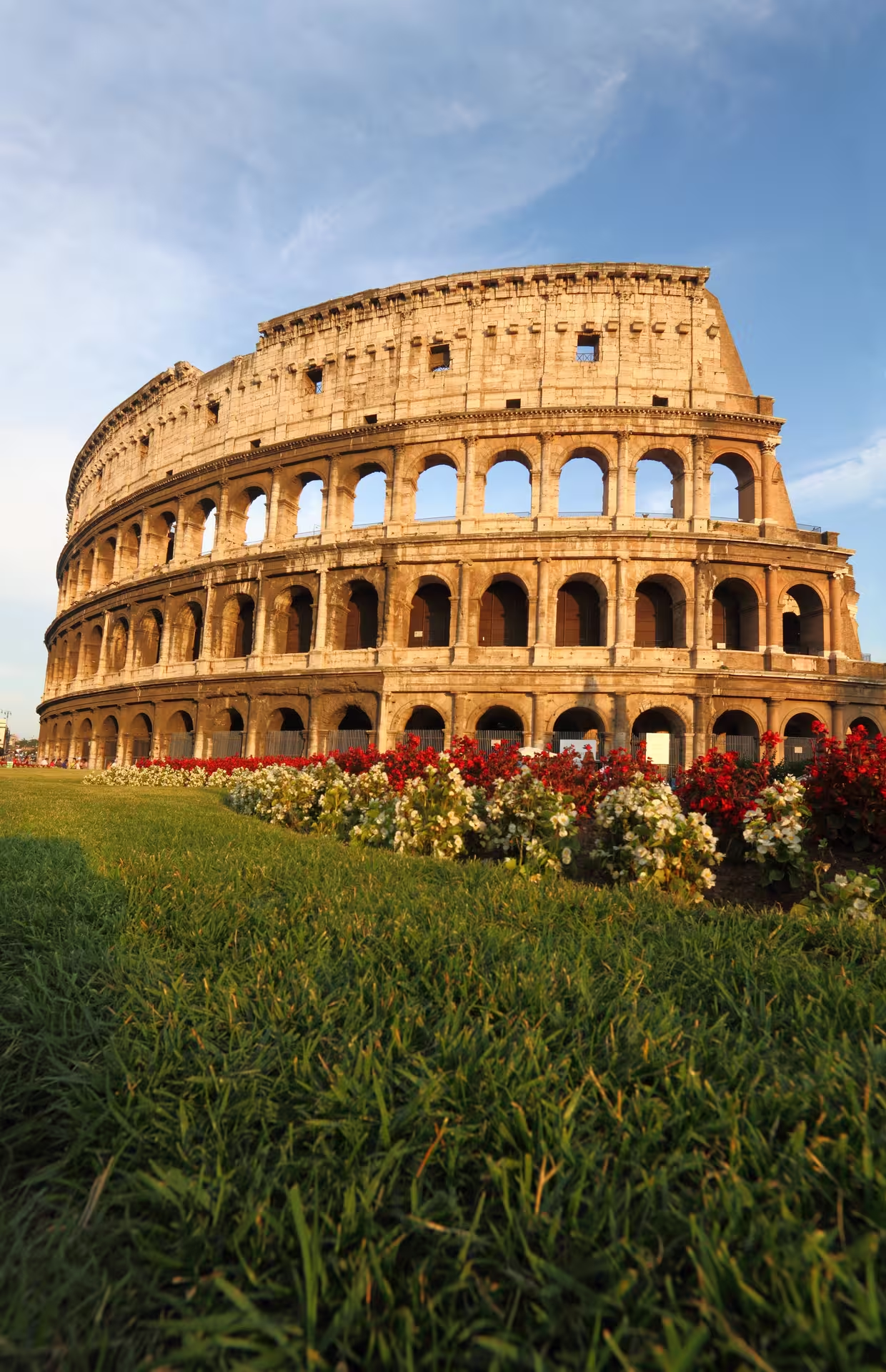
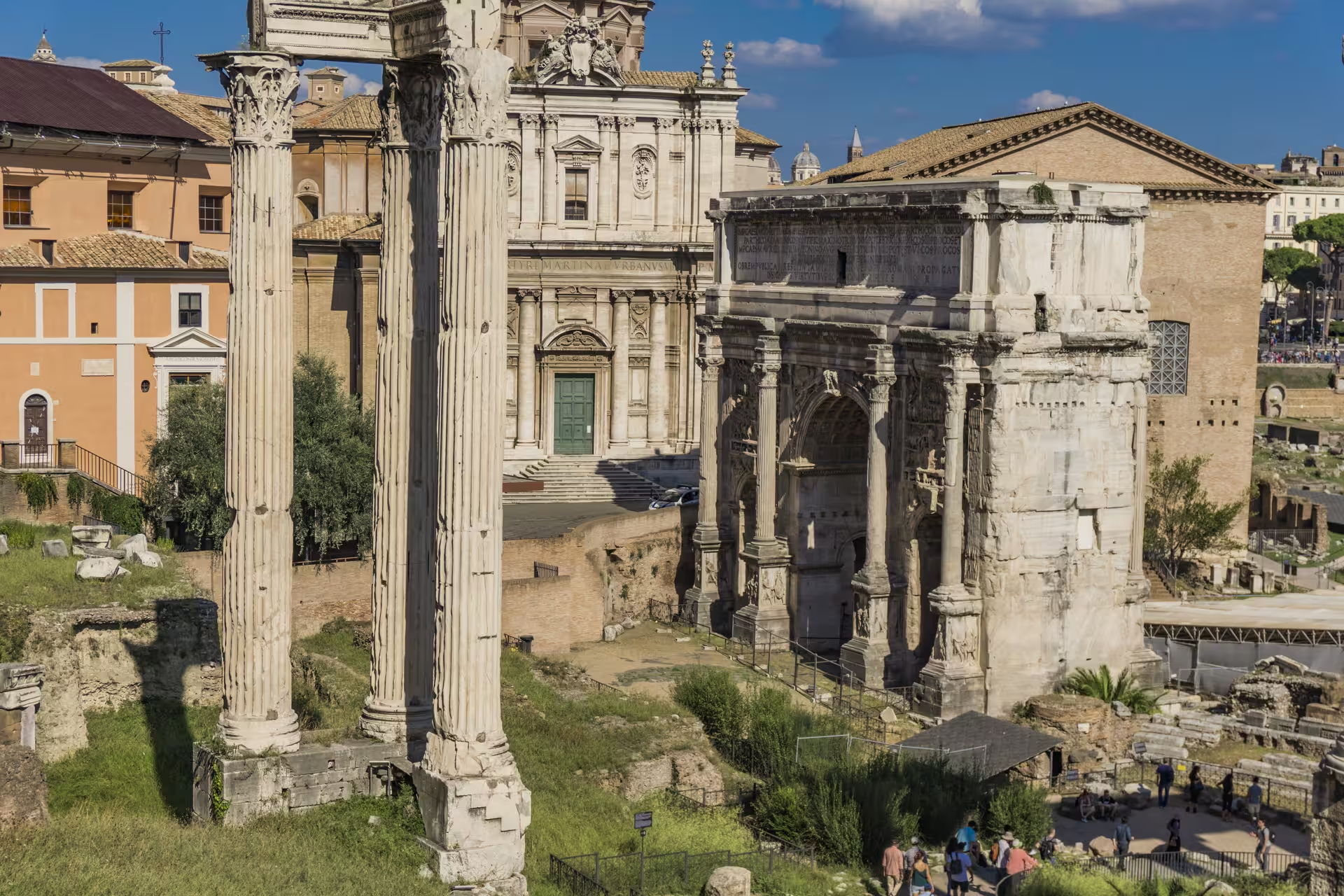
Ancient history is a useful focus for the Colosseum, Roman Forum and Palatine Hill, while the Sistine Chapel adds a different chapter. The Forum supported commerce, administration and civic life for more than a millennium. On the Palatine, Iron Age remains sit alongside the legacy of later imperial palaces.
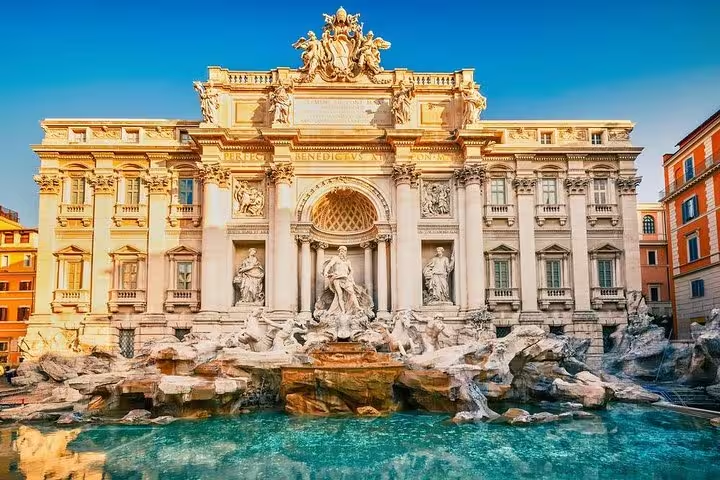
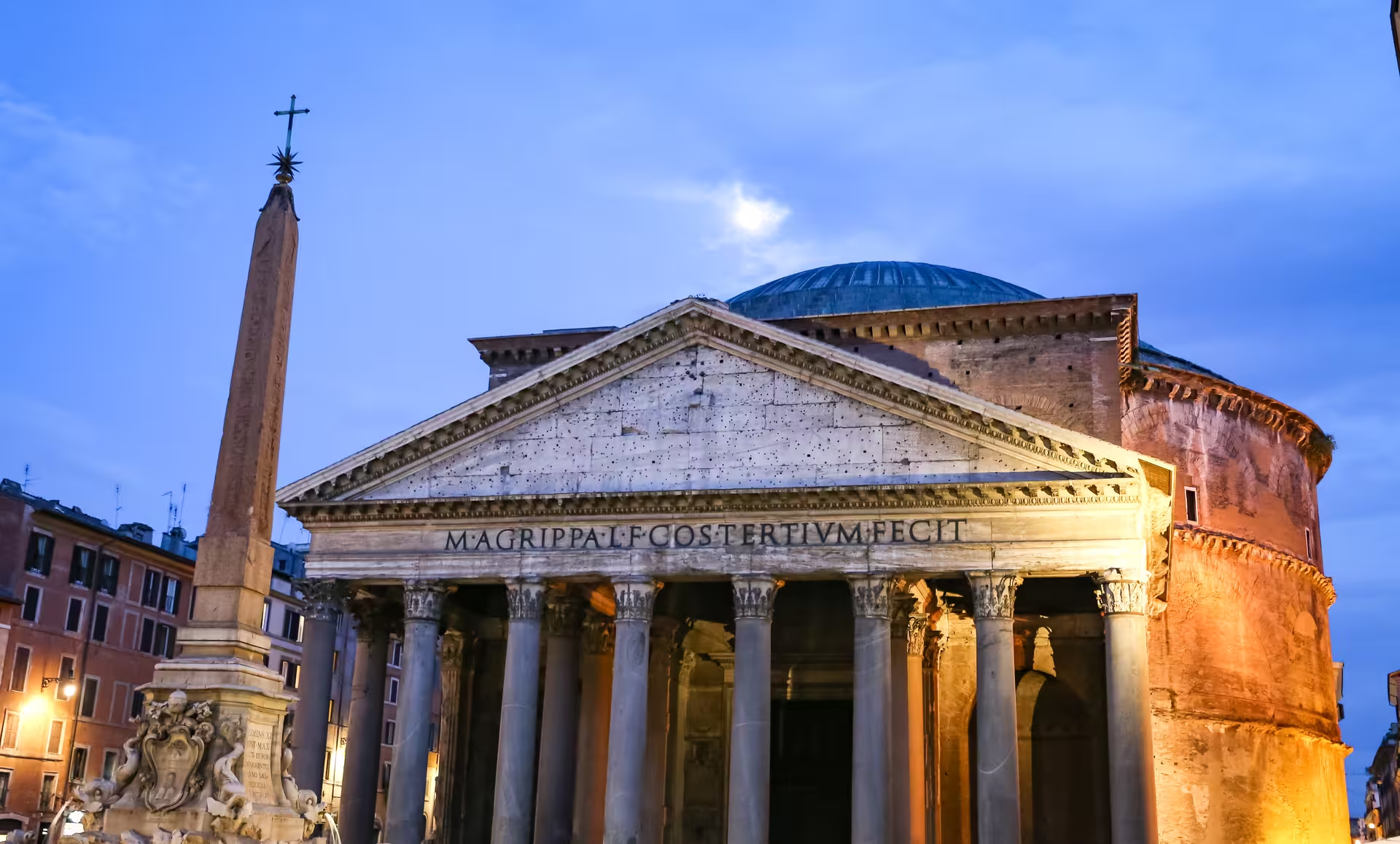
The Pantheon and Trevi Fountain suit an interest in how ancient Rome connects with later buildings. Hadrian substantially rebuilt the Pantheon between 118 and 125 AD. The Virgo aqueduct still operates, with the Trevi Fountain at its endpoint.
Three days is a practical outline for these sights and a walk through Trastevere. Day one can focus on the Colosseum, Roman Forum and Palatine Hill. Allow room in that day for exploring: the Roman Forum and Palatine Hill alone cover more than 40 hectares.
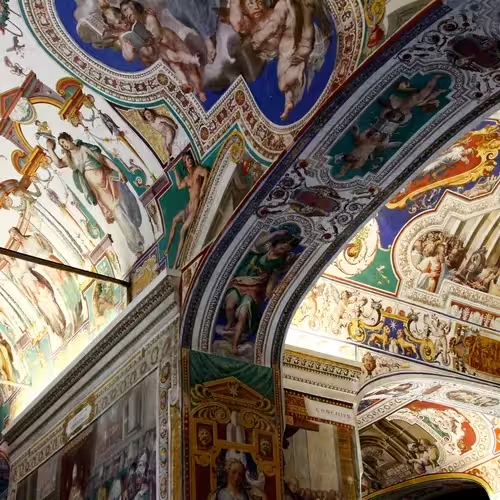
Day two can bring together the Pantheon, Trevi Fountain and Sistine Chapel. A Rome walking tour with guided entry to the Vatican Museums lasts 6 hours and includes a local guide for the walking segment, entry assistance at the museums, access to the Vatican Museums and Sistine Chapel, guided visits to the Pantheon, Trevi Fountain and Spanish Steps, and visits to Piazza Navona and Piazza Venezia.
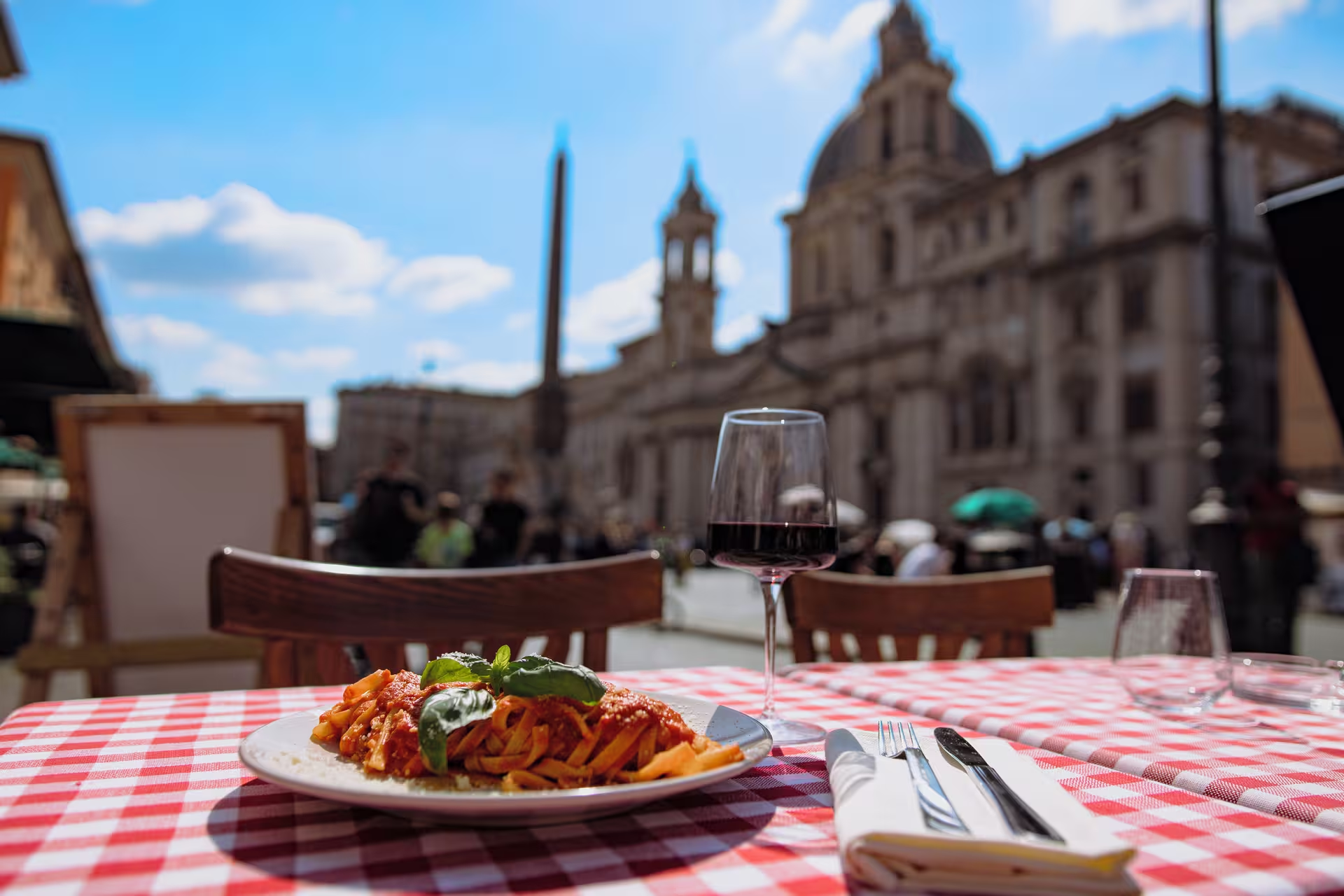
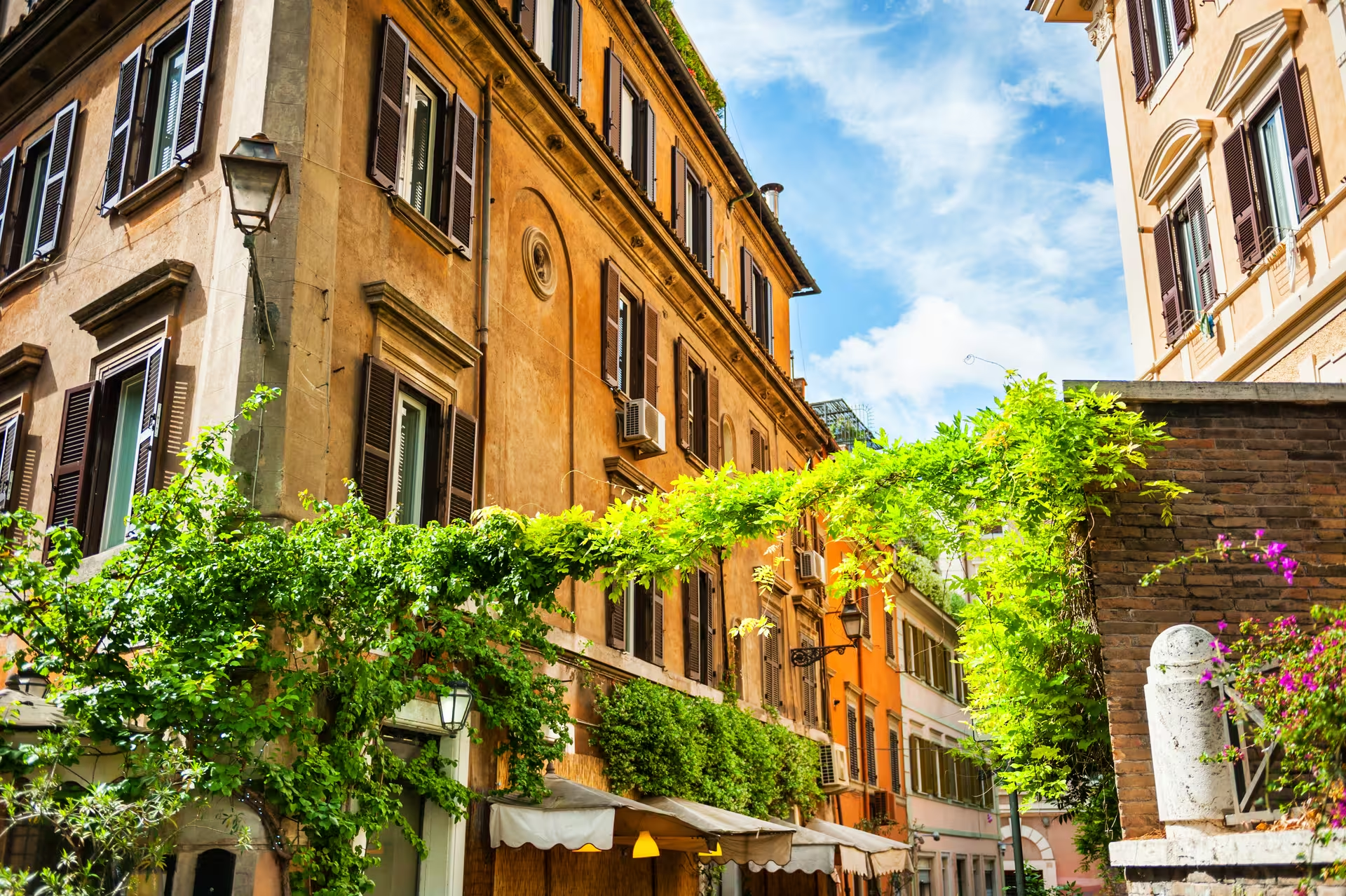
Day three can be devoted to Trastevere and the crossing towards the former Jewish Ghetto via Tiber Island. A Trastevere food walk about history and local cuisine lasts 3 hours, with a local guide, itinerary food tastings, wine pairing at a deli, espresso, an Aperol Spritz and artisan gelato. The self-guided mystery quest in Trastevere lasts 1 hour and 30 minutes and includes app access, a story, location-based puzzles, directions between stops and a self-paced format.
For a walking trip, plan outside the heat of July and August, and allow for rain from October to December. Temperatures are generally mild through the year, but July and August bring increased heat. November is usually the wettest month, though heavy rainfall is uncommon. January averages about 8 °C and July about 25 °C, so winter and summer call for different expectations when planning time outdoors.
Termini is a useful base to look around when airport and metro connections shape your trip. Metro lines A and B intersect there, and the non-stop Leonardo Express links Fiumicino Airport with Roma Termini in 32 minutes.
Walking can also connect specific parts of the itinerary. Via dei Fori Imperiali runs for about 850 metres from Piazza Venezia to the Colosseum, past the Imperial Forums. For the Trastevere walk, Tiber Island provides the connection to the former Jewish Ghetto through the Cestio and Fabricio bridges.
A Florence excursion suits a trip with a separate day available beyond the Rome itinerary. The private guided day trip to Florence from Rome lasts 12 hours and includes an English-speaking professional driver, a guided visit to the historic centre, visits to the Accademia Gallery and Basilica di Santa Croce, and alternative site arrangements for Monday museum closures.
Scheduled departures on the Leonardo Express are 15 minutes apart.
Trastevere celebrates the Festa de Noantri on the first Saturday following 16 July.
On average, rain falls in Rome on 102 days per year.