Sorrento, Italy: what to see and do
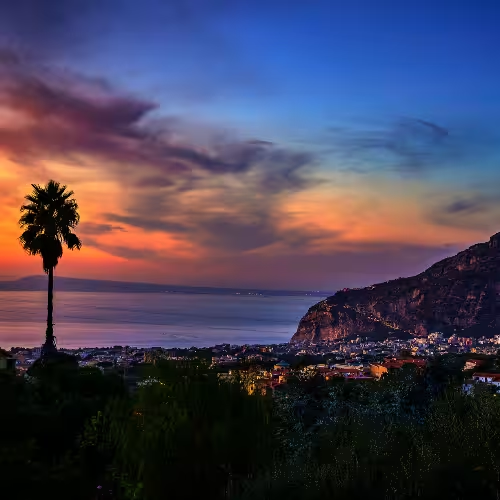
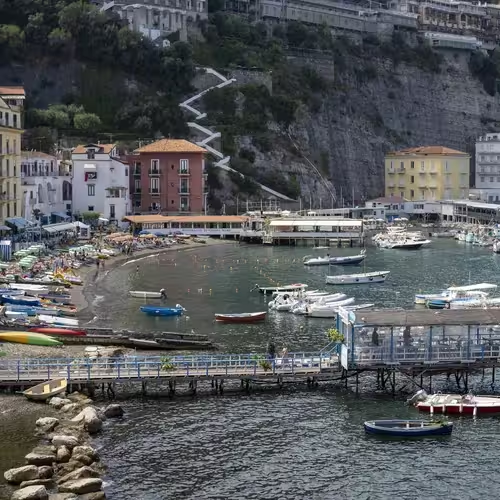
Sorrento occupies a terrace above the sea, with a sheer drop of around 50 metres. Its municipal area measures 10 square kilometres, while the centre is 56 metres above sea level. The historic centre has Roman roots, and the poet Torquato Tasso was born here.
Things to do in Sorrento: history and architecture
Sorrento joined the Italic revolt of 90 BC; colonies were later founded here under Sulla and under Augustus. Sorrento has been a bishop's seat since late antiquity. In 1137, incorporation into the Norman kingdom brought the independence of the Duchy of Sorrento to an end.
The cathedral was enlarged in the 15th century; a side doorway dated 1479 survives. From the 14th century, nobles from the western part of Sorrento gathered at the Sedil Dominova. This loggia has piperno arches opening on two sides and a yellow and green majolica dome from the 17th century.
Art, literature and local crafts
The Museo Correale occupies an 18th-century house arranged across three floors and 24 rooms. Its Italian and European porcelain collection includes work by Meissen, Sèvres, Bow, Vienna and Capodimonte. Neapolitan still-life paintings from the 17th and 18th centuries are also displayed.
Tasso was born on 11 March 1544; his father, Bernardo Tasso, was a courtier and literary figure. Sorrento's craft traditions include wood inlay and lace-making. The town honours Sant'Antonino as its patron saint, with his feast on 14 February.
The valley and local food
The Vallone dei Mulini owes its name to a mill that was working there in the 17th century. An eruption of the Campi Flegrei created the valley roughly 35,000 years ago. It once contained a public washhouse and a sawmill that provided wood for local craftspeople.
Tomato, basil and melting fior di latte cheese are ingredients in gnocchi alla sorrentina. The surrounding hills produce castagne del prete chestnuts and walnuts used for nocino liqueur. Olive oil produced on the Sorrentine Peninsula bears the DOP designation.
The Sorrento food and wine walking tour with local tastings lasts 3 hours. It includes a licensed local guide, food tastings featuring gnocchi alla sorrentina, wine and limoncello tastings, and a final espresso at Vallone dei Mulini.
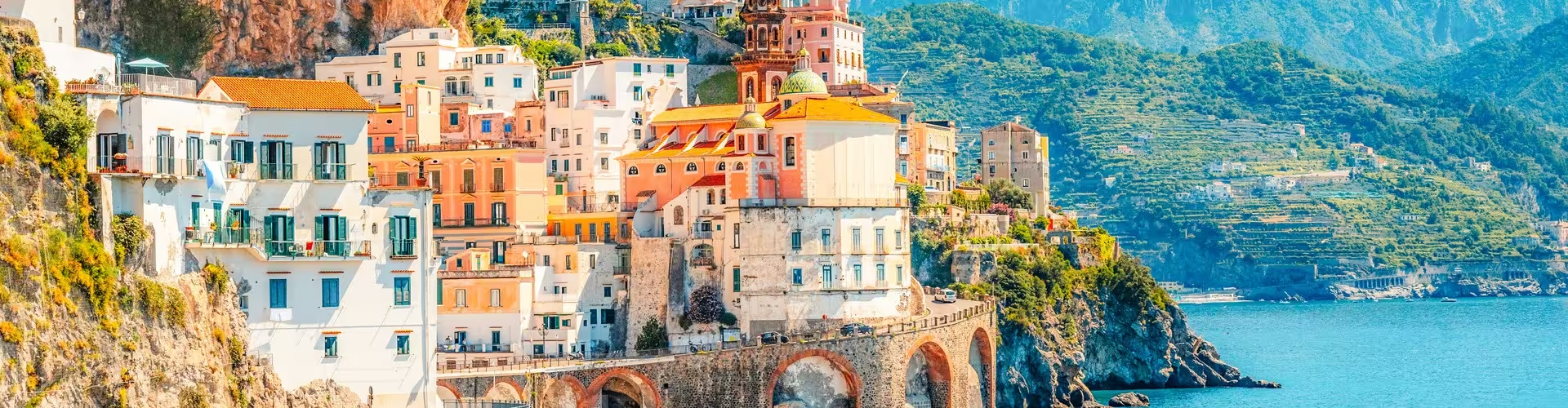
Sorrento and the Amalfi Coast
The Sorrentine Peninsula projects into the Tyrrhenian Sea between the gulfs of Naples and Salerno, separated by Punta Campanella. Along its coast, remains of several Roman villas survive. At Capo di Sorrento, the cliff holds the ruins of the villa of Pollio Felice, dating to the 1st century. Near these ruins, steep cliffs surround a natural pool, with a rock arch separating it from the sea.
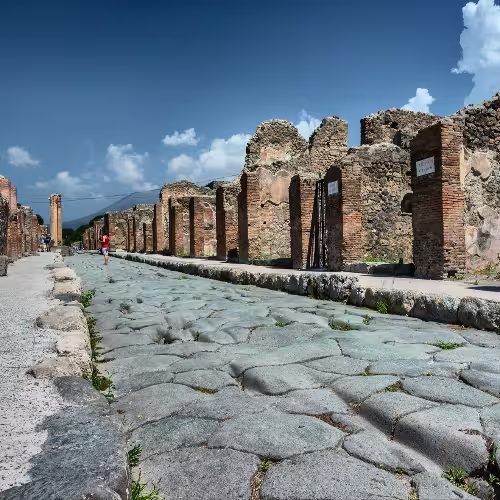
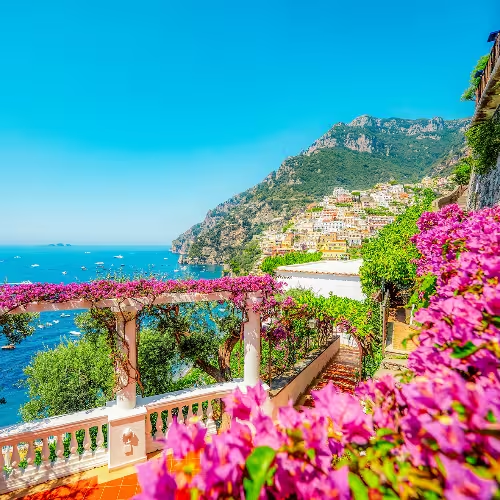
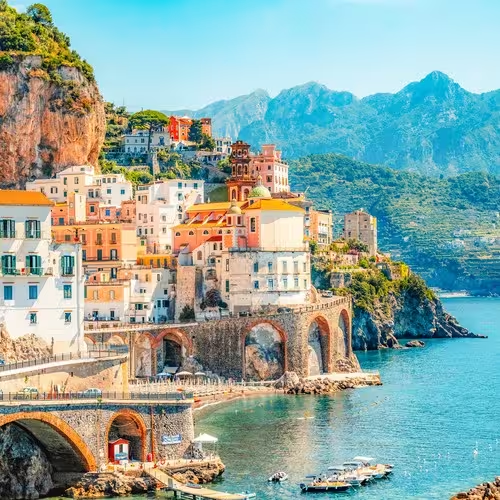
The full-day private tour of Pompeii, Sorrento and the Amalfi Coast lasts 8 hours. It includes private transport throughout, a multilingual driver, stops in Pompeii, Sorrento and Positano, and free time in each destination.
The full-day boat tour of Capri and Faraglioni from Sorrento lasts 8 hours. Included are a cruise around the island and Faraglioni, a licensed professional guide throughout the day, guided visits to Capri town and Anacapri, and entry to coastal viewpoints and panoramic terraces.
What is the origin of Sorrento’s historic centre?
The historic centre has Roman roots.
What can be seen at the Museo Correale?
The museum displays Italian and European porcelain and Neapolitan still-life paintings from the 17th and 18th centuries.
What gives the Vallone dei Mulini its name?
Its name comes from a mill that was working there in the 17th century.
What is in gnocchi alla sorrentina?
The dish contains tomato, basil and fior di latte cheese.
Which Roman villa remains at Capo di Sorrento?
The ruins belong to the villa of Pollio Felice and date to the 1st century.
Frequently asked questions